Kids interview Isaac Newton
by Charactorium · Isaac Newton (1643 — 1727) · Sciences · 5 min read
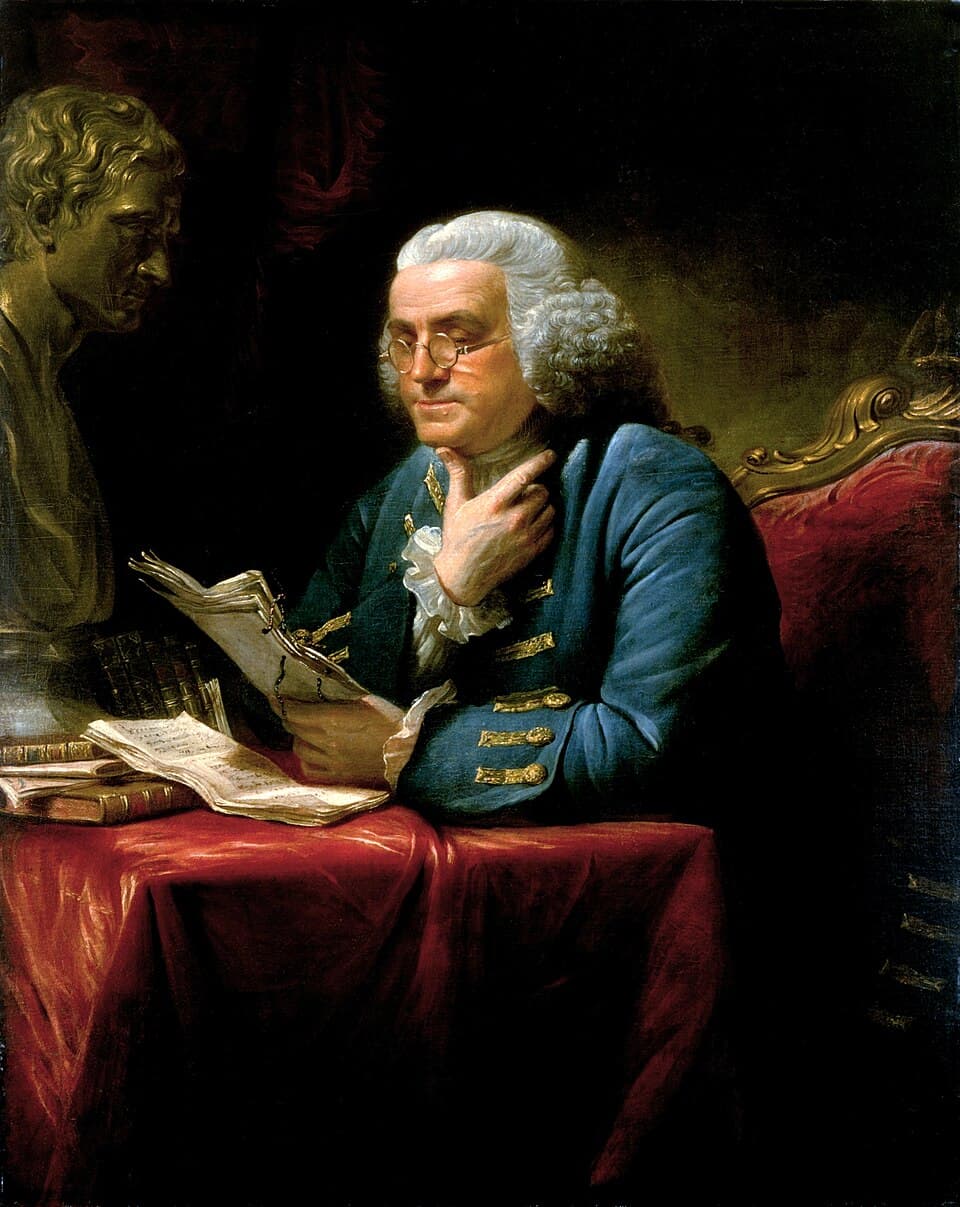
Two young visitors, barely twelve years old, push open the door of an old study full of manuscripts and prisms. At the far end, a white-haired man looks at them with a surprised smile. He is not used to people coming to talk to him — so he begins, softly.
—How old were you when the school closed because of the plague?
You know, I was barely twenty-three. The Great Plague was ravaging England, and my university, Cambridge, closed its doors in 1665. I went back to my mother's home in the countryside, an old house called Woolsthorpe. Imagine two whole years without classes, without teachers, without anyone to tell you what to think. Just me, my notebooks, and the silence. That's where, my child, everything exploded in my head all at once. Colors, calculus, the fall of bodies. Scholars call it my annus mirabilis, my year of wonders. As if isolation had been a hidden gift.
They locked me away, and that's where my mind opened up.
—How can you invent three great things by staying alone at home?
I'll tell you a secret. When you are alone, you have no one to imitate. So you really look. At Woolsthorpe, I spent my days scribbling numbers, passing light through a piece of glass, observing the moon at night. One question led to another. In the morning I thought about colors; in the afternoon, about falling bodies. It was like pulling three different threads and realizing they are all tied at the same knot. I often worked until very late, by candlelight. I even forgot to eat. But I wasn't unhappy, you know. I was the happiest of men.
When you are alone, you have no one to imitate — so you really look.
—Is it true, the story of the apple falling on your head?
Ah, that apple! I'll tell you the truth, because you deserve it. It never fell on my head, no. But I was indeed in the orchard at Woolsthorpe, and I saw an apple fall from a tree. A very simple thing. Except that day, I asked myself: why does it fall straight to the ground? And why doesn't the moon up there fall? And then the idea came, like a gentle flash: perhaps the same force holds the apple and the moon. The force that makes fruits fall also governs the heavens. An apple showed me the universe.
An apple falls, the moon does not fall — and yet it is the same force.
—What does it mean that everything in the universe attracts everything else?
Imagine that every little thing in the world is tied to all the others by an invisible string. You, the apple, the moon, the stars. In my great book, the Principia of 1687, I wrote that every particle of matter attracts every other particle. The heavier a thing is, the stronger it pulls. The farther it is, the weaker it pulls. That is what we call universal gravitation. Before me, people thought the heavens and the Earth obeyed different laws. I showed that it is the same law everywhere. The falling fruit and the orbiting planet follow the same rule. That was, I believe, the idea of my life.
The same law governs the falling fruit and the orbiting planet.
—How did you manage to see all the colors hidden in light?
That was my most beautiful experiment! I took a prism, a simple triangular piece of glass. I darkened my entire room, and I pierced a small hole in the shutter, just enough to let a ray of sunlight pass through. When the light went through the glass, it broke on the opposite wall into a band of colors: red, orange, yellow, green, blue… the whole rainbow! People believed the glass dirtied the white light. I understood the opposite: white already contained all the colors. The prism did not add them, it separated them. I told all this in a book, the Opticks, in 1704.
White is not empty of colors — it contains them all.
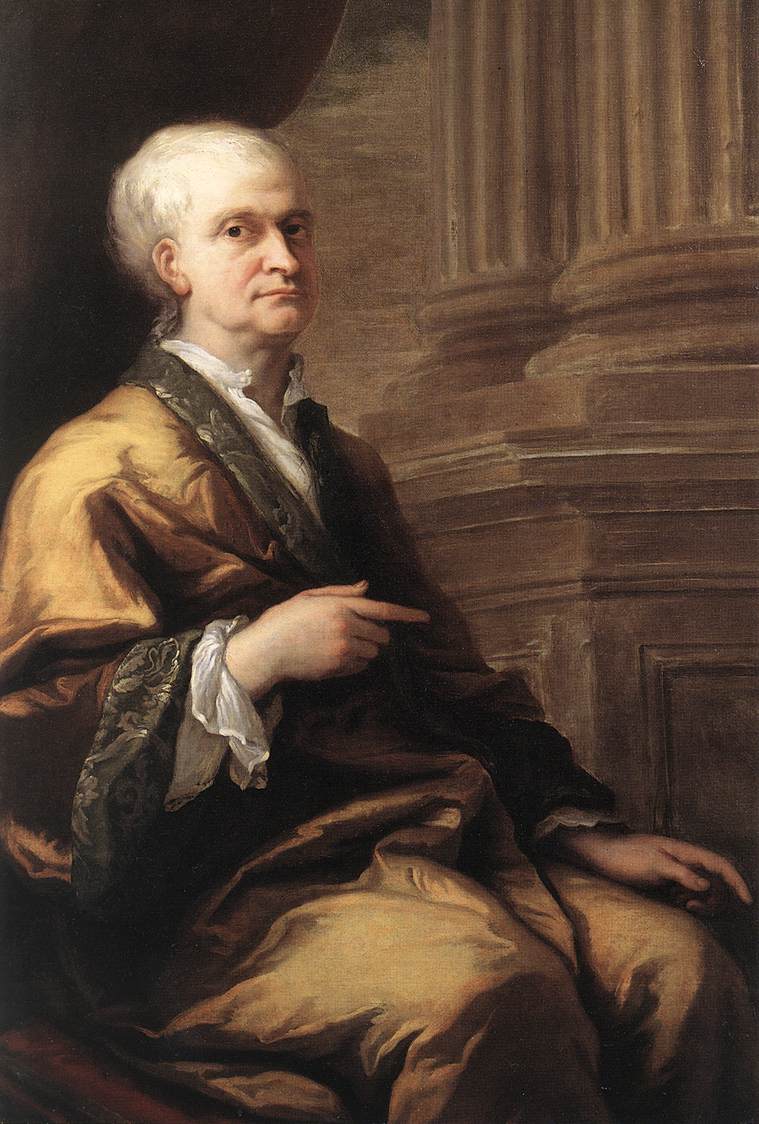
—Did you build your telescope all by yourself, with your own hands?
Yes, with my own hands! In 1668, I was annoyed. The astronomical lenses of the time, with their glass, blurred the edges of stars into little colored fringes. So I had an idea: replace the glass with a mirror to reflect the light. I polished the metal myself, I assembled the tube, I made everything. And it worked! It was a small instrument but much sharper. Imagine the pride of a boy looking at the sky through an object made with his own hands. Even today, these devices are called Newtonian telescopes. When you want to understand something, sometimes the best thing is to build it yourself.
When you want to understand something, build it with your own hands.
—Is it true that at night, in secret, you tried to make gold?
You heard right. By day I calculated the laws of the sky; by night, bent over my furnaces, I practiced alchemy. It was an ancient science that sought to transform ordinary metals into gold, and to find the philosopher's stone, said to grant long life. I devoted years to it, in secret. They say I wrote over a million words on it, hidden in my notebooks. Do you find that strange for a scholar? In my time, understanding matter and seeking its transformations was a serious quest. I wanted to uncover all the secrets of nature, not just those displayed in the light of day.
By day I measured the sky, by night I sought the secret of metals.
—Didn't it bother you to be a scholar and believe in magical things?
You ask the real question, my child. But in my time, we did not separate everything as people like to do today. We didn't even say "science": we said natural philosophy. I was not a "scientist" — that word did not exist yet. I was a man who wanted to understand everything: colors, stars, metals, and even sacred texts. I spent my nights on my alchemical and theological manuscripts as much as on my mathematics. For me, all of that formed a single great book of nature to decipher. Never judge people of the past with the words of today. We sought God and matter with the same gaze.
I did not separate the mysteries: nature was a single great book.
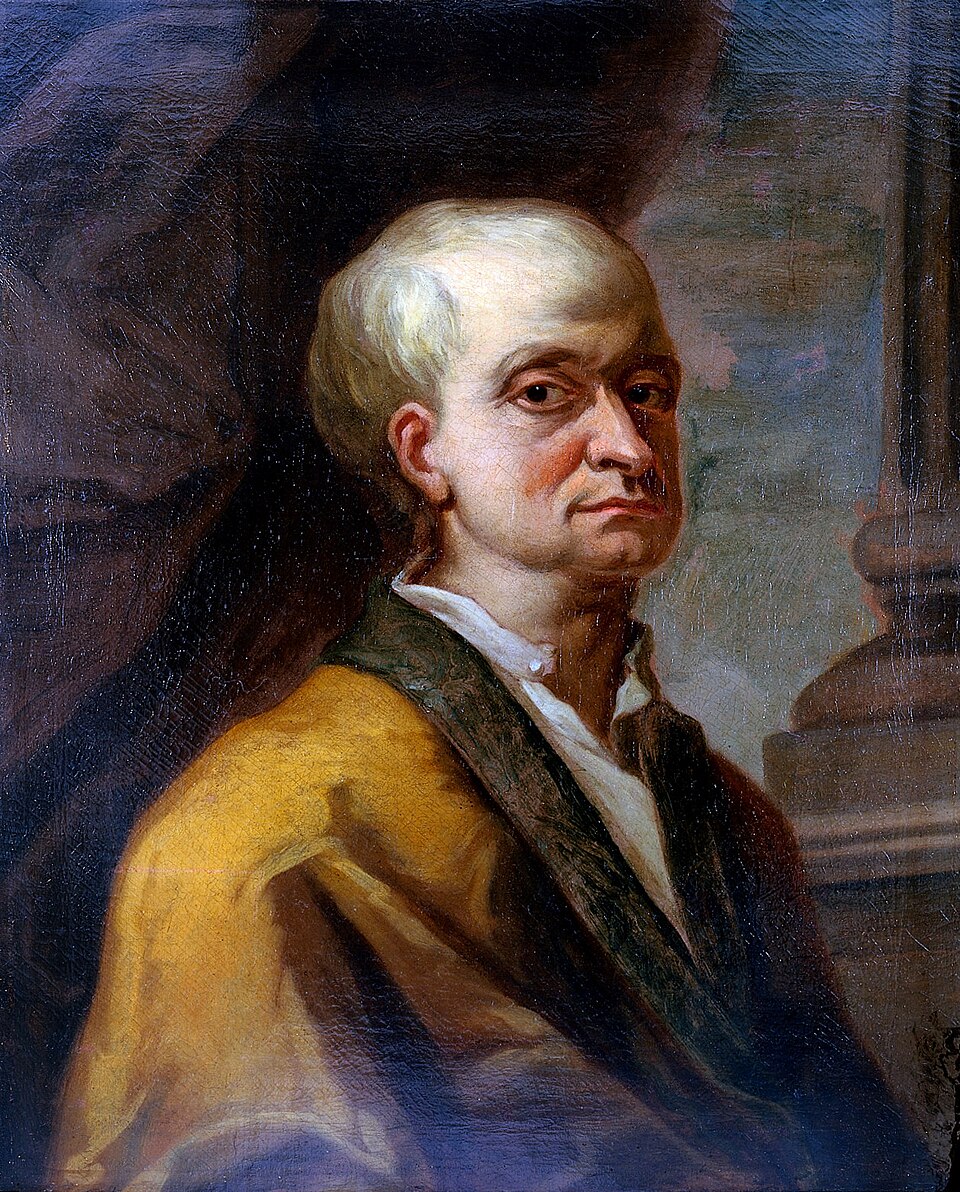
—Is it true that later you became a kind of thief hunter?
Ha! No one expects that, do they? In 1696, I was put in charge of the Royal Mint, at the Tower of London. My job: oversee the production of silver and gold coins. And there I discovered a scourge: counterfeiters, those who made fake coins. I, who had spent my life in calculations, started investigating in taverns, interrogating criminals. I used precision balances to unmask fake coins. I pursued those counterfeiters without mercy, and several ended up condemned to death. The old scholar had become a formidable guardian of the kingdom's coinage.
The scholar of the stars became a hunter of counterfeiters.
—How did you feel when the queen knighted you?
It was a great moment, I admit. In 1705, Queen Anne knighted me, and I became Sir Isaac Newton. Do you know what made it special? I was the first to be honored in this way for scholarly work, not for winning a battle or serving at court. Imagine: a boy born on a farm in Lincolnshire, kneeling before a queen. But you know, I never believed that everything came from me. I once wrote to a colleague that if I had seen further, it was by standing on the shoulders of giants. The scholars before me had paved the way. I only took one more step.
If I have seen further, it is by standing on the shoulders of giants.
—What was a day like for you when you were working?
A very strange day, I warn you! I woke up early and read right away, for hours. At Cambridge, I had large rooms with my library and a small laboratory all to myself. In the afternoon, I did my experiments with prisms or observed the sky from the garden. In the evening? I worked until the middle of the night, by candlelight. The funniest thing is that I forgot to eat! They would find me with a cold meal untouched beside me. My students rarely came to my lectures, which they found too difficult; my rooms were sometimes empty. But the silence didn't bother me. I lived alone with my ideas, and they were enough for me.
I forgot to eat, never to think.
Read further
This imaginary interview was generated by artificial intelligence from sources documented in Isaac Newton's profile. It dramatises what the figure might have said based on what we know about them, but does not constitute attested historical testimony. For primary sources and factual documentation, refer to the full profile.