Kids interview Jawaharlal Nehru
by Charactorium · Jawaharlal Nehru (1889 — 1964) · Politics · Society · 5 min read
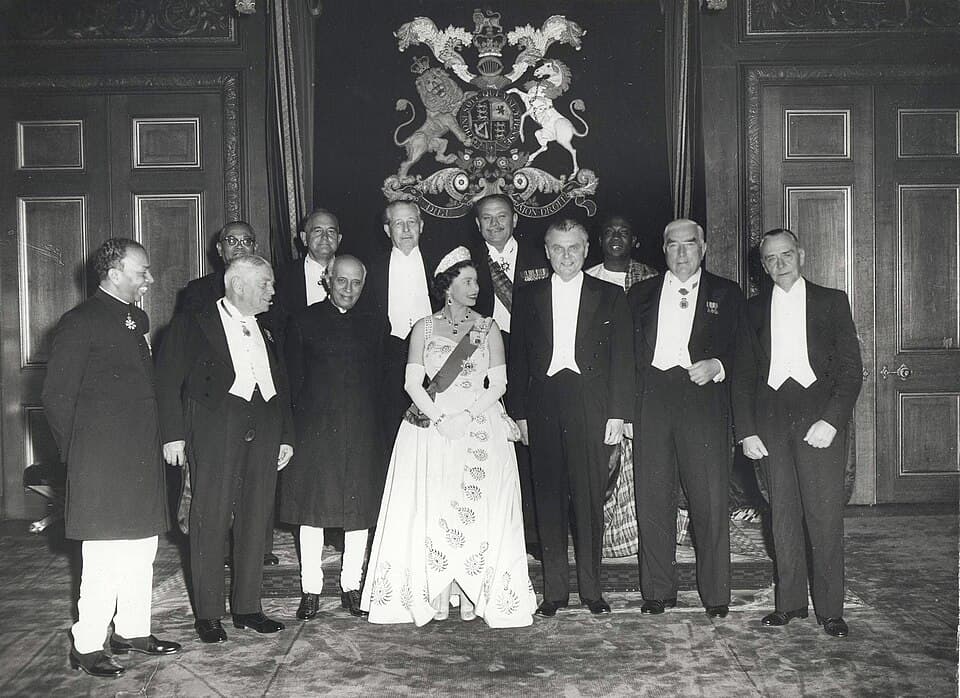
Two 12-year-old students on a discovery trip push open the door of Teen Murti Bhavan, the big house surrounded by rose bushes. An old man in a white coat, a red rose in his buttonhole, invites them to sit down. He looks happy to have visitors.
—What was your life like when the British kept putting you in prison?
You know, my child, I was imprisoned nine times, about nine years total behind bars. Imagine a cell without warm light, without books, just walls and makeshift notebooks. Many would have collapsed. I decided to work there. At Ahmadnagar Fort, between 1942 and 1945, I wrote from memory a big book about five thousand years of my country's history. Without a library, without notes. Every morning, I filled my pages. Prison wanted to silence me; it made me a writer. It was the British, without knowing it, who gave me the time to think.
Prison wanted to silence me; it made me a writer.
—You wrote to your daughter from prison? What were those letters about?
Yes! My daughter Indira was a teenager, and I was far away, locked up in Naini Prison. So I wrote her letters — almost two hundred! But not ordinary letters. I told her the history of the whole world, like telling a great adventure: the pharaohs, empires, revolutions. Imagine a father who, unable to hug his daughter, sends her the entire universe by mail. This collection is called Glimpses of World History. Children around the world later read it. Writing was my way of being present despite the walls.
Unable to hug my daughter, I sent her the universe by mail.
—How old were you when India became free? Were you happy?
I was fifty-seven years old, and that night I didn't sleep. It was the night of August 14-15, 1947. At midnight precisely, in Parliament, I spoke to my people. I said that long ago we had made a tryst with destiny, and that at this hour, India was awakening to life and freedom. Millions of people listened on the radio, All India Radio, hearts pounding. Happy? Yes, immensely. But also grave. Because that freedom was still fragile, and it had to be earned every day.
At the hour when the world sleeps, India awakened to life.
—But if everyone was happy, why do you say it was also sad?
Ah, you listened well, my child. Freedom came with a wound. The same day, our great country was cut in two: India on one side, Pakistan on the other. This is called the Partition. Imagine millions of families forced to leave everything in one night, walking on roads, terrified. There were terrible violences between former neighbors. So yes, I celebrated freedom, but tears flowed in my heart. One does not build a nation without also carrying its sorrows. A leader must smile at the people while crying in secret.
Freedom came on the same day as a great wound.
—What does it mean to refuse to choose between the two camps? Were you afraid of making enemies?
Good question! In my time, the world was split into two camps that distrusted each other. It was called the Cold War. People told me: 'Choose, America or the other great power!' And I answered: no. My country had just freed itself from one master; I was not going to take a new one. In 1955, at Bandung, I gathered twenty-nine nations from Asia and Africa. Together, we said: we want to be friends with everyone, slaves to no one. That is non-alignment. Standing straight, between two giants, without bowing your head.
Friends with everyone, slaves to no one.
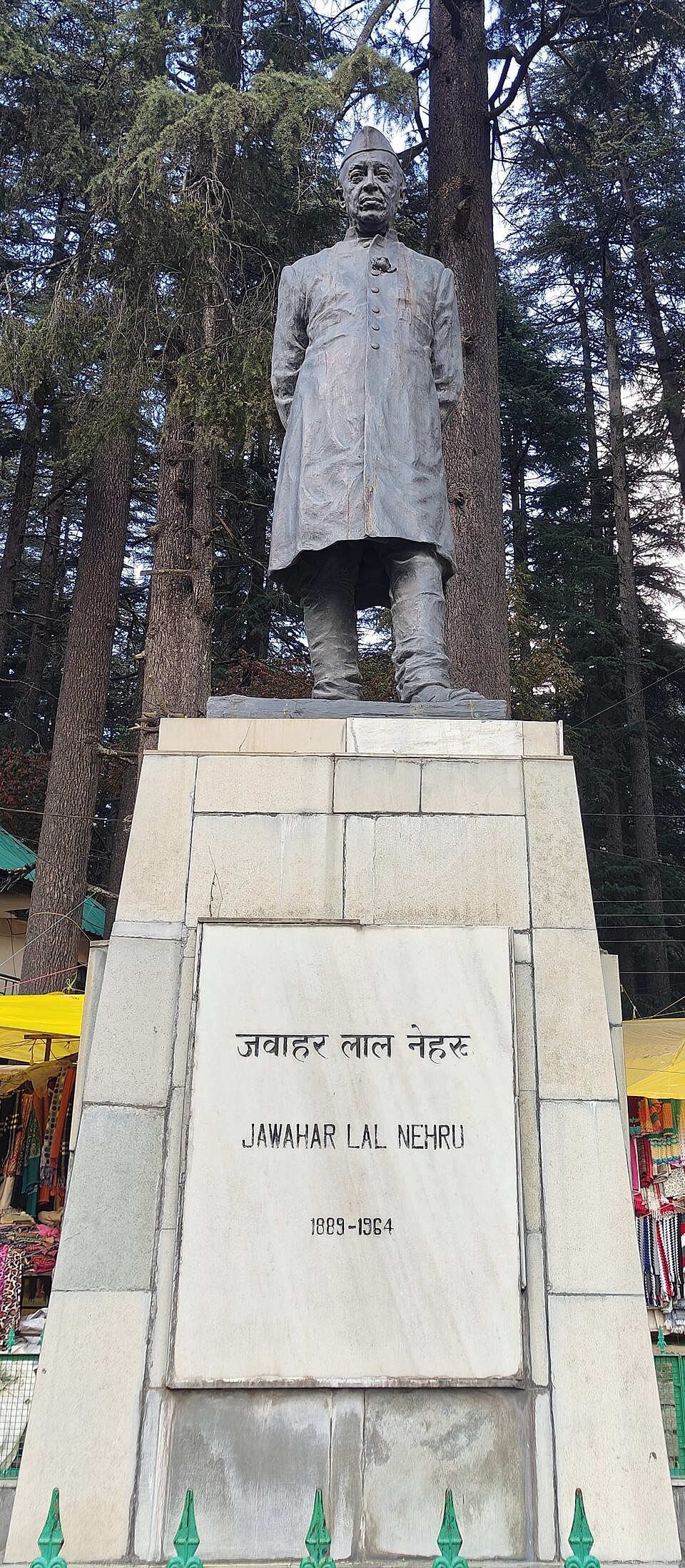
—And with China, did it go well at first?
At first, yes, I believed in it with all my heart. In 1954, we signed with China five beautiful promises called the Panchsheel, a word meaning 'five principles'. It was simple: respect each other, don't attack each other, live in peace. Imagine two neighbors shaking hands and swearing never to cross the fence. But you know, promises between states are fragile. In 1962, China attacked our mountains. I was wounded, not in body, but in my trust. Perhaps I had been too dreamy. Peace is to be wished for, but you cannot decree it alone.
Peace is to be wished for, but you cannot decree it alone.
—Is it true you disagreed with Gandhi? Did you argue?
We were not enemies, oh no — I loved him deeply. But we dreamed of two different Indias. Gandhi dreamed of an India of villages, of hands spinning cotton on the spinning wheel, that little loom. I wanted factories, scientists, engineers. I said that dams and great schools were the 'temples of modern India'. Imagine two friends walking toward the same summit by opposite paths. We discussed, sometimes sharply, but always with respect. You can love someone and disagree with them. That is even true friendship.
You can love someone and disagree with them.
—Why did you have big engineering schools built?
Because a new country needs brains, my child! India was emerging from centuries of domination. It needed to be lifted, fed, built. So in the 1950s, I founded the IITs, the Indian Institutes of Technology — great schools where engineers and scientists are trained. Imagine planting today trees in whose shade you will never sit, but where your grandchildren will play. I also launched big plans to build factories and dams. I would not see all the fruits. But a builder does not work for himself: he works for those who come after.
A builder plants trees whose shade others will enjoy.
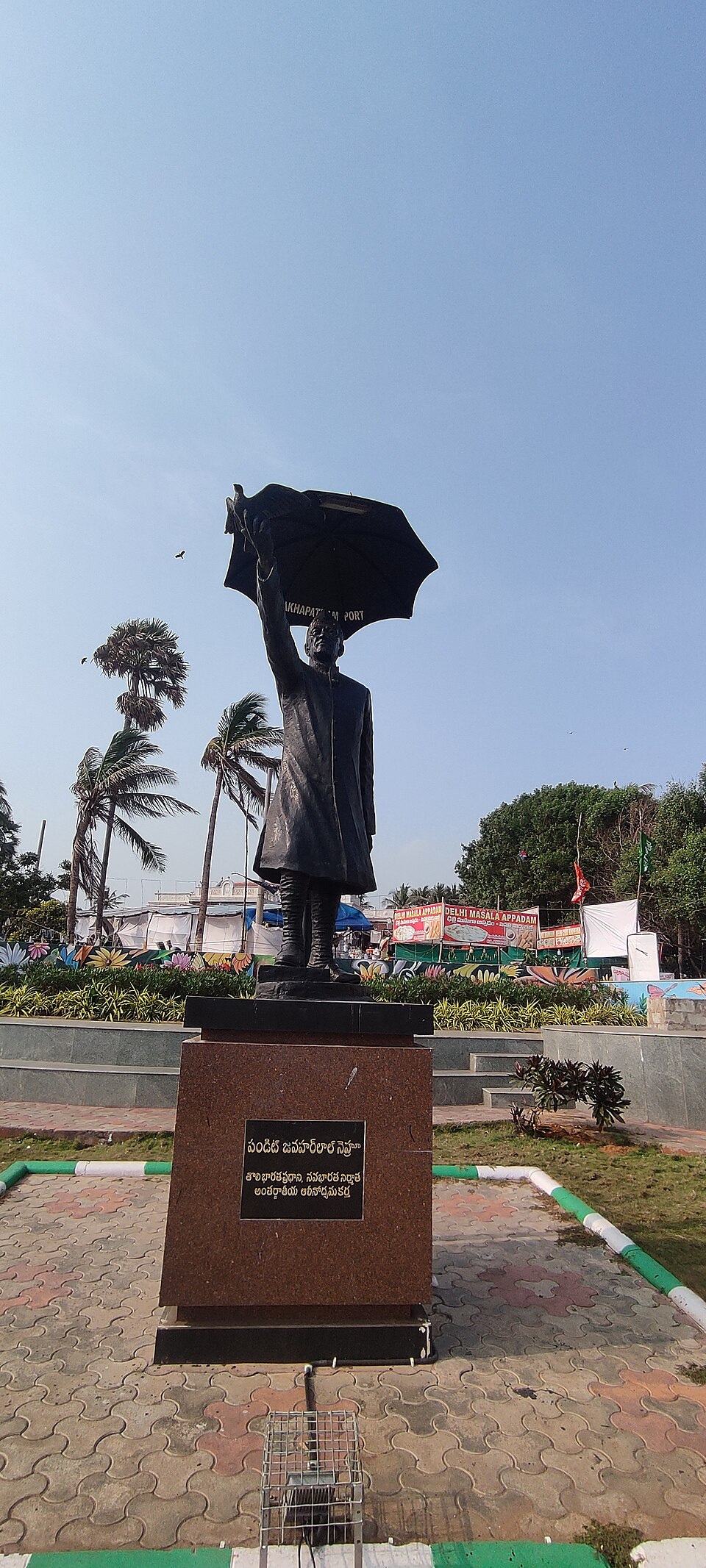
—Why did you always have a little red flower on your coat?
Ah, you noticed it! Every morning, I slipped a fresh red rose into the buttonhole of my white sherwani — that long coat buttoned up to the collar that I wore every day. This habit I inherited from my father, Motilal. When I pinned the rose on my garment, it was as if he were still near me. People around the world, from New York to Moscow, came to recognize that little red dot. You see, a simple flower can become a living memory. We keep those we love in the gestures they passed on to us.
A simple flower can become a living memory.
—What did you eat in the morning, and what did you do when you got up?
I got up early, around six, when the gardens of Teen Murti Bhavan were still fresh. I walked a little, breathed, then read several newspapers, in English and Hindi, to know what was happening in the world. My meal was simple: rice, dal — that's lentil puree —, vegetables, a little yogurt. And in the afternoon, I liked tea, a habit picked up in England when I was a student. In the evening, before nightfall, I tended my rose bushes. A man who governs a country also has the right to garden in peace.
A man who governs a country has the right to garden in peace.
—If people listened to you today, what would you want them to remember about you?
Remember this, my young friends: nothing great is built without patience. I spent nine years in prison, saw my country torn apart, knew betrayals. But I never stopped believing that a people could rise through knowledge and peace. You are young; the world to come is in your hands. Cultivate your mind as I cultivated my roses: every day, a little, with care. And never be afraid to think for yourselves, even alone against all. That is where true freedom lies — the freedom no prison can confine.
Cultivate your mind as one cultivates a garden: every day, with care.
This imaginary interview was generated by artificial intelligence from sources documented in Jawaharlal Nehru's profile. It dramatises what the figure might have said based on what we know about them, but does not constitute attested historical testimony. For primary sources and factual documentation, refer to the full profile.