Kids interview Jean Monnet
by Charactorium · Jean Monnet (1888 — 1979) · Politics · 6 min read
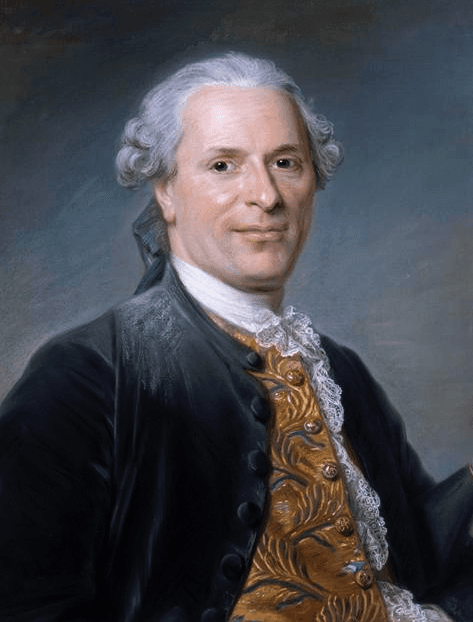
Two 5th-grade students on a field trip push open the door of an old country house in the Rambouillet forest. An elderly gentleman, dark suit and mischievous gaze, invites them to sit down. This is Jean Monnet, the man who helped reconcile France and Germany. He has agreed to tell them everything.
—How old were you when you started working for real?
You know, I didn't even get my baccalaureate. At 16, my father sent me to sell the family cognac in England, then in Canada. Imagine a boy your age, alone on a ship, crossing the ocean to offer bottles to merchants he doesn't know. I was scared, yes. But I learned the most important thing in life: listen to the other before speaking. We came from Cognac, a small town where everyone was in business. There, I was taught that a good deal is when both people walk away happy. I never forgot that lesson.
A good deal is when both people walk away happy.
—What was it like during the war, crossing the ocean all the time?
Tiring, my child, and dangerous. During World War II, I lived for a long time in Washington, D.C., in the United States. My job? Convince President Roosevelt to manufacture airplanes and trucks in huge numbers to help the Allies. It was called the Victory Program. I had no uniform, no army. Just figures, ideas, and a lot of patience. Imagine having to persuade the leader of the most powerful country in the world when no one knows you. One day, Churchill said that I alone was worth several divisions of soldiers. That touched me. Words can weigh as heavy as cannons.
—And after the war ended, what did you do first?
France was on its knees, you see. Bridges destroyed, factories shut down, trains no longer running. In 1945, I was appointed Commissioner-General of the Plan. My job was to put everything back on its feet. It was called the Monnet Plan. Imagine your house burned down: you don't rebuild just any way, you first list what matters most. That's exactly it. We chose to repair coal, steel, electricity, and railways first. With my colleagues, we wrote thick reports full of figures. It wasn't glamorous, but without it, nothing else was possible.
—What exactly is a "plan"? What does it look like?
Good question! A plan is a big roadmap for several years. You write: this is how much steel we need to produce, how many roads to build, how many power plants to construct. A modernization plan means transforming an old, damaged country into a new, solid one. Mine lasted from 1946 to 1952. I worked a lot with my fountain pen, sometimes rewriting the same page twenty times, until I found the clear sentence. Imagine having to explain a huge project in a few simple words, so that everyone understands. That's the hardest part. Clarity, you see, is already half the work.
Clarity is already half the work.
—Why did you want to pool France's and Germany's coal?
Because I wanted to prevent another war, quite simply. You know, coal and steel, in my time, are what are used to make cannons and rifles. France and Germany had already fought each other three times in less than a hundred years. So I had an idea: what if, instead of stealing these resources from each other, the two countries shared them? Imagine two brothers who always fought over the same toy. If you force them to play with it together, they can't hit each other anymore. It was a bet on peace. Pool what is used for war, so that we can no longer wage it.
Pool what is used for war, so that we can no longer wage it.
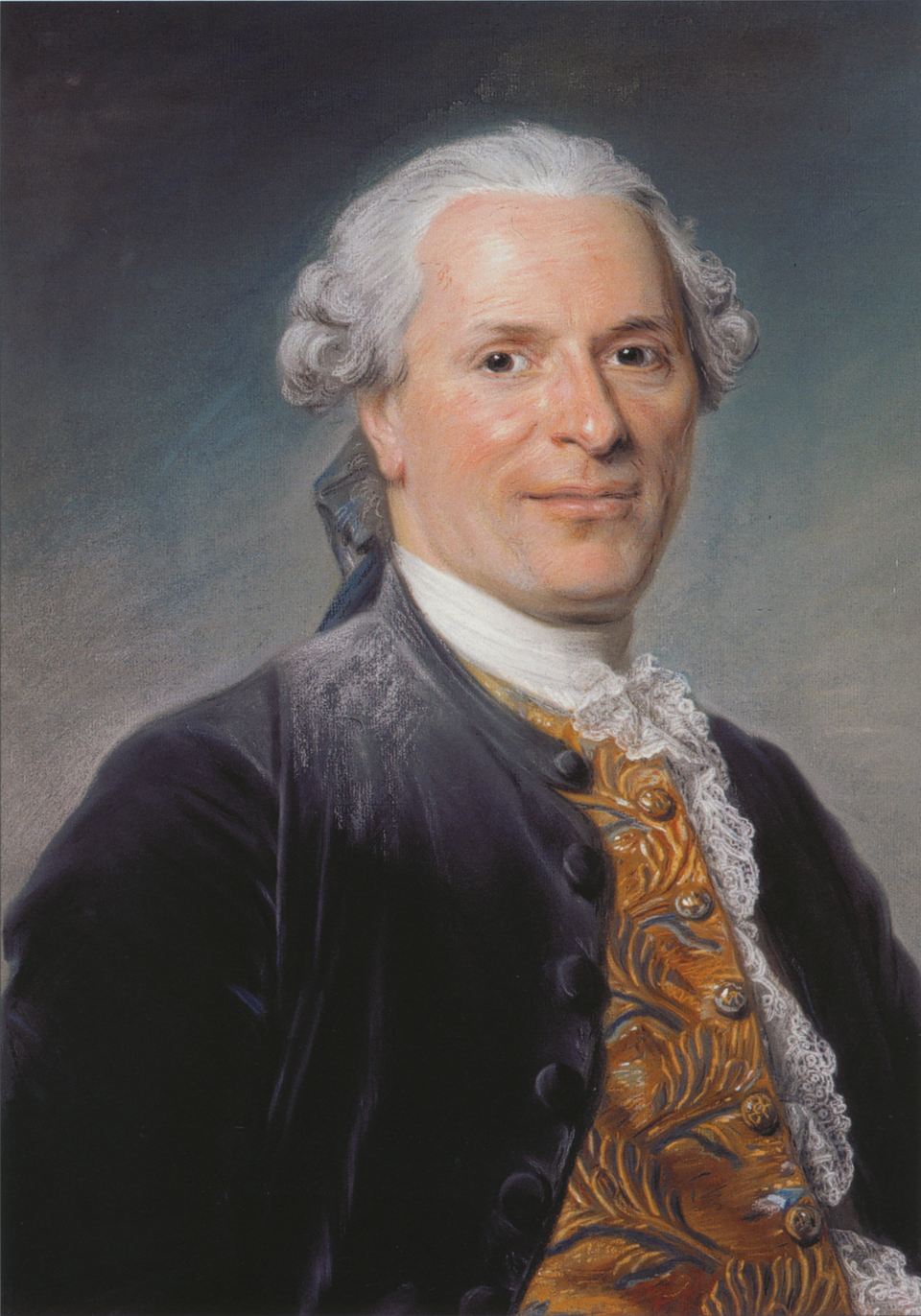
—What exactly were you the head of in Luxembourg?
I was entrusted with the High Authority, in Luxembourg, in 1952. It was the first institution of its kind in the entire history of Europe. The fancy word is supranationality: it means our decisions applied to several countries at once, above their own laws. Imagine a referee that both France and Germany accept, and whose decisions they follow. Before me, that had never existed. People called it the coal and steel pool, an English word meaning "sharing." I was its first president. Three years later, I resigned to go further: I already dreamed of uniting all of Europe.
—Is it true that you wrote a super important text in secret at night?
Absolutely! That's one of my fondest memories. In 1950, right here, in my house in Houjarray, I drafted a text with a few friends, several nights in a row, in the greatest secrecy. Imagine the lamp lit late at night, the silence of the forest around us, and us searching for the right words. In that text, I wrote this sentence that I hold dear: “Europe will not be made all at once, or according to a single plan. It will be built through concrete achievements which first create a de facto solidarity.” That means: you don't build friendship with grand speeches, but with small things done together.
—And how did you feel that it was the minister who announced it, not you?
Not at all, and I'll tell you why. On May 9, 1950, it was Minister Robert Schuman who read my text before the journalists at the Quai d'Orsay. Almost no one knew I was the author. And that was just fine! You see, I always preferred to stay in the background. Imagine a gardener who plants a seed: he doesn't need everyone to see his name on the tree, as long as the tree grows. What mattered was that the idea lived, not that I became famous. Besides, even today, Europe is celebrated on May 9. That's more than enough for me.
The gardener doesn't need his name on the tree, as long as the tree grows.
—Why did you never want to be elected, like president or deputy?
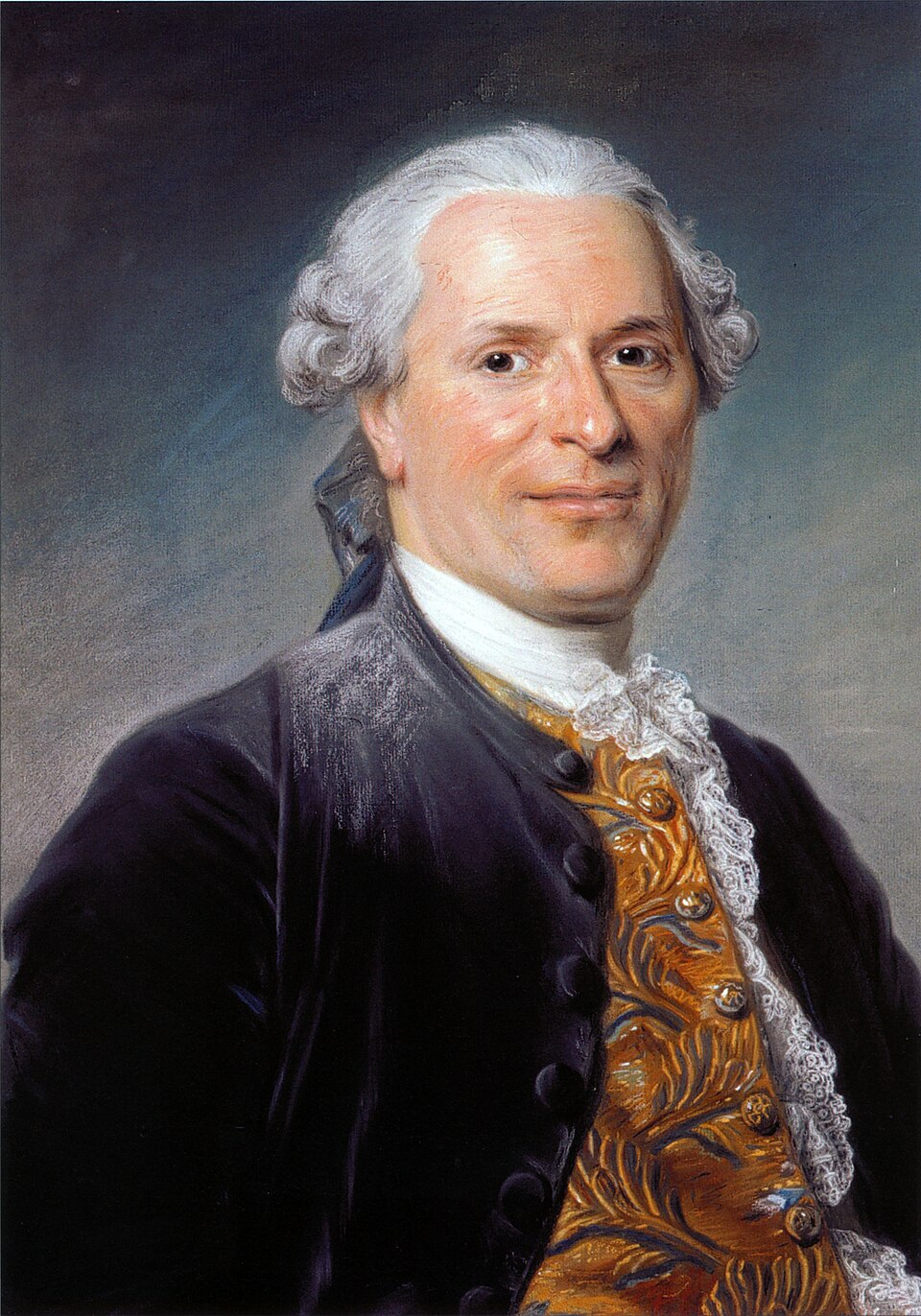
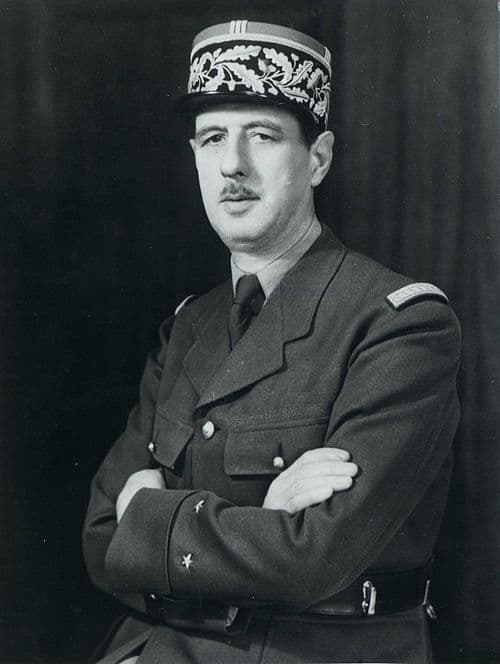
Because I believe you can do more good without a title than with one. All my life, I refused to be elected to any office. Surprising, isn't it? General De Gaulle, who didn't like me much, nevertheless said I was “the man of great combinations.” Imagine two ways of acting: the one who climbs onto the platform to be applauded, and the one who, discreetly, brings the right people around a table. I always chose the second. A title makes you visible, but it also confines you. Without a title, I could talk to everyone, on the right and on the left, in France and in Germany. My freedom was my best tool.
A title makes you visible, but it also confines you.
—But how do you convince such important people without being their boss?
With two very simple tools: my office telephone and one-on-one conversation. I didn't like big noisy meetings where everyone gives their speech. I preferred small groups, sometimes just two people face to face. In the afternoon, I would receive an industrialist, a union leader, a minister, one after the other. Imagine you want to reconcile two angry classmates: you don't do it in front of the whole class, you take each one aside, quietly. In the evening, at my house, we would dine simply and talk some more. Big decisions, you see, are almost never made in the spotlight. They are made in calm, among people who truly listen to each other.
—If you had to tell us one thing to remember, what would it be?
I'll share with you what I wrote in my Memoirs, in 1976, at the end of my life. Before the friends who helped me build Europe, I once said: “We are not forming coalitions of states, but uniting men.” Do you understand the difference? You can sign treaties between countries, but that remains cold, it can be torn up. What I wanted was for people to learn to trust each other, to know each other, to work side by side. A Frenchman and a German who repair a factory together will no longer make war. That's my secret, my child: you don't build peace with walls, but with bonds between people.
You don't build peace with walls, but with bonds between people.
This imaginary interview was generated by artificial intelligence from sources documented in Jean Monnet's profile. It dramatises what the figure might have said based on what we know about them, but does not constitute attested historical testimony. For primary sources and factual documentation, refer to the full profile.