Imaginary interview with Léon Blum
by Charactorium · Léon Blum (1872 — 1950) · Politics · 6 min read
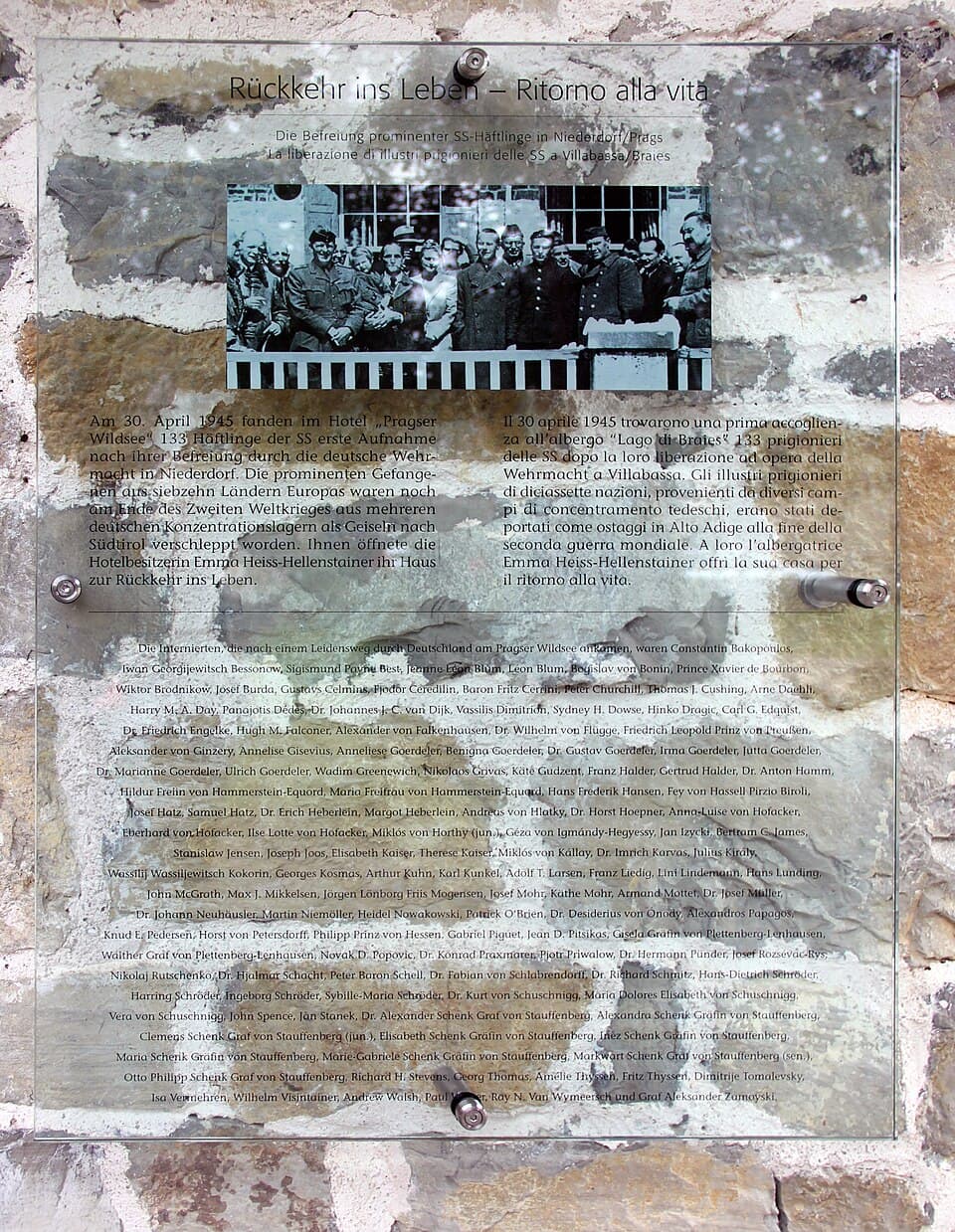
Jouy-en-Josas, a winter morning in 1949. In a country house in the Yvelines lined with books, an old man with a neatly trimmed mustache and fine glasses receives us in his bare garden. He led France, knew Buchenwald, wrote about Stendhal; he speaks low, slowly, as one rereads a page before turning it.
—December 1920, the Congress of Tours. What remains for you of that hostile hall where you chose not to follow the majority?
The Salle du Manège was packed, and the noise rose against me like a tide. The majority was heading to Moscow, to the Third Internationale; they demanded I break or be silent. I refused both. I told my comrades that we, the few of us, were staying in the old house to keep its walls standing. It wasn't nostalgia: I could already see that a discipline from abroad would stifle French workers' freedom. The SFIO that we saved that evening, I then carried it at arm's length for twenty years, at the newspaper Le Populaire whose editorial I wrote every morning. They called me a gravedigger of the revolution. I think rather I kept a door open.
We are staying in the old house to keep its walls standing.
—You then opposed democratic socialism to the Bolshevik model. How did you formulate this difference?
The debate was not theoretical: it decided the fate of men. The Russian Revolution of 1917 had electrified the entire left, and I understood that vertigo. But I had read, young, what justice was worth when entrusted to judges sure they were right — the Dreyfus Affair had trained me in that, alongside Jaurès and Zola. A dictatorship, even of the proletariat, remains a dictatorship; it suspends freedom by promising to give it back later, and that later never comes. At Tours, I said it bluntly: between two groups that separate, some must maintain the continuity of the socialist tradition. For me, socialism is first a way of envisaging relations between men, based on fraternity.
—The summer of 1936. The factories are occupied, and there you are at Matignon. What did you feel when signing those agreements?
A gravity, and a joy I forbade myself from showing. In June, at the Hôtel Matignon, bosses and unions sat at the same table, which had never been seen. Before me, the cardboard files piled up: the forty-hour week, collective bargaining agreements, and those two weeks of paid leave that still move me. I didn't invent the strike, I accompanied it into law. When I learned that special trains, at reduced fares, were carrying working-class families who had never seen the sea to the Normandy beaches, I thought the Republic had finally kept a promise. It wasn't luxury I was giving them: it was a bit of their own dignity, restored.
I was giving them a bit of their own dignity, restored.
—Your rise to power also unleashed unexpected violence against your person. How did you get through it?
With cold dignity, for lack of anything better. From my appointment as President of the Council, the far-right press, led by Je suis partout, and some at the rostrum of the Chamber like Xavier Vallat, pointed me out not as a political opponent but as a Jew in power. They reproached me less for my laws than for my name. I had been sitting at the Palais Bourbon since 1919; there I had learned that you do not answer insult with insult, lest you become like it. I governed the Popular Front knowing that hatred lurked at every misstep. Serenity, in such cases, is not a virtue of temperament: it is a weapon. I wielded it as best I could, and sometimes even my republican adversaries were grateful.
—1942, the Riom trial. Vichy accuses you of losing the war. How did you turn the accusation around?
By refusing the role assigned to me. I had been brought there to atone for a defeat; I replied that it was not I, but the republican regime itself that they were trying to judge. I told them, in essence, that the Republic had not collapsed: it had been assassinated by those very people sitting on the prosecution benches. I prepared my pleadings as I had once prepared my editorials, with the precision of a man who had always worked his briefs. The hearings became a platform, and the embarrassment grew in the court to the point that Pétain himself ordered them suspended, in April. They silenced me because I spoke too truly. That, I believe, is the only sincere compliment Vichy ever paid me.
The Republic had not collapsed: it had been assassinated.
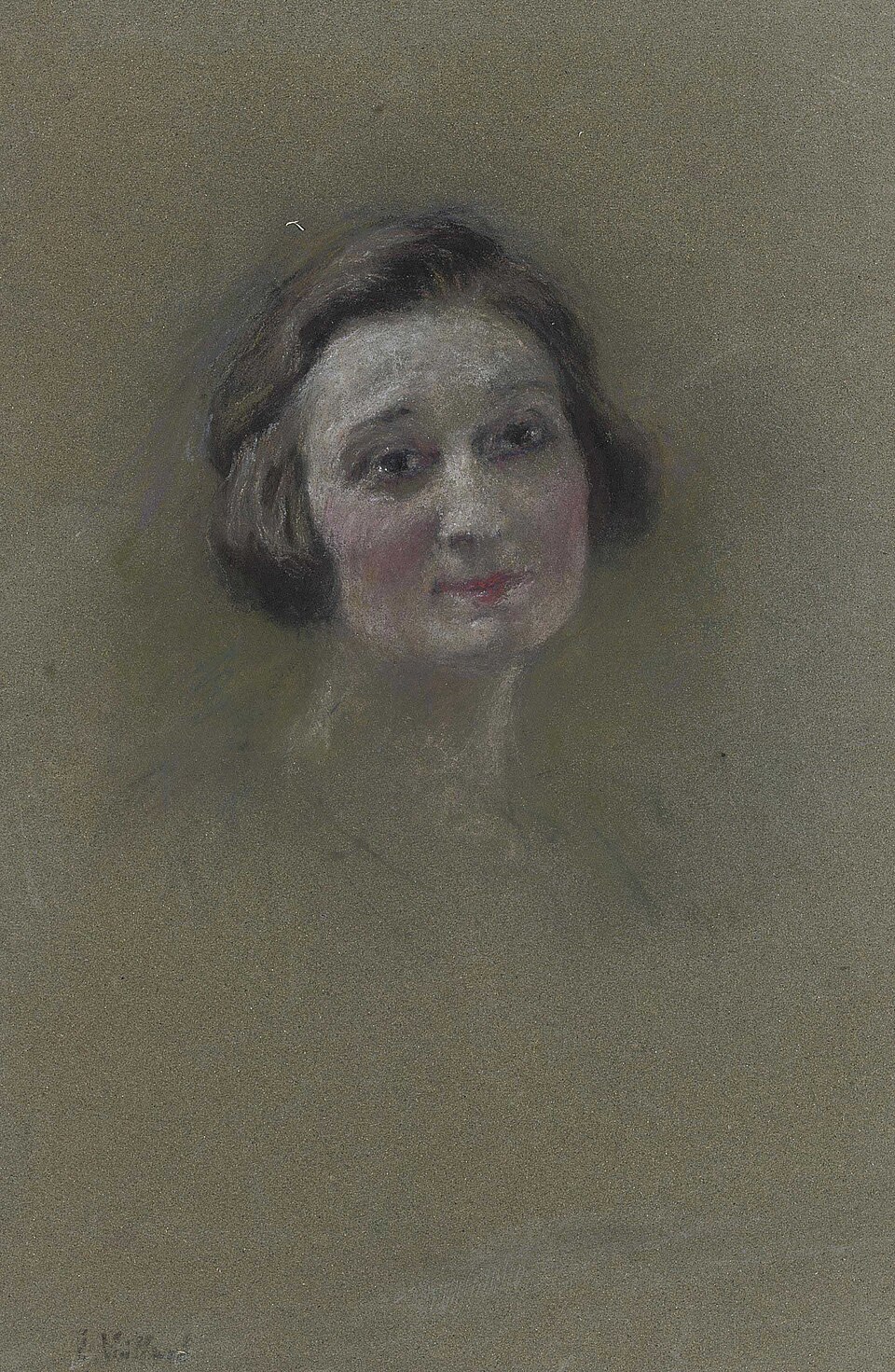
—From Riom you went to the Nazi camps. What becomes of a man of parliamentary debate at Buchenwald?
He discovers that his only weapon is henceforth to remain standing. Arrested in 1940 after refusing full powers to Pétain, I experienced prison, then deportation to Buchenwald and Dachau in 1943. There we were on the flank of barbarism, in that landscape of Weimar that had seen Goethe — I often thought of that cruel irony. I had no more platform, no more newspaper, no more Chamber; what remained was my mind, and an inner discipline that my fellow prisoners sometimes noticed. Not giving in to hatred, not letting oneself be degraded, continuing to think of the France of tomorrow: that was my resistance. A man stripped of everything still keeps the right not to despair.
—Before politics, you were a literary critic. How did that man of letters survive the statesman?
He never gave way to him. Before 1914, I wrote about Stendhal, that Stendhal and Beylism which some have been kind enough to consider a reference; I had published, young, my New Conversations of Goethe with Eckermann, an imaginary dialogue where I made the old master of Weimar speak. My days as a public man never erased my evenings as a reader: for a long time, I could not fall asleep without having read. I believe one cannot think well about the fate of men unless one has first learned to observe them in novels, where they do not lie quite so much. My library, with Stendhal and Goethe in the front rank, was not a relaxation: it was the secret workshop of all my politics.
One cannot think well about the fate of men unless one has first learned to observe them in novels.
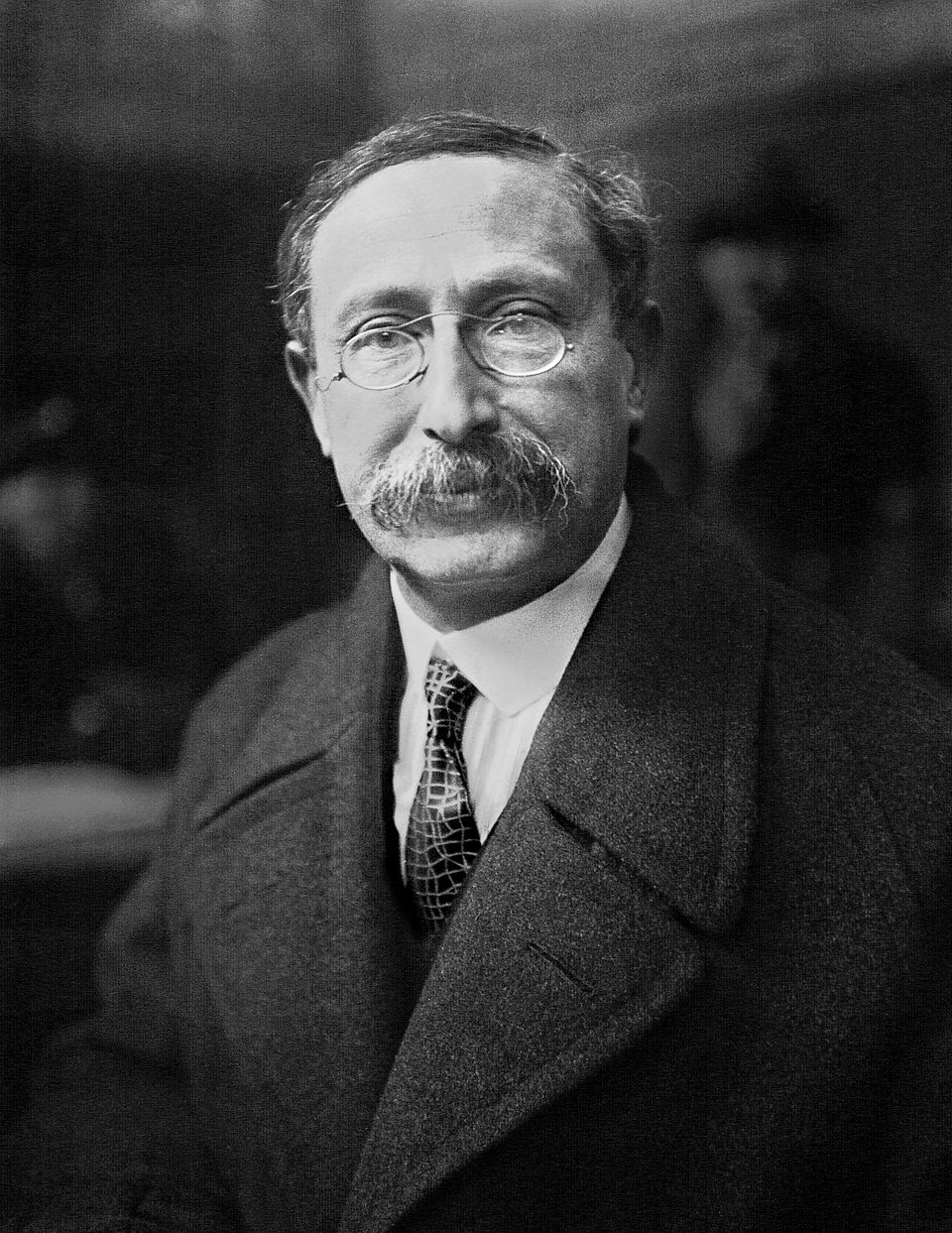
—You also wrote, in 1907, an essay on marriage that caused a scandal. Were you aware of shaking up your era?
Perfectly, and I owned it. On Marriage argued for equality within the couple and for a freedom that the bourgeoisie of the time found indecent; they cried scandal, which confirmed that I had hit the mark. I have always thought that a society is reformed not only by its social laws, but also by the way individuals bind themselves. Well before the Matignon Agreements, I was already seeking to loosen the constraints that convention placed on the weakest — and within the couple, it was often the woman. Some saw it as an aesthete's provocation. On the contrary, it was the same demand for justice that would lead me, thirty years later, to sign the laws of the Popular Front.
—In the camps, you wrote À l'échelle humaine (Man's Scale). What did you want to leave there?
A testament, and a warning. I wrote those pages in captivity, between 1941 and 1945, without a library or archives, with only my memory as material. I stated my firmest conviction: democracy is the governance of the people by themselves, with their enlightened consent, but it does not survive if economic inequality is too glaring for political freedom to retain real meaning. The barbarism around me was not an accident: it was born from misery and humiliation left to themselves. If I could imagine being read in a century, I would want this to be remembered: freedom without justice is a lie, and justice without freedom is a prison.
Freedom without justice is a lie, and justice without freedom is a prison.
—You got married in the midst of deportation, in 1943. What did that gesture represent, in the heart of hell?
A silent victory over those who wanted to reduce us to numbers. I married Jeanne, my companion, in a sober ceremony, with the permission of our jailers — a strange concession of barbarism to a bit of humanity. In the midst of organized death, saying yes to the life of another being was to affirm that not everything belonged to them. I was then writing À l'échelle humaine, and this marriage was like its most intimate note: proof that a man stripped of his freedom can still choose to love. When I returned in 1945, liberated in Tyrol, I understood that these two gestures — writing and marrying in the camps — had kept me standing more surely than hope.
This imaginary interview was generated by artificial intelligence from sources documented in Léon Blum's profile. It dramatises what the figure might have said based on what we know about them, but does not constitute attested historical testimony. For primary sources and factual documentation, refer to the full profile.