Kids interview Léon Blum
by Charactorium · Léon Blum (1872 — 1950) · Politics · 5 min read
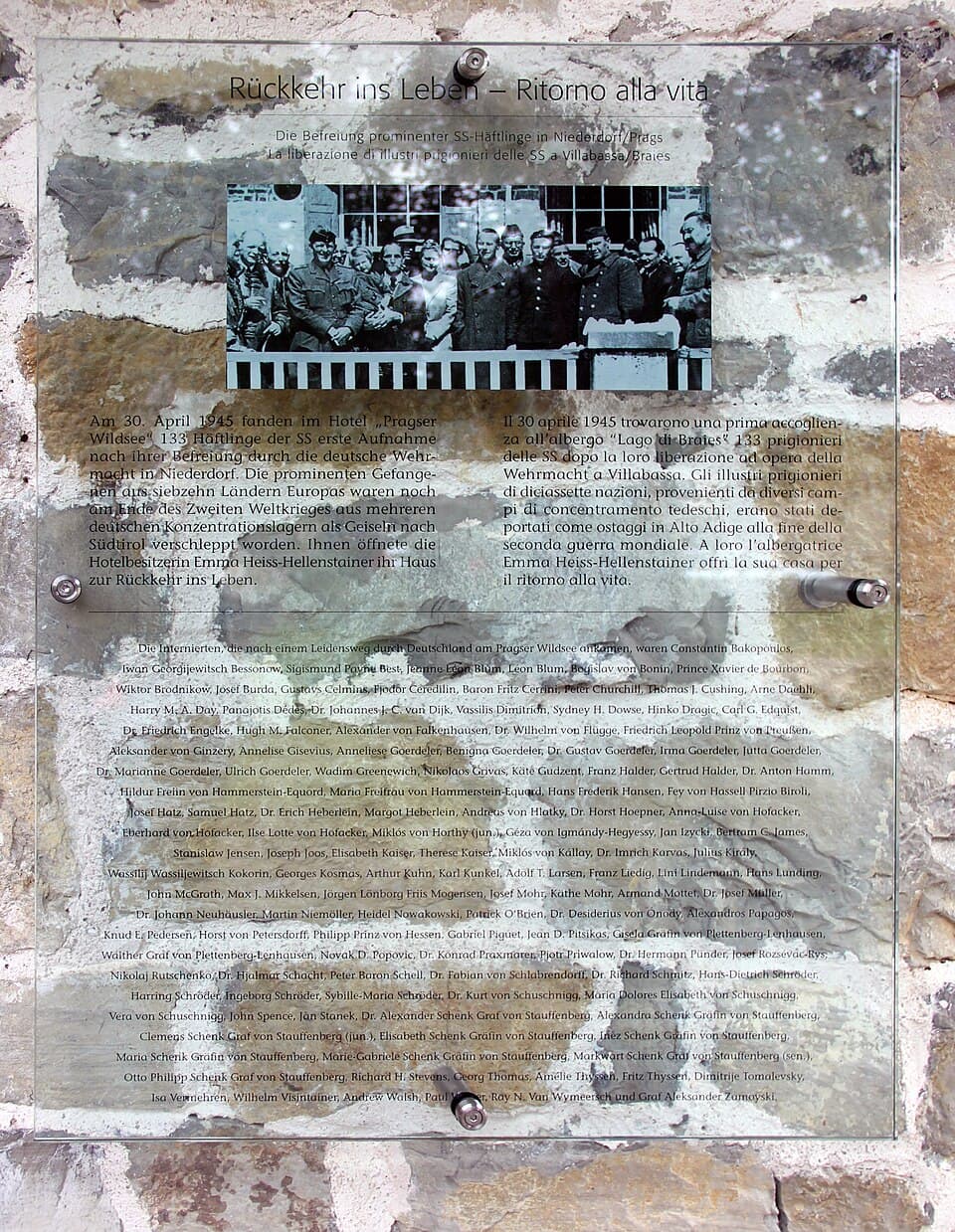
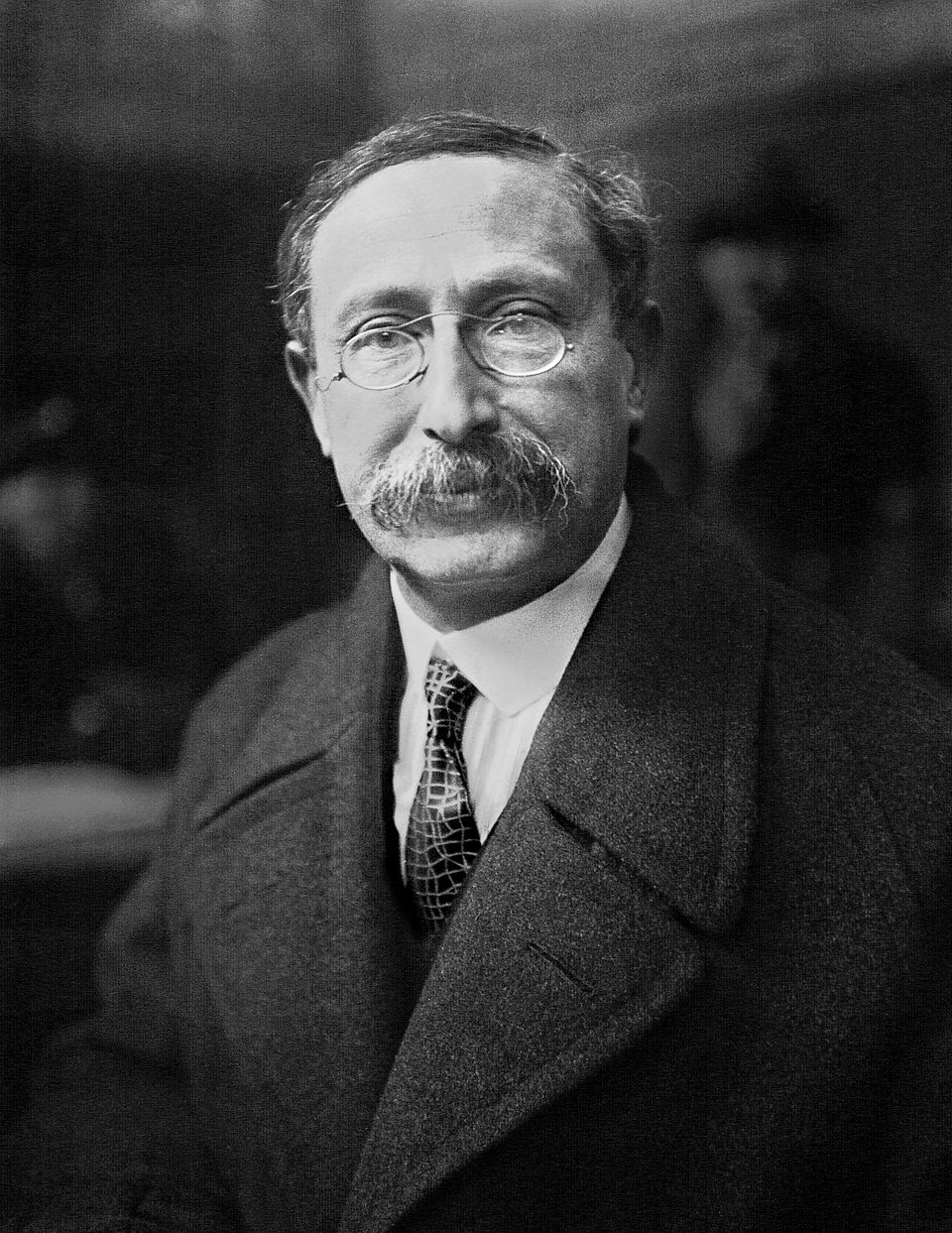
Two middle-school students, on a field trip, pushed open the door of an old house surrounded by books. A man with thin glasses awaited them, with a gentle smile. His name is Léon Blum, and he agreed to answer all their questions.
—Before politics, what was your daily life like?
You know, my child, before being a politician, I was above all a great reader. Imagine an apartment filled with books, from floor to ceiling. I would read Stendhal and Goethe for hours, in the evening, by lamplight. I even wrote an entire study on Stendhal, Stendhal et le beylisme, in 1914. People found it amusing: a literary critic who ends up head of government! But for me, it was simple. Reading is learning to understand others. And understanding others, you see, is already doing politics without knowing it.
—Did you really write all your texts yourself?
Oh yes, all by myself! I had a typewriter, a Remington, and I typed my articles on it. Every morning, I read the newspapers, then I wrote my own text for Le Populaire, the socialist newspaper. No one did it for me. Imagine the sound of keys clacking, very early, before the city even woke up. I wrote like that all my life. And even later, locked far from home, I continued to write a whole book. Ideas, my child, you cannot imprison them.
—What is this story of the "old house" that our books talk about?
Ah, the old house! It was in December 1920, in Tours, in a large hall full of people. Our socialist family was tearing itself in two. Many wanted to leave, to follow the revolution from Russia. I wanted to stay faithful to our old tradition, that of my teacher Jaurès. Facing a hall that was almost booing me, I said these words: "Nous restons dans la vieille maison." Imagine a family home, a bit worn, but where you grew up. You don't abandon it like that. It remained my way of doing things: with patience, never with violence.
Nous restons dans la vieille maison.
—Were you afraid, all alone in front of a hall shouting against you?
I won't lie to you: it's never pleasant. The Salle du Manège, in Tours, rumbled beneath my feet. Most people disagreed with me. But you know, when you truly believe in something, fear takes a back seat. I thought about what mattered: not betraying the idea I had defended since my youth. Socialism, for me, was not the dictatorship of one. It was freedom AND justice together. So I spoke calmly, without shouting louder than them. Sometimes, the quietest voice is the one remembered longest.
—Is it true that thanks to you, families went to the sea for the first time?
Yes, and it is one of my fondest memories! In June 1936, we signed the Matignon Agreements. Among the new rules: two weeks of paid vacation for all workers. Before, a worker never stopped, not a single day. Imagine: working all year without rest. So we chartered special trains, at reduced prices, to the beaches of Normandy and Brittany. Entire families saw the sea for the first time in their lives. Children like you ran on the sand. That, you see, was worth all the political battles.
Entire families saw the sea for the first time in their lives.
—What really changed for the workers, besides the vacations?
Many things, my child! Before, people often worked 48 hours a week, sometimes more. We passed a law for the 40-hour week. That meant going home earlier, watching your children grow, resting a bit. We also gave workers the right to form unions, to defend their rights together. Imagine a factory where before, no one dared to complain. Suddenly, people lifted their heads. These are not just laws on paper. It is dignity restored to millions of people who worked in the shadows.
—Were you really insulted just because you were Jewish?
Yes, and it was painful. When I became head of government in 1936, some newspapers and politicians attacked me very violently because of my Jewish origins. Right at the podium of the Chamber, a man named Xavier Vallat did it in front of everyone. Can you imagine the wound? But I chose not to respond with hatred. I remained dignified, calm, almost cold. Because answering insult with insult is already giving them reason. I wanted to show that a man unjustly attacked can remain standing. Dignity, you see, is a silent weapon.
Dignity is a silent weapon.
—Were you already fighting for justice when you were young?
Yes! I was still a young man of letters when the Dreyfus Affair broke out in 1894. An officer, Captain Dreyfus, had been unjustly condemned, partly because he was Jewish. With my teacher Jaurès and the writer Zola, I committed myself to restoring the truth. We were called "Dreyfusards." It was dangerous, it divided families and even friends. But how could one remain silent before such an injustice? That affair shaped me for life. It taught me that defending a single man unjustly accused is defending the entire Republic.
—Is it true that you were put on trial and you turned it against them?
Yes, and it is a story I am proud of. In 1942, the Vichy government, which collaborated with the occupier, put me on trial in Riom. I was accused of being responsible for France's defeat. But instead of defending myself, I accused in turn. I said that it was not I, but the Republic itself that was being judged. My words were so embarrassing for them that Marshal Pétain had to stop the trial! Imagine: they wanted to silence me, and I silenced the judges. Words, sometimes, are stronger than bars.
Words, sometimes, are stronger than bars.
—And after that trial, what happened to you?
They deported me, my child, to camps in Germany: Buchenwald, then Dachau. They were terrible places, made to break people. But even there, I refused to be crushed. In 1943, I married my partner, Jeanne, in the camp itself, with a very simple ceremony. A wedding in the midst of barbarity, like a small flame in the night. And I also wrote a book, À l'échelle humaine, about the future of democracy. You see, they can imprison the body, but not hope. To resist is to continue loving and thinking, despite everything.
—If we remember one thing about you, what would it be?
What a beautiful question! I would like us to remember this: you can change people's lives without giving up gentleness. I never liked violence or hatred. I preferred just laws, books, patient dialogue. When you go on vacation with your family, remember that once this right did not exist. People fought for it, calmly, with ideas. My last book is called À l'échelle humaine: that is how we must build the world, on a human scale, never by crushing the weakest. That is what I leave you, you and your comrades.
This imaginary interview was generated by artificial intelligence from sources documented in Léon Blum's profile. It dramatises what the figure might have said based on what we know about them, but does not constitute attested historical testimony. For primary sources and factual documentation, refer to the full profile.