Kids interview Louis XVI
by Charactorium · Louis XVI (1754 — 1793) · Politics · 5 min read
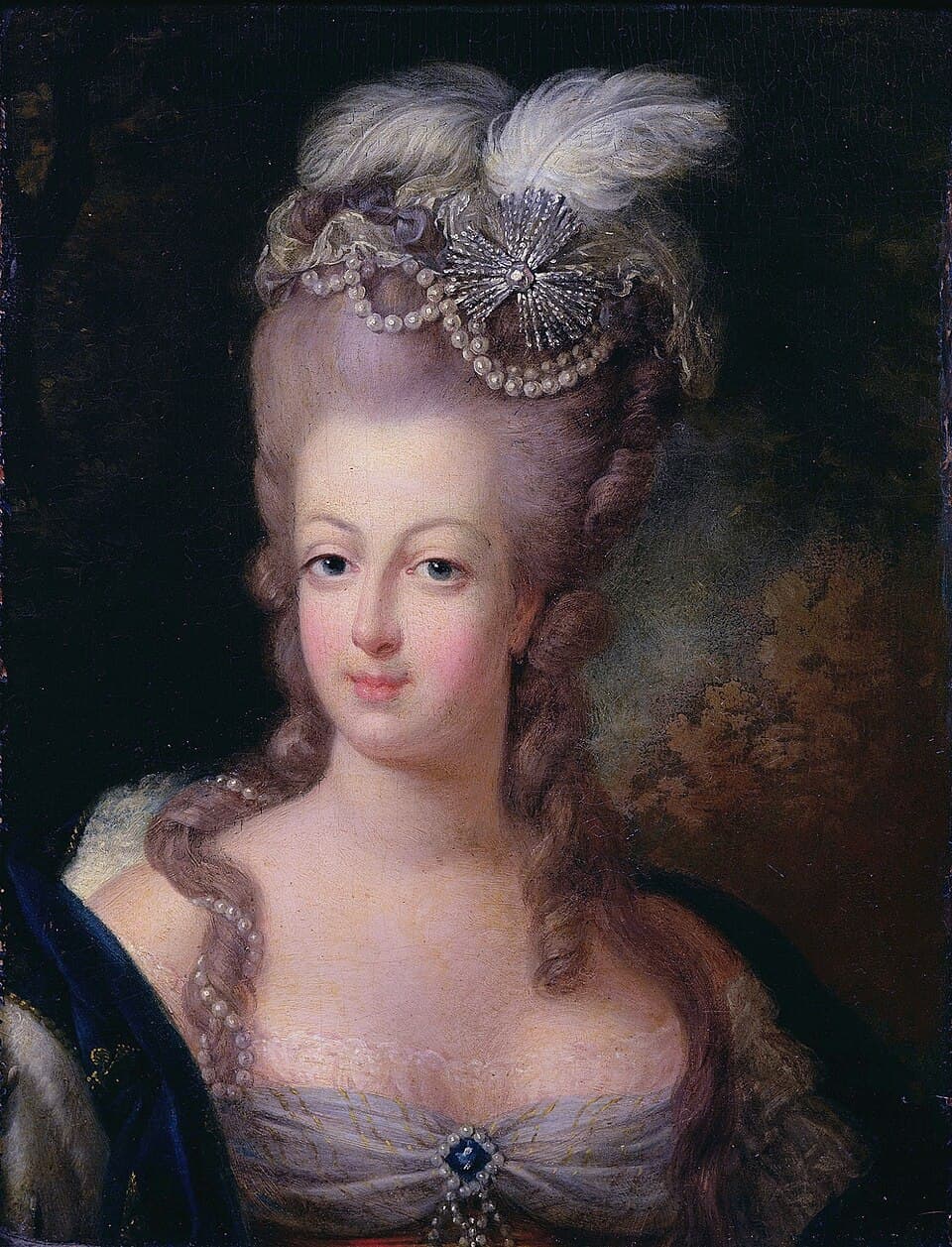
That morning, two fifth-graders on a discovery trip push open a heavy door at the Palace of Versailles. A somewhat plump man with a gentle expression waits near a workbench covered in tools. It is Louis XVI. He sets down his file, smiles at them, and invites them to sit down to answer all their questions.
—We saw tools on your table. Does a king really tinker?
You have a sharp eye, my child! Yes, this is my workshop. Here I make and repair locks. Imagine: the whole palace watches me from morning till night; they even watch me get dressed. It's suffocating. So I come here with my locksmith friend Gamain. I file, I twist metal, I assemble mechanisms. My hands work and my mind finally rests. A lock is honest: either the key turns, or it doesn't. No one lies to you. My courtiers found it strange, a king who loves manual work. For me, it was my true moment of peace in the day.
A lock is honest: either the key turns, or it doesn't.
—And the rest of the day, what did you do for fun?
I got up before dawn and headed off to hunt: that was my great passion. Galloping through the forests, feeling the cold morning air, forgetting the court for a moment. In the afternoon, I read reports, saw my ministers, then returned to my workbench. In the evening, Marie Antoinette organized concerts and games. I'll tell you a secret: I didn't really enjoy it. I preferred to go to bed early, with my family, in peace. While she stayed up until dawn, I was already asleep. We were very different, she and I.
—How old were you when you became king? Were you afraid?
I was nineteen, barely older than an older brother to you. My grandfather had just died in 1774, and suddenly a whole kingdom rested on my shoulders. Believe me, it makes you tremble. The first thing I dared was a strange decision: to be inoculated against smallpox. That meant putting a little of the disease into your body to protect yourself. At the time, many cried that it was dangerous, almost insane. But I believed in it. By doing it myself, the king, I set an example, and the practice spread. A king must sometimes dare to be first.
A king must sometimes dare to be first.
—Is it true that you loved science and explorers?
Very much! I adored astronomy and geography. I spent evenings bent over world maps. In 1785, I helped prepare a great voyage: the expedition of La Pérouse, which was to sail around the globe to discover distant lands. I chose the equipment, studied the routes, as if I were going myself. Imagine two ships sailing off into the unknown, with no news for years. That expedition disappeared, and no one knew what became of them. Even in my worst moments, I still worried about those lost sailors.
—They say you wanted to change things. Did you succeed?
I tried, my child, sincerely. In 1787, I signed a text called the Edict of Toleration. Before it, the Protestants — Christians who did not pray like the majority — had almost no recognized rights: no marriage, no official existence. My edict finally gave them civil status, a legal place. You see, I believed in more justice among people. The misfortune was that the state was desperately short of money, and many nobles refused to pay. I wanted to reform gently, but the kingdom was cracking everywhere. Wanting good is not always enough.
Wanting good is not always enough.
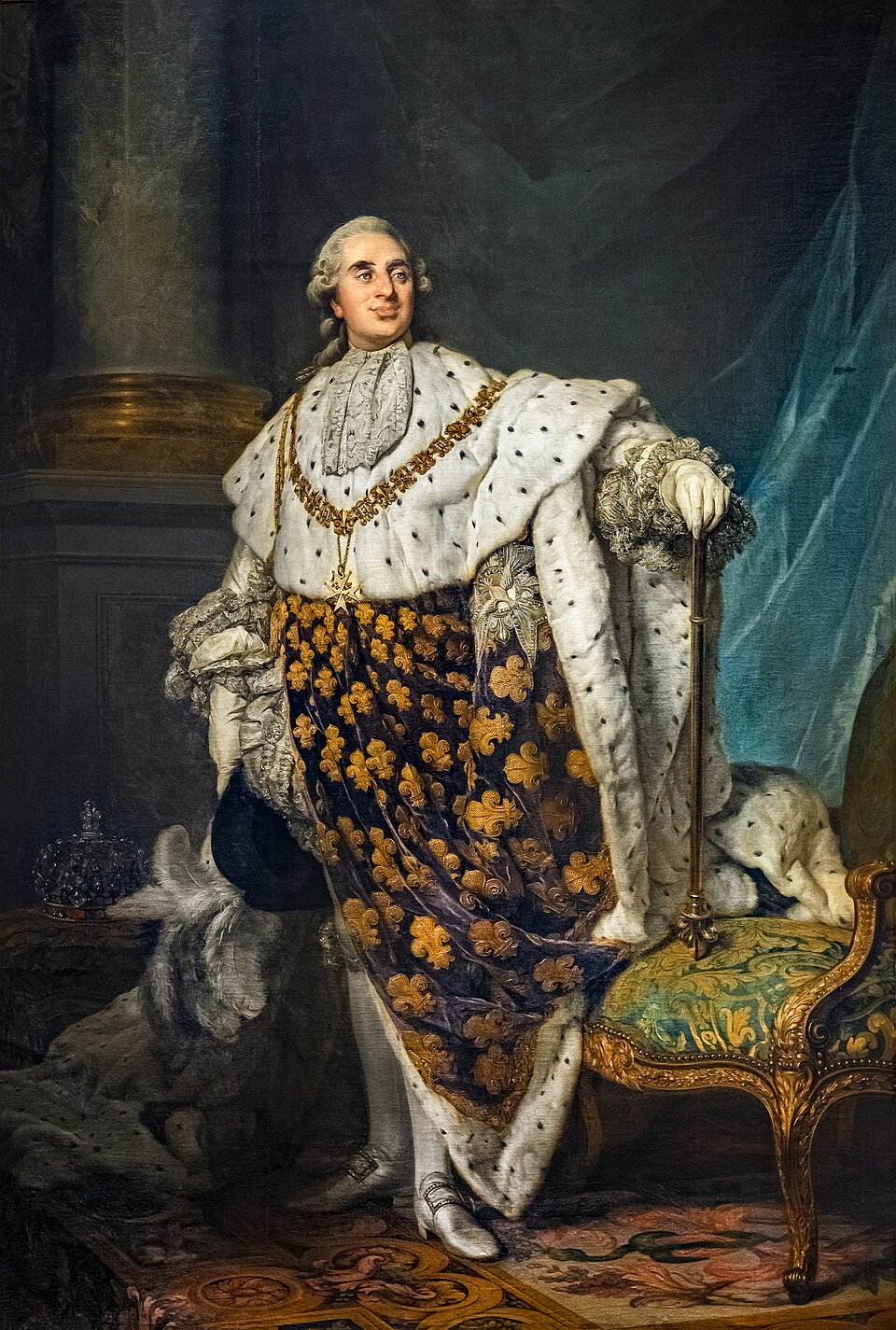
—On the day of the storming of the Bastille, you wrote just 'Nothing.' Why?
Ah, that word still follows me. On July 14, 1789, in my little notebook, I wrote that single word: 'Nothing.' But careful, you may be mistaken about its meaning. That notebook was my hunting diary. 'Nothing' meant: I caught no game that day. I was not talking about the Bastille! The tragedy is precisely that: while Paris was rising up, I was noting my hunt. That little word shows how out of touch I was with events. The world was turning upside down, and I was looking elsewhere.
The world was turning upside down, and I was looking elsewhere.
—What were those 'Estates-General' that everyone was waiting for?
The kingdom was ruined, I no longer knew how to pay its debts. So in 1789, I convened the Estates-General. It was a great assembly where the three groups of the kingdom met: the clergy, the nobility, and everyone else. They had not met since 1614 — almost two centuries! I hoped that together we would find money and solutions. But in opening that door, I unleashed a force I could no longer stop. The people wanted much more than taxes: they wanted to change the entire kingdom. Without meaning to, I had lit the Revolution.
Without meaning to, I had lit the Revolution.
—They say you fled disguised. How did that happen?
It was one of my craziest nights. In June 1791, my family and I left Paris in secret, disguised as simple servants, hidden in a large closed carriage called a berline. We wanted to join loyalists far from the city. But that berline was heavy, slow, too luxurious for servants. At Varennes, a postmaster named Drouet stared at me. He had seen my portrait on a banknote, the assignat. He recognized me! We were arrested and brought back to Paris under escort. That evening, I understood that my people no longer trusted me.
A carriage too beautiful for servants: that is what betrayed me.
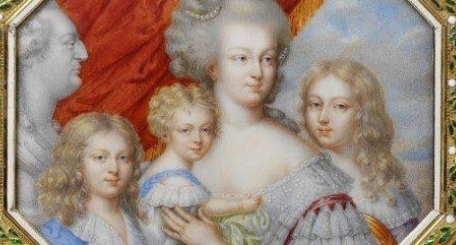
—Were you afraid during the flight? What were you thinking in the carriage?
Yes, I was afraid, but not only for myself. Imagine: you ride all night, in the dark, to the slow sound of horses' hooves on the road. Not a single engine, just the creaking of wheels. At each relay post, my heart races: will we be recognized? My children slept near me. I kept silent, my face hidden. I told myself that by morning we would be free and safe. But that berline moved too slowly. Each lost hour brought us closer to danger. When Drouet looked at me in Varennes, I knew it was all over.
—In the end, they put you on trial. What was it like, alone before them?
Difficult, my child, very difficult. In December 1792, I was tried before the Convention, the assembly that then governed France. They no longer even called me 'king,' but 'Louis Capet,' like an ordinary man. I refused that name. Alone, without a crown, I spoke calmly to defend myself. I said: 'I am innocent of everything I am accused of.' I denied ever wishing harm to my people. You know, it is strange to have to prove that you have an honest heart. I kept my composure to the end, even knowing what awaited me.
It is strange to have to prove that you have an honest heart.
—Before dying, did you resent those who condemned you?
That is the most beautiful question you could ask me. Locked in the Temple Tower, an old stone prison, I wrote my will. I could have poured out my anger there. But no. I wrote that I forgave, from the bottom of my heart, those who had made themselves my enemies. My faith kept me standing. A priest, Abbé Edgeworth, stayed near me to pray. You see, you can lose everything — your throne, your freedom, soon your life — and still choose not to hate. That is perhaps the only thing you truly keep to yourself: the way you leave this world.
You can lose everything, and still choose not to hate.
Read further
This imaginary interview was generated by artificial intelligence from sources documented in Louis XVI's profile. It dramatises what the figure might have said based on what we know about them, but does not constitute attested historical testimony. For primary sources and factual documentation, refer to the full profile.