Imaginary interview with Louis XVI
by Charactorium · Louis XVI (1754 — 1793) · Politics · 6 min read
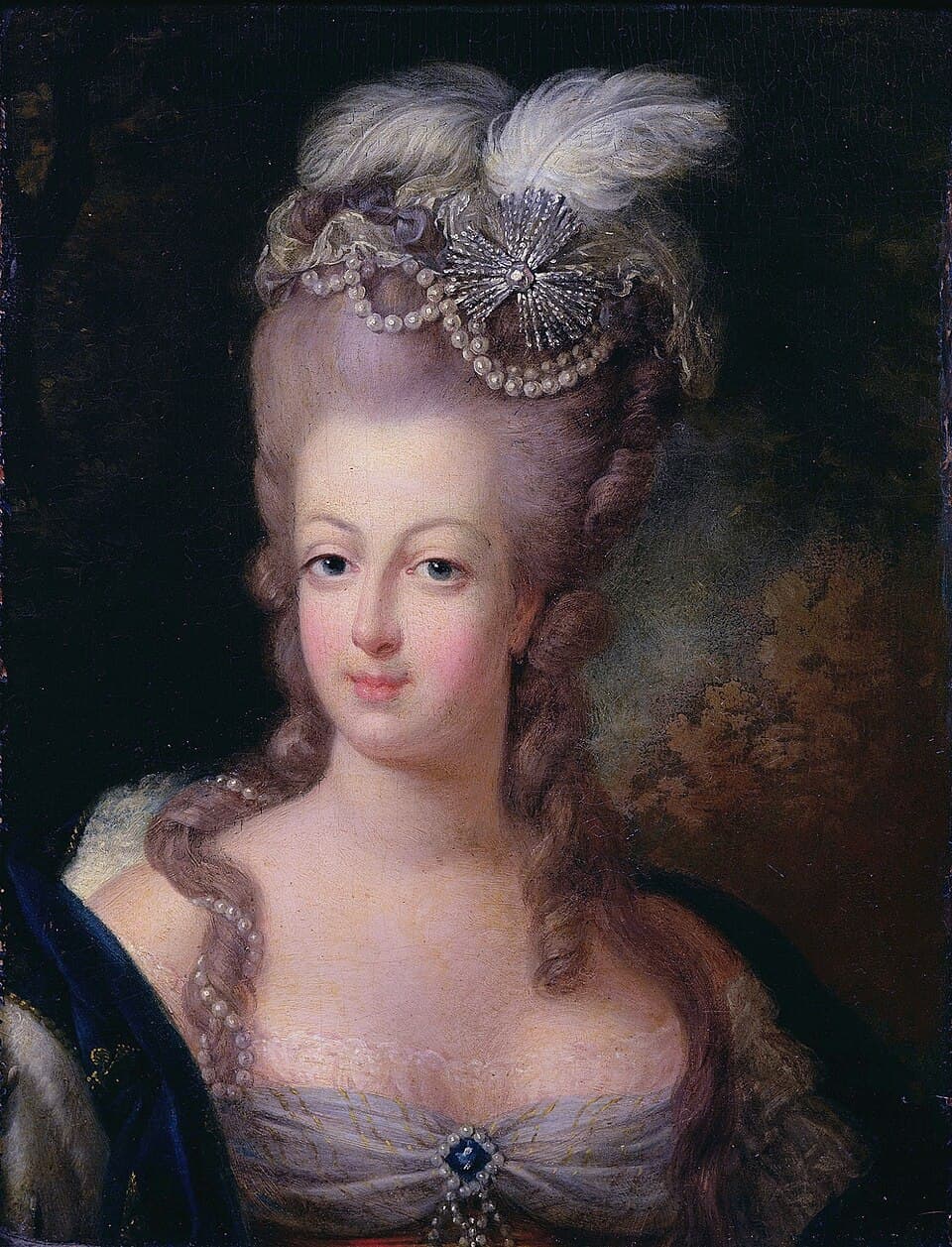
Winter 1792. In the damp gloom of the Temple Tower, a man in grey receives his visitor by candlelight, surrounded by a pile of geography books. A deposed king, a citizen without a crown, he agrees to answer, his voice calm, as if taking stock of a day before nightfall.
—You are described bent over a workbench rather than a throne. How did you come to locksmithing?
You must understand that a man born at the Palace of Versailles is never alone for an hour. The king's rising, my toilet, my dressing: all took place under the eyes of a hundred courtiers, according to a protocol my grandfather Louis XIV had regulated like a clock. So in the afternoon, I would go up to my workshop, under the eaves, with Gamain. There, metal does not flatter, does not lie. A lock either holds or it does not. Filing a bolt, adjusting a spring, feeling the mechanism click into place: that is the only task where my work depended on my hands alone, not on the mood of an assembly. They mocked this taste, they wanted me more artisan than monarch. I never understood why a king should be ashamed to know how a door closes.
Metal does not flatter, does not lie. A lock either holds or it does not.
—Your reign began with bold gestures. Why did you have yourself inoculated as early as 1774?
I was nineteen, my grandfather Louis XV had just died of smallpox, and the Court trembled that the disease might also carry off the new king. Inoculation was then considered a temerity of freethinkers; doctors quarreled, the devout saw it as defying Providence. I wanted it done. Not out of bravado: because the enlightened men of this century deemed it reasonable, and a prince must dare what he recommends to his people. Later I granted the Edict of Toleration, gave civil status to Protestants and Jews; I armed our ships for the American insurgents. They paint me as a king braced against his time. I believe rather that I wanted, on many points, to walk with it.
—You personally organized the Lapérouse expedition. What did it represent to you?
I prepared this voyage myself, map on the table, like a captain preparing his crossing. Lapérouse was to circumnavigate the globe, chart coasts, bring back unknown plants and languages — a conquest without an army, through science alone. I loved astronomy, geography; I owned telescopes through which I followed the heavens better than the intrigues of my Council. They say that on the morning of the last day, among the worries a man may have, I asked if there was news of his ships. That is true. Two frigates lost somewhere in the South Seas seemed to me, that morning, worthy of a thought as much as my own fate. A king may die; a lost expedition is knowledge that drowns.
A king may die; a lost expedition is knowledge that drowns.
—That word from your journal, July 14, 1789, is often cited: “Nothing.” What should we understand by it?
I wrote that word, and it will haunt me more than my edicts. But you must know what that journal was: a hunting register, where I noted the game taken or missed. That July 14, I had shot nothing; hence, “Nothing.” That the Bastille fell a few leagues away, my notebook knew nothing of it, and I myself did not measure its magnitude until nightfall. Some saw it as the blindness of a king. I see it above all as the disconnect of a man who had convened the Estates-General to repair the kingdom's finances, and who discovered, day after day, that he had opened a door whose key no one held anymore. I, who knew locks so well, had forced that one without meaning to.
I had opened a door whose key no one held anymore.
—The dismissal of Necker, three days earlier, set the powder keg alight. Do you regret it?
I was pressed on all sides. On July 11, 1789, I dismissed my controller of finances, believing that a firmer government would calm the effervescence of Paris. I had not anticipated that the news, spreading through the streets, would set the city ablaze in two days. That is my flaw, if I must name one: I deliberated slowly, I weighed, I backtracked, while events galloped. Calonne had already shown me the abyss of our accounts; the privileged blocked any tax reform; and I, between the hammer of the Court and the anvil of the people, sought a measure that no one wanted. Dismissing Necker was perhaps a mistake. But I ask you: who, in my place, would have found the right door in a house already burning from all four corners?
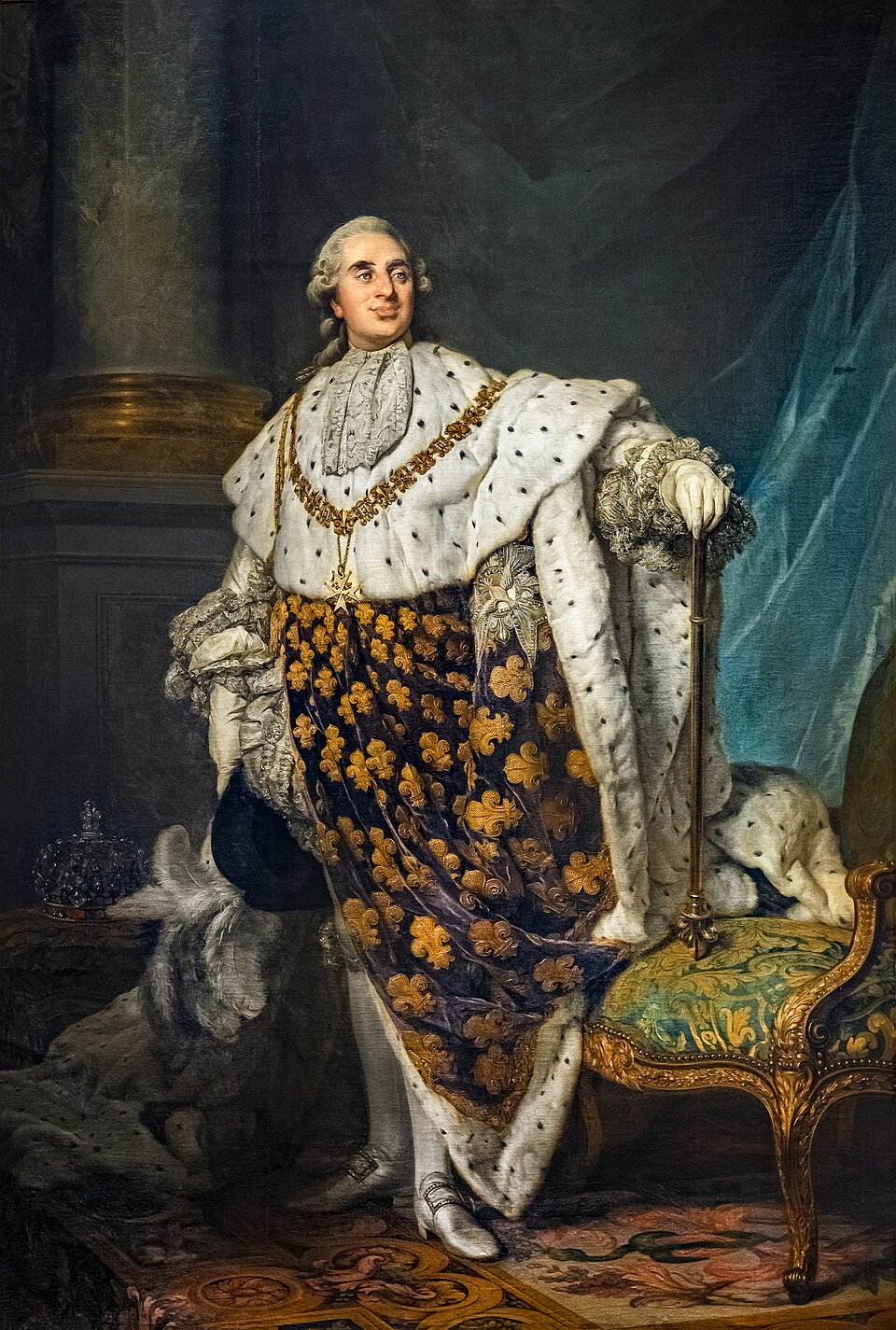
—Do you remember the night of June 20, 1791, when you left Paris?
We left the Tuileries at night, disguised as servants, I as a valet, in a large berline that I had wanted comfortable for my family. That was our mistake: too large, too slow, too laden, it advanced like a wedding convoy when we should have fled. At Varennes, the postmaster Drouet thought he recognized me; he had before his eyes my portrait engraved on an assignat, that paper money on which my face had been placed. Consider the irony: my own effigy, struck to save the kingdom's finances, served to stop me. We were escorted back to Paris, in a silence worse than jeers. That day, I believe, I ceased to be a king in the eyes of my people.
My own effigy, struck to save the finances, served to stop me.
—Did that flight seem to you, at the time, an abandonment of your duty?
I was not fleeing France; I was fleeing a gentle captivity that made me a prisoner in my own capital. At the Tuileries, ever since the women of Paris had brought us back from Versailles in October '89, I signed laws under pressure from the street and was told I was free. I wanted to reach a stronghold in the East, find loyal troops, and negotiate from a place where my word carried weight. Was that desertion? I weighed it at length, as I do everything. But a king under duress does not commit the nation: that is what I told myself as I climbed into that berline. Varennes answered for me. After it, no one believed that my consent was worth more than my coerced signature.
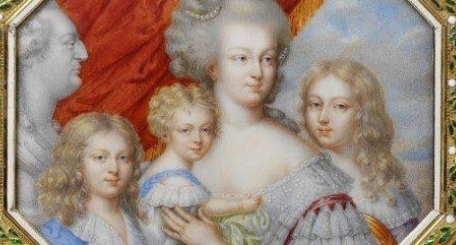
—In September 1791, you nevertheless accepted a Constitution. What kind of king did you become then?
On September 14, 1791, I swore: “I accept the Constitution; I undertake to maintain it within, to defend it against attacks from without, and to enforce its laws.” I became King of the French, no longer King of France and Navarre — the nuance contains an entire world. Power no longer came to me only from above, through the consecration, but from a written text that men had voted. Some have said my acceptance was coerced, and it is true that Varennes weighed on my pen. Yet I wanted to believe that a constitutional monarchy could hold, that one could limit the king without destroying him. Misfortune would have it that neither my own nor my adversaries believed in it with me.
—Before the Convention, in December, they called you “Louis Capet.” What did you wish to defend at your trial?
First they stripped me of my name. Capet: a surname they attached to me to make me a citizen like any other, subject to ordinary laws, since they had abolished my inviolability. Before the National Convention, I spoke alone, without losing my temper. I said what was: “I am innocent of everything I am accused of. I have never feared that my conduct be publicly examined; I have always acted according to the laws.” I denied having ordered the shedding of my people's blood. Let them judge me, so be it; but let them not make me a monster when I had sought, even clumsily, only their happiness. I already knew my fate was sealed. What remained was not to tremble.
—You wrote a testament in this tower. What peace did you hope to put into it?
I wrote it here, in this Temple Tower, on December 25, 1792, separated from my family, with only a priest and my prayers for company. I die, I said, in the Catholic, Apostolic, and Roman religion, that of my fathers; and I forgive with all my heart those who have made themselves my enemies, without my having given them any cause. That cost me less than one might think. Hatred is a burden, and I did not wish to carry it on the little road left to me. When they come to lead me to the Place de la Révolution, I would like to walk there as a man who has made peace with his God, if not with his century. The divine right for which they reproached me, I return to the one from whom I held it.
Hatred is a burden, and I did not wish to carry it on the little road left to me.
Read further
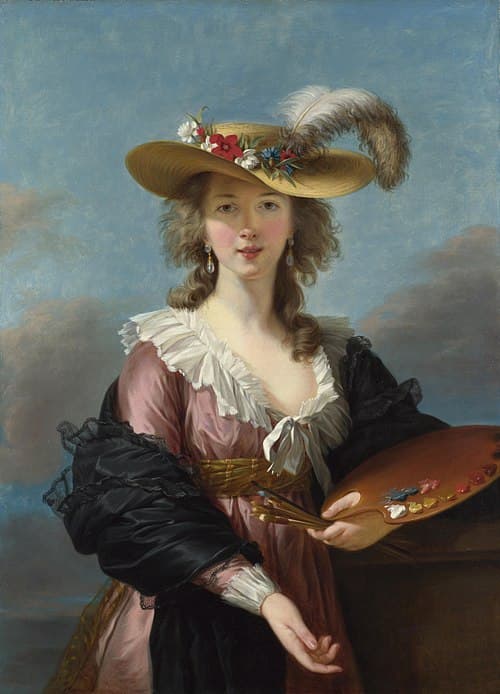
This imaginary interview was generated by artificial intelligence from sources documented in Louis XVI's profile. It dramatises what the figure might have said based on what we know about them, but does not constitute attested historical testimony. For primary sources and factual documentation, refer to the full profile.