Imaginary dialogue between Joseph Haydn and Ludwig van Beethoven
by Charactorium · Ludwig van Beethoven (1770 — 1827) · Music · 5 min read
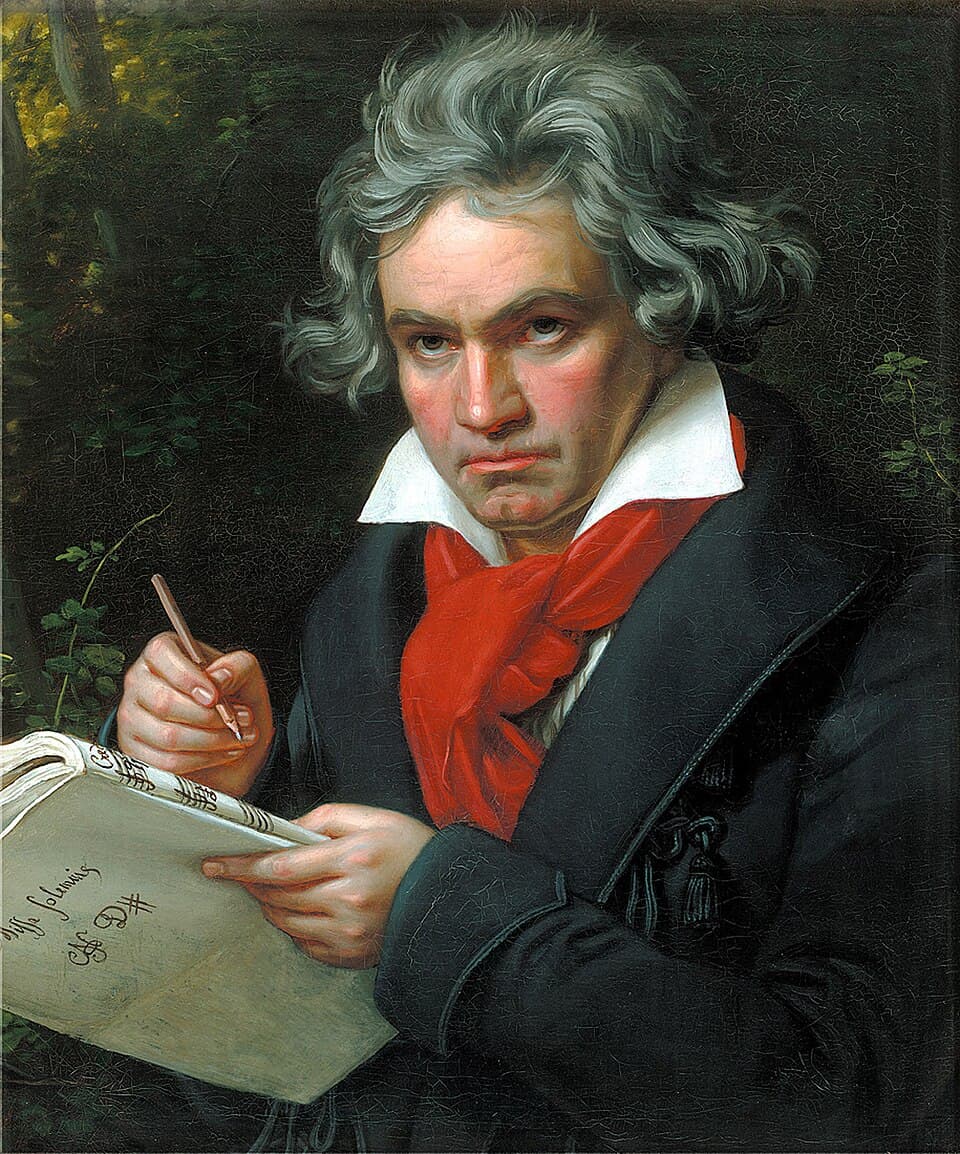
It is in a Viennese drawing room with windows open to the end of summer 1801 that the old Haydn meets his former pupil again. On the pianoforte lie scribbled sheets, erasures, a cold cup of coffee. They have known each other since the young Rhinelander arrived in Vienna in 1792 to take lessons, eager and stiff with pride. The master of classicism has come to hear what his disciple has become — and where he intends to take the form he taught him.
—Ludwig, do you remember our lessons in 1792? You already arrived before dawn, pencil in hand. How do you spend your days now?
You remember my impatience, master — it has not faded. I rise at daybreak, and before even dressing I am at my desk, filling sketches. My coffee first: sixty beans counted one by one, not one more, otherwise the cup is worthless. In the afternoon, I walk in the countryside around the city, my notebook in my pocket, and ideas come to me with the rhythm of my steps. I return soaked, exhausted, but with fresh pages. You once reproached me for my mess; it has worsened. I move constantly, leaving behind scores and dirty dishes. The method is in my head, you see, not in my room.
Sixty beans counted one by one, not one more, otherwise the cup is worthless.
—Whispers say your ear is betraying you. You who showed me so many scores, tell me truthfully: what do you still hear when you compose?
To you, master, I will not lie as I lie to others. For three years now my head has been buzzing, voices fade, high notes escape me. I use tricks you would find grotesque: I have the legs of my piano sawed off so it sits directly on the floor, and I feel the vibrations rising through the wood when I press my jaw against it. Sometimes I hold a rod between my teeth against the sounding board to grasp sound through bone. My Moonlight Sonata, as it is called, I wrote in this nascent torment. Music I hear inwardly — it is the world outside that falls silent. What my ear loses, my imagination catches up.
What my ear loses, my imagination catches up.
—You speak of this affliction in half-words. Does it weigh on you to the point of despair, my friend? I sense you darker than before.
Darker, yes. Imagine, master, a musician forced to flee all society because he cannot admit to people: shout, I am deaf. For a man of another trade it would be bearable; for mine, it is a terrible condition. I wrote to my old Wegeler of my misery, like a man confessing. There are nights when the thought of ending it crosses my mind. And yet it is art that holds me back: it seems impossible to leave this world before I have produced all that I feel within me. You taught me form; destiny teaches me resistance. I will not be struck down without a fight.
You taught me form; destiny teaches me resistance.
—When I taught you counterpoint, you already scratched everything out. How does a work come to be in you, in this mess you cultivate?
You complained about my smudged copies, I remember! Nothing has changed, except that I have made smudging a discipline. I carry my sketchbooks everywhere, and an idea I rework ten times, twenty times, I turn it, I break it, I start over until it holds. My manuscripts are battlefields covered in erasures. What seems to spring forth in a single stroke has cost months of fierce labor. You composed, master, with an ease I envied; I must wrench out every measure. But it is in this wrenching that I find the right form. Genius, if one wishes to call it that, is for me only a long furious patience.
What seems to spring forth in a single stroke has cost months of fierce labor.
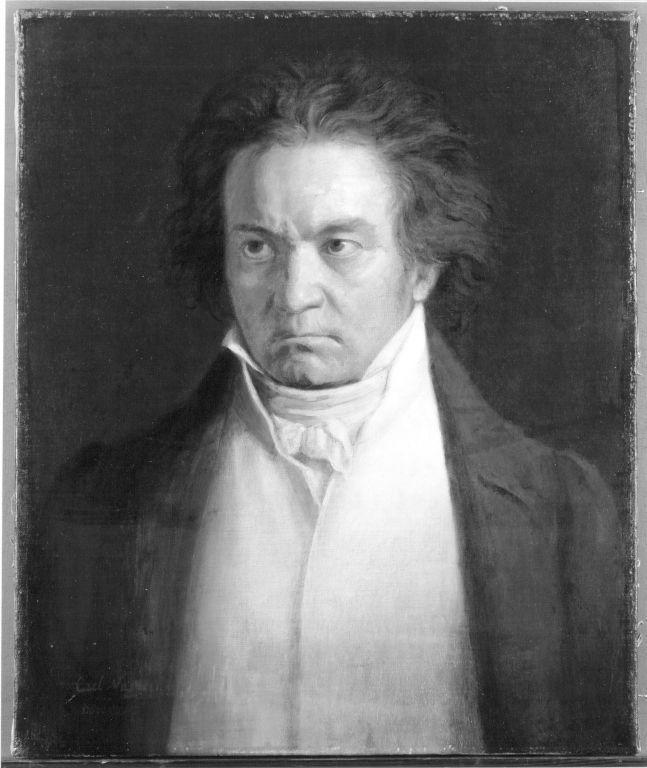
—They say you are composing a great symphony dedicated to Bonaparte of France. You, my imperial pupil, have become a republican?
Republican, master, to the marrow! I grew up in the shadow of what blazed in Paris in 1789: the abolition of privileges, liberty promised to men. Bonaparte seemed to me the living embodiment of these ideals, a Consul who would uplift humanity. I am finishing for him a symphony of a scope never dared — longer, loftier, cut for a hero. You who served the Esterházy princes all your life, you will find me presumptuous. But I wish to depend on no court, no livery. A musician must be a free man, not a servant in braided livery. My music will serve ideas, not crowned masters.
A musician must be a free man, not a servant in braided livery.
—You refuse princes — I who lived off their table. How do you live then, you who disdain the posts I would have opened for you?
I live, master, and that itself is a challenge. A few great lords of Vienna — Prince Lichnowsky first — open their purses without demanding I wear their colors. They grant me annuities because they love my music, not because I am their valet. The difference is everything. You wore the Esterházy uniform with honor, and I do not reproach you; but that time is ending. I sell my works to publishers, I give concerts, I want to earn my bread by my pen alone. It costs me anxieties, debts, moves. But I prefer free uncertainty to the security of a gilded chain. Patron, yes; master, never.
I prefer free uncertainty to the security of a gilded chain.
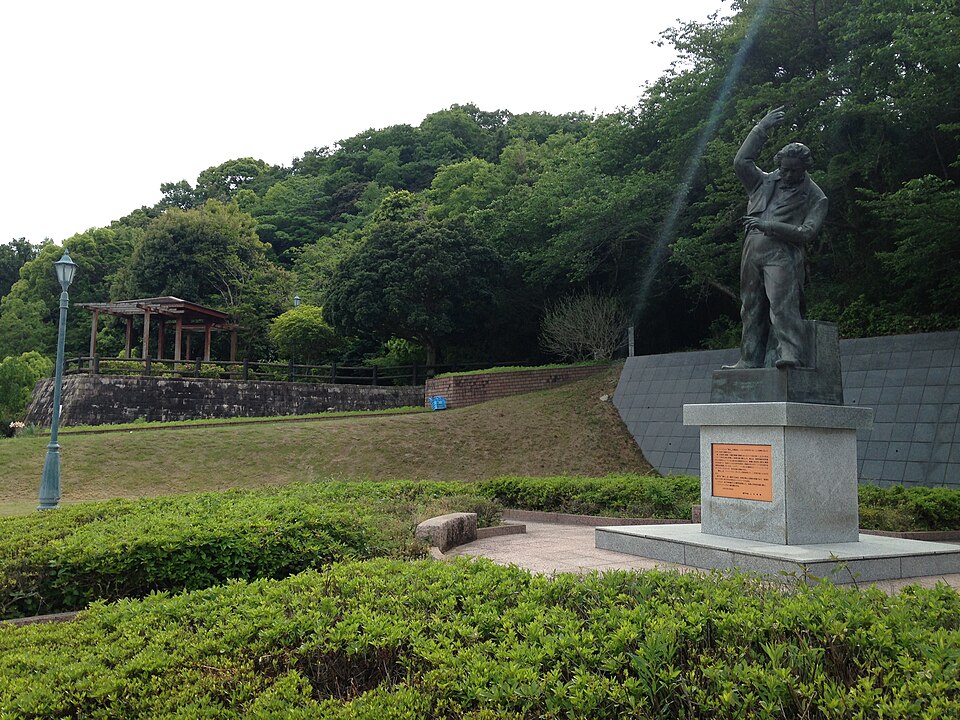
—You speak of walks, of the countryside. What do you seek there, you the man of cities and salons you flee?
I seek the silence that remains, master, and the only interlocutor who does not shame me for my deafness: nature. Under the trees, by a stream, my sick ear no longer betrays me — the sounds I invent are worth those I no longer hear. I walk for hours, my notebook in my pocket, and themes rise in me like sap. Vienna suffocates me with its politeness and its useless ear trumpets. Out there, I am alone and whole. I have always dreamed of a house of my own in the countryside — I will likely never have one, for lack of money and constancy. But the countryside has already given me everything.
The sounds I invent are worth those I no longer hear.
—You push your instrument makers to build you ever sturdier pianos. The sonata form I bequeathed you no longer suffices?
It suffices as a child's garment suffices a man, master: it must be widened or torn. You gave me the sonata, the symphony, the art of building a solid framework — and I will be eternally grateful. But I feel forces within me that crack the structure. My fortepianos give way under my fingers; I demand from makers more powerful, more tense instruments, capable of thunder as of whisper. What you taught as balance, I want to set ablaze with emotion. Not to deny you — to extend you. The classicism you embody, I hold in one hand; with the other, I grope toward something vaster, which I do not yet know how to name.
What you taught as balance, I want to set ablaze with emotion.
—Before I leave you, my boy: what would you say to your own, to your brothers, if this affliction should one day take you into complete silence?
A harsh question, master, but I want to answer honestly. To my brothers, I would say what I have already begun to put on paper in my darkest hours: that they should not think me ill-natured or misanthropic, but know the secret cause of my withdrawal. I would tell them not to quarrel after me, to seek virtue more than money, for it alone has sustained me. And that they should not pity me: a man who has so much to give does not truly die defeated. If silence engulfs me entirely, my music will speak for me. That is my only way to continue hearing, and to be heard, long after my ear has fallen silent.
If silence engulfs me entirely, my music will speak for me.
This imaginary interview was generated by artificial intelligence from sources documented in Ludwig van Beethoven's profile. It dramatises what the figure might have said based on what we know about them, but does not constitute attested historical testimony. For primary sources and factual documentation, refer to the full profile.