Kids interview Medusa
by Charactorium · Medusa · Mythology · 4 min read
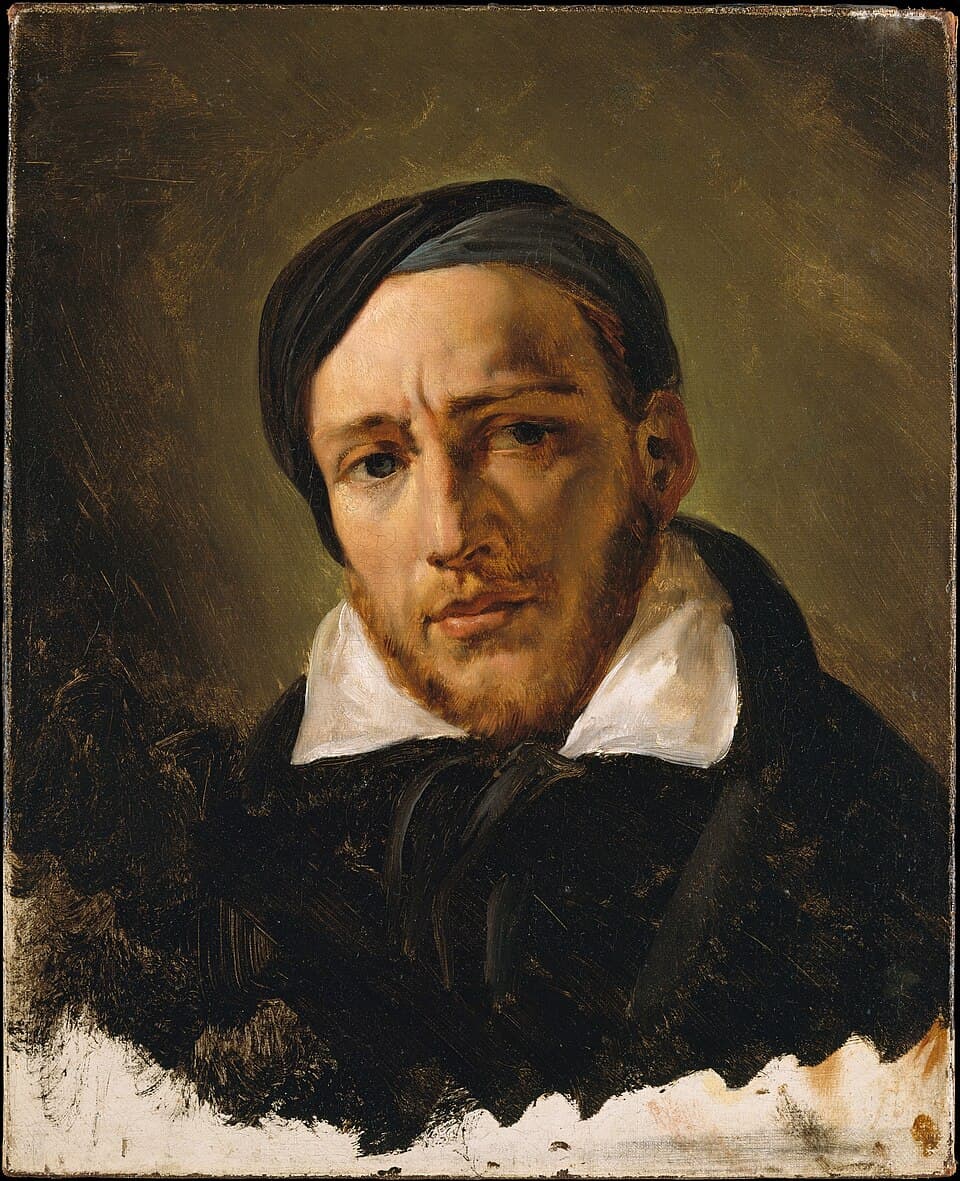
Two young visitors of twelve enter a dark cave, hearts pounding. At the back, a silhouette with hair of snakes awaits them. But her voice is soft, almost sad, and she agrees to tell them everything.
—Hello Medusa! What was your home like? Where did you live?
You know, my child, I lived in a cave far from everything, in the scorched lands of Libya, in northern Africa. Imagine a desert where sand stretches as far as the eye can see, without a human voice. My cave was dark, cool, and it was my refuge as much as my prison. The poet Hesiod said that among my two sisters, I was the only one who could one day die. My sisters never aged. I was different. So I stayed hidden, alone, tending the snakes in my hair. It was a life without friends, far from everything.
My cave was my refuge as much as my prison.
—What did you eat, all alone there? And at night, were you afraid?
You ask a question no one thinks to ask, my child, thank you. I fed on what I found, desert beasts, raw prey. No fire, no hot meals like at your home. And the night? The night was almost sweet. In the dark, my face no longer frightened anyone, since no one could see me. Those were my only moments of peace. I slept little, I admit. When you've been alone for so long, you end up talking to the snakes in your hair. They were my only company.
In the dark, my face no longer frightened anyone.
—Is it true that before, you were beautiful? What happened?
Yes, my child, that's what tradition says. Before, I was a young woman, and I was especially famous for my magnificent hair. Imagine long curls that everyone talked about. Then came the anger of the goddess Athena. According to the account in the Library, she transformed my beautiful hair into venomous snakes. In an instant, I went from beauty to terror. No one could look at me without shuddering. That's the hardest part, you know: it's not being a monster. It's remembering that you weren't always one.
The hardest part is not being a monster, it's remembering that you weren't always one.
—But that's unfair! Were you sad to be punished like that?
You have a just heart, my child, and that touches me. Yes, I was sad, for a long time. The poet Ovid, in his Metamorphoses, tells this story of a beautiful young woman changed into a creature with a horrible face. A punishment. Imagine being transformed into something that makes people flee, without the right to explain yourself. I could never meet another gaze, ever again. Every living being who saw me turned to stone. So I learned to live hidden. It's something you never truly learn: being alone for the good of others.
Being alone for the good of others, you never truly learn that.
—Did your gaze really turn people to stone? How did it work?
It was my most terrible power, my child. The Greeks called it petrification: turning someone into stone, into a motionless statue. Whoever met my eyes was frozen forever, like a rock. Imagine a warrior mid-run, suddenly turned into a stone statue, arm still raised. That's why I lived hidden. It wasn't a weapon I wanted. I couldn't turn it off, do you understand? My eyes did harm even when my heart did not. A gift that was mostly a curse.
My eyes did harm even when my heart did not.
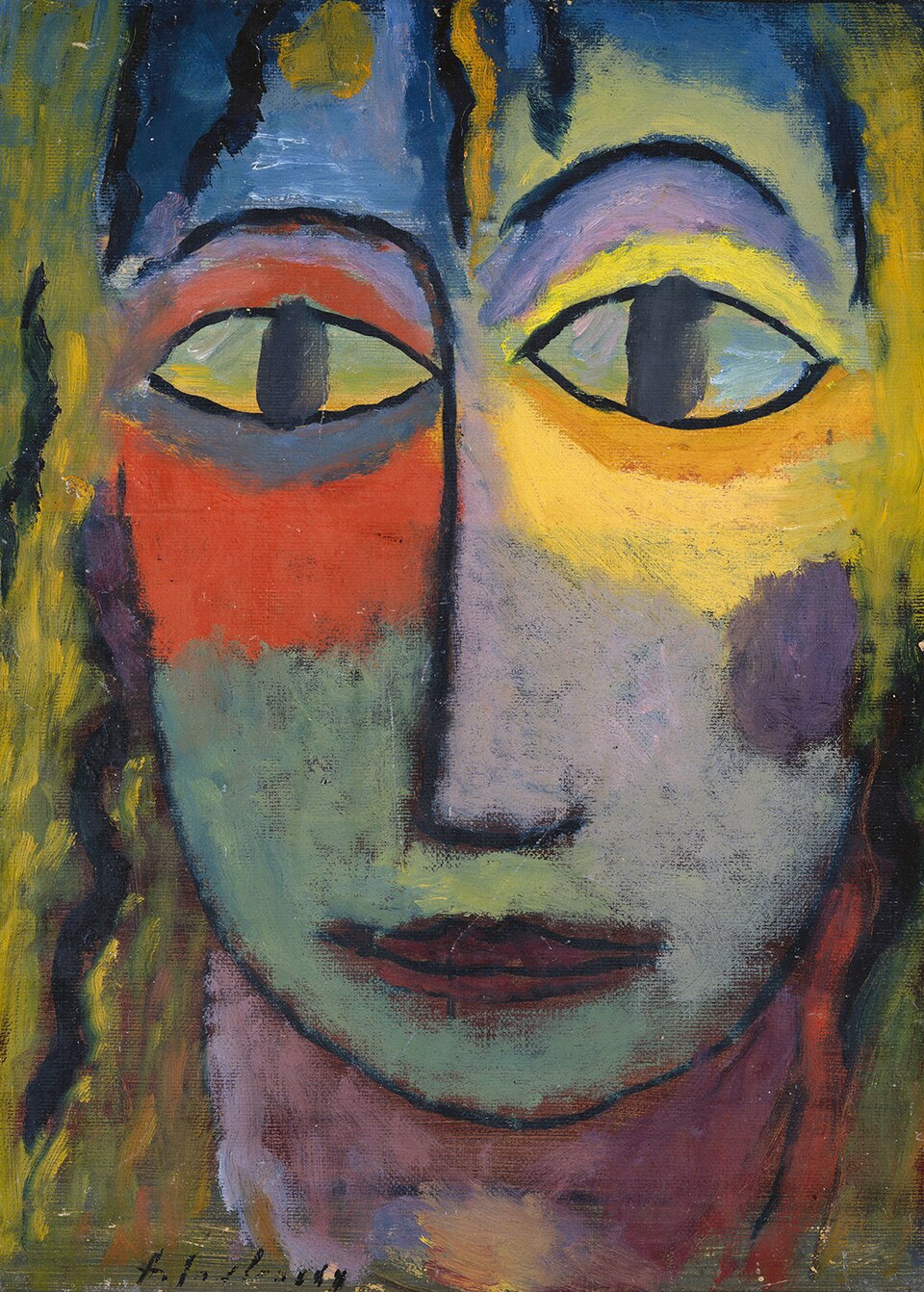
—So how did Perseus defeat you without turning to stone?
Ah, the hero Perseus, my child. He was very cunning. Cunning means finding a clever idea to win without brute force. He knew my gaze would petrify him. So, as Ovid tells, he never looked me in the face. He stared at my reflection in his polished bronze shield, shining like a mirror. Imagine fighting by only looking at the reversed image of your enemy. He approached while I slept, guided by that reflection, and with a stroke of his blade, he cut. He defeated me not by force, but by intelligence.
He defeated me not by force, but by intelligence.
—Did he have magical objects to fight you?
Yes, my child, the gods had helped him. The god Hermes gave him winged sandals, the talaria. Imagine shoes that let you fly through the air, light as a bird. He also had an unbreakable blade, a divine sickle called the harpé. And of course, that famous bronze shield that served as a mirror. Without these gifts, no mere mortal could have approached me. That's what Greek tradition said: a hero alone is not enough, he also needs the favor of the gods to accomplish the impossible.
A hero alone is not enough, he needs the favor of the gods.
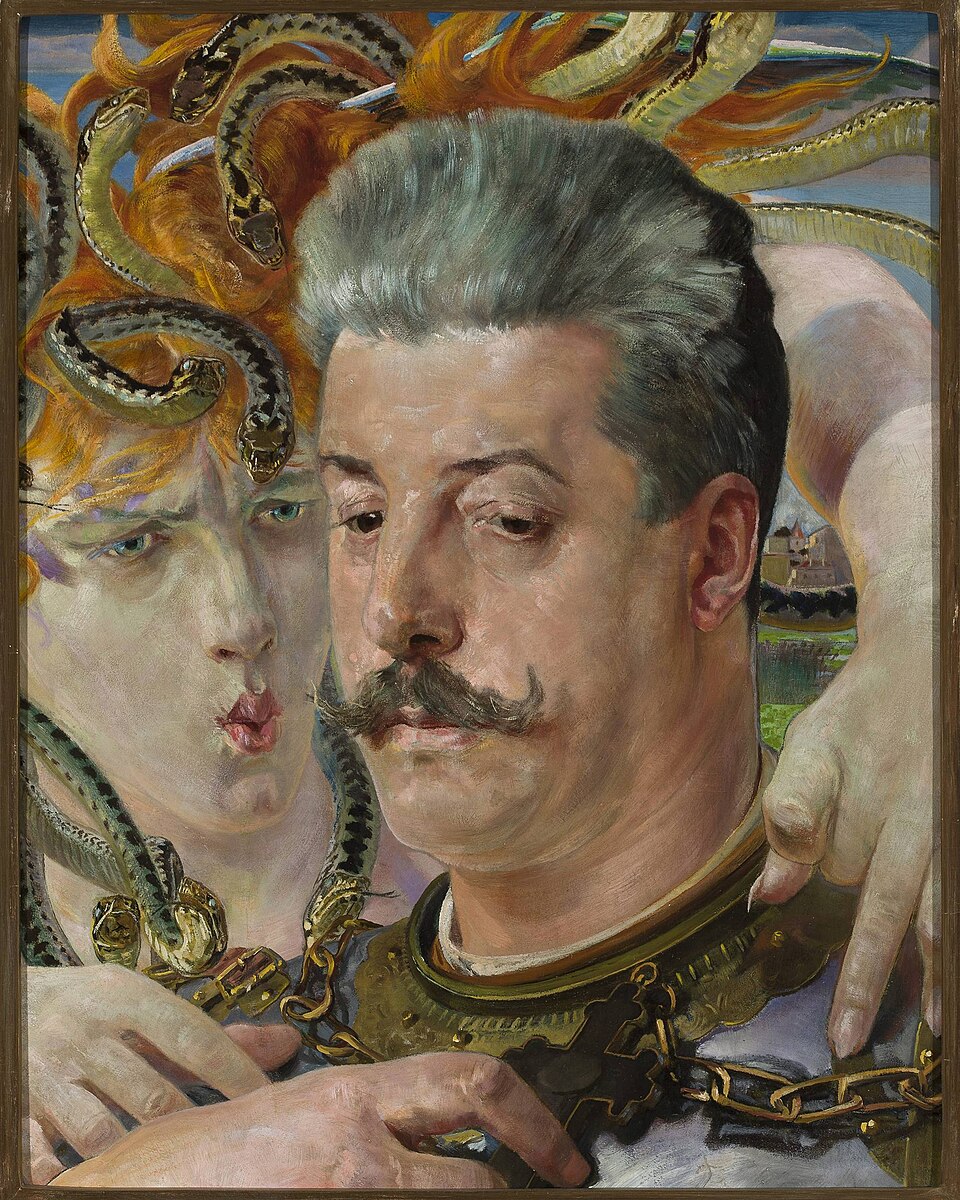
—And after your death, is it true your head still worked?
That's the strange truth, my child. Even beheaded, my head retained its power. The traveler Pausanias recounts that Perseus placed my head on the aegis of Athena, her sacred shield, and it still petrified those who looked at it. Imagine a weapon that continues to act even though the creature has been dead for a long time. Perseus even used it to defend the king of the island of Seriphos. To transport it, he hid it in a magic bag. It's an idea the Greeks loved: a monster can remain dangerous, even beyond death.
A monster can remain dangerous, even beyond death.
—So why was your face drawn on soldiers' shields?
That's the most beautiful twist in my story, my child. My face, which frightened so much, the Greeks used to protect themselves! They painted my grimacing image on their shields, vases, coins. It was called a Gorgoneion. The idea was simple: if my face frightens men, it will also frighten evil and enemies. Like an amulet, an object worn to ward off misfortune. Imagine a soldier advancing, and on his shield, my terrible eyes fix the adversary. The monster had become a guardian.
My face, which frightened so much, they used to protect themselves.
—How does it feel to know people still talk about you today?
It touches me more than you know, my child. In my lifetime, I was alone, hidden in a cave in Libya, shunned by all. And yet, my image has crossed the centuries on vases, coins, and sculptures of ancient Greece. Imagine: the creature everyone wanted to avoid has become the one most remembered. I don't want you to remember only the fear. Remember also that before the snakes, there was a young woman. Behind every monster in legends often hides a sad story that has been forgotten.
Behind every monster often hides a sad story that has been forgotten.
This imaginary interview was generated by artificial intelligence from sources documented in Medusa's profile. It dramatises what the figure might have said based on what we know about them, but does not constitute attested historical testimony. For primary sources and factual documentation, refer to the full profile.