Kids interview Montesquieu
by Charactorium · Montesquieu (1689 — 1755) · Literature · Philosophy · Politics · 5 min read
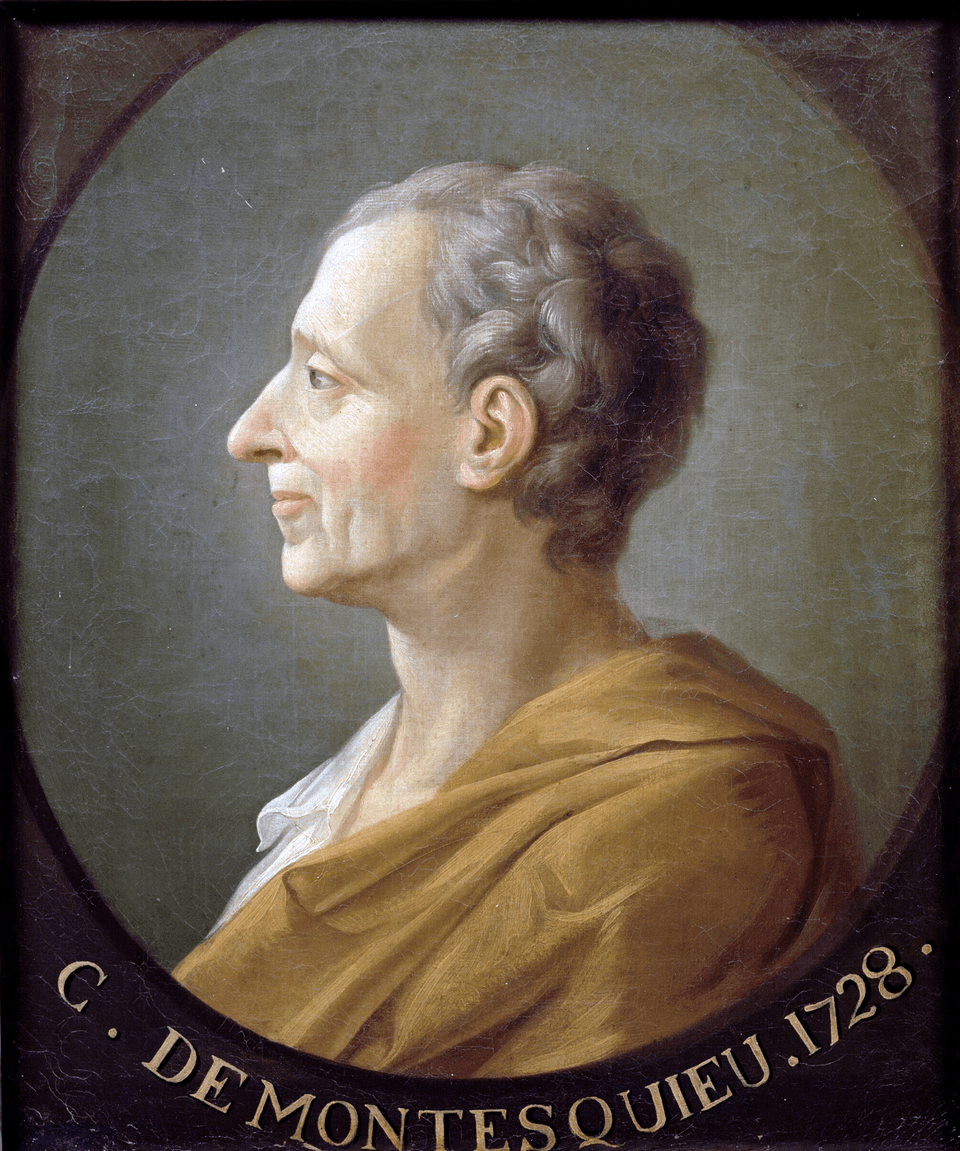
Two middle school students, on a field trip, push open the door of the Château de La Brède. An old gentleman in a velvet coat awaits them by the fireplace, his eyes tired but his smile lively. He invites them to sit down and ask all their questions.
—Where did you live when you were little? What was your house like?
You know, my child, I was born right here, at the Château de La Brède, in 1689, near Bordeaux. Imagine an old stone fortress, surrounded by a water-filled moat, like a tiny island. To enter, you crossed a bridge. Inside, it was cool, and I had one thing I loved more than anything: a huge library, thousands of books lined up. As a child, I ran between the rows. Around the castle stretched vineyards. It was my peaceful kingdom. Later, it was within these walls that I wrote my great book. A stone house is solid, but it was books that made me grow.
A stone house is solid, but it was books that made me grow.
—Is it true you were a judge? What did you wear to work?
Yes! In Bordeaux, I was what was called a président à mortier at the Parliament. It was a high court. To judge, I wore a long scarlet red robe and a funny flat black hat. Imagine yourself in a solemn hall, people waiting for your opinion, and you, at twenty-seven, having to say what is just. That red was heavy to wear! I did that from 1716 to 1726. Honestly, I preferred reading and writing. But this job taught me one precious thing: how laws and justice really work. Later, I wrote about it. You understand the world better when you have touched it with your own hands.
You understand the world better when you have touched it with your own hands.
—I heard you made wine. Is that true? Why?
That's absolutely true! Around La Brède, I had vineyards, and I was very proud of them. Every morning, I walked among the vines with my stewards to see how the grapes were growing. My Bordeaux wine, I sent by ship to England and Ireland to sell. You wonder why a man of letters tends to grapes? Because that money made me free! When you earn your own living, no one can buy you or silence you. A poor thinker depends on the powerful. My vineyards allowed me to say what I thought, without bowing to anyone.
My vineyards made me free to say what I thought.
—What was your first book? Why did you hide it?
My first major book was Persian Letters, in 1721. But I didn't dare put my name on it! Do you know why? Because inside, I gently mocked the French, the rich, sometimes even the king. I invented two travelers from Persia, Usbek and Rica, who visit Paris and find everything strange. By having foreigners speak, I could say risky things without being caught. It was like hiding behind a mask to tell the truth. The book was a huge success: it was reprinted constantly! But I remained in the shadows, smiling in silence.
A mask sometimes allows you to tell the truth without getting caught.
—Why did your Persian characters find the French so strange?
Ah, that was my whole game! Imagine you land in an unknown country: everything seems strange to you, the clothes, the manners, the beliefs. My two Persians looked at Paris with fresh eyes. And suddenly, the Parisians stared at them like curious animals. One of them marvels at being asked constantly: "How can one be Persian?" Do you see the mockery? The French thought they were the center of the world, and found it ridiculous to be different. I wanted to show my readers that sometimes, it is they who are the strangest. To see yourself through another's eyes, my child, is the beginning of intelligence.
To see yourself through another's eyes is the beginning of intelligence.
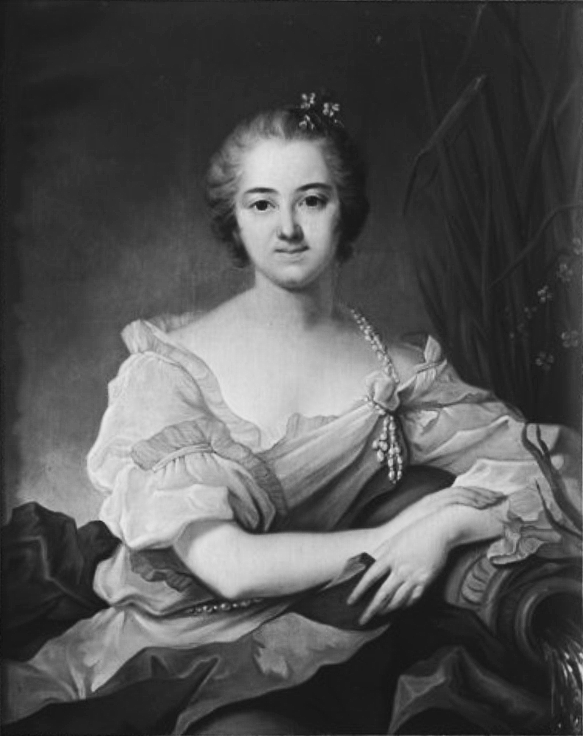
—Did you travel far? What was England like?
Oh yes, I traveled! From 1728 to 1731, I toured Europe, and I stayed nearly two years in England. Imagine the roads of that time: weeks of bumpy carriage rides, crossing the sea by boat, seasickness! But there, I saw something that amazed me. The king did not decide everything alone. There was a great assembly, Parliament, which discussed and voted on laws. In Bordeaux, I had seen justice; in England, I saw freedom in action. I observed, listened, and took so many notes that English scholars honored me by welcoming me among them. That journey changed all my thinking.
In Bordeaux I saw justice; in England, freedom in action.
—What did you understand by watching the English govern?
I understood a simple but enormous idea, my child. In England, the one who makes the laws is not the same as the one who applies them. Parliament writes the rules; the king and his ministers execute them. Two different hands! In our country, France, the king held everything in one fist. I wrote my reflections on this in a letter to an English friend. Why does it matter? Because when a single man holds all power, he can become a tyrant, and no one can stop him. Imagine a game where the same player makes the rules, plays, and keeps score. He always wins, and it's unfair.
When a single man holds all power, no one can stop him.
—How long did it take you to write your great book?
The Spirit of the Laws? Nearly twenty years, my child! Twenty years reading, comparing countries, reflecting on the laws of the entire earth. And the hardest part was that my eyes were failing. I was going almost blind. Imagine: you want to write, but you can no longer see the lines. So I dictated everything, out loud, to secretaries who wrote for me. When the book was finally finished in 1748, I was exhausted. I said, I think: "This work nearly killed me, and I am resting." You see, great things do not fall from the sky. They cost years, and sometimes health.
This work nearly killed me, and I am resting.
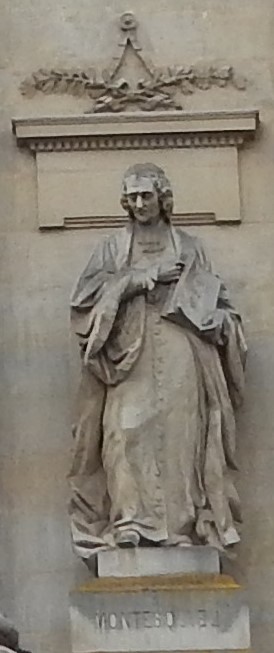
—What is the most important idea in your book?
Here it is, and remember it well. For a country to remain free, one person must not decide everything. I wrote this sentence: "So that one may not abuse power, it is necessary that, by the disposition of things, power check power." Do you find that complicated? Imagine three friends who watch each other. One makes the rules, one applies them, one punishes those who cheat. If each stays in his place, none can become a petty tyrant. That is the separation of powers. Long after me, peoples built their laws on this idea. It is perhaps my finest invention.
So that power is not abused, power must check power.
—Were some people angry with you? Were you afraid?
Yes, some were very angry. Churchmen found my book dangerous. In 1749, they placed it on the Index: that means it was listed as a book forbidden to believers. What a shock! I had already been cautious: I had my work printed in Geneva, far from the king of France's censorship. Was I afraid? A little, yes. But I was not going to be silent. So I wrote a Defense of the Spirit of the Laws to answer my accusers, calmly, with arguments. They may ban a book, my child. But a true idea continues its journey from mind to mind.
They may ban a book, but a true idea continues its journey.
—If only one thing were remembered about you, what would it be?
What a beautiful question to end with. I would like people to remember this: no man should govern alone, without limits. All my work, from the Château de La Brède to The Spirit of the Laws, was driven by this concern for liberty. I once noted in my journals that to live in the world, one must "look foolish and be wise." This means: dare to think differently, even if they find you strange. You two, who came all the way here to listen to me, touch me more than you know. Keep your eyes open, ask questions, and beware of those who want to decide everything for you.
To live in the world, you must look foolish and be wise.
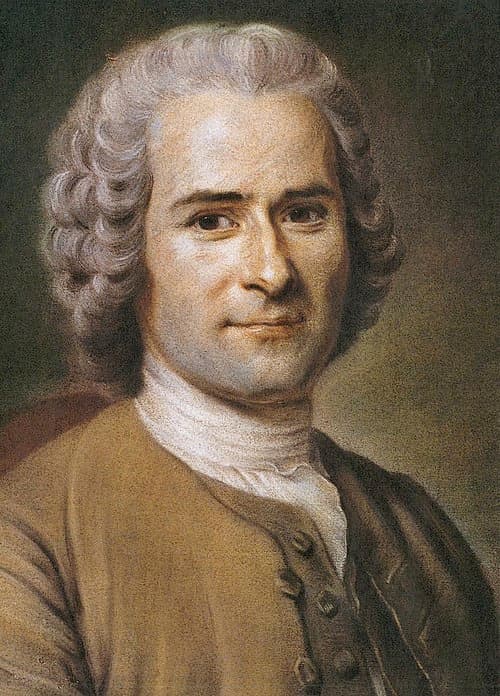
This imaginary interview was generated by artificial intelligence from sources documented in Montesquieu's profile. It dramatises what the figure might have said based on what we know about them, but does not constitute attested historical testimony. For primary sources and factual documentation, refer to the full profile.