Imaginary dialogue between Joséphine de Beauharnais and Napoleon Bonaparte
by Charactorium · Napoleon Bonaparte (1769 — 1821) · Politics · 5 min read
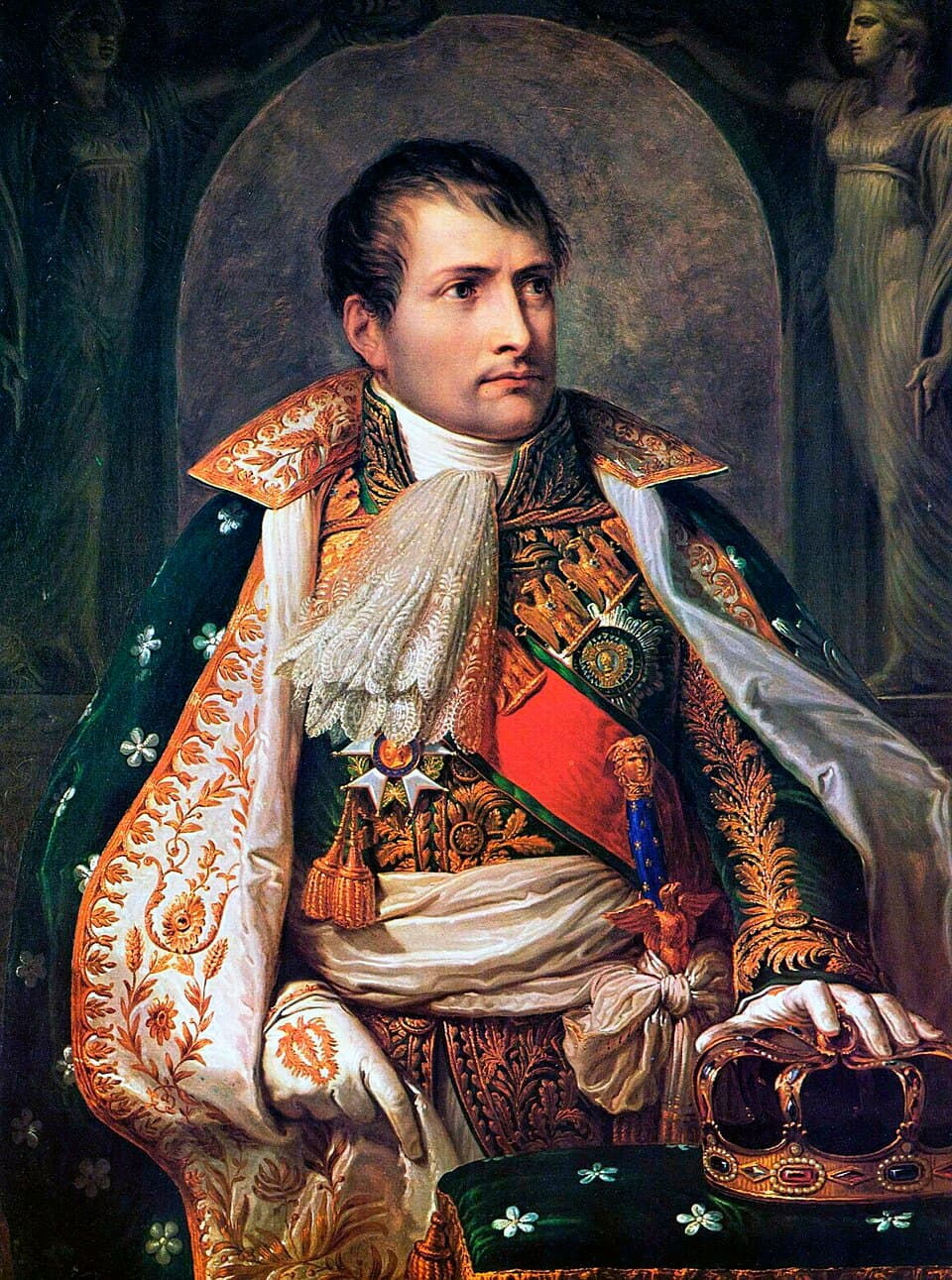
It is among the rose-lined paths of Malmaison, on a spring morning in 1813, that Joséphine receives the man who was her husband. The Grande Armée has just shattered on the snows of Russia, and the Empire, for the first time, falters. Divorced for three years, they have never truly parted: she still calls him Bonaparte, he comes seeking from her a silence that no court can give him. Amid the scent of early flowers and the distant sound of a fountain, she questions him not as a fallen empress, but as a woman who knows the man beneath the bicorne.
—Bonaparte, when I first knew you, you were just a young, eager general. Tell me about Toulon, that siege which, they say, gave you everything.
You remember it well, Joséphine: I was entrusted with the artillery of a discouraged army, and they doubted that a twenty-four-year-old Corsican knew where to place his cannons. I saw at a glance that everything depended on a fort, the Aiguillette, which commanded the harbor. Take that point, I kept repeating, and the English will weigh anchor. They let me do it out of weariness more than trust. The city retaken, I was a brigadier general in 1793, before I was even old enough to lead a battalion. That day I understood something I never forgot: fortune gives itself to those who dare to seize it first.
Fortune gives itself to those who dare to seize it first.
—And Italy? You wrote me those burning letters from the front while your soldiers, you said, marched barefoot. How did you hold them?
I didn't hold them, Joséphine: I spoke to them truthfully. I told them they were naked, poorly fed, that the government owed them much and could give them nothing. Then I promised them the richest plains in the world. A soldier forgives hunger if you show him the horizon. In a few weeks we had folded Piedmont; in a year, Austria was retreating. I shared their bivouac, I knew the names of their veterans, I rewarded the brave man before the ranks. An army, you see, is not commanded with orders: it is led with promised glory — and a little held back.
—On your return from Egypt everything was faltering, and on 18 Brumaire you seized power. But afterward, how do you rebuild a ruined country?
People think the hardest part was taking power; the hardest part was making it serve. France had no administration, no credit, no safe roads. I wanted order from Paris to reach even the smallest village intact. The law of 28 Pluviôse Year VIII placed a prefect in each department, a single man answerable for everything to the State. That same year 1800, I founded the Bank of France to restore to currency the value that the Revolution had stripped from it. Building these institutions cost me more effort than a campaign — but a battle is won or lost in a day, an institution lasts a century.
—And the Church? You know how much that mattered to me. Why did you negotiate with Pope Pius VII, you who hardly believe?
I do not negotiate with Heaven, Joséphine, I negotiate with France. Ten years of Revolution had set the country at odds with its priests; the countryside did not forgive that altars had been touched. In 1801, the Concordat signed with Pius VII settled the fate of sold Church property, gave the clergy a new status, and brought peace to consciences. Whether I believe or not matters little: a people that prays in peace does not revolt. I was reproached for bowing to Rome; I bowed only as necessary, and it was I who appointed the bishops. Religion, well managed, is the best bulwark of social order.
—And our coronation, at Notre-Dame... That 2 December, you took the crown from the pope's hands and placed it on yourself. Why that gesture?
How could you forget it, you whom I crowned with my own hands that day? Pius VII had come from Rome, and everyone expected him to anoint me as our kings of old were anointed. I took the crown and placed it on my own head. Not out of contempt for the pope — out of truth. I held my Empire neither from the Church nor from inherited blood, but from the people and the sword. Then I crowned you, before all assembled Europe. That gesture said everything: what I was, I had made myself. A received crown can be taken back; a conquered crown is only surrendered with life.
I held my Empire neither from the Church nor from inherited blood, but from the people and the sword.
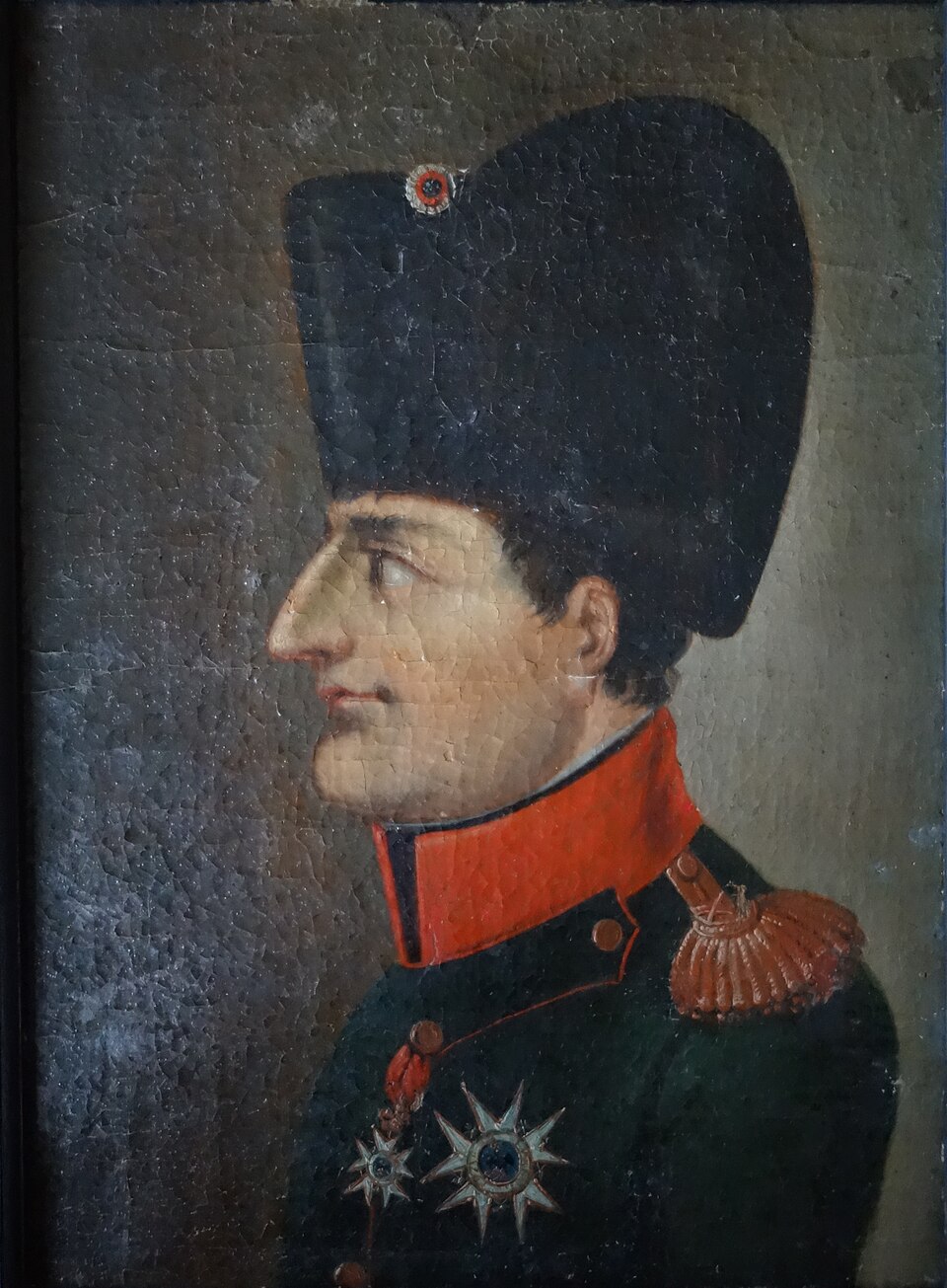
—There were whispers that you betrayed the Republic by making yourself emperor. You, who came from the Revolution, how did you accept that within yourself?
Betray the Revolution? I saved it from itself. A Republic that changes masters every six months is merely disorder unaware of itself. The people no longer wanted committees or factions: they wanted a name, a firm hand, certainty of tomorrow. In donning the crown, I did not renounce 1789 — I put civil equality under the protection of an authority that is not overturned every season. Careers remained open to talent; a cooper's son could become a marshal. That is my true nobility: that of merit, not birth. The Empire was not the opposite of the Revolution, Joséphine — it was its rampart.
—You spent nights at the Council of State on that Civil Code. What were you seeking there, you who could have left it to your jurists?
Because those laws could be made by no one but me. France had as many customs as provinces; one changed law by crossing a river. I wanted a single Code for all, from the Rhine to the Pyrenees: two thousand two hundred eighty-one articles governing property, family, contract. I myself presided over many sessions of the Council of State, debating every word with the jurisconsults, for an obscure law is an injustice unaware of itself. Promulgated in 1804, it replaced the jumble of the Old Regime with a clear text that the humblest peasant can understand. To give a people its laws is to give it its backbone.
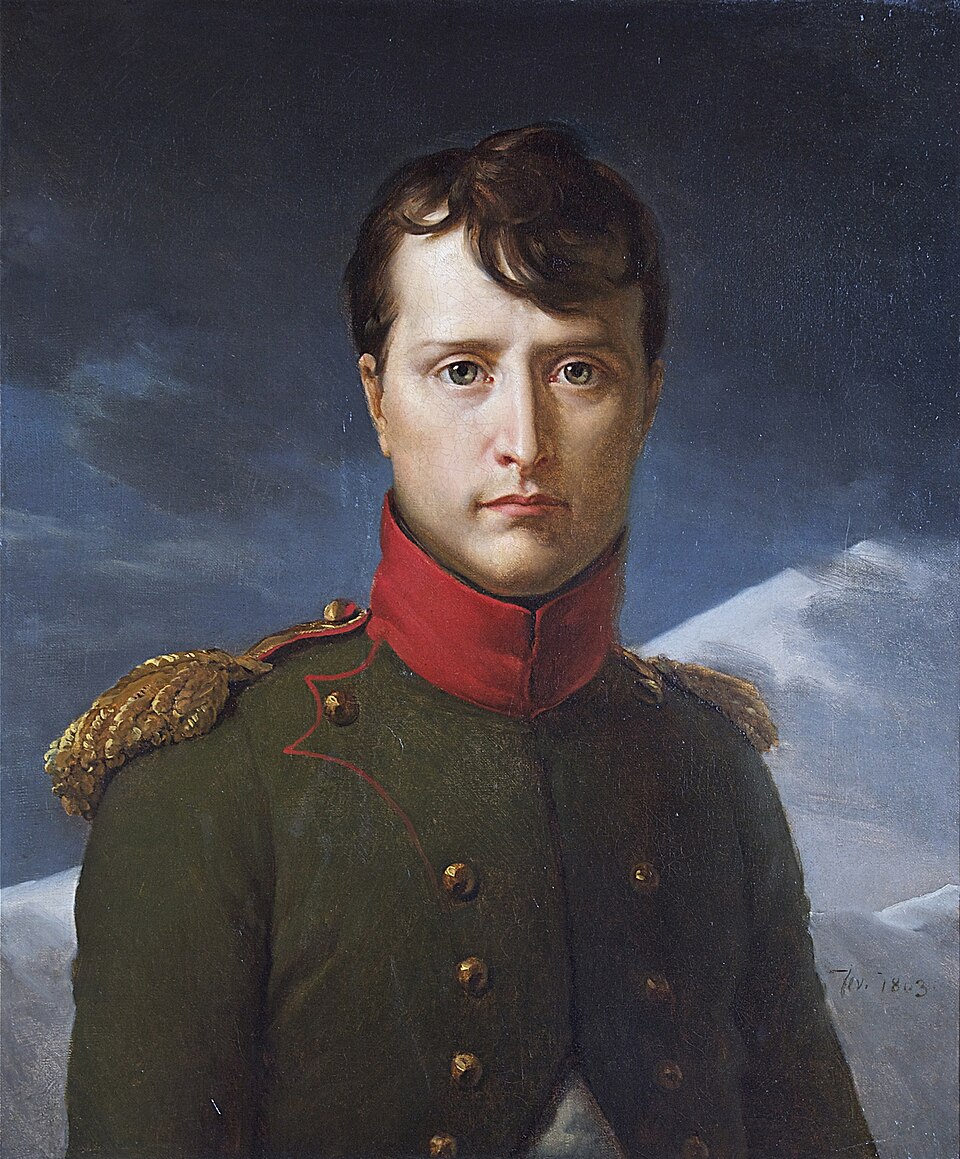
—You speak of that Code with more passion than of your victories. Would you truly place it above Austerlitz?
Without hesitation. A won battle dazzles one day and fades the next; let a single defeat occur, and forty victories are forgotten. Austerlitz was my masterpiece, I admit without false modesty — but laurels wither. My Civil Code, however, does not wither. It will live when my cannons are rusted, even in countries that fought me. That is what I want to be remembered for: not the man who took cities, but the one who gave laws. My true glory is not having won battles; it lies in this book that time cannot erase.
My true glory is not having won battles; it lies in this book that time cannot erase.
—There are whispers that Russia swallowed your Grande Armée in the snow. I knew you invincible — were you afraid this time?
Fear, no — but I saw the bottom of things. Russia did not defeat me: it was winter, space, emptiness that they opposed by always retreating. I had led six hundred thousand men beyond the Niemen; a shadow returned. I will not hide from you, what I conceal from my ministers: a man who has climbed so high knows he can fall just as low. All Europe senses my wound and is already leaguing. But as long as I have one rifle and one hour, I raise armies. It is not the fall that frightens me — it is the thought of leaving France smaller than I found it.
—And if one day everything collapses... where would you wish to rest, you who have crossed all Europe without ever settling anywhere?
What a strange question, Joséphine... and yet you touch the mark, as always. I have slept under a tent in Egypt, in the snow of Russia, in twenty palaces that were not mine. If all must end, I would want neither a king's tomb nor a distant island. I would want to rest on the banks of the Seine, among this French people that I loved so much and who, I believe, will love me beyond my faults. Let them forget my wars, so be it; let them keep my laws and my name mingled with that of France. The rest — crowns, conquests — is but smoke. Only you know how, beneath the emperor, the man was simple.
This imaginary interview was generated by artificial intelligence from sources documented in Napoleon Bonaparte's profile. It dramatises what the figure might have said based on what we know about them, but does not constitute attested historical testimony. For primary sources and factual documentation, refer to the full profile.