Imaginary dialogue between Vé and Odin
by Charactorium · Odin · Mythology · 5 min read
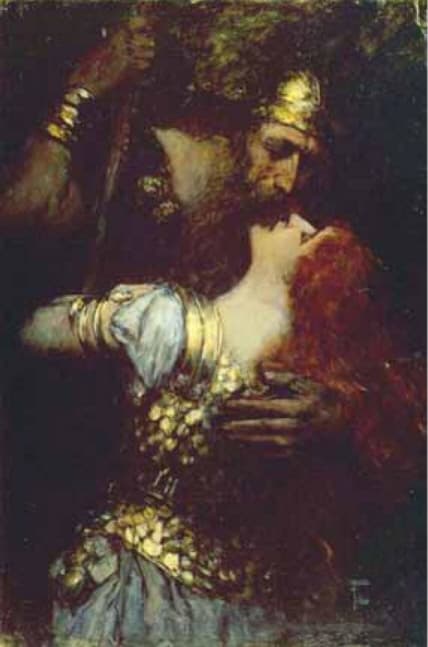
It is under the branches of Yggdrasil, where the dew of the well seeps between the roots, that I find my elder brother one evening when the Bifrost fades into red embers. Odin leans on his spear Gungnir, his single eye fixed on the horizon of the nine worlds, Huginn and Muninn still restless on his shoulders. We shaped the first humans together—him, Vili, and I—and I have come to ask him what it truly costs to know everything. The scent of mead rises from the nearby Valhalla.
—My brother, I saw you disappear for nine nights, hanging from that tree, your own blade driven into your side. Why inflict this upon yourself?
You who saw me leave without a word, Vé, know that no one forced me. I hung on Yggdrasil, offered to myself, without bread or horn of mead, nine whole nights with my body pierced. No god could give me what I sought—I had to wrest it from the depths. At the end of the ordeal, I bent down screaming and seized the runes rising from the darkness. Knowledge is not received like a gift, my brother—it is torn out at the price of one's own flesh. That is why I still carry the pain of that night in every sign I carve.
Knowledge is not received like a gift—it is torn out at the price of one's own flesh.
—You have a look I never saw in you before the well of Mimir. Tell me truly: what did you leave there, at the water's edge?
You noticed, Vé, as only a brother can. Mimir guards the water that holds all the wisdom of the cosmos, and he gives nothing without a pledge. I placed my right eye in his well, and he let it sink forever. In return, I drank—and the world opened all at once: the roots, the fates, the very end of things. They think me diminished, seeing only half. The truth is the opposite: since that day I see more than all the gods combined. My eye sleeps at the bottom of the water, and it is that eye which contemplates what my face can no longer see.
They think me diminished, seeing only half; since that day I see more than all the gods combined.
—Each dawn your two ravens fly away and you wait alone for them. Are you not afraid that one morning they will not return?
That is my oldest fear, and you are the only one I confess it to. Huginn, Thought, and Muninn, Memory, roam the nine worlds each day and return to me at dusk to whisper in my ear all that is afoot. I fear losing Muninn more than Huginn: a god who still thinks but no longer remembers is but an empty shell. From my throne Hlidskjalf, I see to the farthest reaches, and Sleipnir carries me where no other horse would go. But all that knowledge rests on two black wings in the wind. That is the secret of the All-Father: he watches because he fears forgetting.
A god who still thinks but no longer remembers is but an empty shell.
—You send your Valkyries to harvest the brave on the battlefields. Why gather so many dead warriors in your great hall?
Because I know what is coming, Vé, and you do not yet know it. The Valkyries choose the most valiant fallen in combat and lead them to Valhalla, where these Einherjar feast, fight, and heal their wounds every evening. It is not a love of blood: I am amassing an army for the day of Ragnarök, when the wolves will devour the sun and the gods will go to their doom. A völva revealed it to me, and no one turns aside this fate, not even me. I drink little, I sleep little—I prepare a war I know I will lose, and that is how ruling teaches me courage.
I prepare a war I know I will lose, and that is how ruling teaches me courage.
—Remember the shore, my brother, those two stranded logs we raised up. What did you feel at that moment, you who gave the breath?
I remember it as if the tide had just receded, Vé. We three walked on the sand when we found Ask, the ash, and Embla, the elm, lifeless and without destiny. I breathed into them life and spirit; Vili gave them intelligence and movement; and you, my younger brother, opened their senses—sight, hearing, speech. Without your part, they would have lived blind to the beauty of the world. That is why I am called All-Father—but that title is ours, shared among three brothers on a deserted shore. Humanity is born from a tree, and that is why it will never be fully separated from the nature that bore it.
I am called All-Father, but that title is ours, shared among three brothers on a deserted shore.
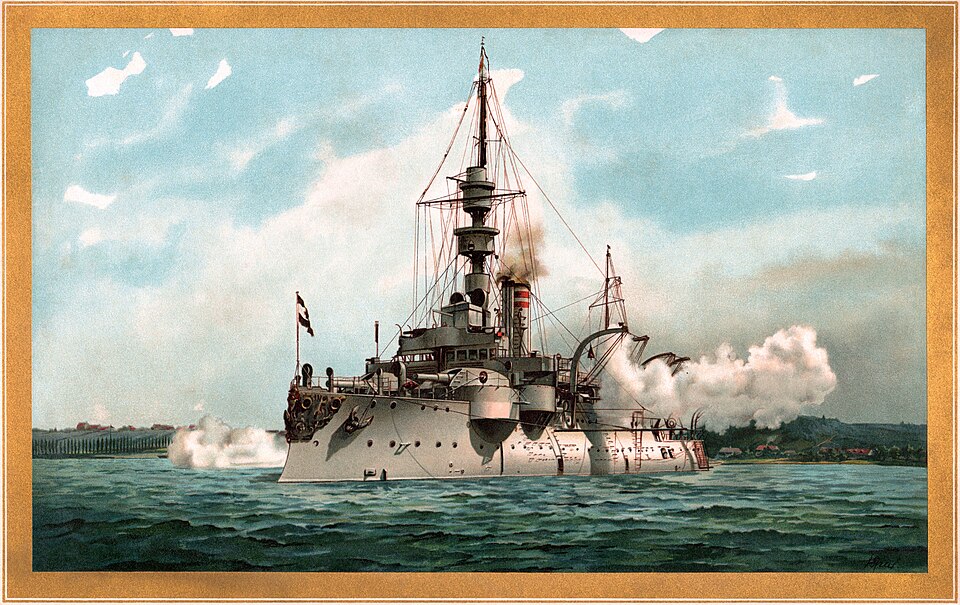
—These runes you brought back from the tree—what do they truly serve? I have seen you carve them in a low voice, like a secret.
You touch the heart of my power, Vé. The runes are not mere marks for carving stone: each one carries a force, a magic—what the Northmen call seidr. With them I heal or bind, I blunt an enemy's blade, I calm a storm, I divine what will be. I have murmured them to the gods, then gradually entrusted them to the skalds and the völvas who pass them on. But I have not given everything, know that. A god always keeps a few signs for himself alone—for he who gives away all his wisdom is no more than an equal, and an equal does not rule.
He who gives away all his wisdom is no more than an equal, and an equal does not rule.
—You sit up there on Hlidskjalf and see everything. But that throne that embraces the nine worlds—does it not isolate you from us, your brothers?
What a fair question, my brother—it could only come from you. From Hlidskjalf, I see the smoke from the humblest hearth in Midgard and the giants' course deep in Jötunheim. But seeing everything also means bearing everything: every grief, every betrayal being prepared, every thread the Norns spin toward Ragnarök. Vili and you can still laugh without a second thought; I no longer can. The throne that sees all is the loneliest seat in the nine worlds. That is the price of the sight I wanted, and I do not complain—but tonight, beside you, I taste a respite that throne never grants me.
The throne that sees all is the loneliest seat in the nine worlds.
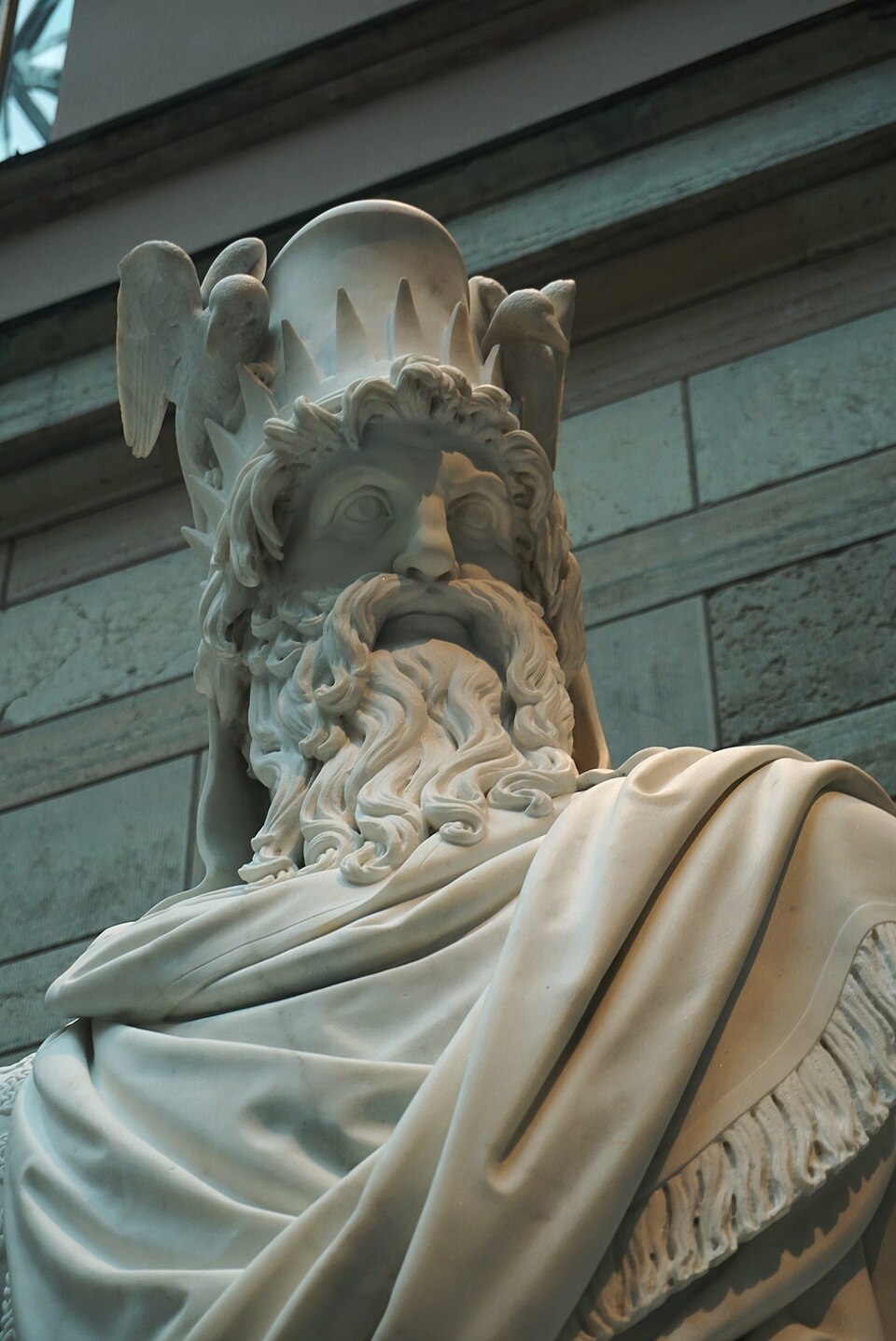
—They say you sometimes betray your own favorites in battle, snatching victory from them at the decisive moment. How does the god of war justify this?
Men reproach me for this cruelty, and only you will understand my answer. Yes, I sometimes abandon a hero I have long cherished at the hour he thinks he is winning. It is not caprice: I need the bravest in Valhalla, and a warrior who dies at the peak of his glory is worth more for Ragnarök than an old man dead on the straw. I grant victory, then take it back, because my purpose transcends a single battle. This makes me fearsome, I know—I am also called the Trickster, the Hooded One. But he who sees the end of the world cannot judge things by the measure of a single day.
A warrior who dies at the peak of his glory is worth more than a hundred old men dead on the straw.
—Between the eye left at Mimir's and the nine nights on the tree, do you ever regret having paid so much to know?
I have never regretted it, Vé, but I will not hide the weight from you. The eye at the bottom of the well, the pierced side on Yggdrasil: these are two wounds that will never heal. Yet ask yourself what an intact Odin would have been—seeing with both eyes and ignorant of the runes—a king among others, blind to fate. I preferred lucid pain to ignorant peace. Knowledge does not soothe: it shows the end and forces you to walk toward it nonetheless. That is my teaching, brother, the one I do not give to men: be ready to bleed to understand, and even more ready to understand what will make you bleed.
I preferred lucid pain to ignorant peace.
—When our humans, Ask and Embla, opened their eyes for the first time, what did you want for them? A destiny, or freedom?
Both at once, and that is the whole difficulty, my brother. I gave them breath and spirit, but I did not take away their choice to use them well or ill. The Norns weave their thread, yes, and yet every man fights, loves, and dies as if he alone decided. I wanted a race capable of courage, capable of dying for what they love—without which Valhalla would be empty and Ragnarök without glory. You who gave them senses know how attached they are to the world we made. That shore where we raised them, Vé, remains for me the most beautiful of all my works.
I gave them breath, but I did not take away their choice to use it well or ill.
Read further
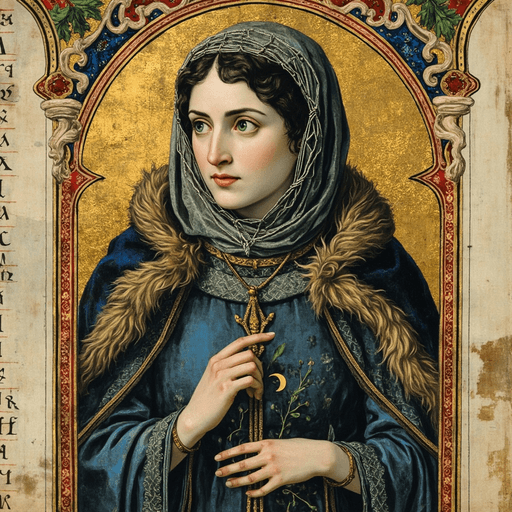
This imaginary interview was generated by artificial intelligence from sources documented in Odin's profile. It dramatises what the figure might have said based on what we know about them, but does not constitute attested historical testimony. For primary sources and factual documentation, refer to the full profile.