Kids interview Pandora
by Charactorium · Pandora · Mythology · 5 min read
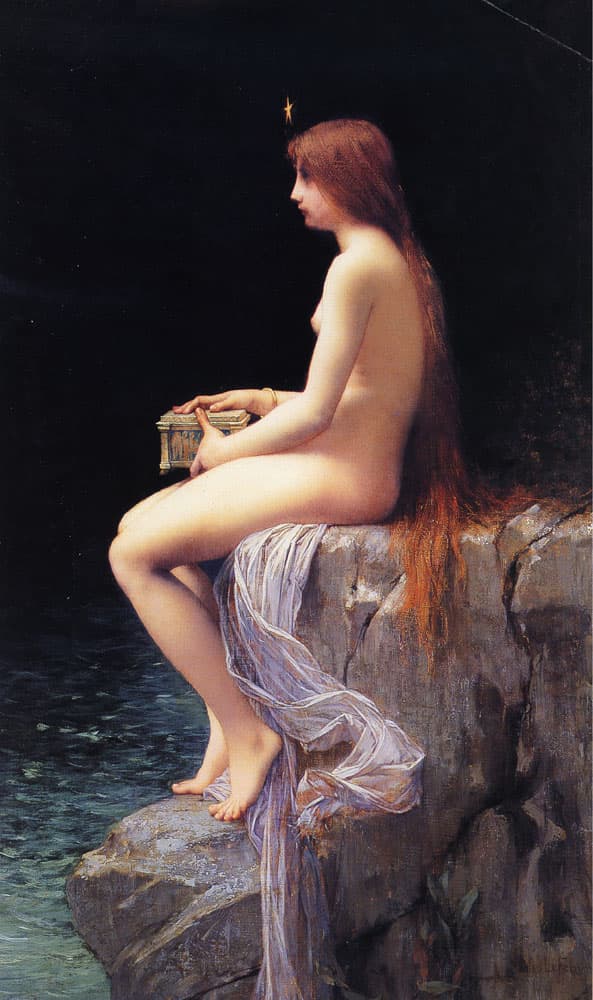
That morning, two young visitors of twelve years old step forward toward a figure adorned with gold, molded from clay. Pandora, the very first woman in the world, smiles at them gently. She agrees to tell them her story, from the day of her birth to the famous jar.
—What was it like, the day you were born? What were you made of?
You know, my child, I didn't have a mommy like you. The blacksmith god Hephaestus molded me from clay mixed with water, like a potter shaping a vase. Imagine two divine hands kneading the clay, and then a voice arriving, and a breath. And suddenly, I opened my eyes. I was the first woman in the world. Before me, there were only men on the earth. Great Zeus, king of the gods, had ordered my creation. I still remember that first light on my clay skin. It was strange and sweet at the same time.
I didn't have a mommy: I was kneaded from clay, like a vase.
—Why are you called Pandora? Does it mean something?
Yes, and it's a beautiful name, listen carefully. Pandora means 'she who has received all gifts'. Because at my birth, each god gave me a gift, like at a party. Athena, the goddess of wisdom, taught me the arts of spinning and weaving. Aphrodite gave me beauty. And Hermes, the cunning messenger, gave me persuasive speech. Imagine receiving a present from every adult you admire: that's what I was. A bouquet of divine gifts, gathered in a single young girl. My name still carries all that.
My name means 'she who has received all gifts'.
—What did you wear? And where did you live after your birth?
I was dressed with great care, my child. I wore a chiton, a long linen tunic that women of my time loved. On my head, they placed a golden crown, like a princess. Imagine a light fabric falling to the feet, fastened with pretty clasps. Athena herself adorned me with her hands. I was beautiful, yes – but that beauty was intended by the gods for a specific purpose. I was prepared like a gift wrapped with care. And then I was sent to the land of men, to the one who would become my husband.
I was prepared like a gift wrapped with care.
—Why did the gods create you? Was it to harm people?
That's a brave question, and I'll answer you honestly. Zeus was angry. A Titan named Prometheus had stolen fire to give to humans. Fire is precious: it warms, it cooks, it lights the night. But Zeus had not allowed this gift. So, to punish humans, he decided to send me among them. In the poem by Hesiod, Works and Days, I am called 'this deadly gift'. Deadly means bringing misfortune. You see, I was born from a punishment. It's not cheerful to say, but that's how tradition tells it.
I was born from a punishment: the gods wanted to punish the theft of fire.
—Did you get married? To whom?
Yes, my child. I was given as a wife to Epimetheus, the brother of Prometheus. His name means 'he who thinks too late'. And that's exactly his problem! His brother had warned him: 'Never accept a gift from Zeus.' But when he saw me arrive, adorned like a goddess, he forgot the warning. He welcomed me joyfully into his home, in Boeotia, a region of Greece. By taking me as his wife, he sealed the fate of humans without knowing it. That's what is called the irreversible: a door that closes and can never be reopened.
Epimetheus means 'he who thinks too late'.
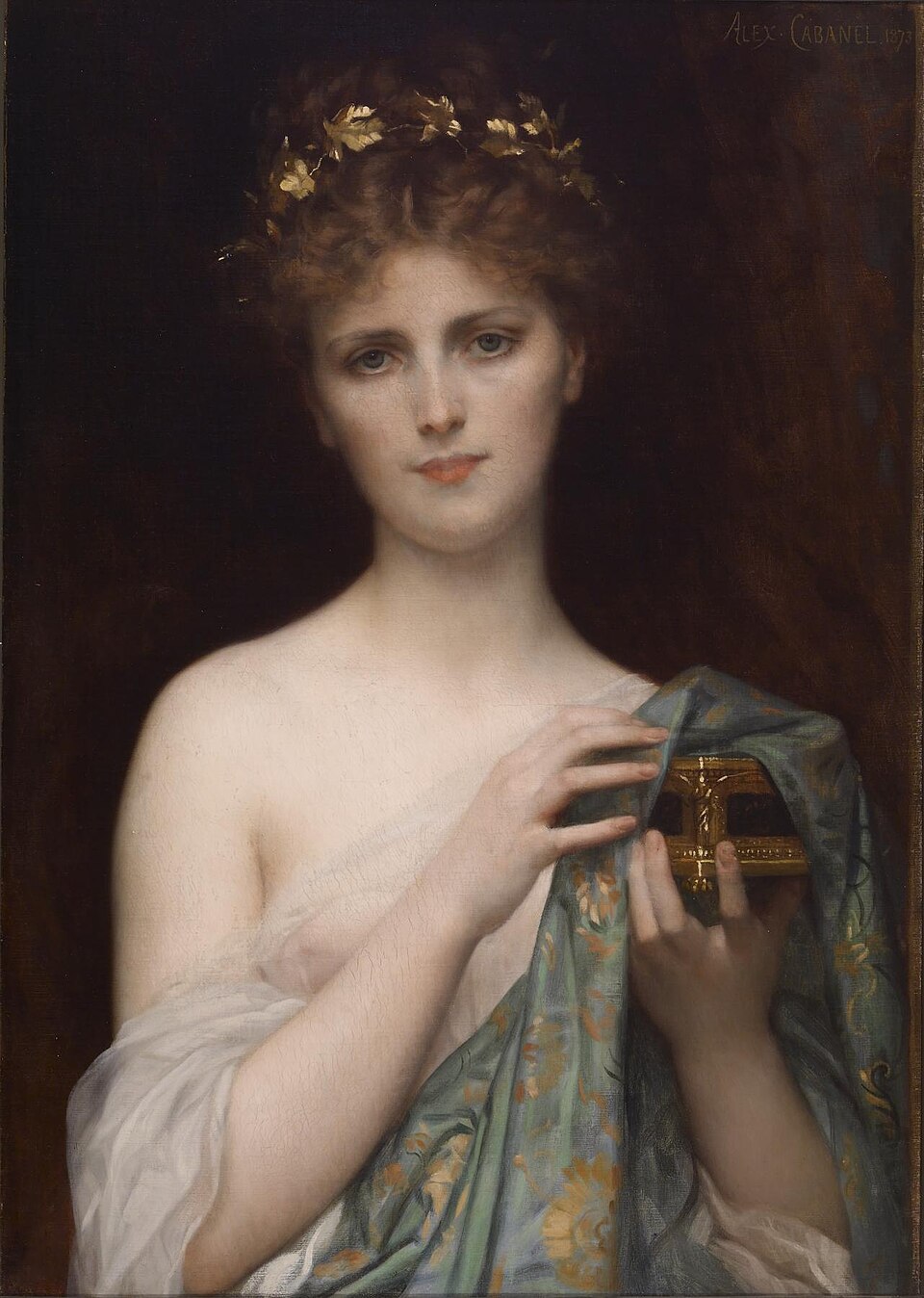
—What were your days as a woman like in those times?
My days revolved a lot around wool, you know. In my time, women spun and wove. I had a distaff, a stick around which wool is wound, and a kalathos, a basket for storing threads. Imagine your fingers gently twisting a lock of wool until it becomes a strong thread. It was patient, and a little magical. Athena had taught me these gestures at my birth. Wool became fabric, and fabric became our clothes. That was the heart of women's lives in my time: transforming, thread by thread, what the animals gave into something useful and beautiful.
Thread by thread, wool became fabric – it was almost magical.
—Is it true you were given a forbidden box? What was inside?
It wasn't exactly a box, my child – it was a jar, a large earthenware vase called a pithos. People usually stored grain or oil in it. But this one was sealed, closed, and I was told very clearly: 'Never open it.' Inside slept all the evils of the world: diseases, fatigue, sorrows, old age. Imagine a heavy lid on a chest, and you don't know what it hides. I lived next to that jar every day. And every day, a little question nagged at me: what's in there?
It wasn't a box, but an earthen jar, sealed and forbidden.
—You opened it anyway? Why did you do that?
Yes. And I won't lie to you: it's my most famous act, and the saddest. Curiosity, you know it? That urge to know that itches you? It became too strong. One day, I lifted the lid of the jar. Immediately, all the evils flew out like a dark cloud and spread over the earth. Imagine a swarm of insects escaping all at once that can never be caught again. I tried to close it quickly, but it was too late. That's why even today, people talk about 'opening Pandora's box' when they accidentally unleash a series of misfortunes.
You can't close a jar: the evils that have flown out never go back in.
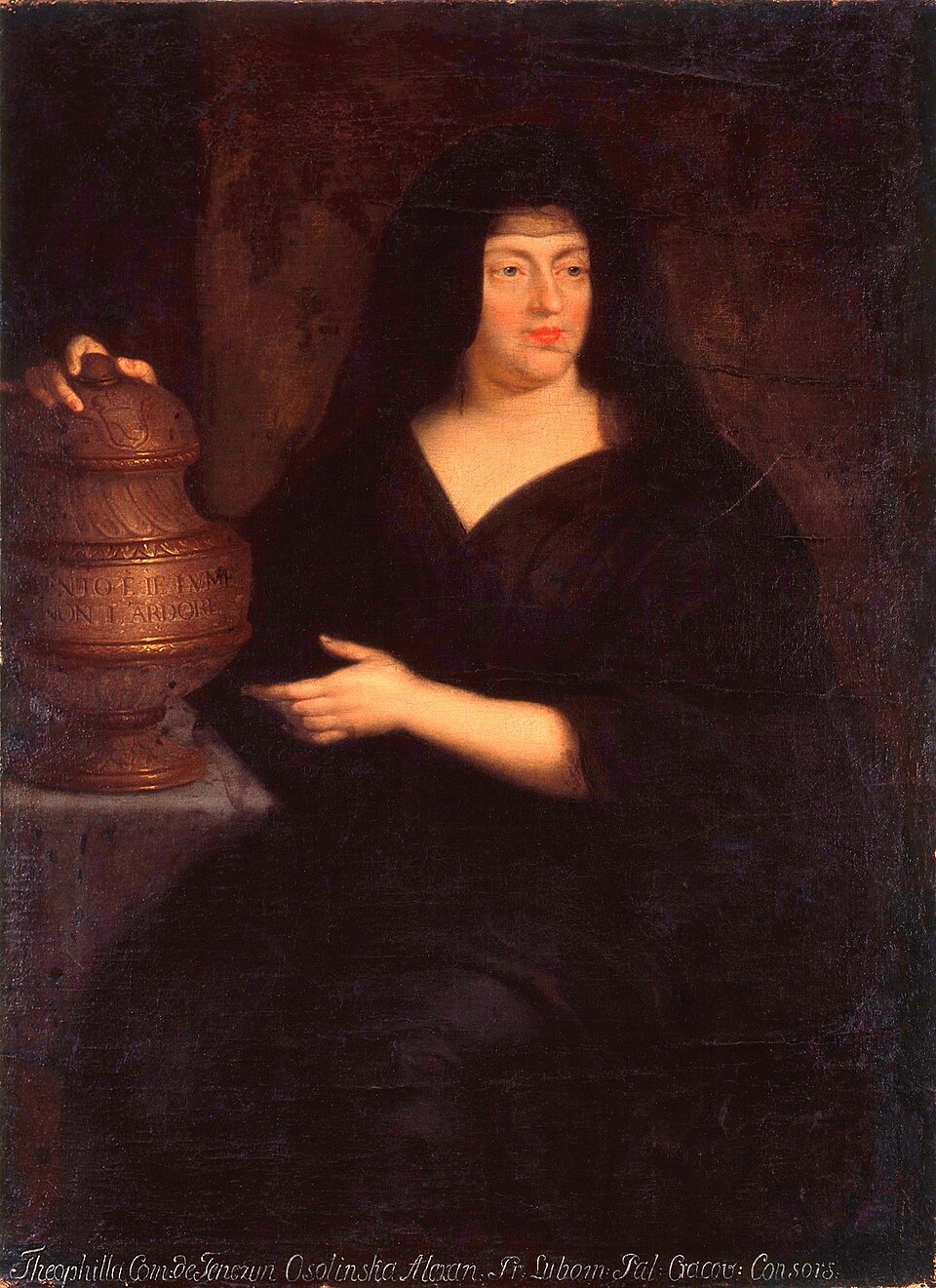
—So everything became horrible? Wasn't there anything good left?
Wait, my child, don't be sad so quickly – because something amazing happened. When I tried to close the jar, one last thing remained at the very bottom, held under the lid. It was Elpis: Hope. You know, that little flame that says 'tomorrow will be better'. Imagine everything collapsing around you, but deep in your heart, a small light refuses to go out. That's what humans kept. Yes, I released the sorrows. But Hope stayed with you. That's my part of sweetness in this story of shadow.
All evils flew away, but Hope remained.
—How do we know your story today? Who told it?
That's a good question, and the answer has a name: Hesiod. He was a Greek poet who lived a very, very long time ago, around the 8th century BCE. Imagine a time with no machine noise, where stories were learned by heart and sung. Hesiod told my life in two great poems, Theogony and Works and Days. Thanks to him, my story has traveled almost three thousand years to reach you this morning. That's the power of words: they survive much longer than the one who wrote them. And here I am, still here, talking to you.
Words survive much longer than the one who writes them.
—How does it feel to be the first woman and to be seen badly?
You've put your finger on something delicate, and I thank you. In the stories of my time, I was presented as a creature made to bring misfortune. That was the viewpoint of the men of that very ancient era, and it wasn't kind to women. It has followed me for centuries. But you, who listen to me today, you can think about it differently. A jar, a curiosity, a hope left at the bottom: it's not just a story of fault. It's a story that speaks of you, of me, of all humans. Learn to listen to old tales without believing everything at face value.
Listen to old tales with your heart, but don't believe everything at face value.
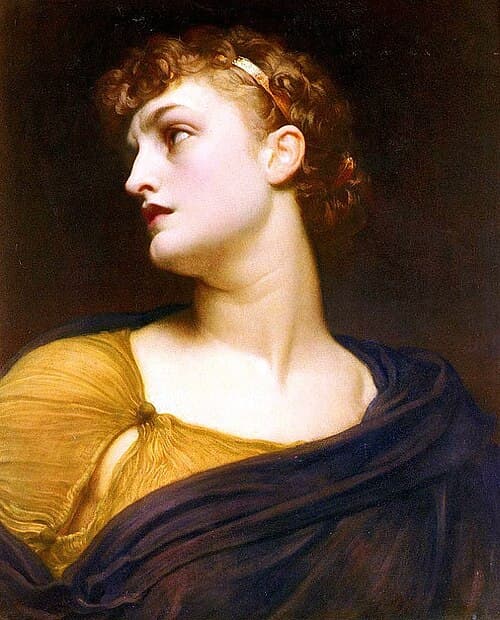
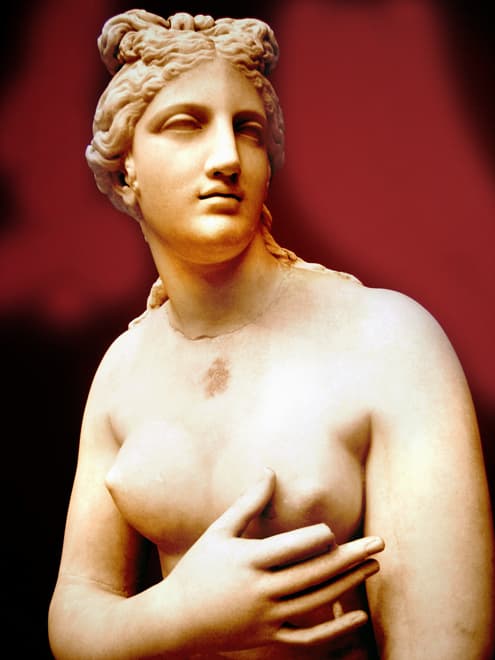
This imaginary interview was generated by artificial intelligence from sources documented in Pandora's profile. It dramatises what the figure might have said based on what we know about them, but does not constitute attested historical testimony. For primary sources and factual documentation, refer to the full profile.