Imaginary dialogue between Joachim du Bellay and Pierre de Ronsard
by Charactorium · Pierre de Ronsard (1524 — 1585) · Literature · 4 min read
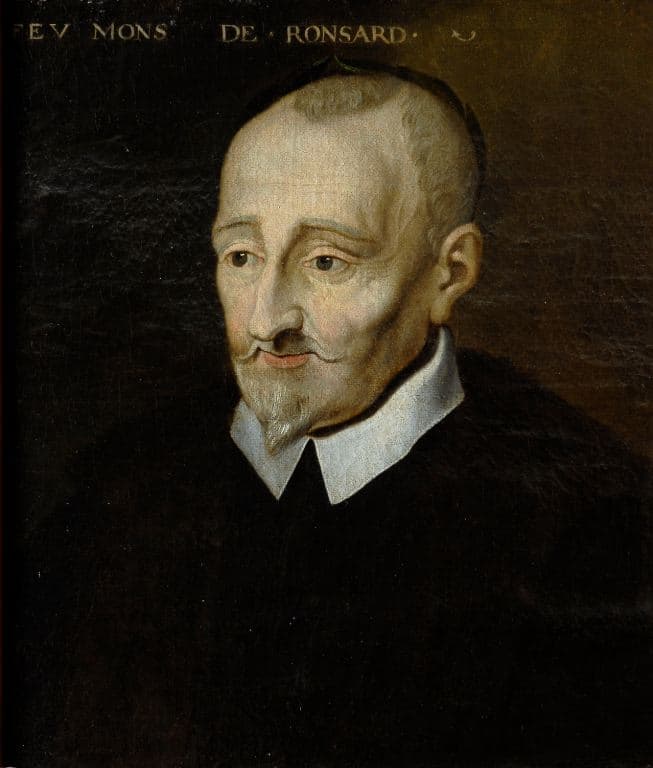
It is in the garden of the priory of Saint-Cosme, near Tours, that Joachim du Bellay finds his old companion on a summer evening. The rosebushes that Ronsard tends himself perfume the path, and somewhere a lute is being tuned behind the walls. The two men have known each other since the Collège de Coqueret, where they dreamed together of elevating the French language. Du Bellay comes without a courtier's notebook, but with the questions one only asks a brother-in-arms.
—My dear Pierre, do you remember our nights at Coqueret, under the rod of Jean Dorat? What were we really seeking there, you and I?
You who pored over the same Pindar as I, you know better than anyone, Joachim. We sought to wrench French poetry from its old courtly refrains and restore to it the breath of the Ancients. Dorat opened the Greeks for us like one opens a window: suddenly, the air rushed in. I remember we read until the candle smoked, drunk on words that no one around us understood. It was there, more than anywhere else, that our Pléiade was born — not in a manifesto, but in that shared hunger. Seven stars to rekindle an extinguished sky — that is what we wanted to be.
Seven stars to rekindle an extinguished sky — that is what we wanted to be.
—When you published your Défense, some called us mad for claiming to equal Latin. Why did you fight for the vernacular?
Because a language that serves notaries can also serve the gods, Joachim — and the Ordinance of Villers-Cotterêts had just made French the language of legal acts. All that was missing was to dare it in poetry. They reproached us for imitating the Greeks and Latins, but to imitate was to digest their strength to nourish our own, not to ape them. I wanted to prove that French could carry the Pindaric ode, the hymn, even the epic. Those who laughed still spoke the old poetry of the Jeux Floraux; we were building a new house. Time, I believe, will prove us right more than any quarrel.
A language that serves notaries can also serve the gods.
—You were destined for diplomacy, a page in Scotland with Princess Madeleine. What shattered that courtly destiny?
An illness, around my fifteenth year, that left me half deaf for the rest of my days. Imagine, Joachim: a page whom embassies no longer serve, because he only half hears what kings whisper. The world of cabinets closed before me like a door. I might have despaired; instead I turned to the silence of books, the only interlocutor that never lowers its voice. Even today I dictate my verses to a secretary when the exchange tires me. This infirmity, which was to cut me off from the world, truly gave me poetry.
This infirmity, which was to cut me off from the world, truly gave me poetry.
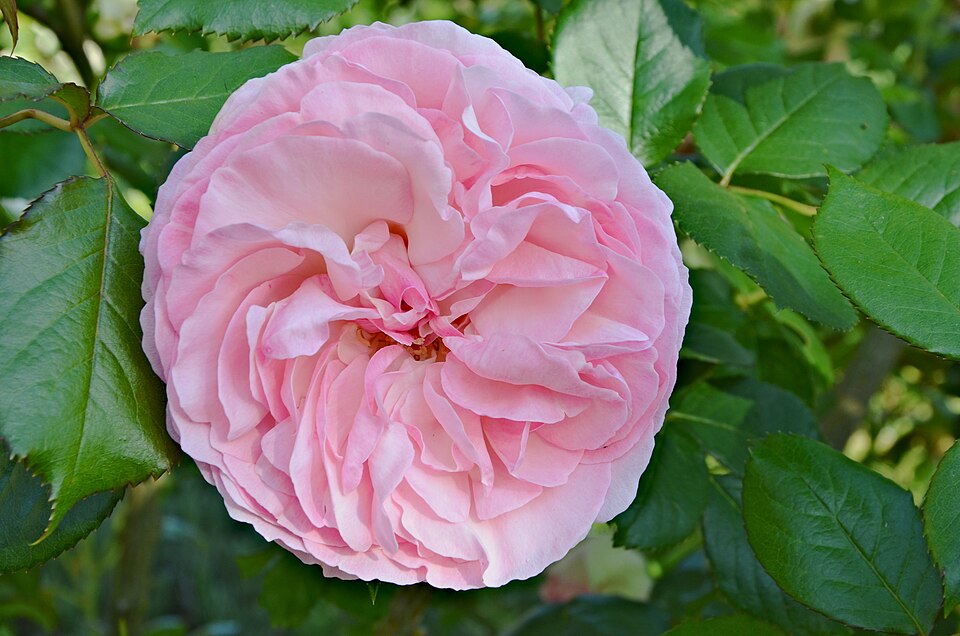
—Let's talk about Cassandre. Your Mignonne, allons voir si la rose is on everyone's lips. What were you seeking in that image of the flower?
The rose, Joachim, is the very face of time. In the morning it unfurls its purple robe in the sun, and by evening its petals strew the ground. I wanted to tell that young girl, and all girls, that their beauty is of that same fabric — radiant and doomed. It is not cruelty, it is tenderness: since everything fades, one must seize the day while it burns. The Latins called it carpe diem, and Petrarch had shown me how to bend the sonnet to such loves. But behind the invitation lurks a gentle threat: love now, for tomorrow I will have only verses to mourn you.
The rose is the very face of time: radiant and doomed.
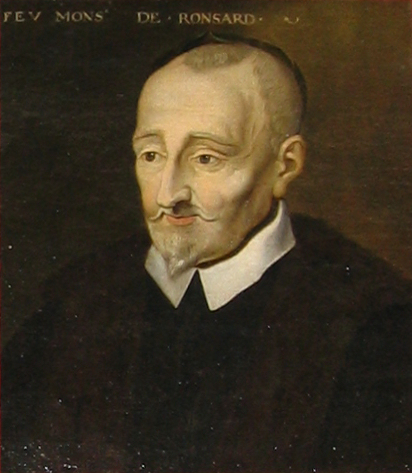
—Later you sang of Hélène de Surgères. Your Sonnets pour Hélène sound more solemn than the first ones. Did age change your song?
It darkened it, and I hope deepened it. With Cassandre, I promised the present; with Hélène, I promise the future. I tell her that one day, old by the fire, spinning her distaff, she will sing my verses and marvel at having been loved by a poet. See the ruse, Joachim: it is she who, refusing my love, will end up existing only through it. That is the only true power I know — not to stop time, but to survive it through song. Flesh wrinkles, the rose falls, but the verse keeps intact the youth of the one it has named.
I don't know how to stop time, only to survive it through song.
—Our France is tearing itself apart between Catholics and Huguenots. You, the man of loves and roses, why did you take up the pen for the Discours des misères de ce temps?
Because one does not sing of the rose when the house is burning, Joachim. When I saw the kingdom turning its own weapons against its belly, I could not stay silent behind my sonnets. I wrote what I saw: the Turk armed against Christians, Christians armed against themselves, the people dying of thirst in their homes. The poet is not just a maker of sweet things; he is also the conscience of his city. I defended the faith of my fathers and the unity of the kingdom, knowing it would earn me enemies. But to keep silent when everything collapses would have seemed the worst cowardice.
One does not sing of the rose when the house is burning.
—The Protestant poets, Agrippa d'Aubigné at their head, attacked you ruthlessly. How do you live with this war waged in verse?
Hardly, I won't hide it. They painted me as a bought courtier, a faithless priest pocketing his benefices. To those insults, I replied with my strongest weapon: verse. My weapon is not the sword but the cadence, and I believe I wielded it as well in polemics as in love. What grieves me, Joachim, is not that they fight me — it is that poets, brothers in the French tongue, turn against France the talent we wanted to give her. We dreamed of elevating our language together; now they use it to dig graves. What sadness to see such a beautiful gift so ill used.
My weapon is not the sword but the cadence.
—King Charles IX commissioned a great national epic from you. What has become of this Franciade that the whole kingdom awaits?
It sleeps, Joachim, and I fear it will sleep long. The king wanted for France its Aeneid, a poem that would trace the Franks back to Troy, and I accepted fervently. But the ancient epic is a plant difficult to acclimatize under our sky: I wrote four cantos where twenty-four were promised. The death of Charles IX carried away the momentum, and my taste and strength turned elsewhere. I confess I am more at ease in the short ode and the sonnet than in that long heroic breath. Not every seed sprouts; this one, perhaps, awaited a different plowman than I.
The king wanted for France its Aeneid; I could only give him four cantos.
—Right here, at Saint-Cosme, the king came to visit you. They now call you 'prince of poets'. What remains of that glory, beneath these rosebushes?
The laurel crown, Joachim, weighs less than one thinks when one has lost hearing and the body is unraveling. That the king came to my retreat, sick and aged, touched me more than all titles: it was the friendship of a man, not the homage of a court. But what I truly savor is this garden, these benefices that feed me without enslaving me, time to reread and correct endlessly. Glory is one more flower, which will fade like the others. What will remain, if anything remains, are not the crowns: it is the verses that we have made, you and I, for our language.
Glory is one more flower, which will fade like the others.
This imaginary interview was generated by artificial intelligence from sources documented in Pierre de Ronsard's profile. It dramatises what the figure might have said based on what we know about them, but does not constitute attested historical testimony. For primary sources and factual documentation, refer to the full profile.