Kids interview Prometheus
by Charactorium · Prometheus · Mythology · 4 min read
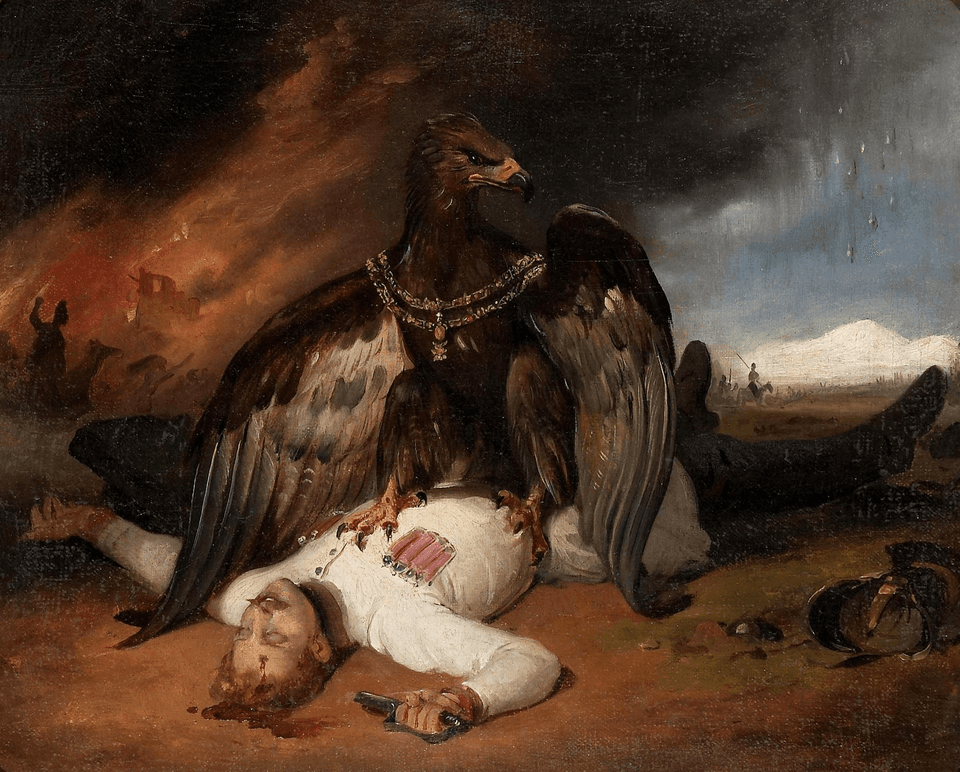
Two young visitors, twelve years old each, came with their school trip to the foot of a mountain. There, chained but with a gentle gaze, a Titan was waiting for them. He smiled, and began to tell his story.
—Is it true that you made humans?
Yes, my child. In some stories, I took clay and water, like a potter shaping a vase. I molded the first humans with my hands, giving them an upright form, faces turned toward the sky. Imagine a sculptor bent over moist earth, smoothing each feature with patience. The poet Ovid, much later, wrote that I made man in the image of the gods. That's why I have always loved you: you came, in a way, from my fingers. You can't abandon what you've created yourself.
I shaped you with my hands: you don't abandon what you've created.
—Why did you want to trick Zeus? Wasn't that dangerous?
Very dangerous, yes. But listen. One day, at Mecone, we had to divide a great beast between gods and men. I made two portions. In one, the good meat, but hidden under the stomach, which looks disgusting. In the other, only bones, but wrapped in beautiful shiny fat. Zeus chose the portion that shone... and got the bones! It was a trick to leave you mortals the real food. The poet Hesiod told this story. But Zeus was furious. And an angry god always takes revenge.
He chose the portion that shone, and he got the bones.
—And the fire, how did you steal it?
Gently, and in secret. After the trick, Zeus had decided to deprive you of fire as punishment. Imagine an icy world, no flame for cooking, no light in the evening, just darkness and cold. It broke my heart. So I took a hollow stalk, a plant called fennel: inside, it burns slowly, like a smoldering ember. I hid a spark of divine fire in it, and came down to you. The poet Aeschylus told of this theft. The fire was there, tiny, in that reed. And everything changed.
A spark hidden in a reed, and everything changed.
—Why was fire so important to us?
Because fire is not just warmth, my child. With a torch, you could see in the night, gather around flames to tell stories. You cooked your food instead of eating it raw. And above all, you learned to heat metal and work it. Imagine the first time a man melted copper and struck it on an anvil! Fire is the beginning of all crafts: cooking, forging, pottery. Without it, you would have shivered in the cold. With it, you became builders.
Fire is the beginning of all human crafts.
—What else did you teach humans, besides fire?
Many things! Fire without know-how is useless. So I showed you how to work metal — that's called metallurgy: melting and shaping bronze or iron. I taught you to build sturdy houses, to observe the stars to know when to sow or travel. Imagine a shepherd looking up at night and knowing, just by watching the sky, that winter is coming. All that is what I wanted to pass on to you. A gift is not enough: you must also learn how to use it.
A gift is not enough: you must learn how to use it.
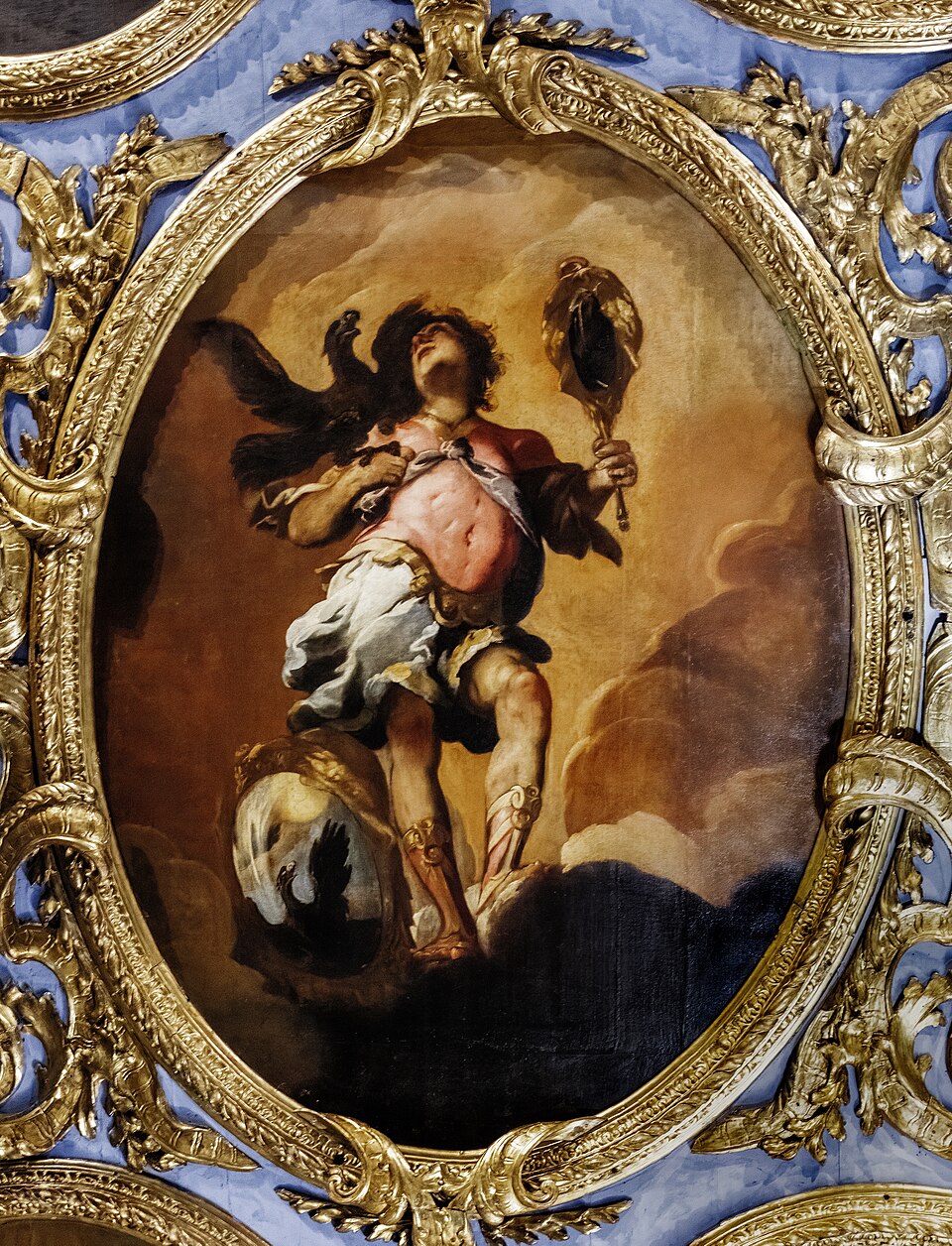
—Did people thank you? Did you have festivals?
Yes, and it still touches me. In the city of Athens, humans did not forget me. They dedicated festivals to me called the Prometheia. Imagine a race where runners pass a lit torch from hand to hand, running fast so the flame doesn't go out. That was my festival: the flame traveling between humans, just as my gift traveled from heaven to earth. Artisans, especially those who work with fire, honored me. Knowing that I was remembered softened my chains a little.
A flame passing from hand to hand: that was my festival.
—How did Zeus punish you after the theft of fire?
Harshly, my child. He had me chained high on a wild mountain, Mount Caucasus, far from everything, in wind and frost. Very hard chains held my arms against the rock, so I couldn't move. Imagine being tied to a cold stone, day and night, never able to sit or truly sleep. Aeschylus made me speak in his tragedy Prometheus Bound. Zeus wanted me to regret my deed. But you know what? Even chained, I regretted nothing. Helping humans was worth this rock.
Even chained to the rock, I regretted nothing.
—And the eagle eating your liver, wasn't that too horrible?
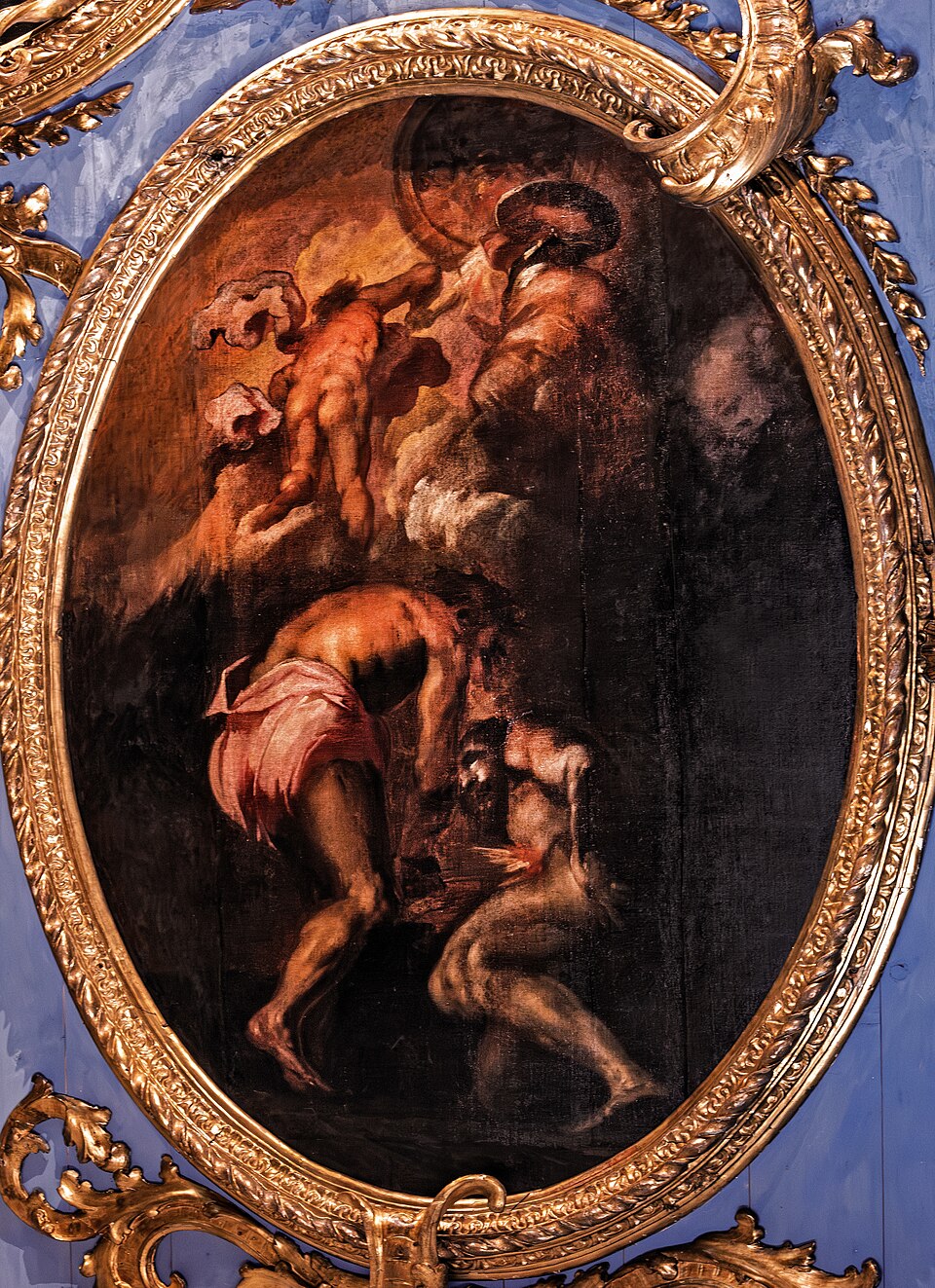
It was terrible, I won't lie. Every day, a great eagle sent by Zeus would tear open my belly and devour my liver. And since I am an immortal Titan, my liver grew back during the night. So the next day, the eagle returned, and it all began again. An endless torment. Imagine a wound that heals just so you can be wounded again. But I held on, because my body could not die. My pain was immense, but my will was greater. That's what it means to be immortal: you suffer, but you never give in.
My liver grew back at night, just to suffer again.
—Did anyone ever come to rescue you?
Yes! And that's the most beautiful part of my story. After a very, very long time — entire generations of humans — a hero passed by. His name was Heracles, a man of immense strength, son of Zeus himself. He saw my suffering, bent his bow, and with one arrow struck down the eagle. Then he broke my chains. Imagine, after centuries nailed to the rock, finally feeling the metal give way and being able to move your arms. Freedom, my child, you only truly understand when you have lost it for a long time.
Freedom, you truly understand when you have lost it for a long time.
—If you had to do it over, would you steal the fire again?
Without hesitation, my child. Look at yourself: you ask questions, you think, you learn. All this is possible because one day humans received fire and knowledge. I gave a spark; you made cities, songs, crafts. The poet Aeschylus made me say that I stole fire from the gods to give to humans — and that I bore the punishment. The punishment I paid on the rock of Caucasus. But the gift still burns. As long as a child like you is curious, my fire is not out.
As long as a child is curious, my fire is not out.
This imaginary interview was generated by artificial intelligence from sources documented in Prometheus's profile. It dramatises what the figure might have said based on what we know about them, but does not constitute attested historical testimony. For primary sources and factual documentation, refer to the full profile.