Imaginary dialogue between Héraclès and Prometheus
by Charactorium · Prometheus · Mythology · 6 min read
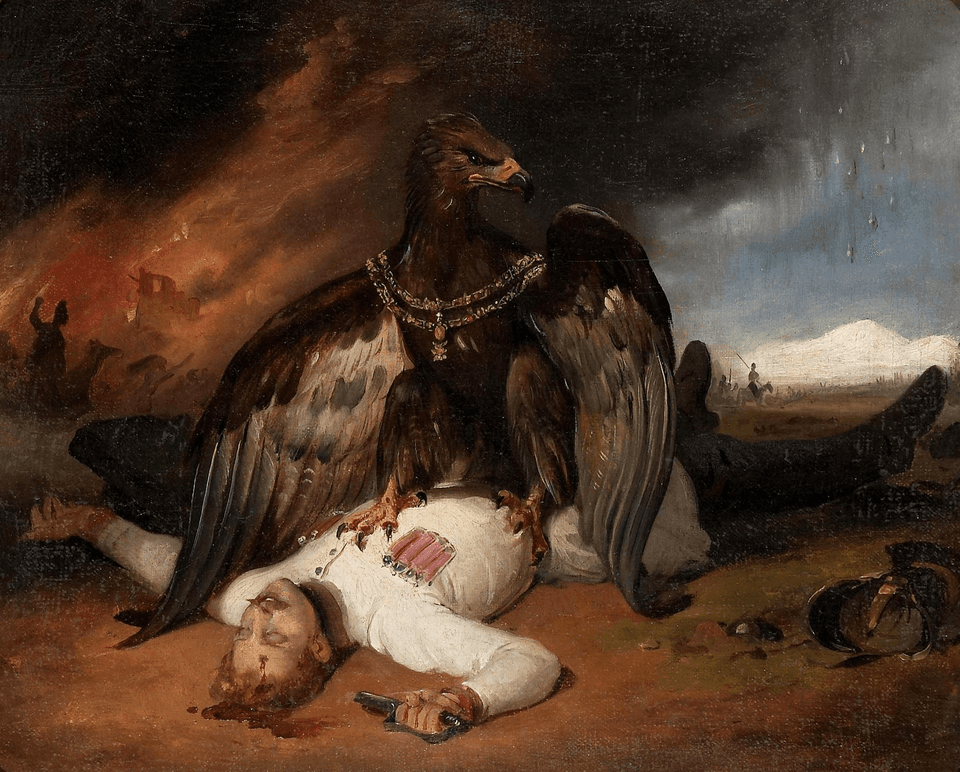
It is at the foot of the Caucasus, on the wind-beaten ridge where the rock still bears the mark of chains, that Heracles finds the Titan he has just freed. The eagle lies lower down, struck down by an arrow, and the smell of blood mingles with that of cold stone. The two have known each other for a long time — the hero descends from the mortals whom Prometheus loved so much, and it is for this reason that he came to break the iron. He sits down near the Titan, still stiff, and wants to understand what earned such a punishment.
—Titan, I have just broken your bonds and struck down the bird. Tell me: how long did these chains hold you against this rock?
Generations, Heracles, more than you could count on your fingers. The iron you just broke, Zeus had forged so that it would never yield — and it yielded only to you. Each day the eagle descended at the same hour, opened my side and devoured my liver; each night the flesh grew back so that the torment might begin again at dawn. I knew the beat of its wings before I even saw it. You ask me how I endured: I am a Titan, death was not offered to me as a release. I had to endure, and make endurance itself my answer to the tyrant. As long as I breathed on this rock, I proved to him that he had not conquered.
As long as I breathed on this rock, I proved to the tyrant that he had not conquered.
—In the world of men they say you suffered for a theft. What was this theft that deserved such vengeance?
Fire, Heracles. Fire that the gods kept for themselves alone, jealously, as one guards a treasure for fear it might elevate others. Mortals shivered in the dark, ate raw, died without recourse, and Zeus rejoiced to see them so low. I saw this from Olympus and could not bear it. So I stole the eternal flame from the immortal gods and brought it to men. This gift changed everything: light in the night, warmth against the cold, metal that melts and is worked. You who were born among them, you enjoy every day what I took. My crime is that I did not believe men should remain beasts.
My crime is that I did not believe men should remain beasts.
—But how does one steal a flame from watching gods? How did you carry it without it going out along the way?
With cunning, as always. I did not seize a blazing fire with bare hands — who could? I took a fennel stalk, that hollow reed that grows on the slopes, and hid the spark inside, nestled in the dry pith. The fire smoldered within, invisible, patient, as I descended to earth. A simple branch in a traveler's hand — who would have suspected it contained the power of the gods? Thus the torch was born: a stick that carries light from one hearth to another. Men still pass it from hand to hand, from house to house. The fennel cost me this rock, but without it, Olympus would have kept its secret for eternity.
A simple branch in a traveler's hand — who would have suspected the power of the gods?
—Before fire, they say you had already tricked Zeus during a division. What did you dare do that day at Mecone?
Ah, Mecone. The portions of the sacrificed beast had to be divided between gods and men, and I was entrusted with this task. I set out two portions. Under an unappetizing skin, I placed the nourishing flesh, the good meat for mortals; under the glistening fat, beautiful to the eye, I put only the white, bare bones. I let Zeus choose. His greed drew him to the shiny, to the fat — and underneath he found only bone. That is why, even today, men burn the bones on altars and keep the meat for themselves. Zeus knew he had been tricked, and his anger never abated. But the fate of mortals was eased, and that is all that mattered to me.
—You who love mortals so much, some whisper that you are far more than their benefactor. Did you bring them into being with your own hands?
So it is said, Heracles, and I will not deny it. Before fire, before the trick, there was clay. I took the moist earth, mixed with water, and shaped a form raised toward the sky — not bent toward the ground like the beast, but upright in the image of the gods. This fragile creature, naked, without claw or fur, was man. You yourself, hero, descend from that clay my fingers kneaded. Understand then why I could not abandon him: one does not mold a being only to let it later die of cold and ignorance. Fire, arts, everything I gave afterward was merely continuing the work begun in the mud. A father does not disown his child because a god commands it.
One does not mold a being only to let it later die of cold and ignorance.
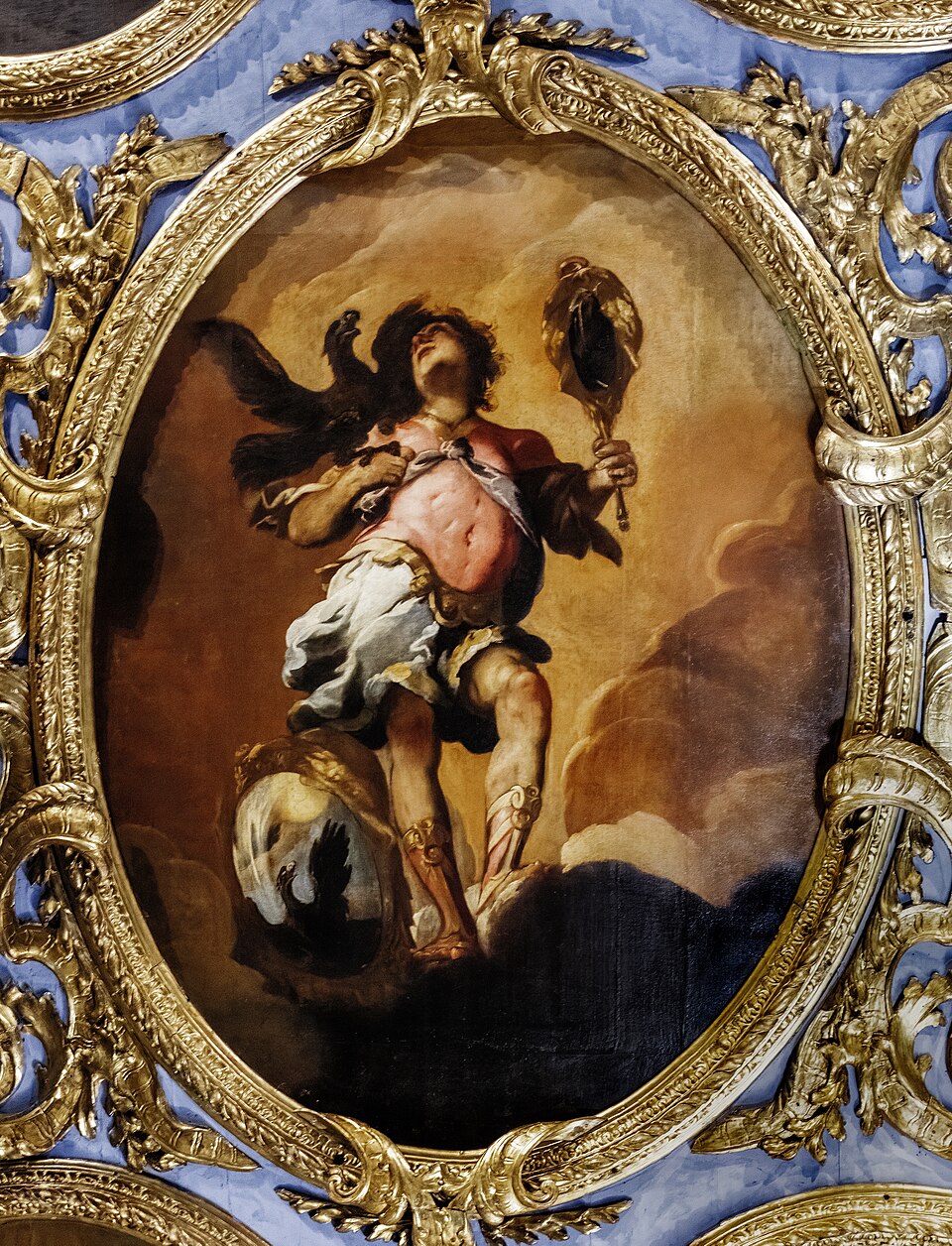
—Does fire alone make a city? When I travel the world of men, I see forges, temples. What else did you teach?
Fire was only the first key, Heracles. With it in hand, man could learn — without it, nothing. I showed them how to extract metal from stone, how to melt and strike it on the anvil to make tools and blades. I taught them to raise straight walls, to cut timber, to build dwellings that withstand the storm. I directed their eyes to the sky so they might read the course of the stars, count the seasons, know when to sow and when to reap. Before me, they acted without knowledge, as if in a dream. Fire lights the flame; but it is knowledge that builds the city. Everything you admire in their works began with a lesson I gave them.
Fire lights the flame; but it is knowledge that builds the city.
—You speak of the anvil and metal like a craftsman. Did you love this forge work for its own sake, or only for men?
For both, I admit. We Titans know matter, its resistance and its secrets; there is a joy in bending stubborn metal, in seeing a plowshare or a cup born from a shapeless block. But this joy I wanted to pass on. The anvil under the hammer, the ore glowing red, the object taking shape: that is civilization being born. Consider a simple amphora — fire is needed to bake the clay, skill to turn it, and suddenly man can store his grain, his oil, his wine, trade with his neighbor. Every tool I put in their hands made them a little freer from hunger and chance. The tyrant wanted supplicants; I preferred artisans.
The tyrant wanted supplicants; I preferred artisans.
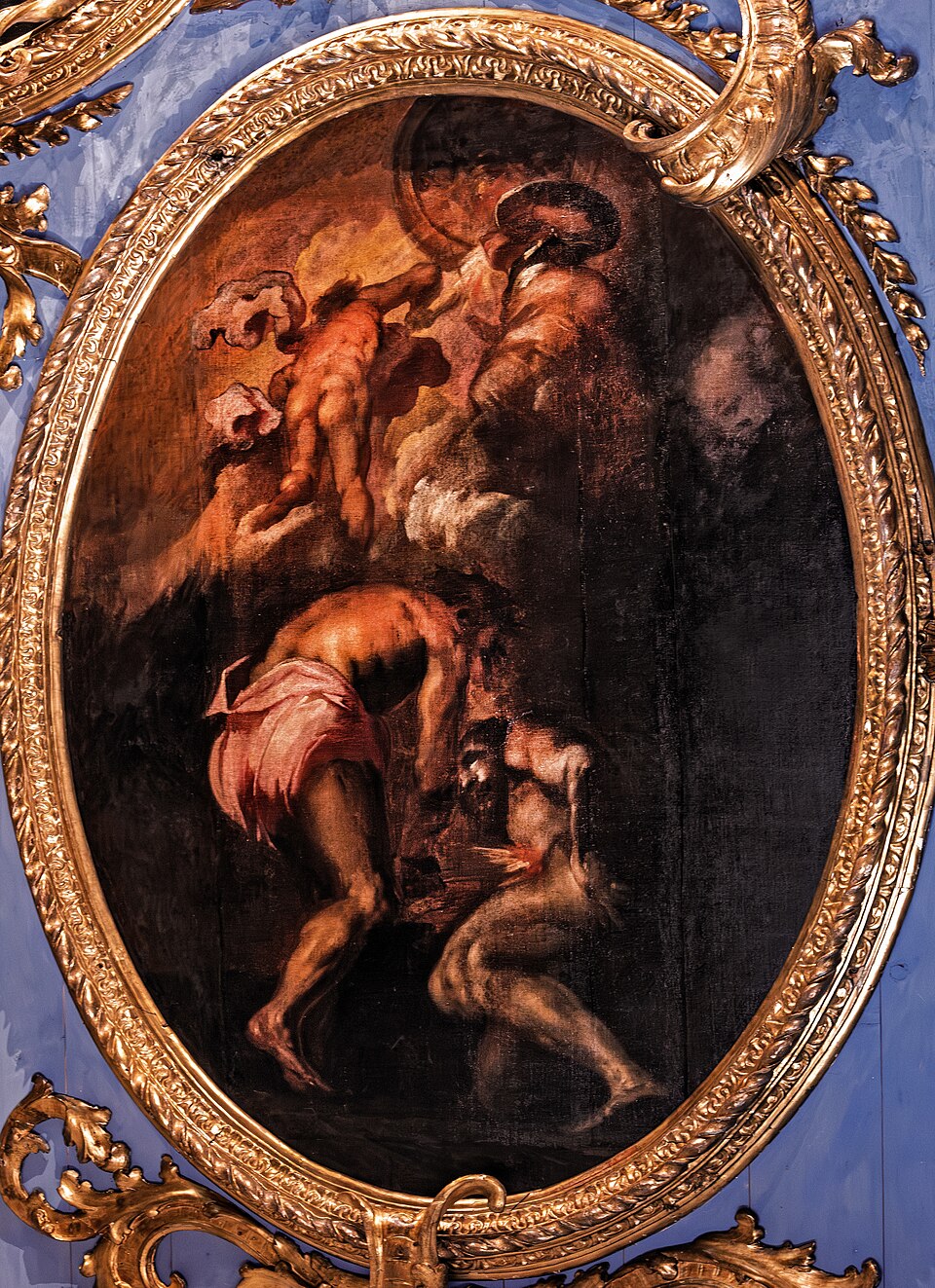
—During those centuries chained, the eagle returning each day, did you never think of bending, of begging Zeus to shorten your pain?
Not once, Heracles. Do you think the pain was light to me? The beak entering my side, the liver torn out alive, and the night restoring my flesh only to offer a new feast to the beast come morning — I knew that day after day, with no end I could foresee. But to beg would have been to give him reason, to admit that men were not worth this price. Yet they were. I knew something that Zeus did not, a secret about the future of his throne, and he would have paid dearly to tear it from me. I kept it. My silence under torment was my last weapon. You can chain a Titan's body; you cannot chain a will that has chosen.
You can chain a Titan's body; you cannot chain a will that has chosen.
—Here I stand before you, my bow still warm. Why do you think it was I, a son of mortals, who was sent to free you?
Because it had to be you, and no other. See the irony, Heracles: I saved the race of men, and it is a man — you, their greatest — who comes to save me in turn. The gift I made at the foot of Olympus returns to me today on this rock. No god would have raised a hand against Zeus's sentence; it took the strength of a hero born from the clay I kneaded. Your arrow did what centuries could not: strike down the tyrant's bird. Do you now understand why I loved these mortals so? I knew that one day one of them would rise. You are the living proof that my sacrifice was not in vain.
I saved the race of men, and it is a man who comes to save me in turn.
—Now that you are free, Titan, if you had to do it over — would you take the fennel and the fire again, knowing this rock awaited you?
Without hesitation, Heracles. You ask if I regret: I regret nothing. One moment of light given to men was worth all the mornings the eagle descended. Fire still burns in their hearths, it passes from torch to torch, from father to son, and it will never go out. That is what Zeus never understood: you can punish the giver, but you cannot take back the gift once it has taken root. The flame is with men forever. My chains, meanwhile, fell this morning under your hand. If I were offered forgetfulness of my pain in exchange for the fire taken back, I would refuse. Better a tortured Titan and men standing tall, than a peaceful Titan and men on their knees in the dark.
You can punish the giver, but you cannot take back the gift once it has taken root.
This imaginary interview was generated by artificial intelligence from sources documented in Prometheus's profile. It dramatises what the figure might have said based on what we know about them, but does not constitute attested historical testimony. For primary sources and factual documentation, refer to the full profile.