Imaginary interview with Prometheus
by Charactorium · Prometheus · Mythology · 6 min read
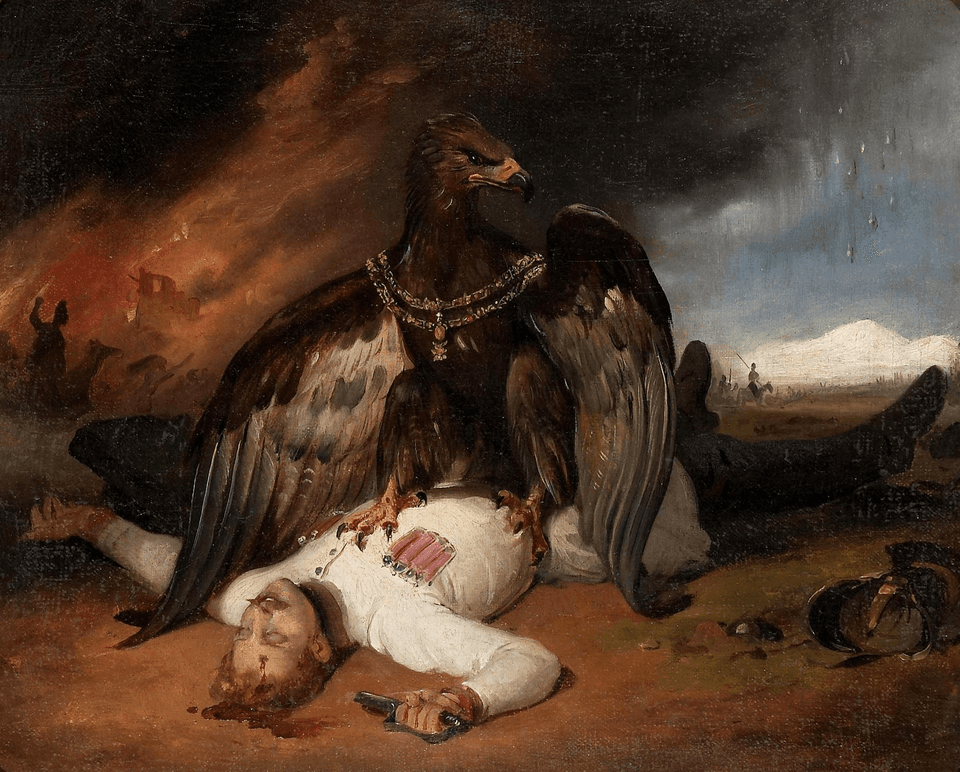
On the flank of a mountain in the Caucasus, where the wind scours the bare rock, adamantine chains hold a Titan with an immense gaze riveted. The eagle has just departed for the day; the wound is already closing. In this respite snatched from eternity, he whom the Greeks call the Forethinker agrees to speak — of fire, of clay, and of that king of the gods he has never ceased to defy.
—Before fire, they say, there was clay. How did you become the one who shaped men?
They think of me only as a thief; they forget that I was first a molder. I took the damp clay, mixed it with water, and with my hands kneaded a form that stood upright toward the sky, in the image of the Olympians. But a statue of mud does not walk, does not think, does not tremble before the storm. Those creatures were naked, without claw or fur, the most helpless of all beasts. I bent over them like a father over a newborn who knows nothing. It was that very weakness that sealed my coming transgression: I could not abandon them shivering in the night. He who shapes a creature with his hands becomes forever its debtor. That is how all my misfortune begins — with earth and tenderness.
He who shapes a creature with his hands becomes forever its debtor.
—Molding was not enough, it seems. What did you then pass on to them?
Once upright, my men remained dazed. They saw without understanding, heard without deciphering. So I opened their minds as one opens a closed door. I taught them to read the course of the stars to know the seasons, to raise walls and timbers against the cold, to draw metals from the earth and beat them on the anvil. Metallurgy, architecture, the measurement of the sky: all this was my gift before the spark itself. The Romans later said that Ovid saw me knead them 'in the image of the gods' in his Metamorphoses. But the image is worth nothing without the knowledge that animates it. I wanted my creatures not only to be beautiful: I wanted them to be capable. It was that ambition that cost me with Zeus.
—Let us speak of the sacrifice at Mekone. What really happened that day between Zeus and you?
At Mekone, gods and mortals were to settle the division of the sacrificed beast. The arbitration was entrusted to me, the Titan of cunning thoughts. I made two portions. Under an unappealing skin, I hid the nourishing flesh and innards; under a layer of glistening, appetizing fat, I placed only the white bones. I invited Zeus to choose. He took the fat, and discovered the bones. Hesiod recounts this scene in his Theogony: the king of the gods understood the trickery, and his anger never died. Some believe he was duped; I think he saw clearly and chose anyway, to have a pretext. A Titan does not deceive the master of thunder without his willing it somewhat.
A Titan does not deceive the master of thunder without his willing it somewhat.
—That trick cost you dearly. Would you say it was worth it?
It set everything in motion. Furious at seeing the best portions go to mortals, Zeus took fire away from them in retaliation: let them eat their meat raw, in the cold and darkness! That was punishing my men for my audacity alone. That is the chain of events: the trick at Mekone, then the refusal of fire, then the theft that followed. They call me a Titan of revolt against authority, and that is true; but I never sought revolt for its own sake. I sought to ensure that the creature molded by my hands was not stripped bare for a portion of fat. If asked whether it was worth it, I answer with these chains: I still bear them, and I would do it again.
—Then comes the most famous deed. How did you steal fire itself?
Fire was guarded up there, jealously, an eternal flame reserved for the immortals. To take it with bare hands would have betrayed me. So I plucked a stalk of fennel — that hollow plant whose dry pith harbors embers without letting them die. I slipped the stolen spark inside, and descended toward the Earth of men, that smoking stalk clutched like a torch against my chest. Aeschylus says, in his Prometheus Bound, that I stole fire from the gods to give it to mortals. When the first flame caught in their hearths, I saw their faces light up with a light that was no longer the sky's, but their own. That Sacred Fire changed everything: they could cook, forge, keep watch in the night. I had armed the creature of clay against the darkness.
A smoking fennel stalk clutched like a torch against my chest.
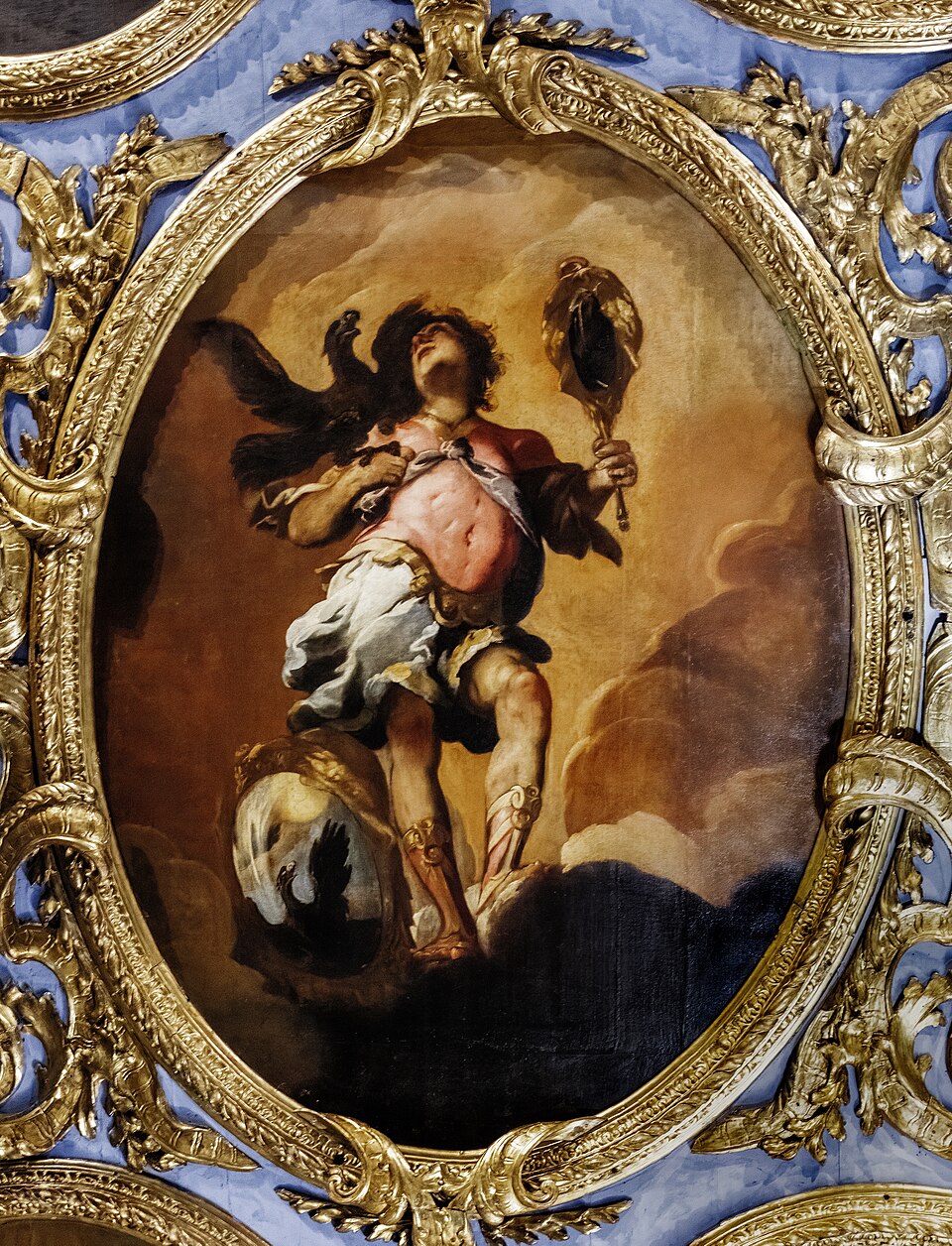
—Beyond warmth, what did you truly intend to offer with that flame?
Fire is not just a coal in the hearth. It is the threshold of all civilization. With it, clay becomes pottery, ore becomes bronze, night becomes vigil, and vigil becomes speech. My work, The Theft of Divine Fire, is not the tale of a theft: it is that of a passage. I made mortals into craftsmen, capable of transforming matter as I myself had transformed clay. That is why I say the flame was the extension of my molder's hands. Giving fire was completing the creation begun at Mekone — no longer just upright bodies, but minds capable of building. The rest, the rock and the eagle, is merely the bill presented by Zeus.
—That bill, precisely. Describe the punishment that binds you to this rock.
Look at these bonds: chains forged never to yield, that fasten me to the rock of the Caucasus facing the wind. Each day, the eagle of Zeus swoops down, opens my flank, and devours my liver. And each night, because I am a Titan and immortal, that organ grows back, intact, so that the feast may begin again at dawn. Hesiod, in Works and Days, says that Zeus sent me this torment because of the theft of fire, the liver regenerating for the next day's agony. That is the whole cruelty of divine calculation: one does not kill an immortal, one wears him down. My punishment has no end because I have no death. Eternity, which was my privilege as a Titan, has become the instrument of my torture.
Eternity, which was my privilege as a Titan, has become the instrument of my torture.
—How does one endure a torment without end? What keeps you standing?
They think me destroyed; I am chained, which is not the same. The chains bite into the flesh, the eagle returns, and yet I do not beg. What keeps me going is knowing why I am here: not for a crime, but for a gift. Down on Earth, fires burn in thousands of hearths that Zeus can no longer extinguish. As long as a single one of those flames dances, my torment has meaning. And I am the Forethinker: I know what others do not. I know that one day a son of mortal and god, Heracles, will climb this rock, break these bonds, and slay the bird. The tyrant does not know it. That certainty, no chain can tear from me.
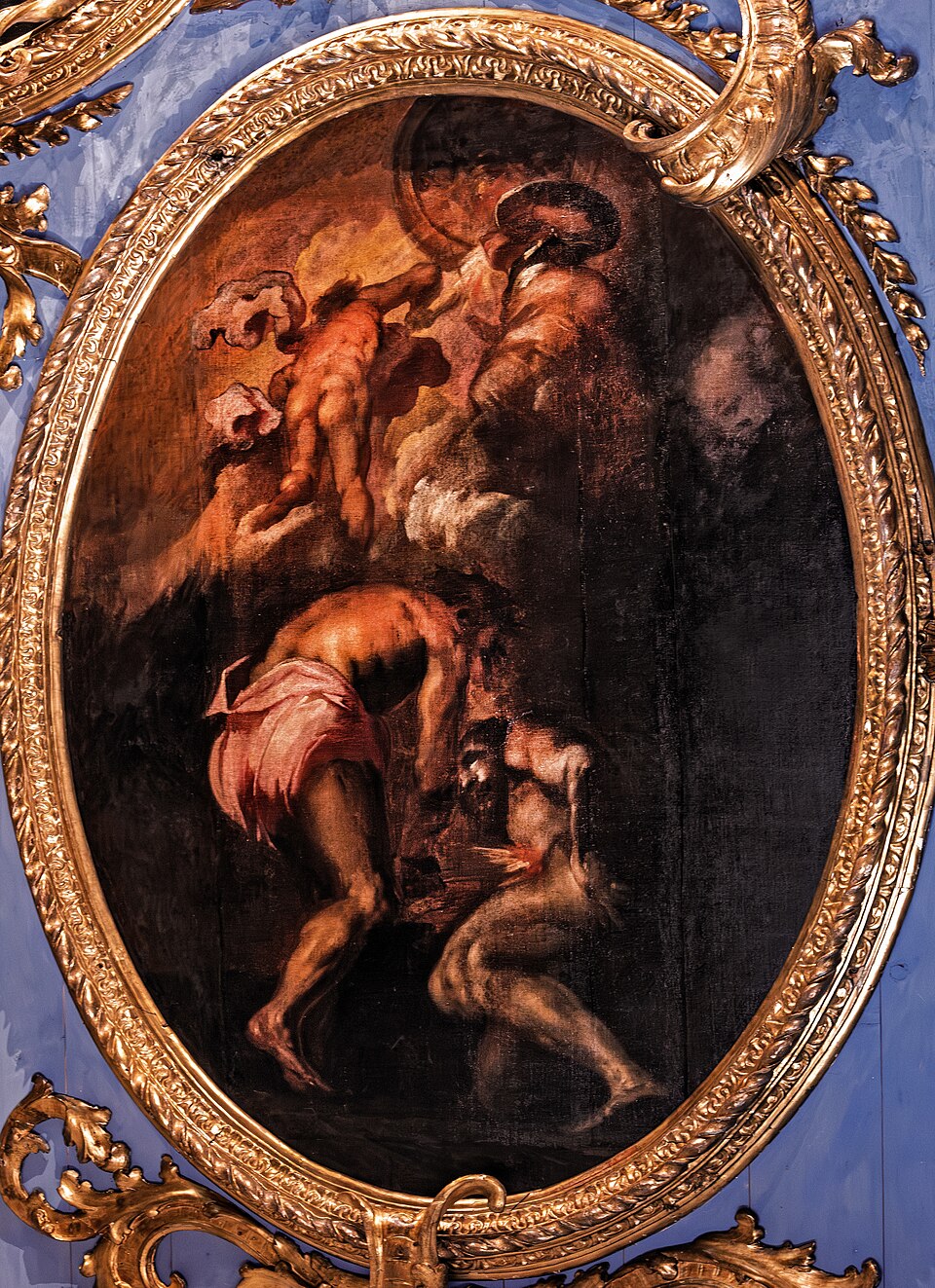
—You speak of Zeus with a strange constancy. What sets you so deeply against him?
Zeus rules by the thunderbolt; I rule by foresight — that is the very meaning of my name. He sees power, I see the future. At Mekone already, our quarrel was not a whim: it was two orders of the world clashing. His wants mortals submissive, ignorant, dependent on the goodwill of Olympus. Mine wants creatures capable, standing upright, masters of fire and the arts. I am a Titan, of that generation the Olympians defeated; but I did not take up arms against Zeus, I took the side of the weak. That is more dangerous than a spear. A king forgives an open rebellion; he never forgives the emancipation of his subjects.
A king forgives an open rebellion; he never forgives the emancipation of his subjects.
—They say that far from this rock, men honor you. What do you know of that cult?
Yes — and it is my sweetest revenge. In Athens, I am treated not as a criminal but as a benefactor. They celebrate the Prometheia, festivals where I am honored as the master of fire and the patron of craftsmen. The potters, the blacksmiths, all those whose hands transform matter through flame, know to whom they owe their art. During these festivals, I am told, runners pass a lit torch without letting it go out — the very flame I brought down from the sky, now running from hand to hand through the city. That is the civilization I wanted: not suppliants on their knees before Olympus, but men who pass the light among themselves.
Not suppliants on their knees, but men who pass the light among themselves.
—To conclude: if people still speak of you many generations from now, what would you want them to remember?
I am the Forethinker; I am allowed to imagine that I will be read long after these chains are dust. If so, let them not remember only the eagle and the rock of the Caucasus — the image of the tortured is too easy. Let them rather remember the hollow fennel stalk and the spark it sheltered. Let them remember that everything that elevates man — fire, the forge on the anvil, the arts I taught — was first an act of disobedience, paid for at a high price. The poets, Aeschylus, Hesiod, Ovid, have each sung a fragment of me. Let them say what they will: I want it remembered that a Titan preferred eternal torment to the cowardice of leaving his creatures in the dark.
Everything that elevates man was first an act of disobedience, paid for at a high price.
This imaginary interview was generated by artificial intelligence from sources documented in Prometheus's profile. It dramatises what the figure might have said based on what we know about them, but does not constitute attested historical testimony. For primary sources and factual documentation, refer to the full profile.