Kids interview Rama
by Charactorium · Rama · Mythology · 5 min read
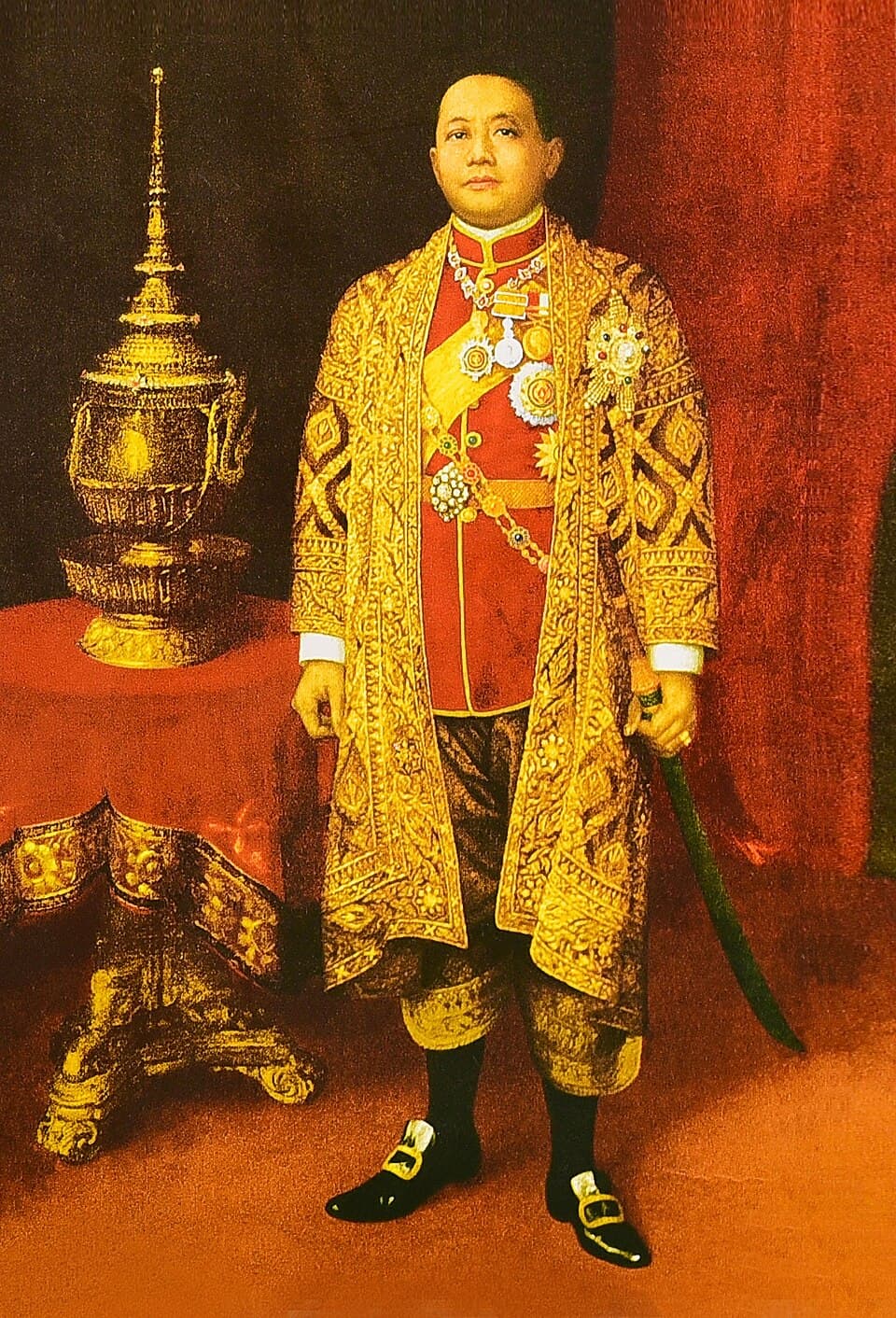
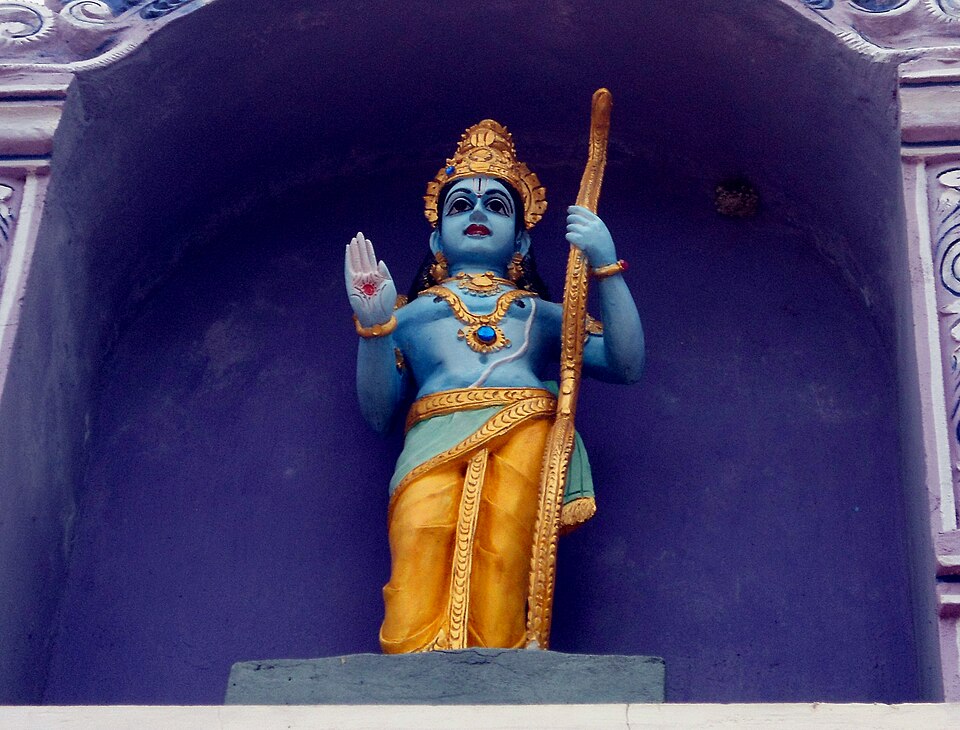
Two twelve-year-old visitors are on a school field trip. Before them, seated in the morning light, a prince with a massive bow looks at them and smiles. His name is Rāma, and he agrees to answer their questions.
—They say you had to leave your palace for fourteen years. Why was that?
You see, my child, my father, King Dasharatha, had made a promise long ago. And a king's word cannot be taken back, ever. The promise said I had to go live in the forest, far from the throne of Ayodhyā, for fourteen years. Imagine: one morning you are a prince, by evening you are walking barefoot toward the trees. I could have been angry. I could have refused. But I chose to keep my father's word, because for me, dharma — that is duty, what you must do even when it hurts — comes before the crown. A throne can be lost. A given word must remain straight.
A throne can be lost. A given word must remain straight.
—And in the forest, how did you live? Weren't you afraid at night?
I was not alone, and that changes everything. My wife Sītā and my brother Lakshman came with me. We settled for a time on the hill of Chitrakut, then in the great forest of Dandaka. Imagine a place with no walls at all, just trees, birds singing in the morning and animal cries at night. Yes, there were dangers, demons roamed. But I slept with a peaceful heart. Why? Because when you do what is right, fear has less room inside you. We ate fruits, roots, whatever the forest gave us. It was hard, but those were my truest years.
When you do what is right, fear has less room inside you.
—We were told a monkey army helped you. Is that true?
It is absolutely true, and I am proud of it! When the demon Rāvana, king of Lankā, kidnapped my dear Sītā, I was alone, without an army. Who came to help me? A people of monkeys, led by the faithful Hanumān. Imagine thousands of monkeys leaping from tree to tree to rescue a man they did not know. No one was laughing at them then. You see, my child, we always think help will come from the greatest, the strongest, the kings. And often it comes from elsewhere, from those we looked down upon. That is why I never despised anyone for being small.
We think help comes from the greatest; often it comes from elsewhere.
—How did you cross the sea to the demon's island?
Ah, the bridge! That is a story the children of my country still tell. Between us and the island of Lankā lay the whole sea. Not a single boat for so many. So my monkey army built a bridge, stone by stone, thrown across the waves — it is called the Rāma Setu, the bridge of Rāma. Imagine hands, thousands of hands, passing rocks from morning to evening without stopping. A great battle awaited us on the other side, against Rāvana and his armies. But I understood that day: no sea is too wide when many hearts pull in the same direction.
No sea is too wide when many hearts pull in the same direction.
—Were you angry at Rāvana for taking your wife?
Of course my heart ached, my child. Sītā had been torn from me, and every night away from her weighed heavily. But listen well: I did not fight only out of anger. Rāvana was powerful, learned, rich — but he took what was not his. When I went to fight him at Lankā, I was not defending only my happiness. I was defending the idea that one cannot do evil and keep peace. Anger is like fire: if you let it command you, it burns you first. I held it like one holds a lamp — to light what is right, not to set everything ablaze.
Hold anger like a lamp, not like a wildfire.
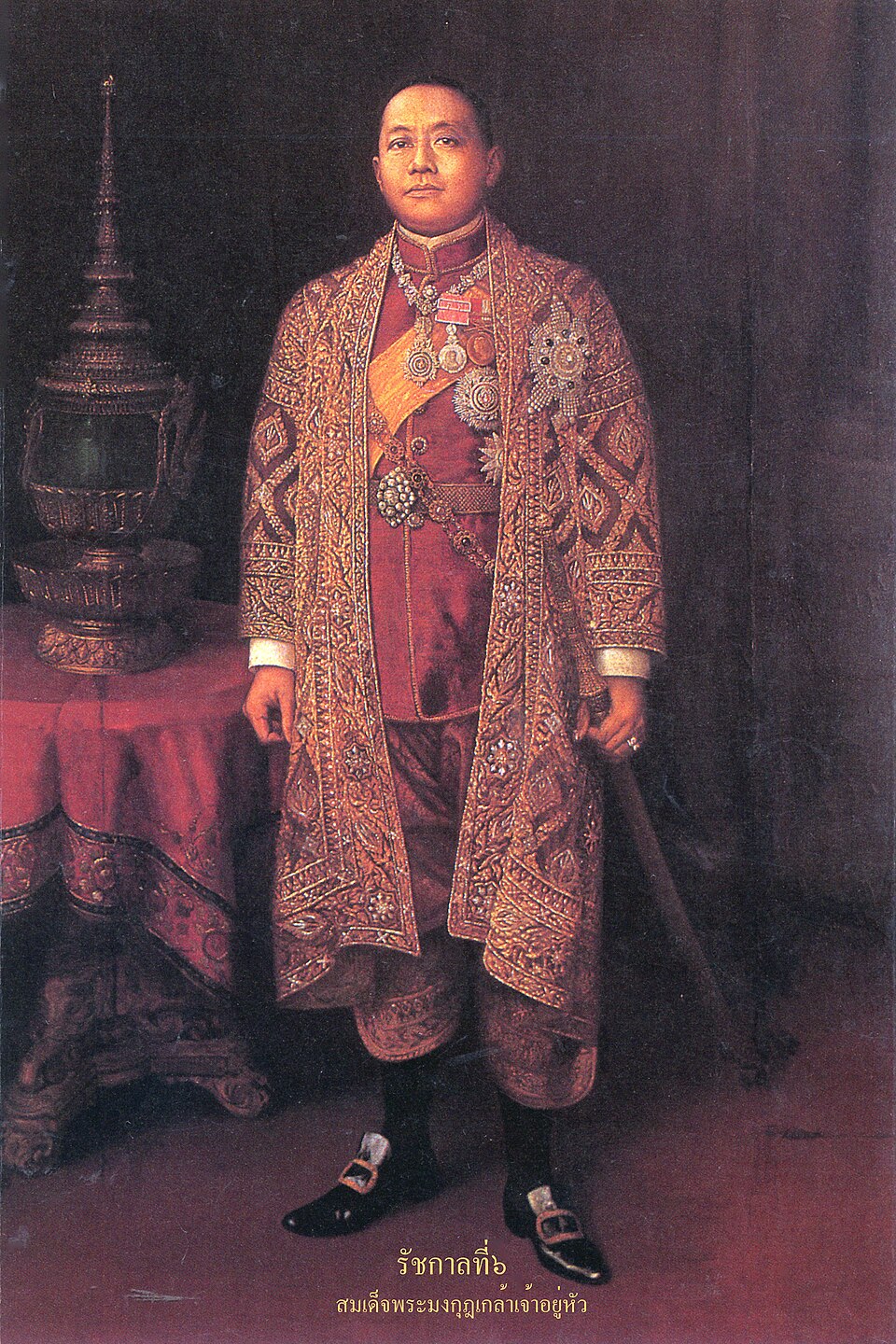
—People say you are a god. Did you know that?
That is a question that requires gentleness. The sages of my country say that I am the seventh avatar of the god Vishnu — an avatar is when a god descends to earth and takes a human body to restore order to the world. The Vishnu Purāṇa says that Vishnu incarnated as Rāma to destroy Rāvana and bring back dharma. But you know, I walked, I was hungry, I wept like you. Imagine someone very tall bending down to enter a small house: that is a bit like a god becoming human. I lived my human life as best I could. The rest is what the sages say.
A god becoming human is a giant bending down to enter your house.
—Did you have a special weapon? What did it look like?
I had a bow, and what a bow! It is called Sharanga, a divine bow. Imagine a bow so large and powerful that no ordinary man could even lift it. When I strung it, they say the sound rumbled like thunder in the sky. But listen, my child: a weapon is nothing without the hand that holds it. Sharanga was not for frightening the weak or stealing lands. It was for protecting those who could not defend themselves, and for striking down Rāvana. An arrow shot for evil is a shame. An arrow shot to defend the innocent is almost a prayer.
A weapon is nothing without the hand that holds it — and the heart that guides it.
—After all that, did you go home? What was it like?
What a day, my child, what a day! After fourteen years, after the battle, I finally returned to Ayodhyā, my city, the capital of the kingdom of Kosala. Imagine an entire city lighting little lamps everywhere to celebrate your return, even on the rooftops. People wept with joy. I was crowned king, the king my father wanted me to be, but much later than planned. You see, sometimes what is taken from you comes back, provided you have not betrayed along the way. I was no longer the young prince who left for the forest. I was a man who had lost everything and found it all again. And I now knew what a kingdom was worth.
Sometimes what is taken from you comes back — if you have not betrayed along the way.
—Were you a good king? What was your kingdom like?
The people of my country still speak of it, and that touches me deeply. They called my reign the Rāma Rajya, the kingdom of Rāma. For them, it was a time when everyone had enough to eat, no one wept from injustice, and the poor did not fear the rich. Imagine a country where you can sleep with your door open. I tried to govern as I had lived in the forest: putting dharma, duty, before my own pleasure. A king is not there to be served. He is there to serve, like a father watches over his children at night. If my name remains, I hope it is for that.
A king is not there to be served, but to watch over like a father.
—If you are still remembered today, what is that thanks to?
Thanks to a long, long story, my child. It is called the Rāmāyaṇa, an epic — a very great poem that tells the adventures of a hero. For centuries, people recited it aloud, by word of mouth, before it was ever written down. Imagine grandparents telling it evening after evening, and each child later retelling it to their own children. It is not my bow that was kept, nor my crown. It is the idea that one can lose everything without losing one's integrity. If you remember one thing from me, keep this: what lasts is not what you possess, but the way you have lived.
What lasts is not what you possess, but the way you have lived.
This imaginary interview was generated by artificial intelligence from sources documented in Rama's profile. It dramatises what the figure might have said based on what we know about them, but does not constitute attested historical testimony. For primary sources and factual documentation, refer to the full profile.