Imaginary interview with Solomon
by Charactorium · Solomon (989 av. J.-C. — 930 av. J.-C.) · Mythology · 7 min read
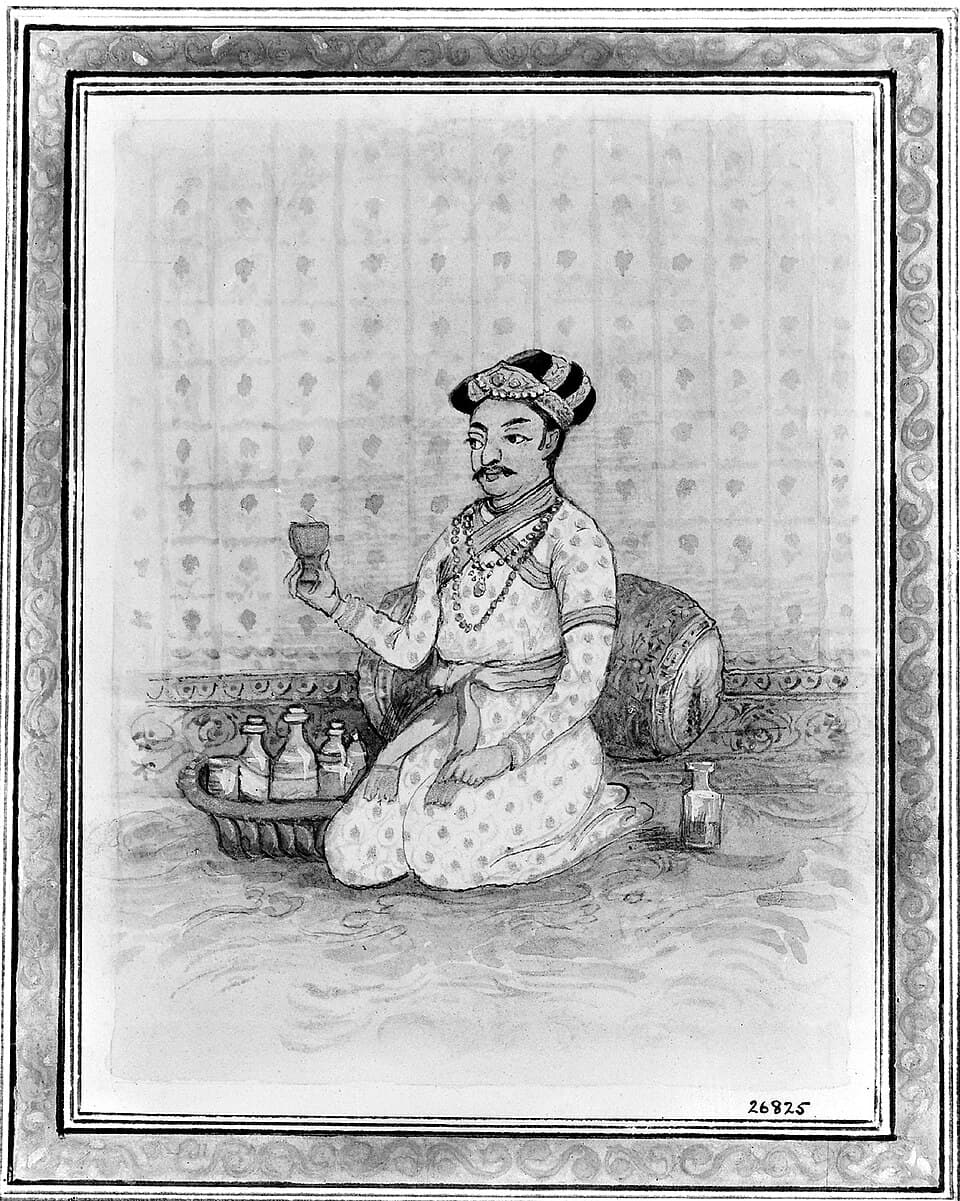
Jerusalem, in the coolness of an audience chamber where the cedar of Lebanon still perfumes the walls. The king receives between two judgments, the royal seal on his finger, the evening light falling on the threshold of the nearby Temple. He speaks slowly, like a man accustomed to weighing every word as one weighs gold on a balance.
—At the threshold of your reign, at Gibeon, it is said that God offered you whatever you wanted. What did you ask of Him?
I was young, barely seated on the throne of my father David, and I felt like a child who does not know how to go out or come in. At night, at Gibeon, after the sacrifices, God told me to ask. I could have demanded the gold of nations, or the heads of my enemies. I asked for a listening heart, able to discern good from evil in the midst of a people so numerous they cannot be counted. You see, to govern Israel without wisdom is to lead a flock blindfolded. What I feared was not war, but passing a bad judgment and making an innocent person weep. The rest — wealth, glory — was given to me as well, without my seeking it.
I asked for a listening heart, able to discern good from evil in the midst of a people so numerous they cannot be counted.
—You speak of this wisdom as a gift received, not a merit. How do you experience it daily?
It is not a crown I wear, but a lamp lent to me each morning. When I rise before dawn for the ablutions, even before the scribes unroll their accounts, I know it can be taken from me if I swell with pride. My father David had received a promise, and it is on that promise that I rely, not on my own intelligence. Before the Lord I said: You have shown great kindness to David my father, and you have made me reign in his place. That is my secret: I am wise only as long as I remember who gave it to me. The day I forget, my seven hundred wives and my ivory throne will weigh no more than a breath.
It is not a crown I wear, but a lamp lent to me each morning.
—The trial of the two women claiming the same child made your legend. How did you decide?
Two women, one room, two newborns, one of whom had died in the night. Each swore the living one was hers. No witness, no proof, nothing but two voices crying alike. So I asked for a sword to be brought, and I ordered the child cut in two, half for each. It was not to kill — it was to make the innards speak. The false mother accepted the division; the true one gave up her son rather than see him die. Truth is not always found in words, you see: sometimes you must place an invisible balance under people's hearts and watch which one tips toward love. That day, they say, all Israel understood that God had given me discernment.
Truth is not always found in words: sometimes you must watch which heart tips toward love.
—Your name has become an expression, 'Judgment of Solomon.' Does this renown as a judge weigh on you?
A king who dispenses justice must accept being naked before his people. In the afternoon, when the palace gates open and the plaintiffs crowd in, I know that every verdict I pronounce becomes a living law, engraved not on stone but in people's memory. It is heavy, yes. A balance poorly held, and the widow is robbed, the orphan abandoned. I prefer that my judgments be remembered rather than my gold, for gold melts and scatters, while a just sentence comforts generations. If my name is to survive, let it survive as that of a man who listened before speaking. That is all I ask: that they say of me that I weighed souls before weighing goods.
Gold melts and scatters, while a just sentence comforts generations.
—Your great work remains the Temple. What did this construction represent for you?
My father had dreamed of building a house for the Name, but his hands had shed too much blood. To me, the man of peace, fell the task. For seven years, thousands of workers cut, hoisted, adjusted, without the sound of a hammer being heard in the sacred precinct — the stones arrived already prepared. The cedar came down from the mountains by rafting from Tyre, gold covered the walls, and at the heart of it all rested the Ark of the Covenant, the chest of the Tablets of the Law. You see, I was not building a palace for myself — mine, next door, took much longer. I was raising a dwelling for what cannot be contained. How can you enclose Heaven within stone walls? You cannot. But you can offer a place where the people lift their eyes.
I was raising a dwelling for what cannot be contained. How can you enclose Heaven within stone walls?
—You mention Tyre and its king. How could a sanctuary of Israel be born from the hand of Phoenicians?
Wisdom does not consist in knowing how to do everything yourself, but in knowing whom to call. The men of Tyre were the best carpenters and cedar cutters in the known world; their king sent me wood and craftsmen, and I gave him wheat and oil in return. That is how things should go between kingdoms: each gives what it has in abundance and receives what it lacks. The Temple in Jerusalem therefore carries within it the cedar of northern forests and the gold of southern caravans. Some are surprised, as if the sacred must come entirely from our own land. But the Ark rests under foreign beams without being defiled. A well-made alliance is worth more than an army, and a friend's hammer builds higher than an enemy's sword.
Wisdom does not consist in knowing how to do everything yourself, but in knowing whom to call.
—A queen came from very far to test you. What did the Queen of Sheba seek at your court?
She came from the south, from the lands of Arabia where frankincense and myrrh grow, with a caravan so laden with gold and spices that the dust of her road darkened the sky. She had heard of me and only half believed. So she tested me with riddles, questions as tortuous as mountain paths, and I answered them all — nothing was hidden from her. When she saw the Temple, my table, the order of my court, her spirit failed her. She left saying that half had not been told to her. You see, commerce and wisdom walk at the same pace: it is through the roads I opened to Ezion-Geber, my port on the Red Sea, that the nations came, as much for my words as for my gold.
She tested me with riddles as tortuous as mountain paths, and nothing was hidden from her.
—You made Israel a crossroads of commerce. That port of Ezion-Geber, what did it change for your kingdom?
Before me, Israel looked mostly at its hills and harvests. I wanted it to look at the sea. At Ezion-Geber, on the gulf that opens to the south, I outfitted ships that brought gold, ivory, and precious woods from distant lands. Caravans crossed fleets, and Jerusalem became a node where Egypt, Tyre, and Arabia met. Silver, they say, became as common as stones in the streets. But I harbor no illusions: prosperity is a tide. It rises, enriches, then recedes and sometimes leaves salt on the land. All this traffic required men, taxes, corvée labor — and I divided the kingdom into twelve districts to support it. A wise king must also know what his greatness costs those who bear it.
Prosperity is a tide: it rises, enriches, then recedes and sometimes leaves salt on the land.
—You are credited with entire books of wisdom, proverbs, songs. Do you recognize your voice in all that is placed under your name?
A king to whom wisdom is lent quickly becomes the father of all wise sayings. Thousands of proverbs, love songs burning like the noon sun, and those bitter meditations where everything is called vanity and chasing after wind have been placed under my name. Some of these phrases were born on my lips, in the evening, when I consulted the scribes; others, I know, were added by hands I will never know. And that does not trouble me. Wisdom belongs to no one — it passes from mouth to mouth like water from well to well. I asked, and the spirit of wisdom was given to me; I prayed, and the light of prudence illuminated me. If my name helps these words travel farther, let them be attributed to me: I am but the jar, not the source.
Wisdom belongs to no one — it passes from mouth to mouth like water from well to well.
—Your seal, your ring, have become legendary objects, charged with mysterious powers. What do you think of this magical part of your name?
I wear on my finger a ring engraved with my seal, with which I mark the orders and letters that go to the four winds. To me, it is only a sign of government, like the balance or the ivory throne. But I know that already people whisper, in the markets and along the roads, that this ring commands spirits and opens sealed doors. What can you do: when a man receives a gift from Heaven, people always look for the object where it might be hidden. They would prefer a talisman to a listening heart, because the talisman can be stolen and discernment must be earned. Let them dream. As for me, I know that my only magic was to ask for wisdom rather than gold, at Gibeon, one night, when I could have demanded anything.
They would prefer a talisman to a listening heart, because the talisman can be stolen and discernment must be earned.
—At the end of such a reign, what would you like to be remembered for, beyond the gold and the walls?
The walls will fall. The Temple itself, beautiful as it is, is only stone and cedar, and stone topples, cedar burns. The gold of my ships will scatter among the hands of my sons, and already I sense that my kingdom, so vast today, might split after me like a poorly fired pot. What I would like to be kept is lighter and more lasting: that a man could be king without ceasing to listen. That he preferred discernment to vengeance, the balance to the sword, the right word to the shout. If it must be said of me that all the kings of the earth sought to hear me, let it be added at once that I myself sought to hear a voice higher than my own. The rest is but wind.
What I would like to be kept is lighter and more lasting: that a man could be king without ceasing to listen.

This imaginary interview was generated by artificial intelligence from sources documented in Solomon's profile. It dramatises what the figure might have said based on what we know about them, but does not constitute attested historical testimony. For primary sources and factual documentation, refer to the full profile.