Kids interview Solomon
by Charactorium · Solomon (989 av. J.-C. — 930 av. J.-C.) · Mythology · 5 min read
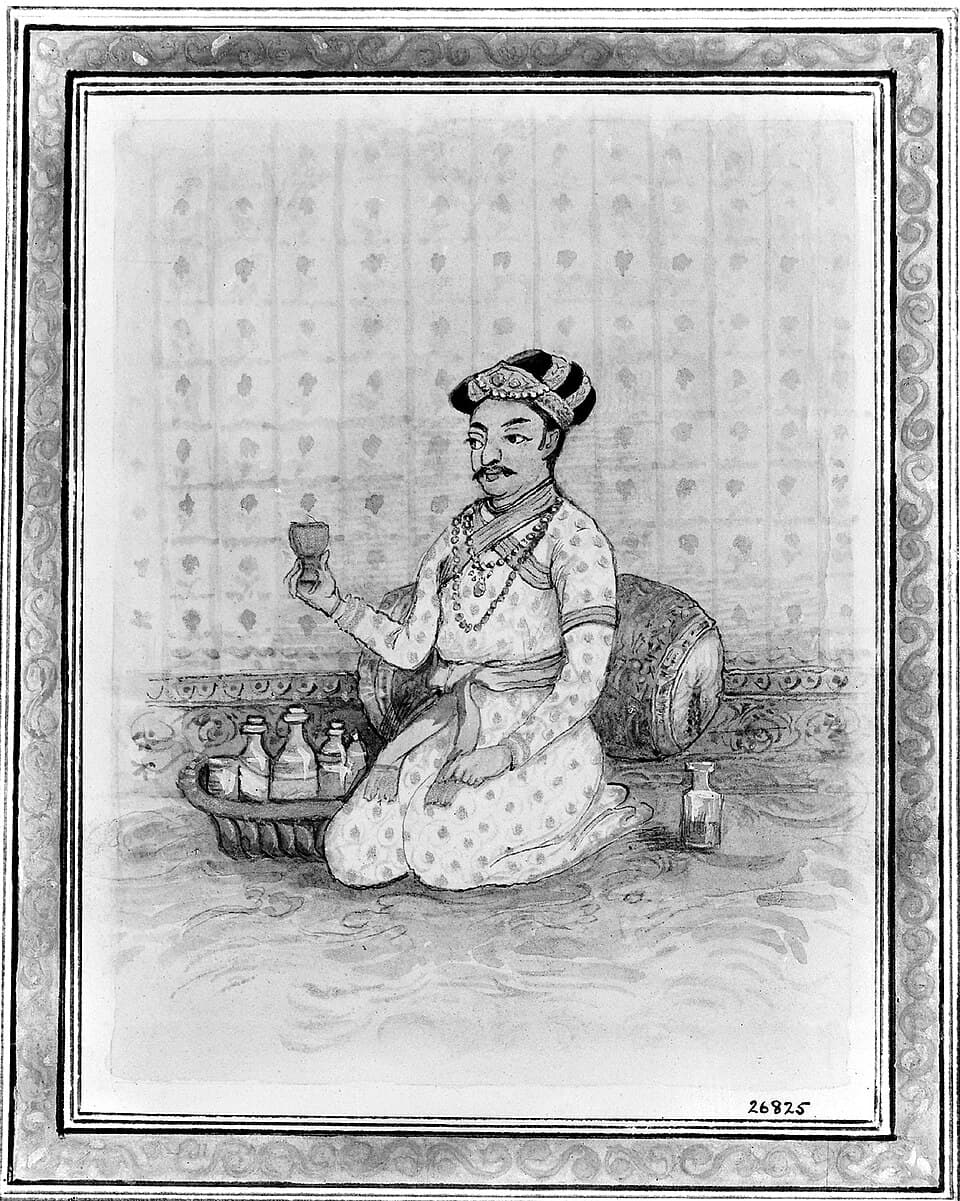
Two young visitors, twelve years old, step through the gates of a palace of cedar and stone, in Jerusalem. An old king in a purple robe seats them near him. He smiles: today, he will tell them about his reign.
—When you became king very young, what did you ask God for?
You know, my child, I was very young. My father, King David, had just died, and a whole people expected me to know how to govern. I was afraid, as you would be afraid. One night, God said to me: ask what you want. I could have asked for gold, or victory over my enemies. I asked for something else: a heart capable of listening, to distinguish good from evil. Imagine you have to separate two friends who are arguing, without making a mistake. That is wisdom. And God was pleased. He gave me wisdom, and also everything else on top of that.
I asked for a heart capable of listening, not a mountain of gold.
—What was it like, building such an immense temple?
Ah, the Temple of Jerusalem is the work of my life. Imagine a construction site that lasts seven years, with thousands of workers cutting stone far away, so that no hammer blow is heard on the sacred hill. The wood, I had it brought from Tyre, a coastal city famous for its great cedars. At the heart of the Temple, I placed the Ark of the Covenant, that sacred chest containing the Tablets of the Law given to Moses. When everything was finished, it was as if heaven touched the earth. The Temple became the beating heart of my kingdom.
They cut the stone far away, so that the sacred hill would remain silent.
—What was the purpose of that great chest you put inside?
You speak of the Ark of the Covenant, my child. It is a wooden chest overlaid with gold, and inside rest the Tablets of the Law. Do you know what a covenant is? It is a sacred promise between two parties. Here, between God and my people: He protects us, we follow His laws. For a long time, the Ark traveled under a simple tent, from camp to camp. I wanted to build it a real house of stone, forever. Imagine keeping the most precious treasure in the world in a golden chamber, at the center of your city.
A covenant is a sacred promise: God protects, the people listen.
—How old were you when the Temple was finished?
I was still a young man, but already king for a few years. The project had started around the fourth year of my reign. To bring all that wood and stone, you needed roads, ships, and friends. That's why I developed a distant port, Ezion-Geber, on the Red Sea. Imagine ships loaded, returning full of gold and rare wood. All that trade also fed the great construction. When I saw the Temple finished, I understood that I would leave something behind me, long after my death.
A king is measured by what he leaves standing after him.
—How did you manage to have so much wealth?
You have a sharp eye, my child! A kingdom doesn't become rich on its own. I signed agreements with my neighbors, like the city of Tyre and even Egypt, where I married the daughter of Pharaoh. My ships left from the port of Ezion-Geber and returned laden with gold, incense and precious perfumes. These perfumes were burned in the Temple during ceremonies. Imagine a room where a sweet, fragrant scent floats, rising to heaven like a prayer. Trade made Israel prosperous. But gold, you see, was never what I asked for first.
Trade fills the coffers, but wisdom guides the hand.
—Is it true that a queen came from very far away to see you?
Yes, and it is a beautiful memory. She was called the Queen of Sheba; she ruled over a distant land to the south, in the region of Arabia. She had heard of my wisdom and only half believed it. So she made a long journey with her camels laden with spices and gold, just to ask me difficult riddles! Imagine a traveler crossing deserts for weeks, just to verify a reputation. To each of her questions, I knew how to answer. She left amazed, and we forged trade ties between our two kingdoms.
She crossed the deserts just to verify a reputation.
—What did your palace smell like and look like?
Come in, don't be afraid! My palace is built of stone and cedar of Lebanon, that wood which smells good even after years. There are several courtyards, audience halls, and storerooms full of goods. I wear a purple robe, that red color so rare that it was worth a fortune in my time. On my linen garments, gold jewelry shines. And close by stands the Temple. Imagine the scent of precious wood mixed with incense, servants coming and going, and the murmur of counselors. This is where I govern, from morning to evening.
Cedar of Lebanon perfumes my walls long after it has been cut.
—What was a normal day like for a king like you?
I rise before dawn, my child, to purify myself with ablutions, that is, to wash according to the ritual. Then the court awaits me: scribes writing, counselors, business to settle. Late morning, I administer justice: people come to submit their disputes to me. In the afternoon, I oversee the works and receive merchants from afar. Evening is time for banquets, where we eat lamb, bread, dates, and honey, and drink wine. Before nightfall, prayers at the Temple close the day.
Before the sun, I rise; after it, I pray again.
—Is it hard to judge people who are arguing?
Very hard, my child, because you never know who is telling the truth. One day, two women came, each saying: this baby is mine! No witness, no proof. So I had an idea that seemed terrible: cut the child in two, one half for each. The real mother immediately cried out: no, give it to the other, but let it live! Then I knew. A mother would rather lose her child than see it die. It is like a scale: you load one side, you watch which one tips toward love. That is how the truth showed itself all on its own.
A real mother would rather lose her child than see it die.
—They say you wrote books of wisdom, what is in them?
Tradition credits me with beautiful books, my child. There are Proverbs, full of little advice for living well, a bit like what your grandfather repeats to you. There is also Ecclesiastes, where I reflect on a difficult question: what is the use of all we do, if life is so short? And the Song of Songs, a poem about love. Imagine an old man who, in the evening, writes down everything he has learned from governing. Wisdom, you see, is not knowing a lot. It is knowing what truly matters.
Wisdom is not knowing a lot, it is knowing what matters.
—And at the end of your life, was everything going well in your kingdom?
You ask the real question, the one that hurts. At the end, my child, I had become immensely rich, with a palace overflowing with gold. Tradition even says I had hundreds of wives, from everywhere. To run this great kingdom, I had divided the country into twelve districts that paid heavy taxes. Too heavy, perhaps. The people grew weary. And after my death, around 930 BCE, my kingdom split in two: my son Rehoboam in the south, and Jeroboam in the north. Even a wise king can leave cracks behind him. That is a lesson I give you.
Even a wise king can leave cracks behind him.
This imaginary interview was generated by artificial intelligence from sources documented in Solomon's profile. It dramatises what the figure might have said based on what we know about them, but does not constitute attested historical testimony. For primary sources and factual documentation, refer to the full profile.