Imaginary interview with Sandro Botticelli
by Charactorium · Sandro Botticelli (1445 — 1510) · Visual Arts · 6 min read
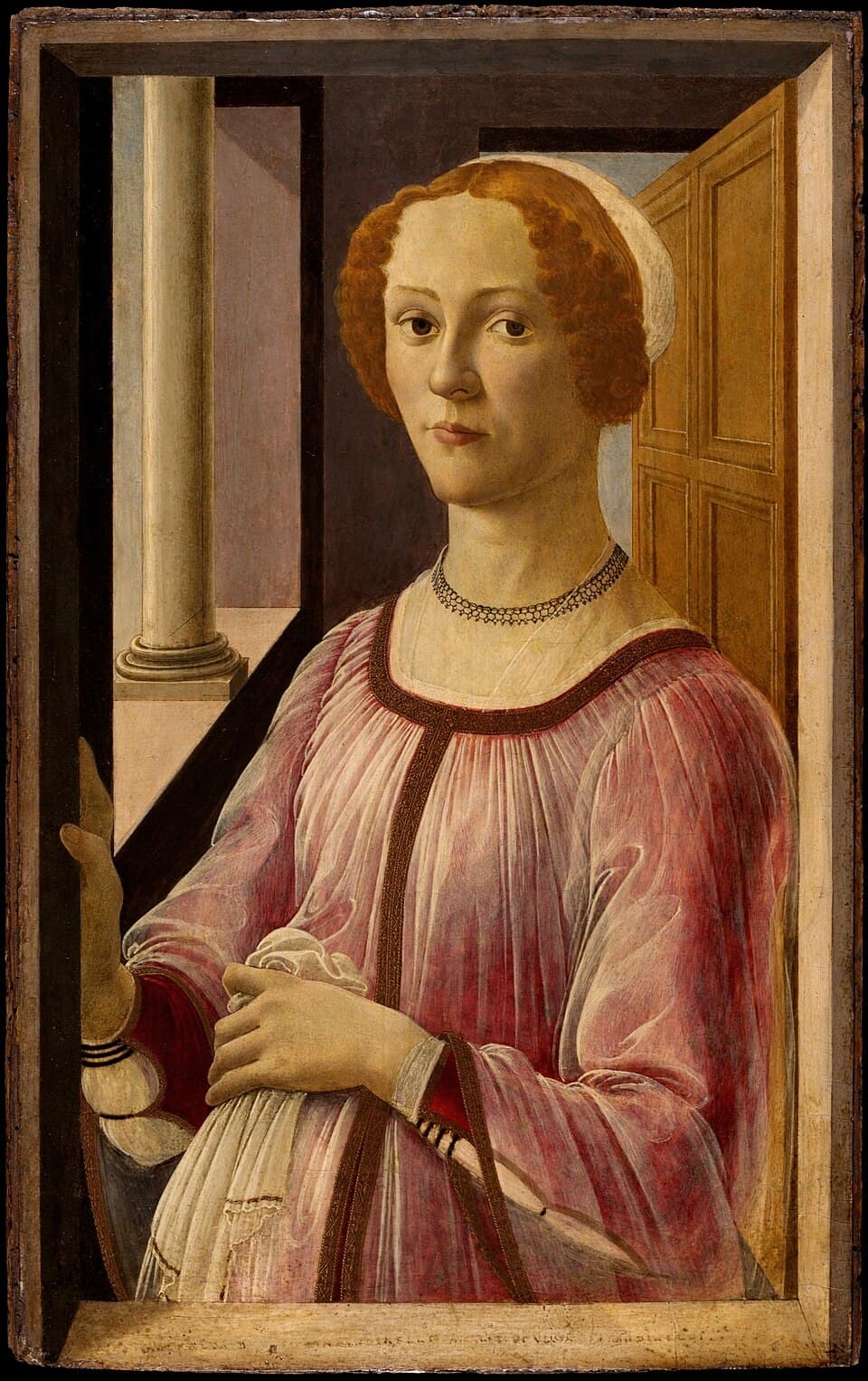
Florence, one morning in the year 1500, in a house-workshop in the Santa Maria Novella district. The smell of beaten egg yolk and turpentine hangs in the air between the easels. A stocky man, his hands stained with azure, sets down his brush to answer.
—They call you Botticelli, but that is not the name your father gave you. Where does it come from?
My father registered me under the name Alessandro di Mariano Filipepi, which sounds far too solemn for a boy short on legs and broad in the shoulders like a wine cask. Botticello — the little barrel: that is what they threw at me, and the nickname stuck like gesso on wood. I could have taken offense; instead, I wore it to the point of painting it at the bottom of my panels. A baptismal name belongs to your father and your priest; a nickname, on the other hand, belongs to you alone, because it is the street that gives it to you. In Florence, you are truly someone only when you cease to be your father's son and become a figure recognized from afar.
A baptismal name belongs to your father; a nickname belongs to you alone, because it is the street that gives it to you.
—Before you had your own sign, you learned under a master. What do you remember from those years of apprenticeship?
Around the age of twenty-four, I entered the workshop of Filippo Lippi, a friar who painted Virgins more tender than lovers — and he loved a few, but that is another story. From him I learned the hardest thing: to make a veil ripple, to make hair fall like water from a fountain. Everything else — grinding pigment, stretching the primed wood panel, mixing egg white into tempera — a boy learns with his fingers in the material, in silence, through trial and error. One does not become a painter by listening; one becomes a painter by ruining a hundred grounds before being entrusted with a hand. I kept that apprentice patience all my life: even as a master, I still prepared my own colors.
—Let us talk about your craft, then. What does a day in your workshop look like?
I rise at daybreak, like any honest craftsman in this city. A prayer, a glance at the commissions waiting, then the morning is spent grinding: ochre turns matte, lapis lazuli awakens as night blue when mixed with the binder, and it costs more per grain than fine gold — so I count it almost stone by stone. In the afternoon, my apprentices lay the grounds, apply the earth colors, while I reserve for myself the faces and hands, which cannot be delegated. Egg tempera forgives nothing: it dries quickly, you cannot go back over it as you would regret a word. You must know where the brush is going before it touches the panel. In the evening, the workshop closes, and I examine in the dying light what the harsh daylight had hidden from me.
Egg tempera forgives nothing: it dries quickly, you cannot go back over it as you would regret a word.
—Your two most famous paintings were born under the protection of the Medici. How did this commission take shape?
One does not commission a Venus like one commissions a saint's altarpiece. The Medici wanted images for their villas, learned images, where the goddess born from the foam on her shell also speaks of the soul descending into the world — that is what the scholars around Lorenzo called Platonic love. I painted The Birth of Venus on a canvas nearly two braccia high, and Primavera like a garden where every flower has a name and every gesture a hidden meaning. Without the patronage of that family, I would never have touched lapis or gold for mere pagan fables. That is patronage: a rich man gives you the means to dream higher than your purse would allow.
Patronage is a rich man giving you the means to dream higher than your purse would allow.
—Why ancient gods, nymphs, and goddesses, when so many artists painted mostly the Virgin and saints?
Because in Florence, people had begun to reread the Ancients like one rereads a lost and found love letter. In the circles I frequented in the evenings, men more learned than I spoke of Plato, of beauty that leads to God by a staircase that the eyes climb. Humanism was that: daring to believe that a naked goddess could speak a truth as high as a draped saint. I did not oppose Venus to the Madonna — I painted both with the same hand, sometimes with the same face. The Greek myth gave me the freedom to bend bodies, to make the wind dance in the veils. The sacred gave me gravity. A painter lives on these two loaves.
Daring to believe that a naked goddess could speak a truth as high as a draped saint.
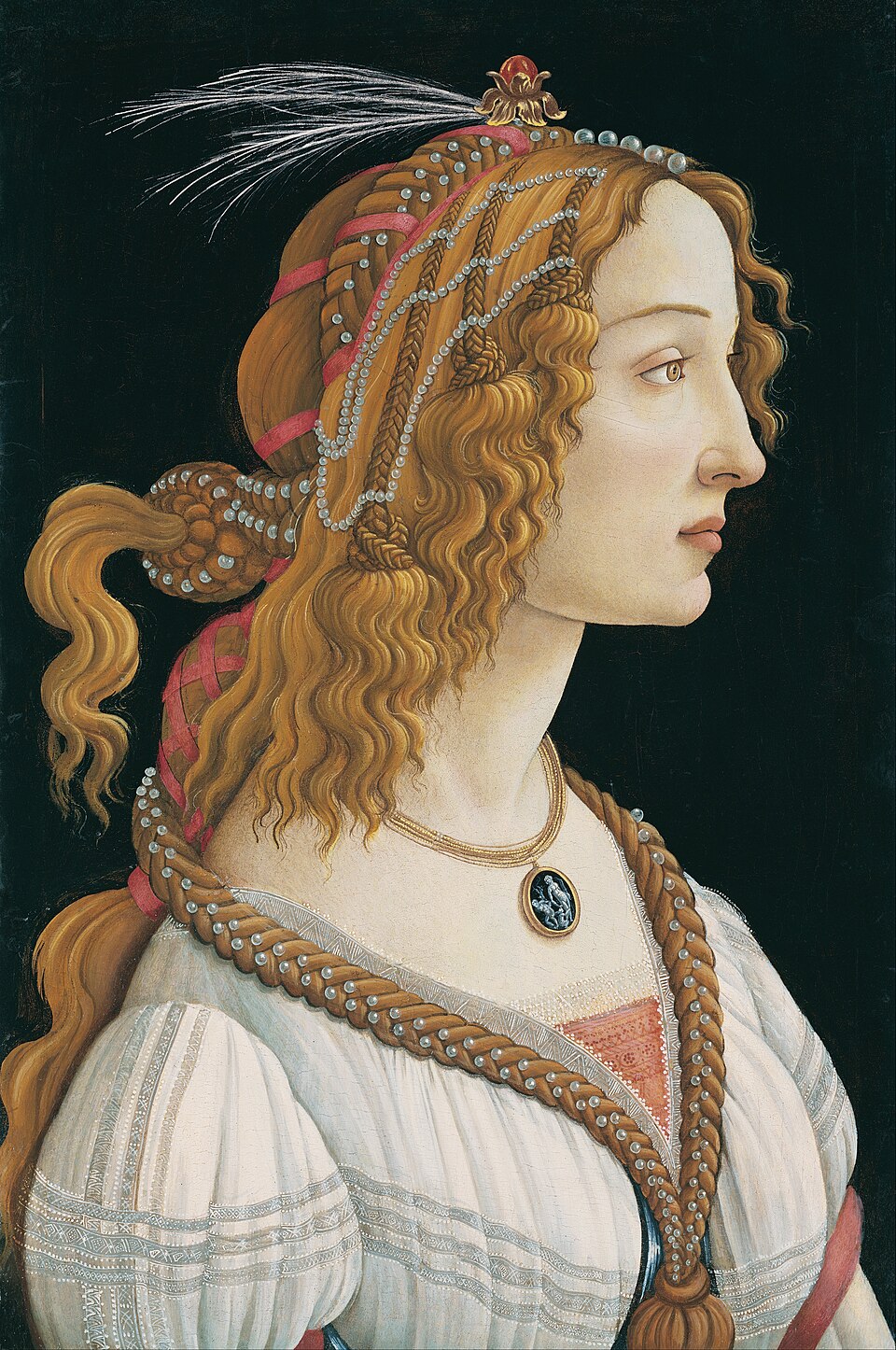
—Not all your allegories are cheerful. What did you mean with Pallas and the Centaur?
A helmeted goddess holds a centaur by the hair, and he lets himself be handled, submissive, almost ashamed. Pallas Athena is reason; the centaur, half-man half-beast, is the instinct that kicks in each of us. The whole painting resides in that calm grip: wisdom does not kill the beast, it masters it. It is an allegory, a word we liked very much — painting an idea like one paints a face. In The Calumny of Apelles, I went even further: I wanted to give form again to an ancient painting that no one had ever seen again, lost for a thousand years, described only in a text. To revive what no longer exists from a few lines: that is the pride and joy of the humanist painter.
Wisdom does not kill the beast; it masters it.
—You mention those learned men you met in the evenings. What did you seek in their company?
The day belongs to the brush; the evening, to the ear. When the workshop closed, I sometimes joined those circles where poets, philosophers, readers of Greek unraveled an Ovidian fable or discussed a line of Homer. I was not the most learned of the bunch — I paint better than I argue — but I listened, and the next day one of their ideas had migrated into a corner of the panel, become a figure, a gesture, a flower. A painter does not invent his world alone: he drinks it from conversations, from texts translated for him, from Greco-Roman mythologies told to him like to a child. Without those evenings, my goddesses would have been merely pretty women. It is the knowledge of others that gave them a soul.
The day belongs to the brush; the evening, to the ear.
—A man upheaved Florence — and you, it is said. How did you experience the coming of Savonarola?
Friar Girolamo Savonarola painted nothing, but he knew how to make an entire city tremble with his voice alone. He mounted the pulpit and our vanities — our mirrors, our finery, and yes, our too pagan paintings — seemed to him so many offenses thrown in God's face. I had spent my life celebrating Venus; now a monk told me I had filled Florence with idols. These words work on a man, especially when he grows old and feels death lurking in the workshop. The city tore itself apart between those who followed him and those who hated him. When they hanged him and then burned him in the main square in 1498, I did not know whether they had just killed a saint or a madman. Perhaps both.
I did not know whether they had just killed a saint or a madman. Perhaps both.
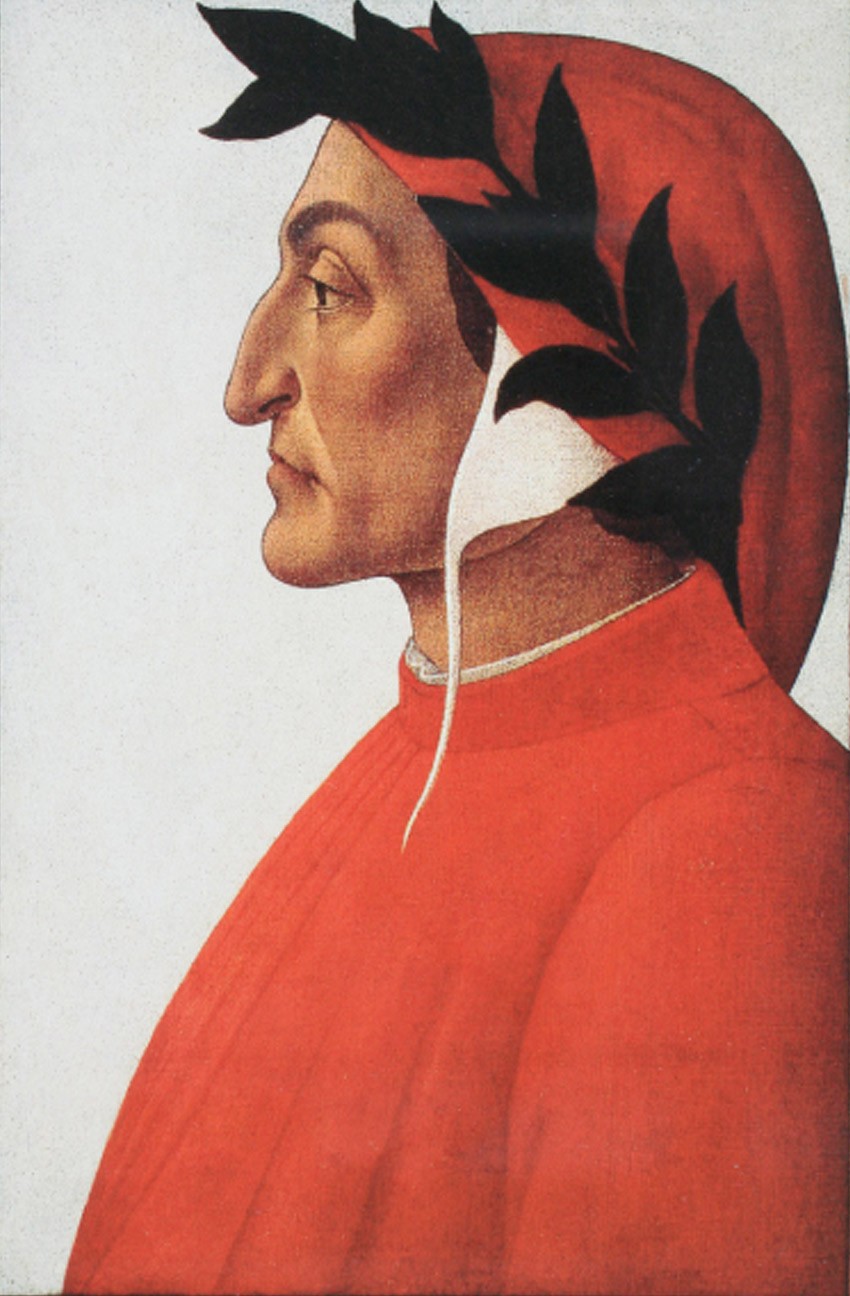
—It is said that you yourself delivered some of your works to the flames. How much truth is there to that?
Many things are said, and I will not deny what my hands know. Yes, the fire tempted me. When you have believed all your life that the beauty of a body leads to God, and suddenly you are persuaded that it leads to Hell, you look at your own panels as sins signed by your hand. Some fables I had loved seemed to me, late in life, too naked, too deaf to prayer. My brush became more serious, my figures more austere, my gold rarer. I do not disown my Venus — how can one disown one's child? — but I understood in old age what I had not wanted to see in youth: that a painter also answers for what he makes others love with their eyes.
A painter also answers for what he makes others love with their eyes.
—You trained many apprentices. What do you hope to pass on to them, beyond technique?
The hand, they learn: grinding pigment, stretching the panel, laying an earth color without it cutting. That, any patient boy ends up mastering after a few years of rubbing my grounds. But the rest cannot be shown. How does one make a line sing? How does hair become music, a drape become wind? I do not know how to teach it; I can only do it before them and hope that the eye catches it. The craft is transmitted, the gaze is contaminated. What I would like to leave them is not a tempera recipe — it is the stubborn idea that a painted face must have a soul, even if a little sad. My women all have that melancholy; if my students find it without imitating me, then I will have truly made painters.
The craft is transmitted, the gaze is contaminated.
—If you could imagine being looked at still in a century or two, what would you like to be remembered of your hand?
What a strange question — a painter works for the commission of the day, not for eyes not yet born. But let us dream a little. If by some miracle my panels survive fires and wars, I would like people to stop before the line rather than before the story. That they forget for a moment who Venus was, who the Medici were, and follow only the contour of a cheek, the fold of a veil, that slightly melancholy grace I never knew how to explain either to my patrons or to myself. The rest — the fables, the goddesses, the quarrels of my time — will fade. A beautiful line, on the other hand, does not age. That is all a man like me can hope to leave: a little beauty that lasts longer than he does.
A beautiful line does not age. That is all a man like me can hope to leave.
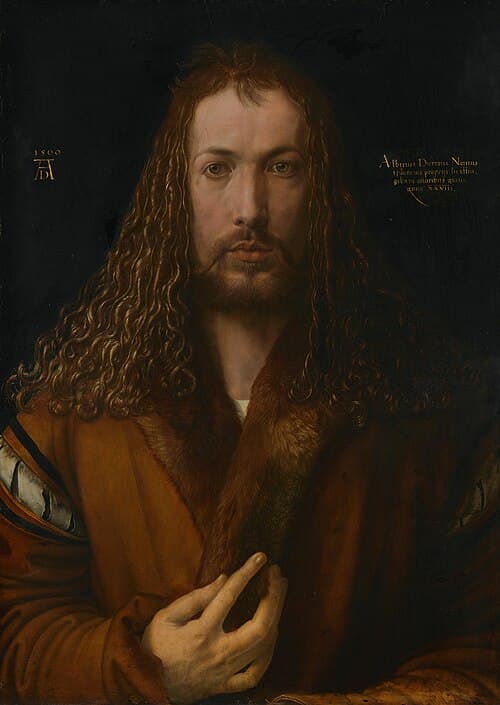
This imaginary interview was generated by artificial intelligence from sources documented in Sandro Botticelli's profile. It dramatises what the figure might have said based on what we know about them, but does not constitute attested historical testimony. For primary sources and factual documentation, refer to the full profile.