Imaginary dialogue between Laurent de Médicis (Laurent le Magnifique) and Sandro Botticelli
by Charactorium · Sandro Botticelli (1445 — 1510) · Visual Arts · 5 min read
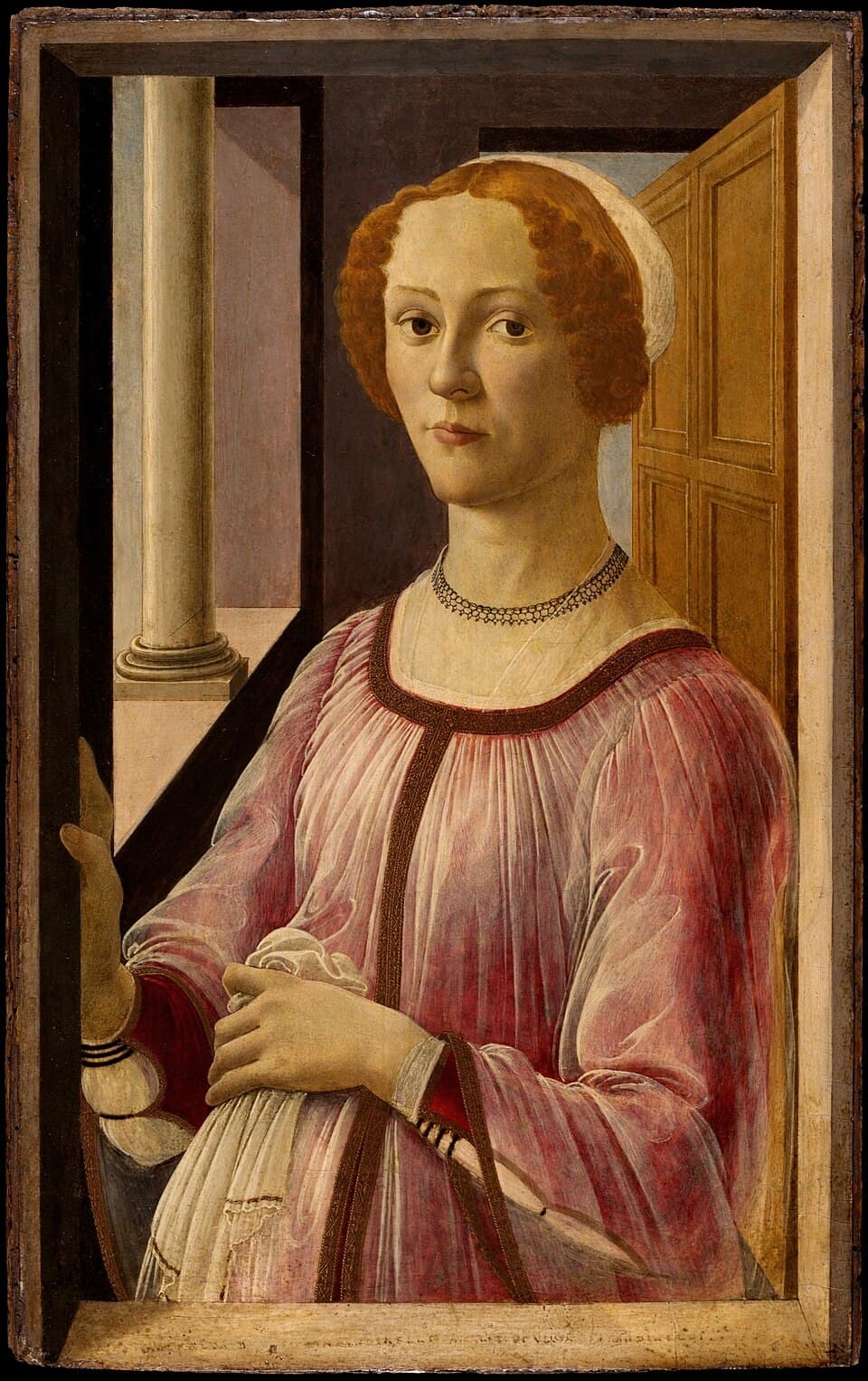
It is in the coolness of a courtyard of the palace on Via Larga, in Florence, on an afternoon in the year 1485, that Lorenzo de' Medici stops Sandro Botticelli as he leaves the workshop. On a stone table, a panel still fragrant with tempera awaits its final glazes; the oblique light makes the gold of the hair gleam. The two men have known each other for years, the master having painted so much for the Medici house. Lorenzo, himself a poet and lover of Plato, comes less as a patron than as a friend curious about the secret of forms.
—Sandro, when my house commissioned this Venus emerging from the waves, what did you want my guests to read in it beyond the nudity of a goddess?
You who have nourished your days with Plato, Lorenzo, you guess it better than anyone. I did not paint a naked woman but beauty itself descending from the sky onto the sea, to remind that the gaze, rising from the flesh toward the idea, finds the divine again. Your circle of scholars taught me this language: Venus is not lust, she is the soul awakening. I made her hair float like writing, lengthened her neck against all true proportion, because grace is worth more than accuracy. The seashell, the wind that pushes her, the flowered robe that awaits her: all this murmurs that love leads to knowledge. It is your Florence that breathed this dream into me.
I did not paint a naked woman but beauty itself descending from the sky onto the sea.
—And Primavera, that garden where the Graces dance, what did you want to offer to those who contemplate it in our homes?
I wanted an orchard where time itself transforms, Lorenzo. See the breath of Zephyr seizing the nymph and turning her into Flora crowned with flowers: it is raw love becoming sweetness and fertility. The three Graces entwine like the virtues your poets celebrate, and Mercury, with the tip of his caduceus, pushes away the clouds to keep the sky pure. I sowed nearly two hundred species of plants under their feet, each named as in your humanist books. Nothing is left to chance: each figure is a word, and the whole a poem that the eye reads without ever exhausting it. It is my way of responding to the verses your court recites in the evening.
Each figure is a word, and the whole a poem that the eye reads without ever exhausting it.
—It is whispered that for these panels you demand gold and lapis lazuli, more precious than many fabrics. Why this expense, Sandro?
Because one does not honor a goddess with common earths, Lorenzo. Lapis blue comes from beyond the seas, ground grain by grain; it does not fade and keeps, for years, the brilliance of the first day. The gold I lay in threads on the hair is not vanity: it captures the light of your candles and makes the painting live when evening falls. You know the cost of these materials, and you also know that a patron is recognized by what he grants to art. What you pay is not the pigment, it is the time it defies. A true color outlasts the one who laid it as well as the one who commissioned it.
What you pay is not the pigment, it is the time it defies.
—Before my house, there was a name and a nickname. Where does this Botticelli come from, under which all Florence calls for you?
My real name is Alessandro di Mariano Filipepi, but no one remembers it anymore, not even me some days. I was baptized il Botticello, the little barrel, for my stocky build — a workshop nickname that stuck to my painting like pitch to wood. That is how things go among us: a man receives his painter's name from a bodily trait or a word said in jest. I first endured it, then carried it, and here it is my signature. You call me Sandro out of friendship, but the market knows only the barrel. It is a lesson in humility to owe one's glory to a mockery.
A workshop nickname stuck to my painting like pitch to wood.
—You often speak of your masters with gratitude. What do you owe to the workshop where you learned to hold the brush?
Almost everything, Lorenzo. It was at Filippo Lippi's that my hands loosened; from him I have these tender faces, these virgins who seem to dream rather than pray. A workshop, you see, is not a school of words but of gestures: you grind the master's colors, you prepare his grounds, you learn by imitating until the hand guesses alone. Today it is my boys who lay down the skies and secondary draperies while I finish the faces. My house at Santa Maria Novella smells of glue, egg, and freshly planed wood from morning to night. It is there, in that laborious disorder, that the dreams you later hang on your walls are born.
A workshop is not a school of words but of gestures.
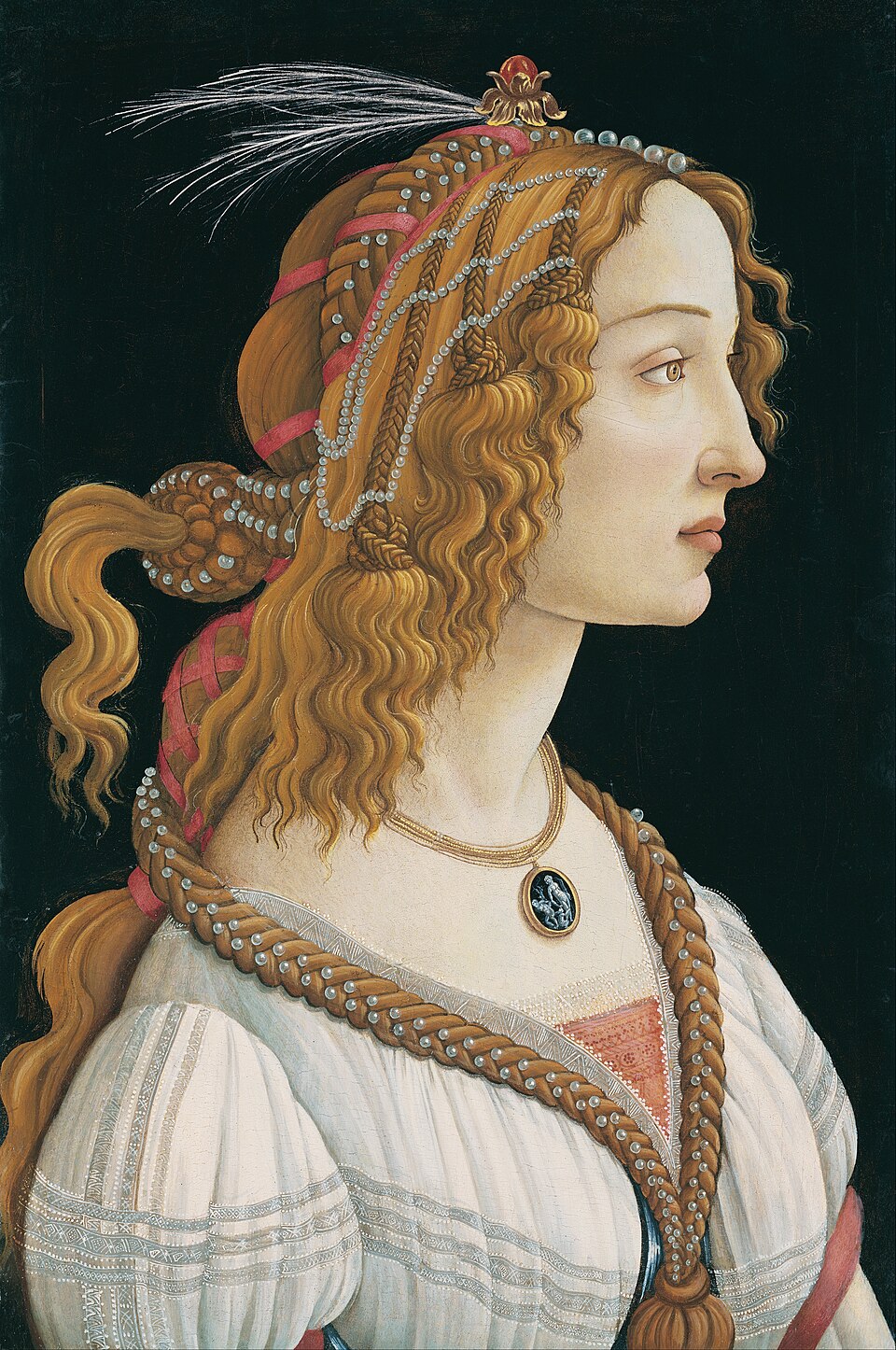
—Explain to me, my friend, how you obtain those smooth flesh tones and those blues that never tarnish. What is your secret craft?
There is hardly any secret, Lorenzo, only patience and good materials. I work in tempera, these pigments bound with egg yolk: the color dries in a few hours and forces you to lay the right tone on the first try, by fine superimposed touches. My panels are first stretched, coated with several layers of gesso sanded until mirror-smooth, because a painting is worth first by its foundation. I grind my own earths and blues, I draw at length in a sketchbook before touching the wood. Fresco, which I practiced in Rome, demands another haste: painting on fresh plaster, without possible correction. Each technique imposes its law, and the painter is free only by obeying it.
The color dries in a few hours and forces you to lay the right tone on the first try.
—The Holy Father called you to Rome to decorate his chapel. How did you experience this commission far from our Florence?
As an honor and a trial, Lorenzo. Leaving my city for the walls of the Vatican meant measuring my art against that of the best masters gathered there. I painted scenes of Moses and Christ, vast frescoes where I had to guide crowds of figures without losing the clarity of the story. Fresco forgives nothing: the plaster drinks the color as it dries, and the slightest mistake remains for centuries. I gained a name beyond the Arno, but I confess I was eager to return to my panels, where tempera lets me caress faces at leisure. Rome made me greater; Florence, she resembles me.
Fresco forgives nothing: the slightest mistake remains for centuries.
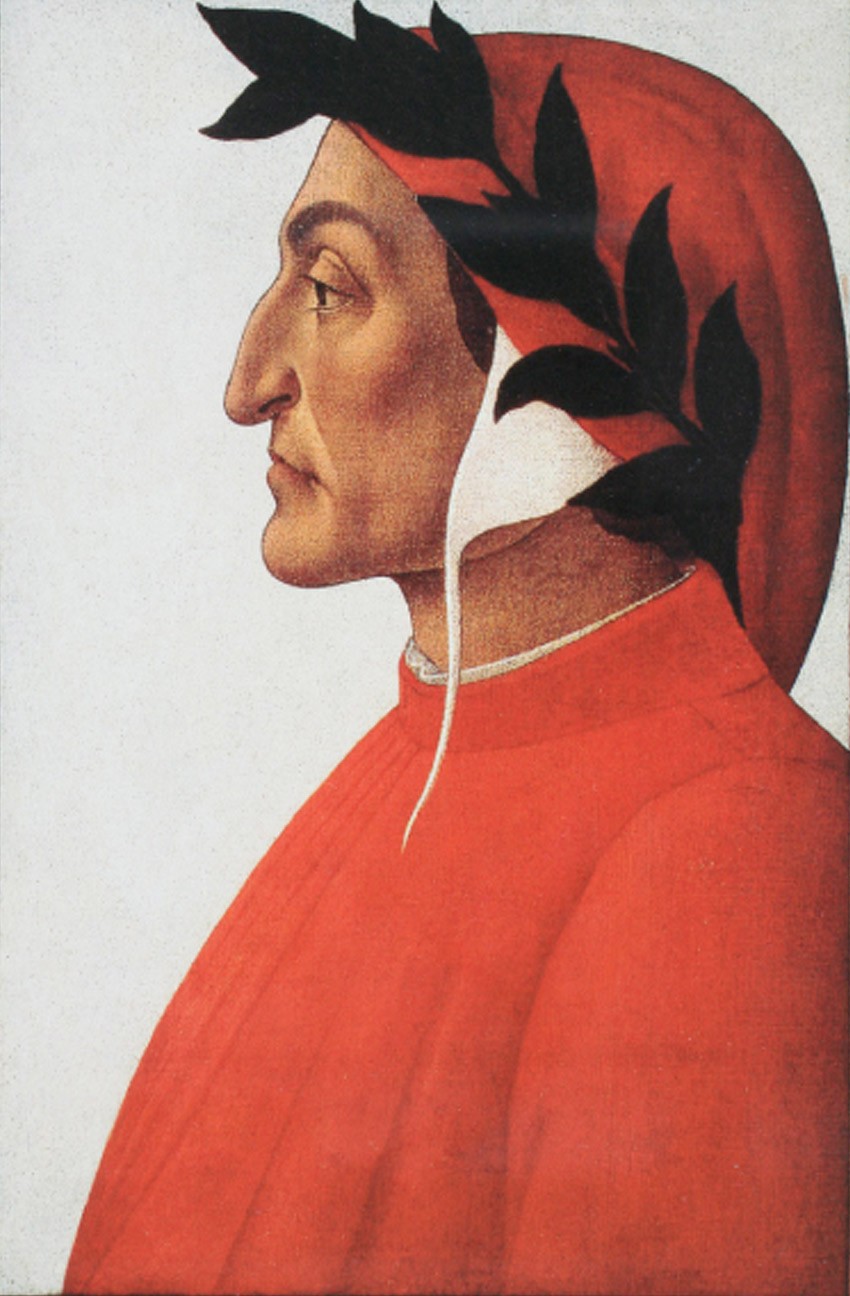
—You frequent the scholars who haunt my evenings. What do you seek from these learned men when the workshop goes dark?
I seek the words that give meaning to my images, Lorenzo. In the evening, when the brushes dry, I listen to your friends discourse on Plato, ancient fables, Latin poets; a painter without letters is just another craftsman. It is in these conversations that I conceived Pallas and the Centaur — reason holding instinct by the hair — or The Calumny of Apelles, where I wanted to make visible a lost painting from Antiquity, known only through a text. You see, I paint what your books describe without being able to show it. Without your soirées, my allegories would be only pretty women in gardens; with them, they become thoughts.
A painter without letters is just another craftsman.
—The Pazzi conspiracy bloodied our city not long ago. Does such a storm trouble a painter's hand, Sandro?
How could it be otherwise, Lorenzo? I saw Florence tremble when blood flowed even into the choir of the cathedral, and each of us felt how much your house holds the city upright. A painter is not outside the world: I work for those who govern, my commissions live and die with their fortune. When the Republic wanted to mark the shame of the conspirators, it was to artists that it asked to paint their infamous effigies on public walls. Art also serves for that, you see: to celebrate as to condemn. But I prefer a thousand times to paint your goddesses than the hanged men of your enemies; beauty gives me back my Florence as I love her.
A painter is not outside the world: my commissions live and die with the fortune of the great.
—A rumor troubles me, my friend: they say a monk from San Marco is inflaming minds against images. Do you fear for your art?
You touch on a shadow that weighs on me, Lorenzo. This Brother Girolamo preaches against luxury, the flesh, pagan fables — against everything your court loves and that I paint. I feel rising within me a disquiet I cannot name: what if these Venuses, these gardens of gods, were only vanities for which my soul will one day have to answer? I will not hide from you that his word burns me more than I would admit in public. Perhaps a time will come when I will want more austere images, more turned toward the Cross. As long as you are here to defend the Muses, I will paint beauty; but I do not know what my heart will demand of my hands when the night grows darker over Florence.
What if these Venuses, these gardens of gods, were only vanities for which my soul will one day have to answer?

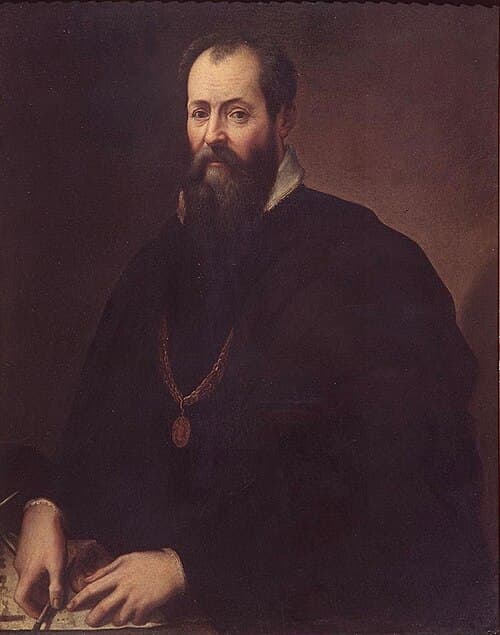
This imaginary interview was generated by artificial intelligence from sources documented in Sandro Botticelli's profile. It dramatises what the figure might have said based on what we know about them, but does not constitute attested historical testimony. For primary sources and factual documentation, refer to the full profile.