Kids interview Sandro Botticelli
by Charactorium · Sandro Botticelli (1445 — 1510) · Visual Arts · 5 min read
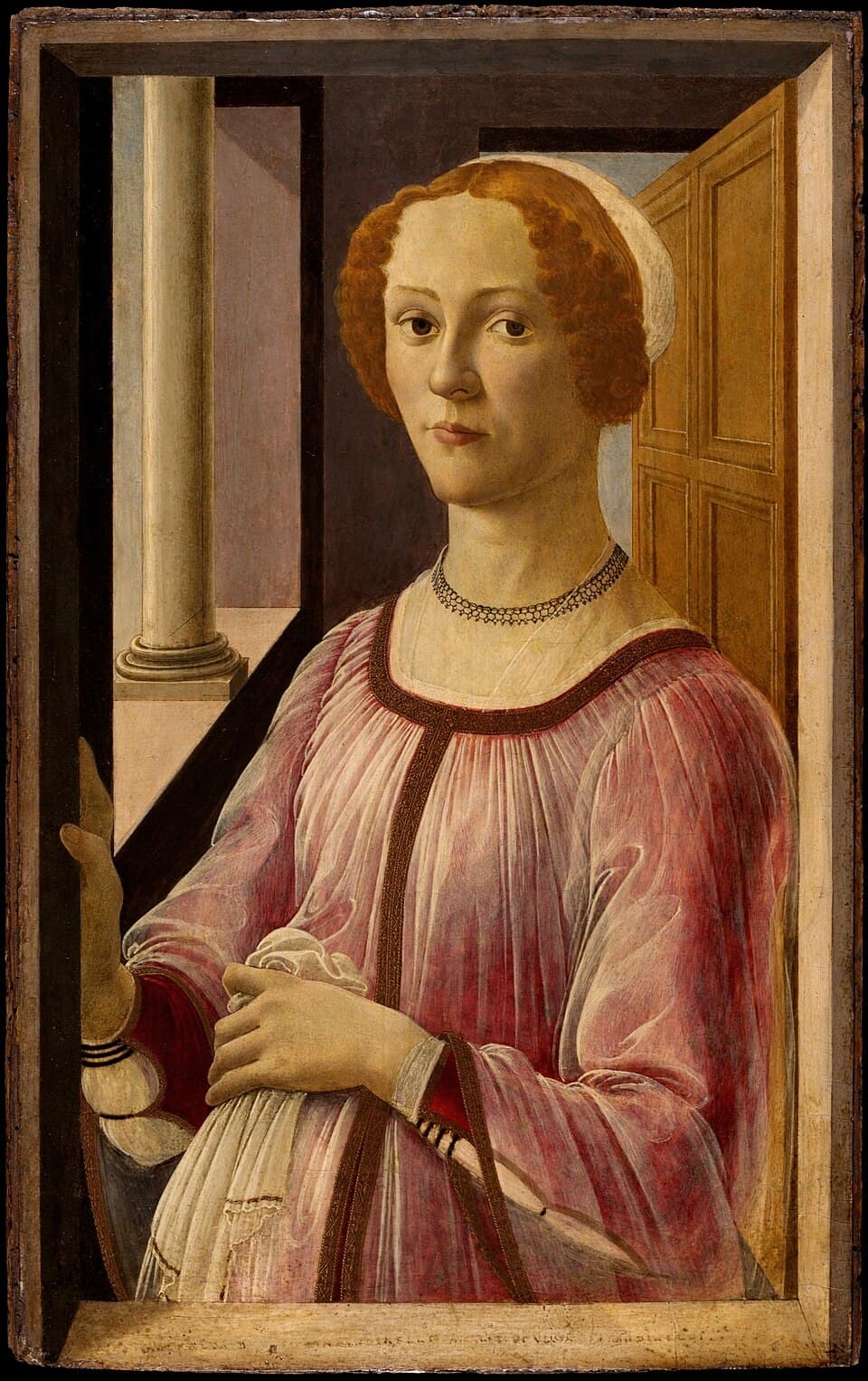
In the golden light of the Uffizi Gallery, two young visitors stop before a great goddess standing on a seashell. An old Florentine painter, hands stained with pigment, sits down near them. He smiles: no one has asked him questions in a long time.
—Is it true they called you "Little Barrel"? Why such a name?
You know, my real name is a mouthful: Alessandro di Mariano Filipepi. Imagine having to say that every morning! So they found something simpler. Botticello means little barrel, because of my somewhat round figure. That nickname came from the workshop of my master, Andrea del Verrocchio. At first, it stings your pride a little. But that name followed me everywhere, even into the records of the Confraternity of Saint Luke, where painters registered. And look: today, it's that funny nickname people remember, not my long baptismal name.
The nickname they gave me as a joke is the one that survived.
—What was your day like when you started a painting in the morning?
I rise at dawn, like all the craftsmen of Florence. First a prayer, then the real work begins: preparing the colors. Imagine that nothing is ready-made. I have to grind stones, mix powders. For my binder, I crack an egg and keep the yolk: we call it tempera, a paint that dries quickly and shines nicely. In the afternoon, I paint, and I supervise my apprentices who fill in the backgrounds. It's patient, it's slow. A beautiful blue color came from a rare stone, lapis lazuli, more expensive than gold. Not a crumb was wasted.
Before painting a goddess, you have to crack an egg and grind stones.
—What did you eat, you, a Florentine painter? Was it good?
Nothing fancy, my child! I eat like the city merchants. Wheat bread, cheese, seasonal vegetables, sometimes poultry or mutton. On so-called lean days, the Church asks us not to eat meat: so it's fish. And always a little wine from our region. I wear wool dyed in sober colors, not too flashy. I am a comfortable master craftsman, not a prince! My house also serves as my workshop, near Santa Maria Novella. We sleep, eat, and paint all in the same place.
I painted goddesses, but I dined like a merchant.
—Why did you paint the great Venus on the seashell?
Ah, The Birth of Venus! I painted it around 1485 for the most powerful family in the city, the Medici. In my time, we were rediscovering the old stories of the Greek and Roman gods. Scholars say that beauty can elevate the soul toward good. So I paint Venus, the goddess of love, emerging from the sea, carried by the wind. Imagine a painting almost as tall as two children standing on each other's shoulders. To succeed, I needed precious colors, and only wealthy patrons could pay for them. Without the Medici, no Venus.
A goddess emerging from the sea to remind us that beauty can elevate the soul.
—Why do your characters look a bit sad, even in a beautiful garden?
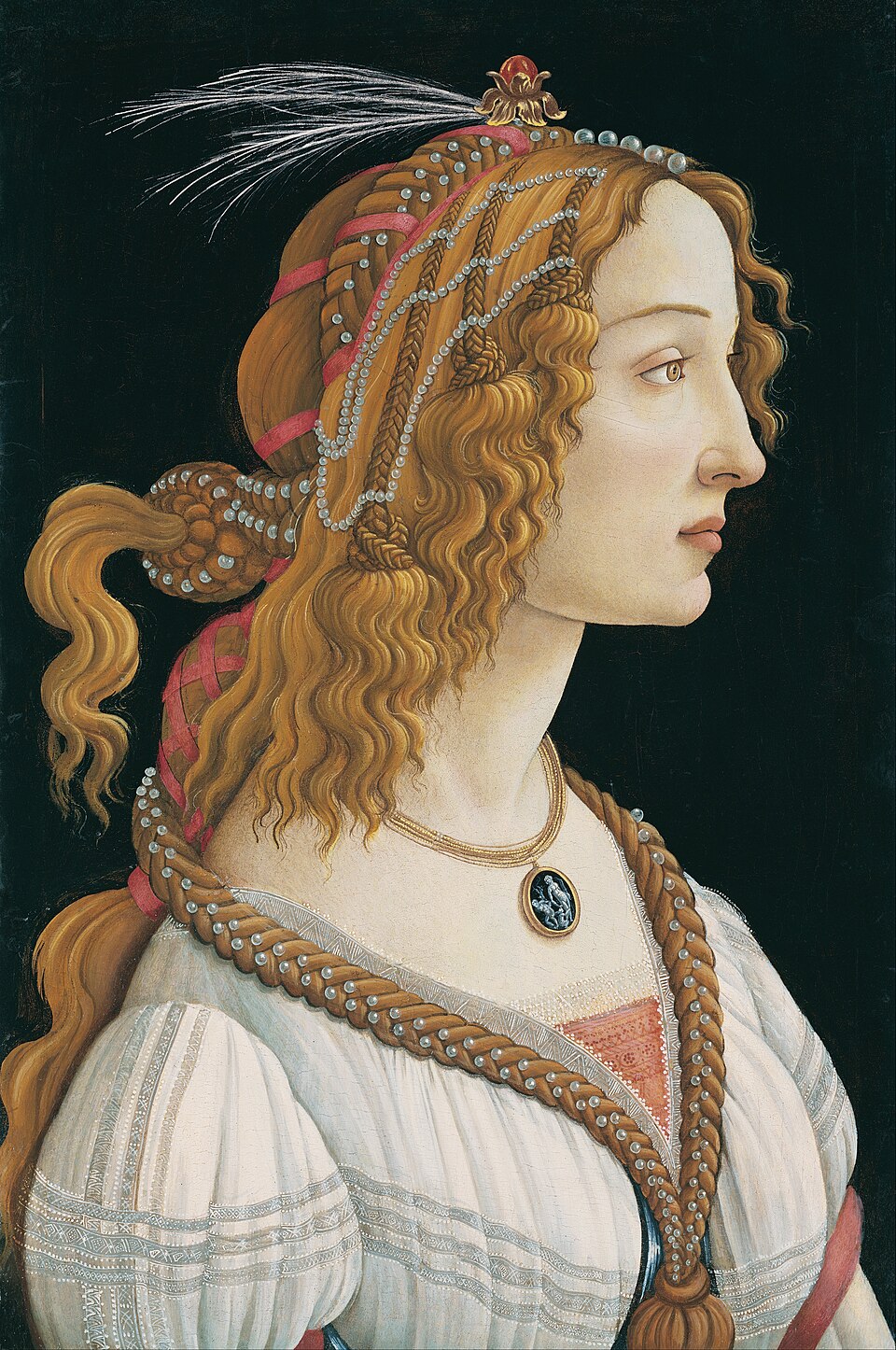
You have a good eye, don't you! Look at Primavera: a garden full of flowers, dancing figures, and yet... a melancholic sweetness. I paint delicate faces, flowing hair, slow and graceful gestures. My learned friends like the idea that earthly beauty makes you think of something greater, unseen. So my characters seem to dream of something else. That's my way: you recognize a painting by Sandro by this slightly dreamy grace. Happiness that is too loud doesn't suit me. I prefer beauty that whispers.
My characters barely smile: they dream of something greater than themselves.
—What was it like working for the Medici? Were they kind?
The Medici ruled everything in Florence, or nearly. Working for them was an immense opportunity. They gave me a fine workshop and the means to buy the best materials, even gold and that expensive blue made from lapis lazuli. Without a patron, a painter is nothing: we depended entirely on these wealthy families who placed the commissions. Lorenzo de' Medici himself spoke proudly of the works made for the city. But imagine the pressure: if the master doesn't like your painting, you lose everything. We painted to please, yes, but also because we truly admired them.
Without a wealthy patron, a painter in my time was nothing at all.
—You were called all the way to Rome? How did it feel to go so far?
What an honor, my child! Around 1481, the pope called me to Rome, to the Vatican, to decorate a great chapel, the Sistine Chapel. I painted frescoes there: scenes of Moses, scenes of Christ. A fresco is painting on a wall still damp with fresh plaster; you have to work fast, because it dries. I was chosen along with other great masters: that meant my reputation had spread beyond Florence. Imagine the journey on horseback, days and days of travel, for a boy nicknamed Little Barrel. I was proud, but also a little intimidated by the grandeur of the place.
When Rome calls you, you realize your name has traveled farther than you have.
—They say at the end you burned your own paintings? Is that true?
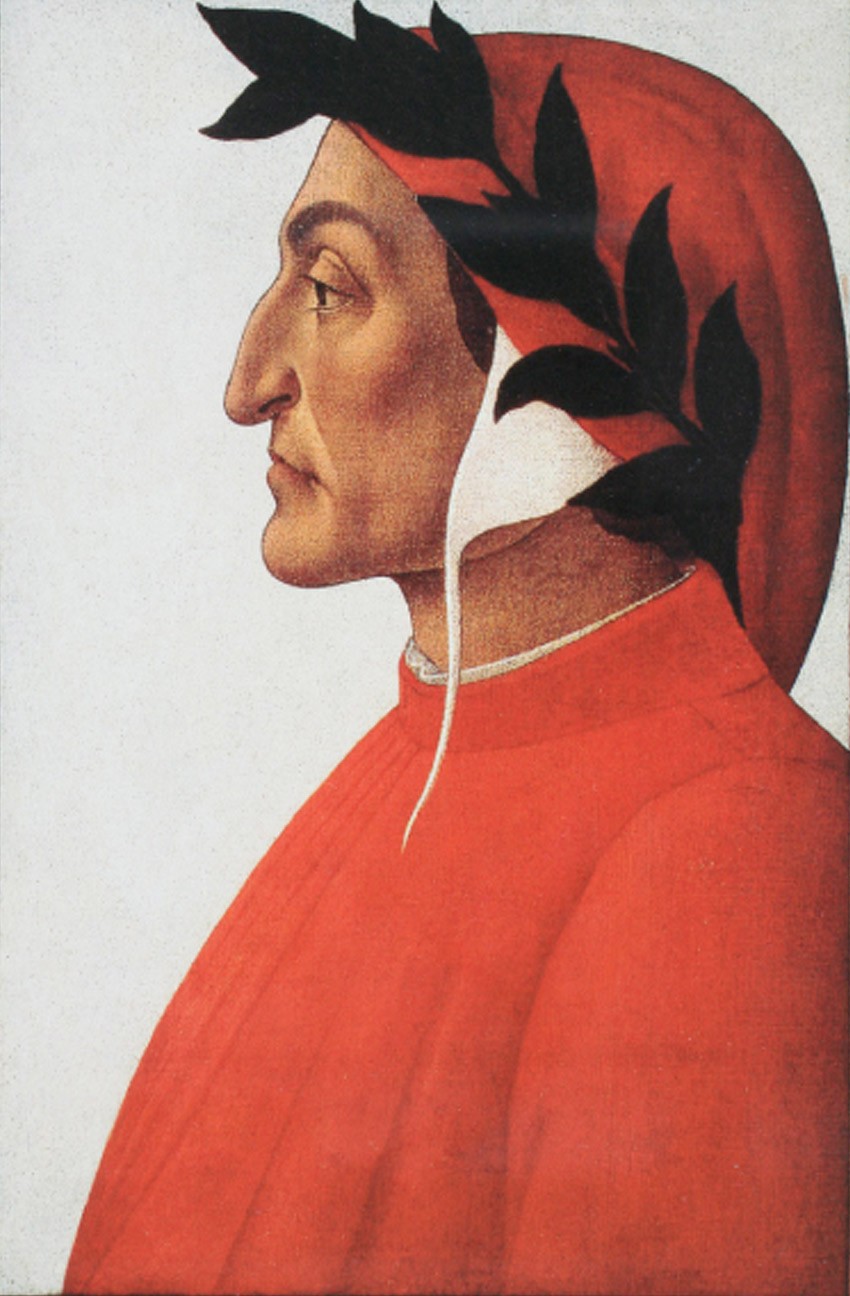
It's true, and it still pains me to speak of it. Toward the end of my life, a very severe monk, Girolamo Savonarola, was preaching in Florence. He said that images of pagan gods turn us away from the true God. His words moved me deeply. I, who had painted Venus and so many ancient figures, suddenly felt guilty. So yes, I consigned to the flames certain works deemed too profane. Imagine the pain of destroying what you loved to create. My painting became more serious, more religious. One does not change so late without suffering. But my faith, at that time, was stronger than anything.
I burned with my own hands what I had loved to paint. One does not change without suffering.
—Were you afraid when Savonarola shouted against everyone in the city?
Fear, yes, it hung in the air of Florence. Imagine a city where people parade through the streets, throwing into the fire objects deemed too beautiful or too vain. Savonarola shook consciences, and many listened to him, myself included. Then everything turned: in 1498, he himself was executed. The city was like a turbulent sea. The Medici weakened, the King of France invading Italy... nothing was certain. In that turmoil, I turned to more pious, more austere subjects. When the world trembles around you, my child, you seek a solid support. Mine was prayer.
When the world trembles around you, you seek a solid support.
—If people look at you today, what would you like them to remember about you?
What a beautiful question to end with! You know, I knew glory with my goddesses, then silence and oblivion toward the end. When I died, in 1510, I was barely mourned. But look: centuries later, here you both are before my Venus, here at the Uffizi Gallery. That is my true victory. I would like you to remember that a graceful drawing, a delicate face, can outlast an army. Never mock what is soft and fragile. Sometimes, that is what lasts the longest. Thank you for coming to talk to me.
A delicate face outlasts an army.
This imaginary interview was generated by artificial intelligence from sources documented in Sandro Botticelli's profile. It dramatises what the figure might have said based on what we know about them, but does not constitute attested historical testimony. For primary sources and factual documentation, refer to the full profile.