Kids interview Selma Lagerlöf
by Charactorium · Selma Lagerlöf (1858 — 1940) · Literature · 4 min read
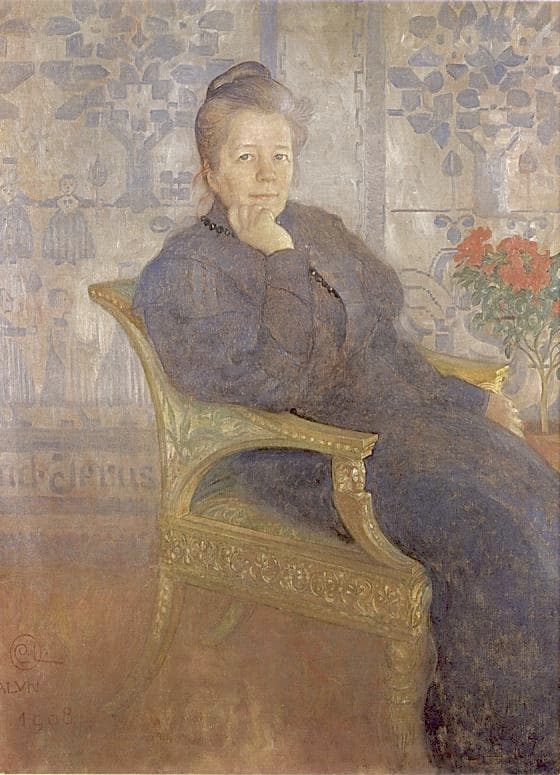
Two twelve-year-old visitors push open the door of the big house at Mårbacka, in Sweden. An old lady with gentle eyes waits for them by the fireplace. Her name is Selma Lagerlöf, and she loves to tell stories.
—What was your childhood like here in the Swedish countryside?
You know, my child, I was born in 1858 in Värmland, a region of forests and lakes. In the evening, my grandmother would sit by the fire and tell stories. Tales, legends, stories of trolls and talking animals. Imagine a room with no bright light, just a flickering oil lamp. And her voice, so soft, filling the shadows. I listened without moving, my heart pounding. That's where I learned to love stories. All my tales come from those evenings. My grandmother didn't know she was shaping a writer.
My grandmother didn't know she was shaping a writer.
—Why did you buy back this house, Mårbacka, when you grew up?
Because it was the home of my heart, you see? I was born here, I grew up here. But my family had to sell it, and it caused me immense sorrow. So as soon as I earned enough money from my books, I bought Mårbacka back. It was like finding a part of myself again. I turned it into a refuge, a place to write in peace, surrounded by the fields and forests of Värmland. In the morning, I would get up early, have some bread and coffee, and work. A house is not just walls. It's all the memories sleeping inside.
A house is not just walls; it's the memories sleeping inside.
—What was your very first real book?
My first great book was The Saga of Gösta Berling, in 1891. I was a little over thirty. The hero, Gösta, is a pastor who lost his job — we say defrocked, meaning he can no longer preach in church. He wanders through Värmland, my region. I blended reality and the marvelous, festivities and sorrows. You know, I was so afraid no one would like it. And then success came, slowly, even abroad. That book opened the door for me. Before it, I was a schoolteacher. After it, I became a writer.
Before that book I was a schoolteacher; after it, I became a writer.
—Is it true you wrote a book specifically to teach geography to children?
Yes, my child, and it was a challenge! I was asked to write a book to introduce Sweden to schoolchildren. Geography can be boring, with lists of cities to memorize. So I had an idea. I imagined a little boy, Nils, turned into a tiny gnome. He climbs onto the back of a wild goose and flies over the entire country. Lakes, mountains, forests pass beneath him. That way, by following his journey, you learn Sweden without even realizing it. The Wonderful Adventures of Nils Holgersson was born in 1906.
By following Nils's journey, you learn Sweden without even realizing it.
—Had you really seen Sweden from above like your little Nils?
No, my child! In my time, no one flew in the sky. To see my country like a goose, I only had my imagination and large maps spread on my table. I would put my finger on a river and dream the landscape. I also traveled a lot by train, boat, horse, to feel the air of the regions. Imagine: I had to draw everything in my head. When Nils looks down at Sweden, it's my own gaze, bent over maps, taking flight. Imagination, you see, is the most beautiful pair of wings.
Imagination is the most beautiful pair of wings.
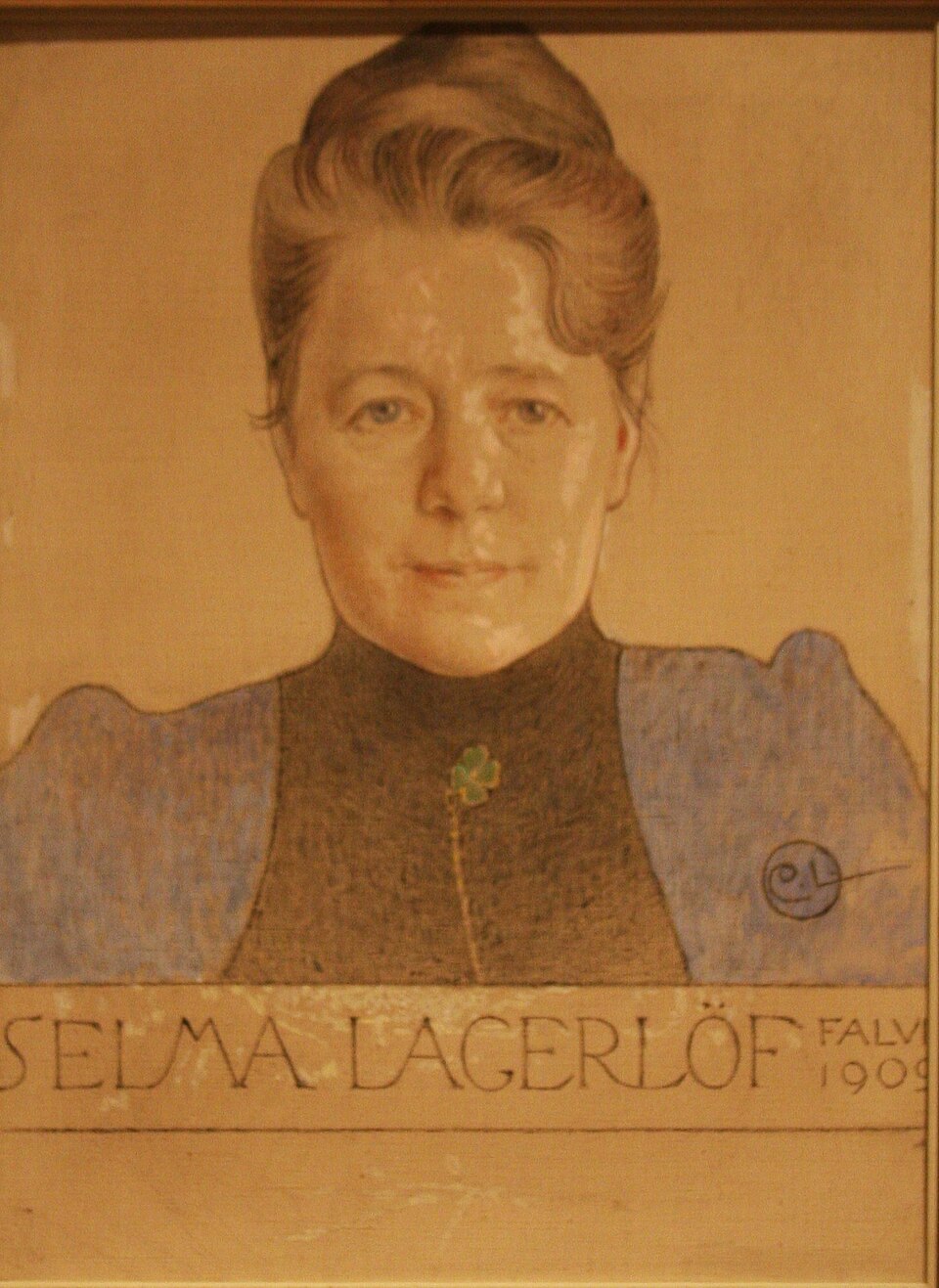
—What does it feel like to receive the Nobel Prize?
Ah, that I will never forget. It was in 1909, I was fifty-one. The Nobel Prize in Literature is the greatest reward for a writer. And no woman had ever received it before me. Imagine my emotion: stepping onto that big stage, receiving a gold medal, before all those gentlemen in formal attire. My heart was pounding. I thought of my grandmother, of Mårbacka, of all those evening stories. I wasn't just a lady being honored. I was a door opening for women who would write after me.
I wasn't just a lady being honored: I was a door opening.
—Were you the only woman among all those learned men?
Often, yes. A few months after the Nobel, I entered the Swedish Academy. It's the most respected institution in the country for language and literature. Again, I was the first woman. Imagine a room full of very serious old gentlemen, and me sitting among them. Some thought a woman had no place there. But my books had spoken for me. You know, I didn't shout, I didn't pound my fist. I simply did my work well, book after book. Sometimes, the best argument is the work you leave behind.
The best argument is the work you leave behind.
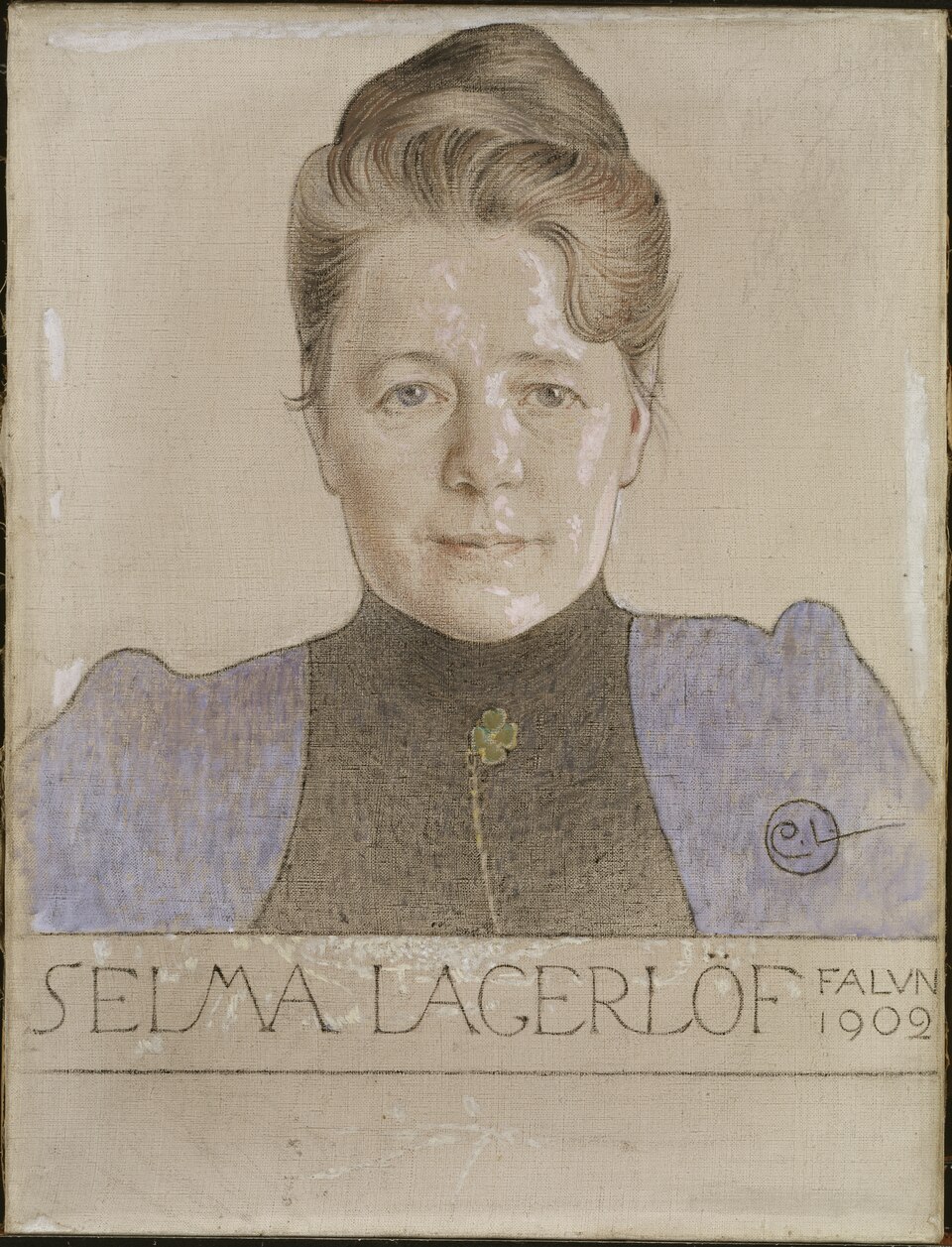
—Why did you never marry?
That's a real question, and I'll answer you honestly. In my time, a woman who married often had to give up everything for her husband and home. I wanted to write. Writing takes all your time, all your mind, all your heart. I chose to remain free to keep my pen to myself. That seemed bold, almost scandalous, for a lady of my time. But thanks to that choice, I could travel, even to Italy, and work whenever I wanted. I regret nothing. Everyone must find the path where they breathe best.
I chose to remain free to keep my pen to myself.
—What did a writing day look like for you?
In the morning, I got up early, when the house was still quiet. Some bread, butter, a cup of coffee, and I would settle in. That's when my mind was clearest. I dipped my pen into the inkwell — in my time, we wrote by hand, letter by letter. In the afternoon, I walked in the gardens and forests of Mårbacka. The fresh air gave me ideas. In the evening, I read, or wrote letters to my friends. Writing is not a flash of genius. It's patient work, every day, like a gardener tending his plants.
Writing is not a flash of genius; it's patient work every day.
—If people remember you today, what would you like them to remember?
What a beautiful question, my child. I would like them to remember that stories matter. My grandmother's, by the fire, were as valuable as great scholarly books. I took the legends of my Värmland, the fairy tales, the wild geese, and turned them into books read worldwide. If a little country girl could step onto the Nobel stage, then you too can dream big. Keep your stories, listen to those of the elderly, and tell them in your turn. That's how we stay alive long after death.
Keep your stories, listen to those of the elderly, and tell them in your turn.
This imaginary interview was generated by artificial intelligence from sources documented in Selma Lagerlöf's profile. It dramatises what the figure might have said based on what we know about them, but does not constitute attested historical testimony. For primary sources and factual documentation, refer to the full profile.