Kids interview Sigmund Freud
by Charactorium · Sigmund Freud (1856 — 1939) · Philosophy · Sciences · 5 min read
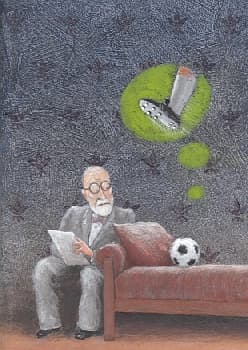
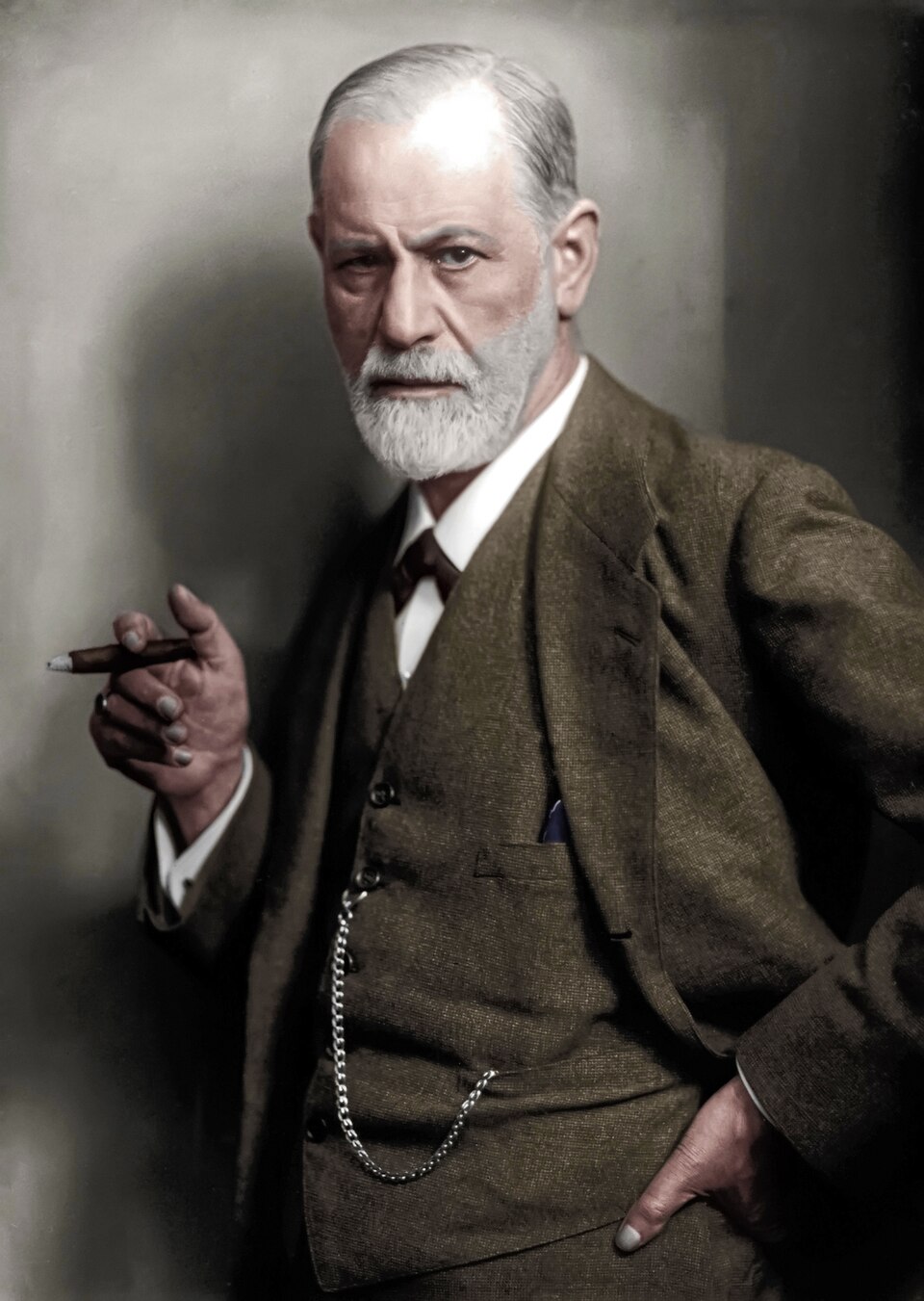
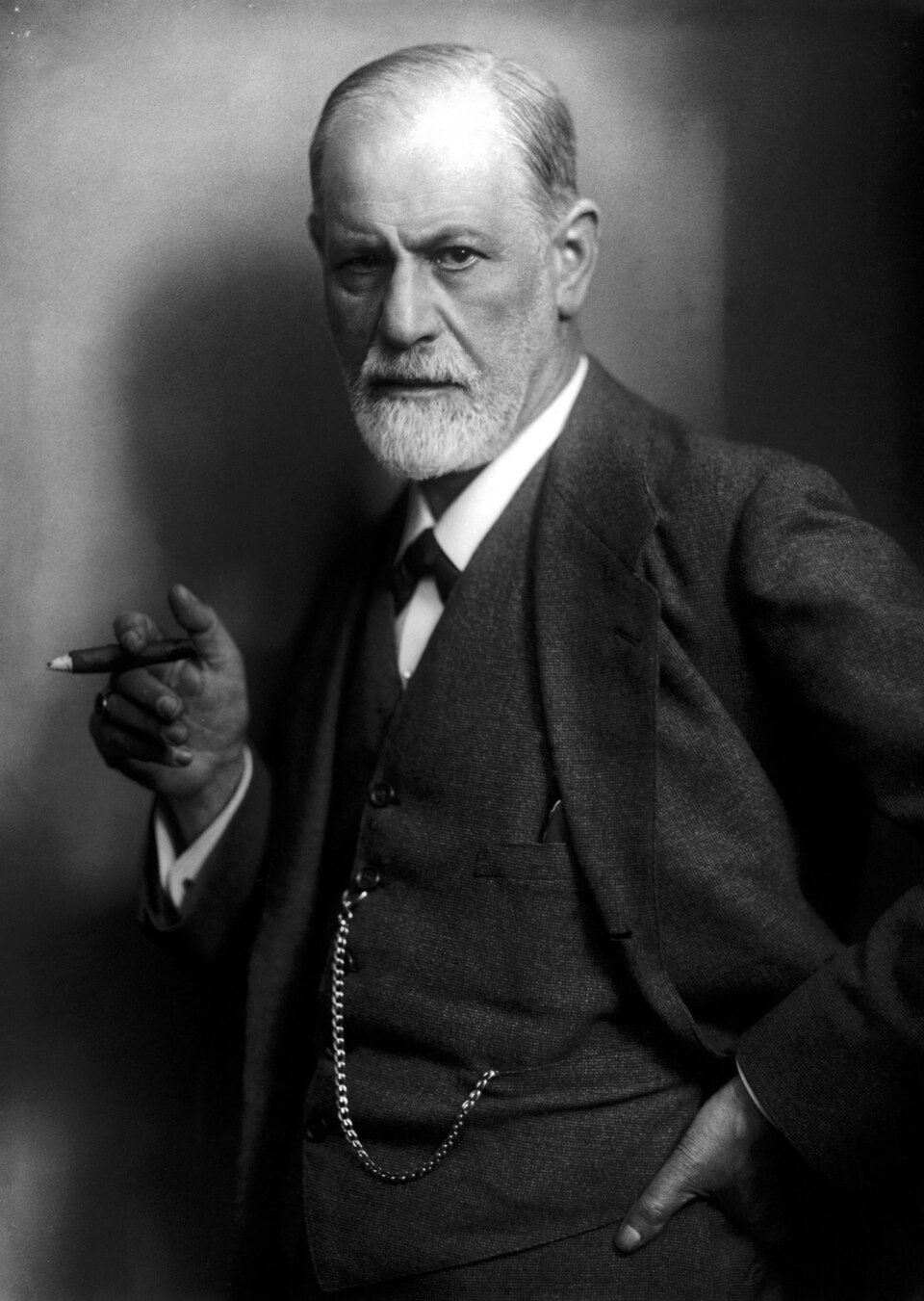
Two twelve-year-old students push open the door of a Viennese apartment filled with old statues. An elderly gentleman with a white beard, a cigar in hand, invites them to sit down. His name is Sigmund Freud, and he has agreed to answer all their questions.
—How old were you when you left to study in Paris?
I was twenty-nine, my child, and I was a young doctor, a bit lost. In 1885, I went to Paris, to a large hospital called the Salpêtrière. There worked a famous master, Charcot. Imagine a huge room filled with women said to be ill for no visible reason: it was called hysteria, pains of the body that actually came from the mind. Charcot would put them to sleep through hypnosis, a kind of waking sleep, and their symptoms would change. I was shaken. That day, I understood that the mind could make the body ill. My whole life turned around.
That day, I understood that the mind could make the body ill.
—And after Paris, did you stop being a normal doctor?
Almost, yes. Before, I was a neurologist: I listened to bodies with my stethoscope, I studied nerves like electrical wires. But after Charcot, that wasn't enough for me anymore. I wanted to understand what hides behind words, behind fears we can't explain. You know, it's as if I had spent my life looking at the front of a house, and one day someone showed me the door to the cellar. Everything that really interested me was down there, in the dark, where no one ever looks. I decided to go down.
I had spent my life looking at the front, and someone showed me the door to the cellar.
—Is it true that you think dreams mean something?
Absolutely, and it's even the great book of my life. In 1900, I published The Interpretation of Dreams. My idea may seem strange to you: at night, your mind doesn't really rest. There is a hidden part inside you, which I call the unconscious: all the desires, the fears you dare not admit, even to yourself. By day, you push them to the back of your mind — that is what I call repression. But at night, they come out disguised in your dreams. For me, the dream is the secret path that leads straight to that hidden part. You just have to learn to read it.
At night, your hidden desires come out disguised in your dreams.
—But how do you understand a strange dream?
Patiently, my child! A dream is like a letter written in a secret language. Imagine that instead of telling you things directly, your mind whispers them to you in mixed-up images. If you dream of something frightening, it's not the thing itself that matters, but what it hides behind. My job was to listen to my patients tell me their dreams, day after day, and to note every detail in my notebooks. Little by little, the meaning appeared, like an image developing. Dreams don't lie. They say softly what we dare not think out loud.
A dream says softly what we dare not think out loud.
—Why were your patients lying on a couch?
Ah, my famous couch! You'll laugh, I invented it almost by chance. At first, I simply asked my patients to lie down so they would be relaxed. And then I noticed something astonishing: lying down, without looking me in the eye, they dared to confide secrets they would never have told standing up. So I kept the habit. My sessions lasted all afternoon, until seven in the evening, and I wrote everything down. That simple piece of furniture became the symbol of my entire method. Sometimes the greatest discoveries come from a small detail you hadn't planned.
Lying down, my patients dared to confide what they would never have said standing up.
—And what did you say to them during the session?
Almost nothing, that's the point! I asked them only one thing: say everything that comes to mind, without hiding anything, even silly or embarrassing thoughts. I call it free association. Imagine following a thread of wool that unravels on its own, without knowing where it will lead. At first my patients hesitated, they were ashamed. But by speaking freely, they sometimes stumbled upon a buried memory, and suddenly they would cry or understand something. That's psychoanalysis: healing by putting words to what hurts deep inside. Speaking is already healing a little.
Speaking is already healing a little.
—Is it true that you smoked twenty cigars a day?
Alas, it's quite true, and I'm not proud of it. Twenty cigars a day, almost all my life! I used to say they helped me think, to find my ideas in the evening when I wrote. It had become stronger than me. In 1923, doctors told me I had cancer of the jaw from tobacco. And yet, you'll find this crazy: I couldn't stop. I, who spent my life studying the forces that drive us despite ourselves — what I call the drives — I was the first prisoner of my own. No one is all-powerful over themselves, not even me.
I, who studied the forces that drive us, was a prisoner of my own.
—How did it feel not to be able to stop?
It made me humble, my child. Imagine a swimming instructor afraid of water: it was a bit like that. I had written entire books about those hidden desires that command our actions, and I watched myself light another cigar while I was in pain. But you know, it also taught me something important for my work. If I, who understood all this, couldn't control myself, then how could I judge my patients harshly? You don't heal people by moralizing. You help them by understanding that it's hard, really hard, to change.
You don't heal people by moralizing.
—Why did you have to leave your home in Vienna?
That is the saddest moment of my life. I had lived for nearly fifty years at 19 Berggasse, in Vienna, in an apartment full of my ancient statues that I loved to collect. But in 1938, Hitler's army invaded Austria. These men hated my ideas, and also the fact that I was Jewish. A few years earlier, in 1933, they had already burned my books in great bonfires, calling them "degenerate". At eighty-two, old and sick, I had to abandon everything and flee. Imagine leaving the home of a lifetime, knowing you will never see it again.
I had to leave the home of a lifetime, knowing I would never see it again.
—And where did you go after? Were you afraid?
I went to London, England. Yes, I was afraid — not so much for myself, I was already old, but for those I loved. When they burned my books, I had a bitter thought: in the old days, they would have burned the author himself, and now they were content with his pages. That was my way of keeping a little courage. In London, I was able to take a few of my dear statues, and I continued to write until the end. I died there in 1939, far from my Vienna. But my ideas, they had already traveled all over the world. You cannot burn an idea.
You can burn pages, my child, but you cannot burn an idea.

This imaginary interview was generated by artificial intelligence from sources documented in Sigmund Freud's profile. It dramatises what the figure might have said based on what we know about them, but does not constitute attested historical testimony. For primary sources and factual documentation, refer to the full profile.