Kids interview Sigurd
by Charactorium · Sigurd · Mythology · 5 min read
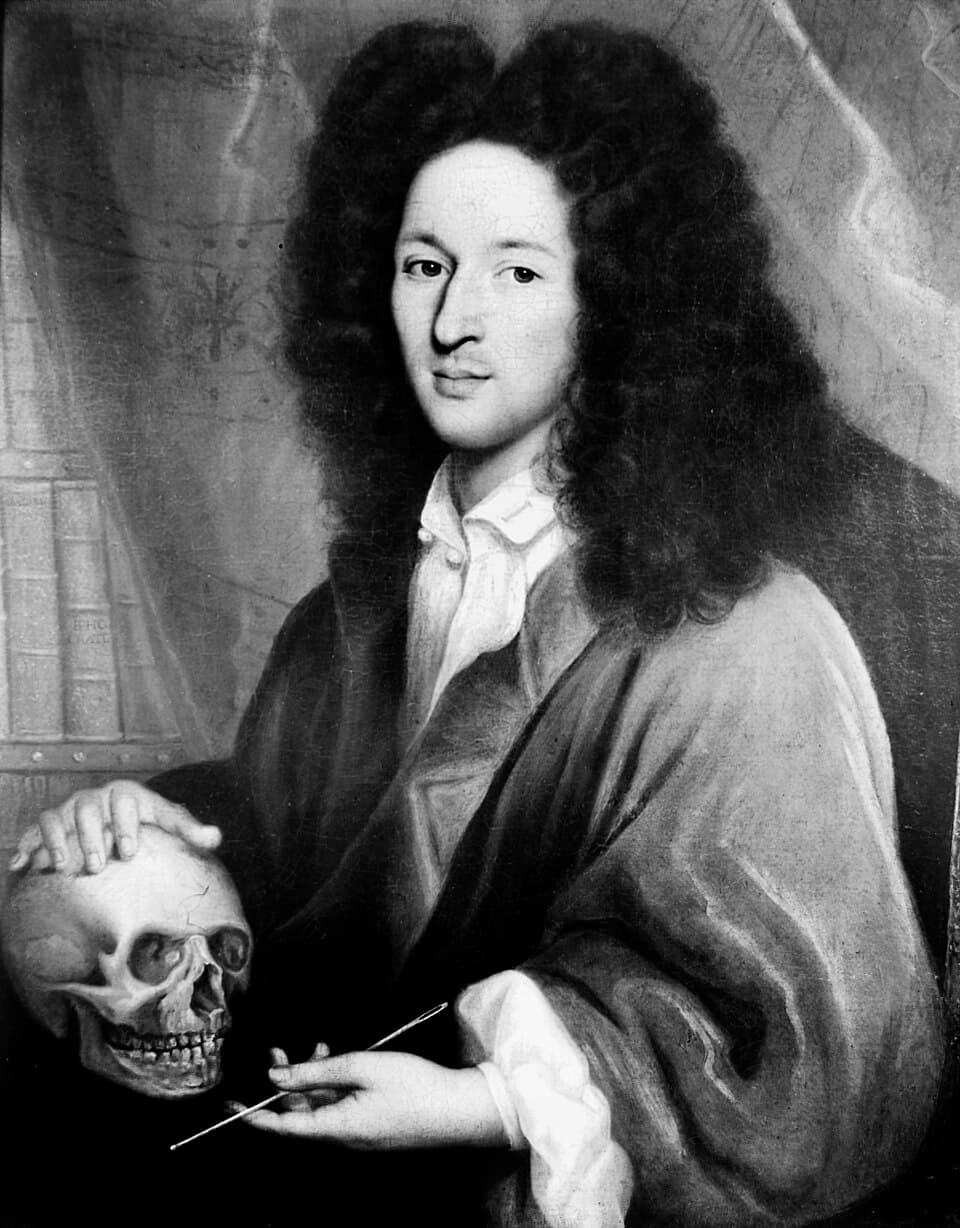
Two young visitors, on a school trip, have walked through the door of a great wooden hall where a fire crackles. Before them stands Sigurd, the dragon-slayer, his long sword resting on his knees. He invites them to sit by the hearth and listen to his story.
—What was your sword like? Did it have a name?
Yes, my child, it was called Gram. You see, it was no ordinary sword. My father had one, shattered into pieces on the day of his death. Those fragments were entrusted to the dwarf smiths — small beings hidden under the earth, who work metal like no one else. Picture a dark forge full of sparks, where broken shards are gathered to make a new blade. When Gram came out of the smithy, it split the anvil in two. That sword carried my entire destiny. Without it, I would never have dared face what awaited me on the heath.
With the pieces of my father's broken sword, they forged my entire destiny.
—Was your horse special too?
Ah, Grani! My most faithful companion. You know, he was not a horse like those you see in the fields. He was descended from Sleipnir, the steed of the great god Odin. Imagine a powerful beast, never trembling before fire or monsters, and seeming to understand your very thoughts. When I rode on his back, I felt something greater than myself carrying me. A warrior alone is nothing. But a warrior with a forged sword and a horse from the gods can face the worst of dragons.
My horse was descended from a god's steed: with him, I feared nothing.
—What was it like, the day you killed the dragon?
The dragon was called Fáfnir. He guarded a treasure on the mountain of Gnitaheiðr, a desolate heath. You see, I did not fight him face to face — he was far too big. I dug a pit on the path where he crawled to drink. Imagine hiding in the earth, heart pounding, listening to the ground tremble under the beast's weight. When his belly passed over me, I thrust Gram with all my strength. That is how the serpent that terrorized the heath fell. But that day, without knowing it, I also touched a cursed treasure.
I hid in the earth and struck the dragon from below.
—Is it true you understood the language of birds?
Yes, and that is the strangest story of my life! After killing Fáfnir, I wanted to taste his blood. You see, I dipped my finger and brought it to my lips. Suddenly, the birdsong in the trees turned into words! Imagine suddenly hearing the tits talking among themselves, and warning you of danger. That is what happened to me: the birds warned me that a man I trusted, Regin, meant to betray me. That dragon's blood saved my life. The world was full of secrets I never suspected.
A drop of dragon's blood, and suddenly the birds spoke to me.
—Were you rich after that, with all the dragon's gold?
Very rich, yes. I took all the gold that Fáfnir guarded, and among that treasure was a ring: Andvaranaut. You know, my child, I should have been wary. That ring was cursed. Imagine a beautiful jewel that shines like no other, but brings misfortune to every one of its masters. Wealth did not make me happy — quite the opposite. That gold awakened jealousy and hatred around me. It ended up destroying entire families. That is a lesson my life teaches: some treasures cost far more than they are worth.
Some treasures cost far more than they are worth.
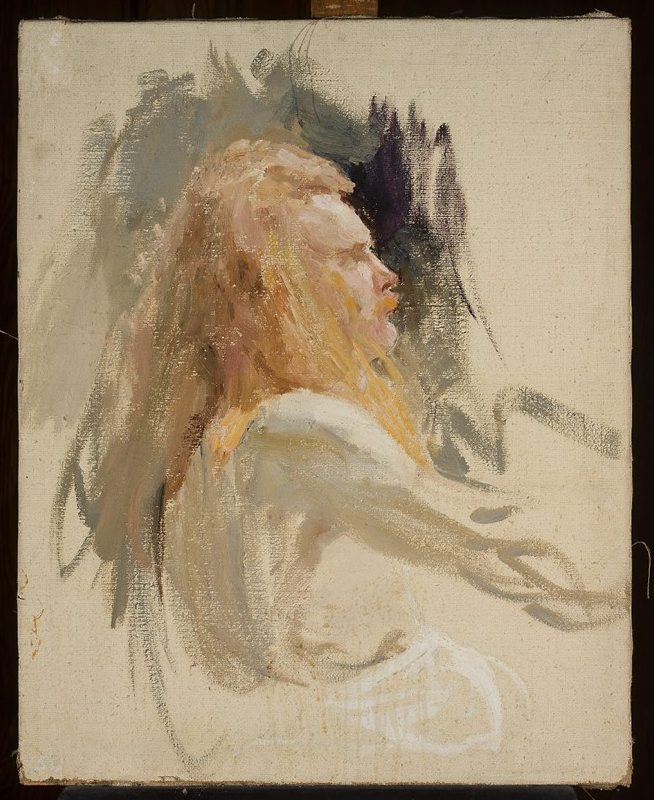
—And the story of the wall of fire, what was that?
Ah, Brynhildr... You see, she was a valkyrie, a warrior of the gods. She slept atop a mountain, enclosed in a great circle of flames. Only a fearless man could cross that fire. Imagine a wall of flames higher than a roof, roaring and burning everything — and you must pass through it. With Grani, my horse, I crossed it. I awakened Brynhildr, and she taught me the runes, those ancient signs filled with magic. I promised to marry her. At that moment, I thought myself the happiest man in the world.
To awaken the one I loved, I crossed a wall of fire.
—So why didn't you marry her in the end?
That is the saddest part, my child. You see, in my world, men are not always masters of their hearts. I was made to drink a magic potion that erased my memories. Suddenly, I forgot everything about Brynhildr — her face, my promise, our love. Imagine waking up one morning and having forgotten the dearest person to your heart. I then married Gudrun, another woman, without understanding what I was doing. When Brynhildr learned of it, her grief turned to anger. And that anger led to my downfall.
A potion made me forget the love I had sworn.
—Your story is sad. Was it because of the curse?
Yes, in large part. You see, in our Northern tales, there is the Wyrd, fate. It is a force one cannot escape, even when one is the strongest of warriors. The ring Andvaranaut that I had taken from the dragon carried its curse on all who touched it. Imagine a shadow that follows you everywhere, slowly poisoning everything you love. Gold, love, friendship — everything turned against me. I was not an evil man, but fate had marked me. Among us, even heroes must fulfill their destiny, however tragic.
Even the strongest warrior cannot escape his fate.
—How did you die, in the end?
Not in battle, my child — and that was the hardest. You see, a warrior dreams of falling with sword in hand. I was killed in my sleep. Gutthorm, the brother of my wife Gudrun, entered while I slept and ran me through with his sword. Imagine the betrayal: dying not facing a dragon, but by the hand of my own family, unable to defend myself. It was vengeance for Brynhildr's grief. That is how the life of Fáfnir's slayer ended: not under a monster's fangs, but under a kinsman's blade.
I survived a dragon, but not the betrayal of my own.
—But then, how do people still know your story today?
Good question! You see, at my death, everything could have been forgotten. But storytellers kept my tale in their memory and passed it on by word of mouth — that is what we call the oral tradition. Much later, in Iceland, men finally wrote it down in great books, the sagas. Imagine monks and scribes, by candlelight, patiently copying tales centuries old. That is how the Völsunga saga came to be. In Germanic lands, I was even called Siegfried. My body fell, but my legend crossed time.
My body fell, but my legend crossed the centuries.
—How does it feel that children like us still talk about you?
It touches me deeply, truly. You see, when a hero dies, his greatest fear is being forgotten. And here are two children, so many centuries later, sitting by my fire to listen. Imagine what that means to an old warrior! My sword Gram has long been silent, the treasure has vanished, but my story still lives in your curiosity. Remember this: a man lives twice. Once through his deeds, and once through those who tell them. As long as you speak of me, Sigurd will never fully die.
A man lives twice: through his deeds, and through those who tell them.
This imaginary interview was generated by artificial intelligence from sources documented in Sigurd's profile. It dramatises what the figure might have said based on what we know about them, but does not constitute attested historical testimony. For primary sources and factual documentation, refer to the full profile.