Kids interview Sirimavo Bandaranaike
by Charactorium · Sirimavo Bandaranaike (1916 — 2000) · Politics · 5 min read
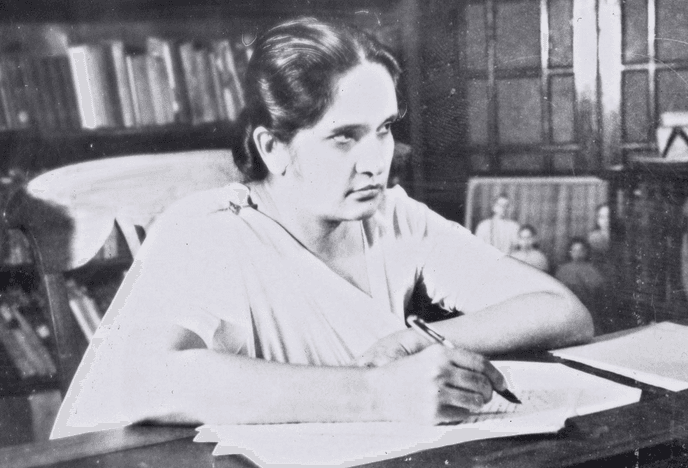
That morning, two middle-school students on a field trip pushed open the door of a large living room in Colombo. An elderly lady in a white sari waited for them, with a calm smile. She motioned for them to sit close by.
—What was it like, the day you became head of the country?
You know, my child, it was in 1960. My husband, Solomon, had been assassinated three years earlier. Imagine: you lose the one you love, and the whole country looks to you to see what you will do. My heart was heavy. But thousands of people came to drop their ballot into the urn for me. It was the first time in the world that a woman led a government. No one before me. I trembled a little, I admit. But when the grief of a country is entrusted to you, you do not let it down. I took Solomon's place, and I moved forward.
When the grief of a country is entrusted to you, you do not let it down.
—Were you afraid, being the first woman to do that?
Yes, my little one. Imagine a large room full of men in suits, and you, alone, in a sari. Everyone waits for you to make a mistake. In my time, people thought a woman served tea, not that she governed an island. So I learned to speak straight, not to lower my eyes. In the morning, before anything, I did my Buddhist prayers. That gave me calm. Then I went to Parliament, and I sat where no woman had sat. Fear never really goes away. But by staying on your feet, others eventually listen to you.
Fear never goes away; but by staying on your feet, others eventually listen to you.
—Why did you take the big tea plantations from the rich?
Good question, my child! You see, in our country tea grows on huge hills. Before, those hills belonged to gentlemen from far away, from England. They made the money; our farmers picked the leaves for almost nothing. Between 1960 and 1965, I said: these lands are ours, belonging to Ceylon. We nationalized them, that is, returned them to the whole country. Imagine a big garden that a few foreigners kept for themselves, and that is finally reopened to all the village children. I wanted the wealth of our land to feed our people, not a handful of distant people.
The wealth of our land was to feed our people, not a handful of distant people.
—What did you do for poor children in villages?
Ah, that is what I am most proud of, my little one. In my time, many children could not read, and when they fell ill, there was no money for a doctor. So my government made school free and healthcare free. Imagine a farmer's child who, for the first time, enters a classroom without paying a single cent. I said it on the radio, which spoke in every home: the country's resources must benefit everyone, not just the powerful. A country that educates and cares for its little ones, you see, is a country that respects itself.
A country that educates and cares for its little ones is a country that respects itself.
—During the Cold War, whose side were you on?
No one's side, my child! And that was my choice. Imagine two big giants arguing in the schoolyard, America and the Soviet Union. Each wants you to be their friend against the other. I said no. We call this non-alignment: you stay free, you do not side with either. Before the United Nations, in 1965, I reminded that every people has the right to decide its own destiny. It is not easy, you know. When you refuse to choose a side, both pout at you a little. But a small island can hold its head high.
A small island can refuse to choose a side and hold its head high.
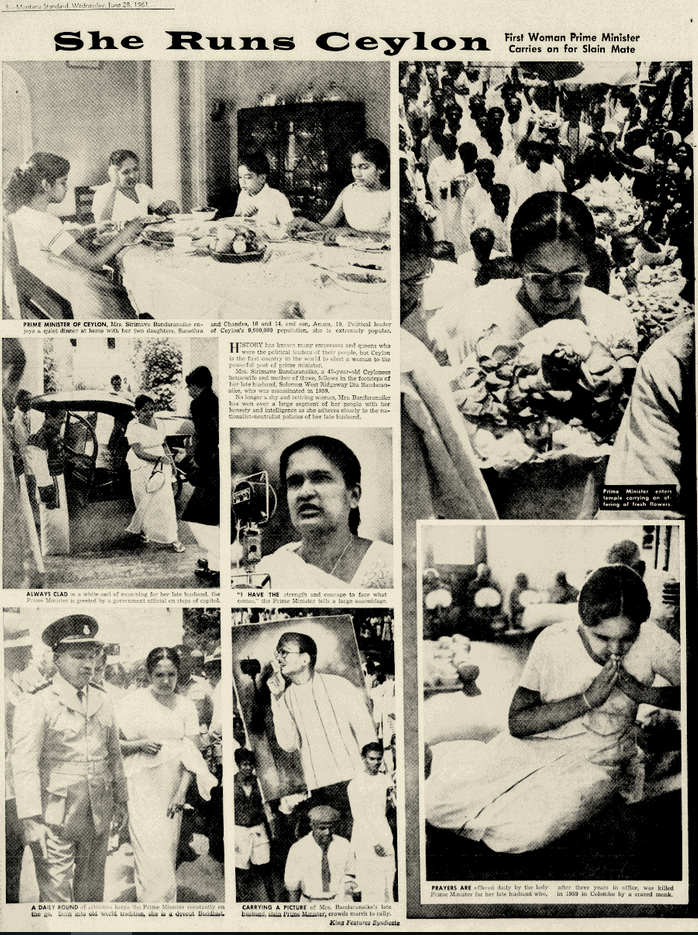
—Is it true that you chose one language for everyone?
Yes, my child, and I must be honest with you: it was complicated. In our country live two great peoples, the Sinhalese, the majority, and the Tamils. I supported making Sinhala the official language, as early as 1956. I thought I was bringing my country closer to its roots. But imagine that, overnight, your language no longer counts in papers, at school, in court. The Tamils felt sidelined. It created deep wounds that lasted a long time. I tell you frankly: a leader can mean well and yet open a wound.
A leader can mean well and yet open a wound.
—Do you regret making the Tamil minority cry?
You ask a grown-up question, my little one, and I will answer you as a grown-up. When you govern, you make decisions, and some hurt. Nationalism is love for one's people; but if it becomes a wall, it imprisons. Imagine a family where two languages are spoken at the table, and suddenly one is banned. The meal no longer tastes the same. The tensions between Sinhalese and Tamils did not calm in my lifetime. A leader must learn, even late, that uniting is better than dominating. That is a lesson I leave you, you young people.
Nationalism is love for one's people; but if it becomes a wall, it imprisons.
—What is the worst moment you experienced in politics?
The worst, my child? In 1980, my opponents accused me of serious offenses. I was convicted, and above all I was banned from voting for seven years. Imagine the shame: I, who had led the country, no longer had the right to slip a ballot into the urn, like the humblest citizen. It was done on purpose to humiliate me. In the evening, in my house in Colombo, I read, I reflected, I waited. I learned that patience is a quiet strength. They can push you aside, silence you for a time; but they cannot erase what you have already achieved.
They can push you aside for a time; they cannot erase what you have achieved.
—You returned to power when you were old, what was that like?
What joy, my little one, you cannot imagine! In 1994, I was an old lady. Many thought my political life was over, folded away like an old sari at the bottom of a cupboard. Yet the people called me back as Prime Minister. My child even became head of state! Imagine a grandmother who returns to run the house after being pushed out. I walked more slowly, but my mind was clear. I wanted to show one thing to all the girls listening: you are never too old, nor too set aside, to serve your country again.
You are never too old, nor too set aside, to serve your country again.
—If we lived a day with you, what would we eat in the morning?
Ah, come, sit at my table! In the morning, after my Buddhist prayers, we would have rice, small vegetable curries, sometimes fish, sweet fruits from our land, and of course tea from our hills. Not just any tea: the one that grows on the lands I told you about. I wore my white sari, simple, without flashy jewelry. Imagine a big house, Temple Trees, with its gardens, where secretaries already arrive with arms full of files. We eat quickly, we listen, and the day begins. Leading a country, you see, whets the appetite for duty well before that of the stomach.
Leading a country whets the appetite for duty before that of the stomach.
—What would you like to be remembered for later?
Come closer, my child, I will tell you softly. I do not ask you to remember my mistakes, nor even my laws. Rather, remember that a woman, on a small island called Ceylon, dared to take a place that no one had ever dared give a woman before her, in 1960. Imagine a door that had always been closed, and someone pushing it, gently, until it opens. After me, other women were able to pass through. That is my real treasure. You too, one day, will find a closed door. Do not be afraid to push: perhaps it has been waiting only for you.
You will find a closed door; do not be afraid to push, perhaps it has been waiting only for you.
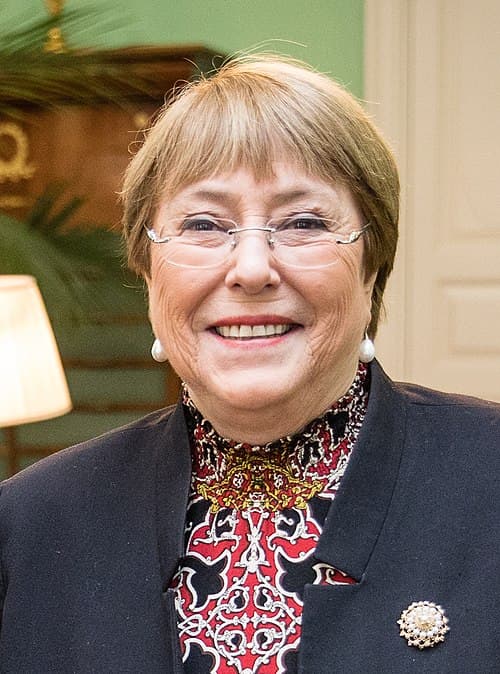
This imaginary interview was generated by artificial intelligence from sources documented in Sirimavo Bandaranaike's profile. It dramatises what the figure might have said based on what we know about them, but does not constitute attested historical testimony. For primary sources and factual documentation, refer to the full profile.