Imaginary interview with Solon
by Charactorium · Solon (629 av. J.-C. — 559 av. J.-C.) · Politics · 6 min read
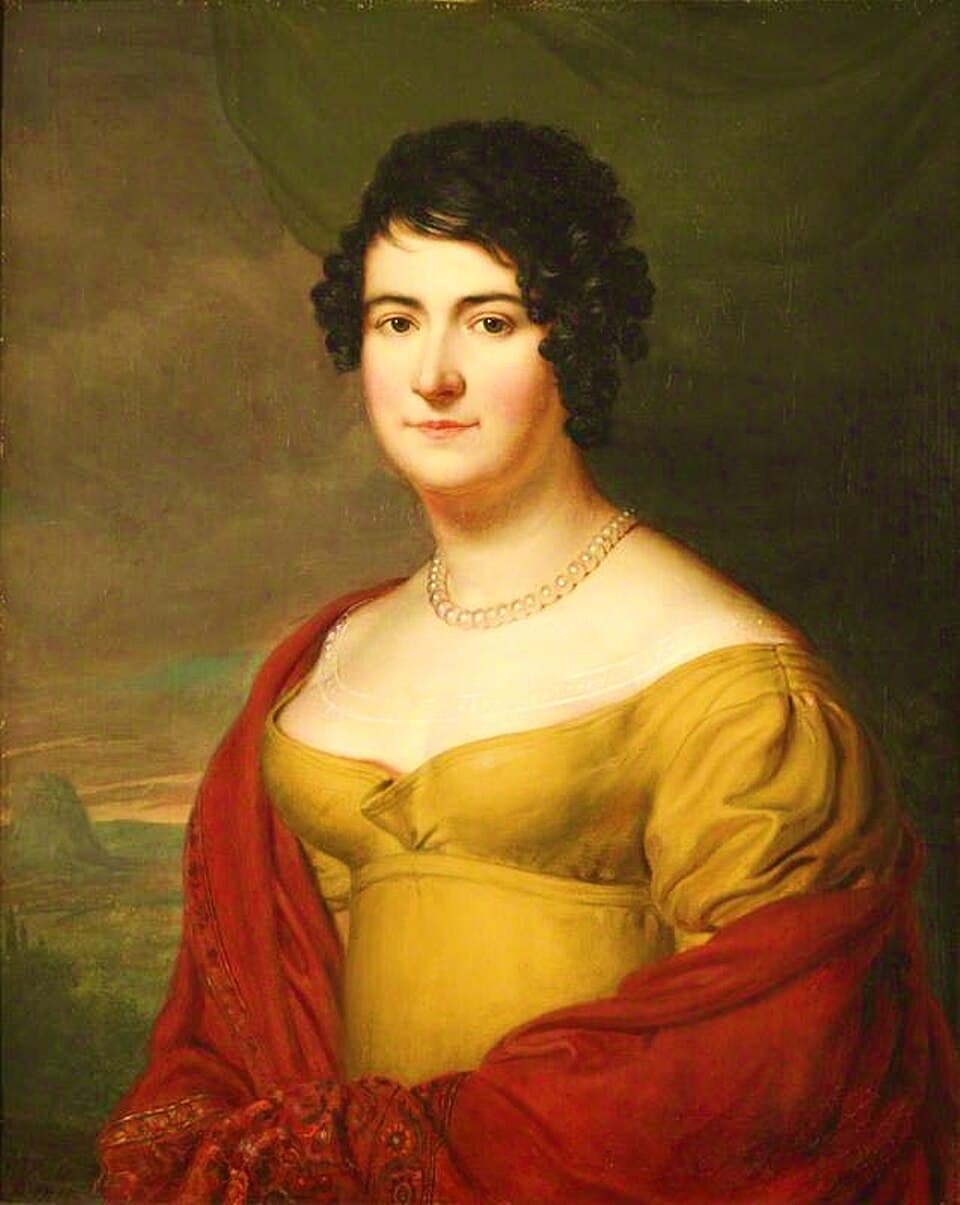
Under the portico of the Agora, at the hour when the slanting sun strikes the freshly engraved stelae, an old man in a simple woolen cloak watches the passersby who stop to read his laws. He has just returned from a long journey, his face tanned by sea winds. He agrees to speak, on condition that no one flatters him.
—It is said that before your laws, Athenians were sold as slaves for a few debts. What was happening in the city then?
The very earth bore markers of shame. The small farmers, those called the Hekemoroi, gave a heavy share of their harvest to the rich landowners, and when the harvest failed, they pledged themselves, then their children. I saw entire families cross the sea, sold outside Attica, on ships that never returned. When I was entrusted with the power of arbiter, in the year you call 594, I first tore those markers from the soil. I laid down the rule that no one could pledge their own body or sell their children. This was called the Seisachtheia, the shaking off of burdens. It was no gift: it was restoring to men what had been taken from them, their back and their name.
I first tore the markers of shame from the very soil of Attica.
—Did this measure please everyone?
No one, and that is perhaps the sign that it was just. The poor wanted to share the land of the rich as well, like cutting a cake into equal parts; the rich, for their part, did not forgive the breaking of their debts. I stood between the two, a shield before both camps. In my verses, I said what I had done: I gave the people as much power as was needed, neither subtracting nor adding to their honor, and saw to it that the powerful were not wronged. Those who demanded everything called me timid; but a city is not an Agora where one shouts louder than one's neighbor. It is a scale. And a scale, if it tips to only one side, is no longer a scale.
No one was pleased, and that is perhaps the sign that the thing was just.
—You divided the citizens into classes according to their wealth. Why wealth rather than birth?
Because birth is a matter of chance, and merit never is. Before, only a few families, those called well-born, held the offices, the archonships, the honors, like a family property passed down with the house. I measured each man, not by his ancestors, but by what his land produced in grain and oil: four classes, from the richest to the simple worker. Thus a man without glorious forebears, if he had amassed by his labor, could rise to the magistracies. It was not equality — I am no dreamer — but it was a door where there had been only a wall. The aristocracy no longer had a monopoly on grain or speech. One learns quickly when one stops believing that blood governs better than the arm.
Birth is a matter of chance; merit never is.
—Was it not dangerous to remove privilege from the powerful families?
Everything that touches power is dangerous, even doing nothing. I engraved the laws on stelae set up in the open air, and on those wooden tablets that revolve, so that everyone could read them, and not only hear them from the mouth of a noble who bent them to his will. A hidden law is only a weapon in the sleeve of the strong. By placing it under the sky, in the sight of all, I removed it from the hands of a single family and gave it to the city. The great grumbled, certainly. But I also left the highest offices to the wealthiest: one does not disarm a powerful man, one gives him a reason to serve rather than bite. That is the calculation of a lawgiver, not a saint.
A hidden law is only a weapon in the sleeve of the strong.
—It is said that you were offered the tyranny of Athens. How did you receive that offer?
As one receives poison poured into a golden cup: with suspicion of the glitter. Many pressed me, friends and flatterers, to keep for myself alone the power that had been lent to me for the time of reform. Tyranny, they said, was a beautiful estate — yes, I added, but with no way out. I had torn men from servitude; what sense would it have made to then enslave the whole city to my person? A man who keeps all power ends up holding nothing else. I preferred to let my laws walk alone, like a father leaves the child he has raised. And so that no one would come to beg me to change them every morning, I packed my bags.
Tyranny is a beautiful estate, but with no way out.
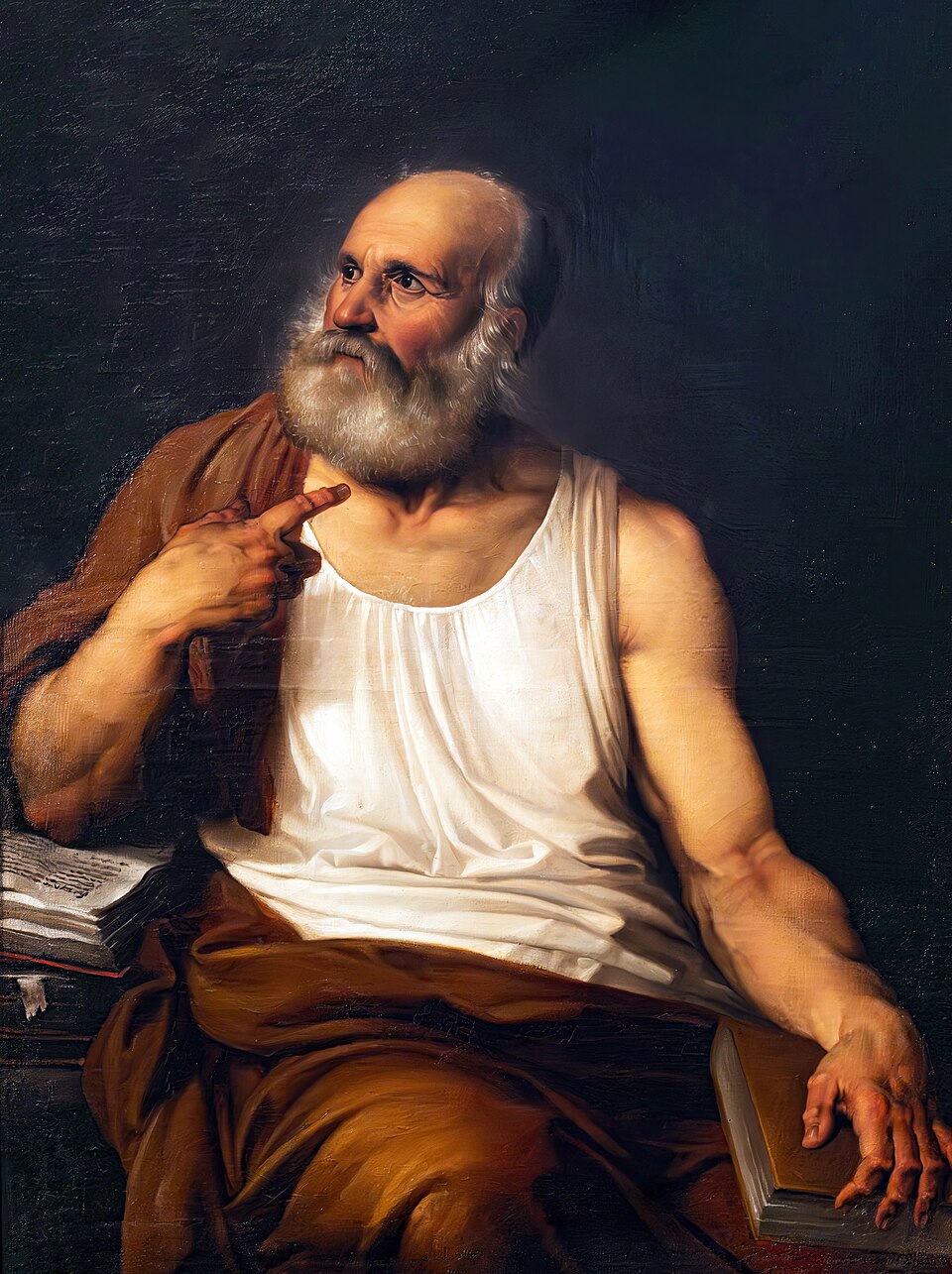
—So you left Athens for ten years. What did you hope for from such a long absence?
That they would stop looking at me. As long as the lawgiver remains under the portico, everyone comes to say: 'this one suits me, change that one.' I had made the Athenians swear to keep my laws untouched until my return; by staying away for a long time, I forced them to live with them, to wear them like a sandal until it fits the foot. A law is only worth something if it survives the absence of the one who wrote it. I took to the sea, to Egypt, to Cyprus, in the year you call 580. My laws, however, remained in the Agora, engraved, silent, defending themselves alone. That was my true test, even more than writing them.
A law is only worth something if it survives the absence of the one who wrote it.
—Before being a lawgiver, you were a poet. How did your verses serve the city?
The verse enters where speech hits the door. When Athens, weary, had given up reclaiming Salamis from the Megarians — to the point that speaking of it was punishable by death — I did not harangue in the square: I feigned madness, crowned my head, and recited an elegy in the square like a man beside himself. The words, chanted, rekindled what arguments could no longer reach: the shame of having surrendered an island of our fathers. Arms were taken up again, and the island. That day I understood that poetry is not an ornament for banquets: it is a string stretched to the hearts of men. Later, I used the same art to explain my laws — for a people obeys better what it has sung.
The verse enters where speech hits the door.
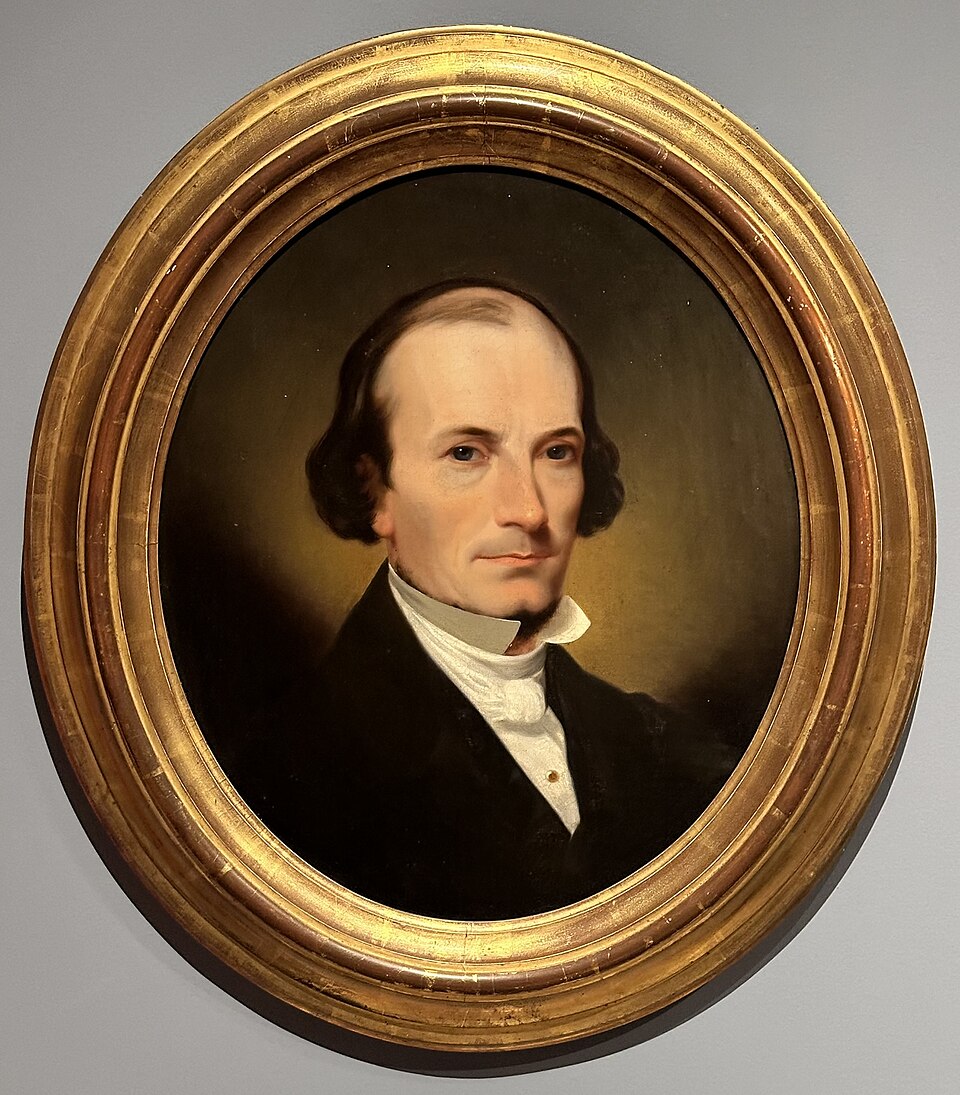
—Why put your reforms into verse rather than a simple decree?
Because a decree is read and forgotten; a verse is remembered and passed on. When both sides overwhelmed me, some judging me too bold, others too timid, I did not go to plead before every house. I replied with the elegy: I said that I had given the people as much power as was needed, without cutting the honor of the powerful. These verses went from mouth to mouth, at the symposium, where men discuss over wine mixed with water, much better than a stone stele would have done. The poet speaks to memory, the magistrate only to the ear of the day. And I needed my reasons to survive the anger of a single season.
A decree is read and forgotten; a verse is remembered and passed on.
—During your exile, you visited Egypt. What did you seek among those distant peoples?
Mirrors. A man who has never left his city believes his custom is the only law of the world, like a child believes every mother is his own. Among the Egyptians, I saw priests who preserved the memory of thousands of years, and who found us Greeks young and forgetful as children. That humbled me, in the good sense of the word. I observed how others distributed offices, how they kept their records and lands. One does not reform a city with only one's own ideas: one must have seen elsewhere to stop believing one's own disorder is eternal. I left old, but with the appetite to learn of a man who knows he is ignorant.
A man who has never left his city believes his custom is the only law of the world.
—From all these travels, what lesson do you bring for those who will govern after you?
That no city is safe, and no work is ever finished. I have seen new powers rise in the east, kings who swallow kingdoms one after another; the Greek world is not alone, and it would do well to remember that. For Athens, my fear is not the foreigner: it is the clever man who will flatter the people to become their master, and build his tyranny on the freedoms I sowed. My laws are not walls, they are dikes: they hold as long as they are maintained. Let the citizens themselves watch over the Ecclesia and their courts, without relying on a savior. The day a people seeks a master, it has already ceased to be free.
My laws are not walls, they are dikes: they hold as long as they are maintained.
Read further
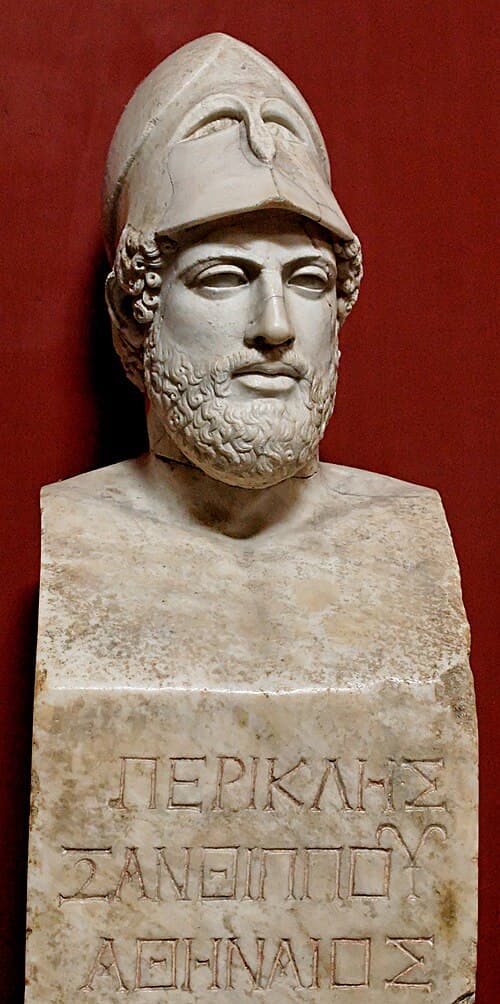
This imaginary interview was generated by artificial intelligence from sources documented in Solon's profile. It dramatises what the figure might have said based on what we know about them, but does not constitute attested historical testimony. For primary sources and factual documentation, refer to the full profile.