Imaginary dialogue between Thalès de Milet and Solon
by Charactorium · Solon (629 av. J.-C. — 559 av. J.-C.) · Politics · 5 min read
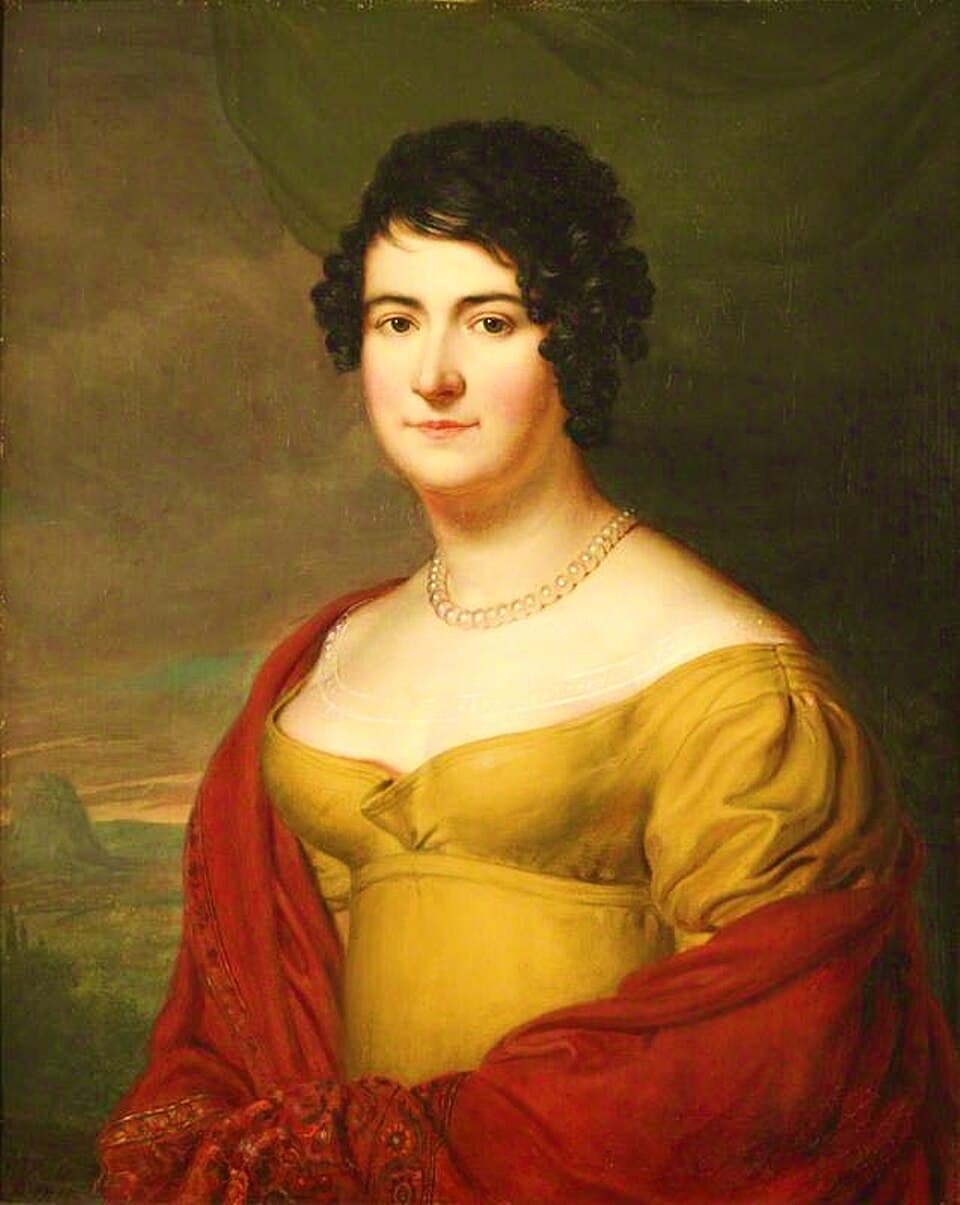
It is under the portico of a house in Athens, as evening falls over the Agora, that Thales of Miletus meets Solon around 585 BC. An oil lamp lights wax tablets still covered with numbers and laws. The two men once crossed paths on the roads of Ionia, where the Milesian and the Athenian are willingly counted among the wisest minds of Greece. Thales, who measures shadows and stars, has come this evening to measure the wisdom of a man who dared to remake the laws of a city.
—Solon, you whom I consider a mind as just as it is measured, what did you do on the day you broke the burdens of the debtors?
That day, Thales, I tore out the boundary stones that nailed our peasants to others' land. The hektemoroi gave a sixth of their harvest, and many, unable to pay, were sold like cattle—themselves, their wives, their children. I declared that no Athenian could henceforth pledge his body for a debt. They called it the Seisachtheia, the shaking off of burdens. I brought back those who had been sold beyond the seas, who no longer even spoke our language. You who know how difficult measure is, you will believe me: neither the rich nor the poor were fully content. But thousands of men became free again, and that is the weight I wanted to remove.
No Athenian could henceforth pledge his body for a debt.
—But tell me frankly: in freeing these men, did you not despoil those who had lent in good faith?
You ask the question that the powerful threw in my face, Thales. Yes, I disappointed the creditors: they hoped to keep their human pledges, and I took them away. But I did not redistribute the land as the crowd demanded, who believed me ready to share everything. I stood in the middle, like a man covering both camps with his shield. Some accused me of timidity, others of plunder. I think a law is judged well when both extremes hate it equally. I preferred balance to favor, for a city does not hold on the resentment of a single faction.
I think a law is judged well when both extremes hate it equally.
—They say, even in Ionia, that Athens offered you the tyrant's crown. Why, my friend, did you refuse it?
Because tyranny is a fine place, Thales, but one does not leave it alive. Many pressed me to seize absolute power, since I already had my hands on the city. I could have ruled. I preferred neither to cut nor add to the people's honor more than was needed, and to ensure the powerful were not harmed. Had I taken the crown, my laws would have been only my will, and would have died with me. By refusing, I let them belong to everyone. They called me mad to let go of such a net full of fish. But you who seek the principle of things, you know that a foundation is worth more than a throne.
Tyranny is a fine place, but one does not leave it alive.
—And that long journey that took you, they say, to Egypt and Cyprus—was it not a way of fleeing your own city?
It was not a flight, Thales, but a precaution. Once my laws were engraved, I made the Athenians swear to change nothing for ten years, and I left so that no one would come daily begging me to interpret, amend, or make exceptions. A legislator always present becomes a tyrant in spite of himself. In Egypt, I listened to the priests, who measure time in thousands of years and consider us Greeks as children. In Cyprus, I saw other ways of building a city. I needed my laws to work without me, like a child one lets fall so it learns to stand. The father's absence was the last of my works.
A legislator always present becomes a tyrant in spite of himself.
—Before the laws, you were known as a poet. Is it true that your verses gave Salamis back to the Athenians?
Ah, Salamis! There is my youth, Thales. We had lost the island to the Megarians, and the shame was so great that it was forbidden, on pain of death, even to propose reconquering it. So I feigned madness, and in the square I recited an elegy that called the Athenians to wash away their dishonor. Words did what the law forbade: the youth caught fire, they took up arms again, and the island became ours once more. I learned that day that a well-placed poem topples more walls than a battering ram. Poetry was never mere ornament for me: it was my first tool of the city, before I even held the legislator's stylus.
A well-placed poem topples more walls than a battering ram.
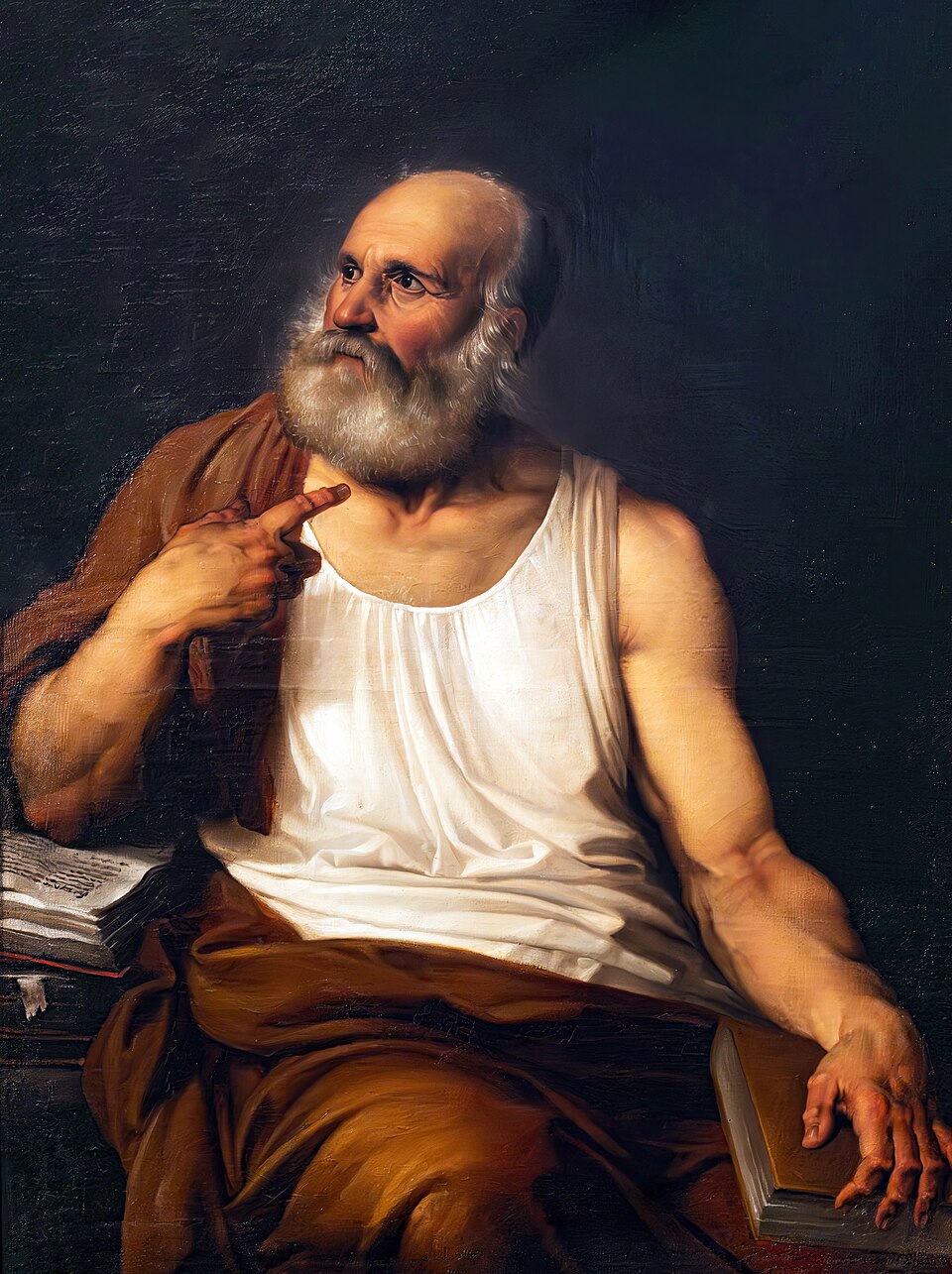
—You who handled verses so well, why did you continue to rhyme even after your laws, rather than fall silent?
Because laws without words remain mute, Thales. When a man reforms a city, he is slandered from all sides: one says he took too much from the rich, another that he gave too little to the poor. So I answered in verse, not to boast, but to explain. I sang what I had done and why I had done it, so that the people would understand my reasons and not only my decrees. A law that is not explained is endured; a law that is understood is defended. My elegies were like the preamble engraved at the threshold of my tablets: they spoke the spirit, where the articles spoke only the letter.
A law that is not explained is endured; a law that is understood is defended.
—You apparently ranked citizens by wealth and not by birth. Is that not betraying the blood of nobles?
The blood of nobles, Thales, has never plowed a field or armed a ship. I divided the Athenians into four classes, measured not by lineage but by what each harvested: the pentacosiomedimnoi at the top, then the knights, the well-off farmers, and finally the thetes. To each rank, its duties and honors, in proportion. Thus a rich man born outside the great families can now aspire to magistracies, whereas before birth alone closed all doors. I did not abolish the nobles; I placed them on a par with their fortune. And the humblest, the thetes, I wanted them at least to sit in the assembly and the courts, for a city that excludes a whole people arms itself against itself.
The blood of nobles has never plowed a field or armed a ship.
—By thus opening offices, do you not fear having given too much to the people, or not enough to satisfy them?
That is the exact line I walked, Thales, as you walk the edge of a proof. I gave the people as much power as was needed, no more, no less: the right to judge, to vote, to demand accounts from magistrates. But I left the commanding functions to those most capable of bearing them. Give everything to the people, they become a rudderless swell; give them nothing, they become a slave with nothing left to defend. I sought the just share, the one that attaches each to the city without delivering it to tumult. Wise men like you know that measure is harder than excess, for excess only has to let itself go.
Give everything to the people, they become a rudderless swell.
—Before you, they say, the laws lived only in the mouths of judges. Why did you want to engrave them for all eyes?
Because a law that cannot be read, Thales, is a law that the powerful twist at will. Previously, the nobles spoke the law from memory, and no one could contradict them: each judged according to his interest and called it custom. I had my laws inscribed on rotating wooden tablets, the axones, and set them up on the Agora, in sight of all. The poor and the rich alike can now go and see with their own eyes what the law prescribes. The stylus and the stone are worth more than the word of a single man, for stone does not lie and does not forget. The written law became the common good of the city, and no longer the secret of a caste.
A law that cannot be read is a law that the powerful twist at will.
—But wood and stone break, my friend. Do you truly believe that engraved laws suffice to keep a city standing?
You aim true, Thales, and that is the fear that drove me out of Athens. No, stone alone holds nothing: a law is worth only as much as the citizens who consent to honor it. I often said that my laws were neither the best possible nor the worst, but the best that this people could receive. If tomorrow a clever man wants to overthrow them, no tablet will stop him. What I engraved is not so much rules as a habit: that of looking at the law face to face, together, on the public square. As long as the Athenians go to read their axones rather than obey a master, the city will stand. It is on this consent, more fragile than stone and more durable than it, that I have bet.
My laws were neither the best possible, but the best that this people could receive.
Read further
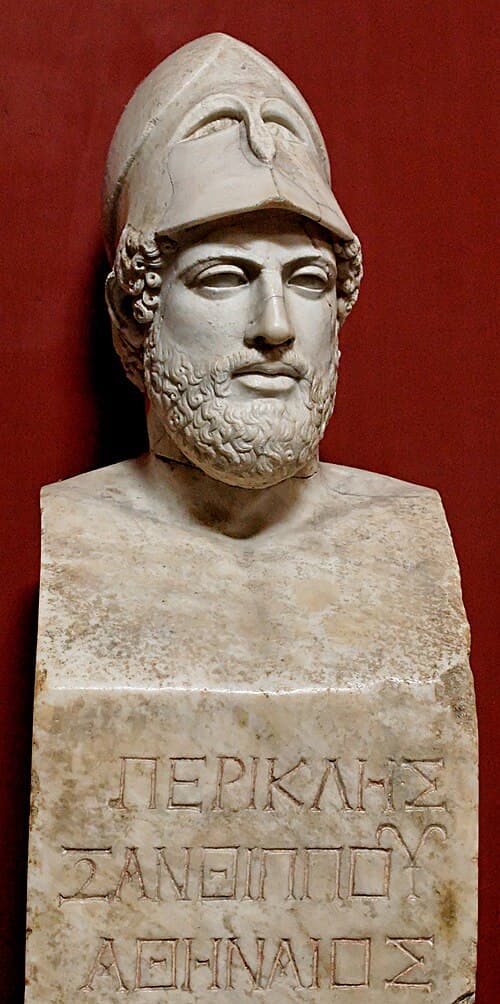

This imaginary interview was generated by artificial intelligence from sources documented in Solon's profile. It dramatises what the figure might have said based on what we know about them, but does not constitute attested historical testimony. For primary sources and factual documentation, refer to the full profile.