Kids interview Solon
by Charactorium · Solon (629 av. J.-C. — 559 av. J.-C.) · Politics · 5 min read
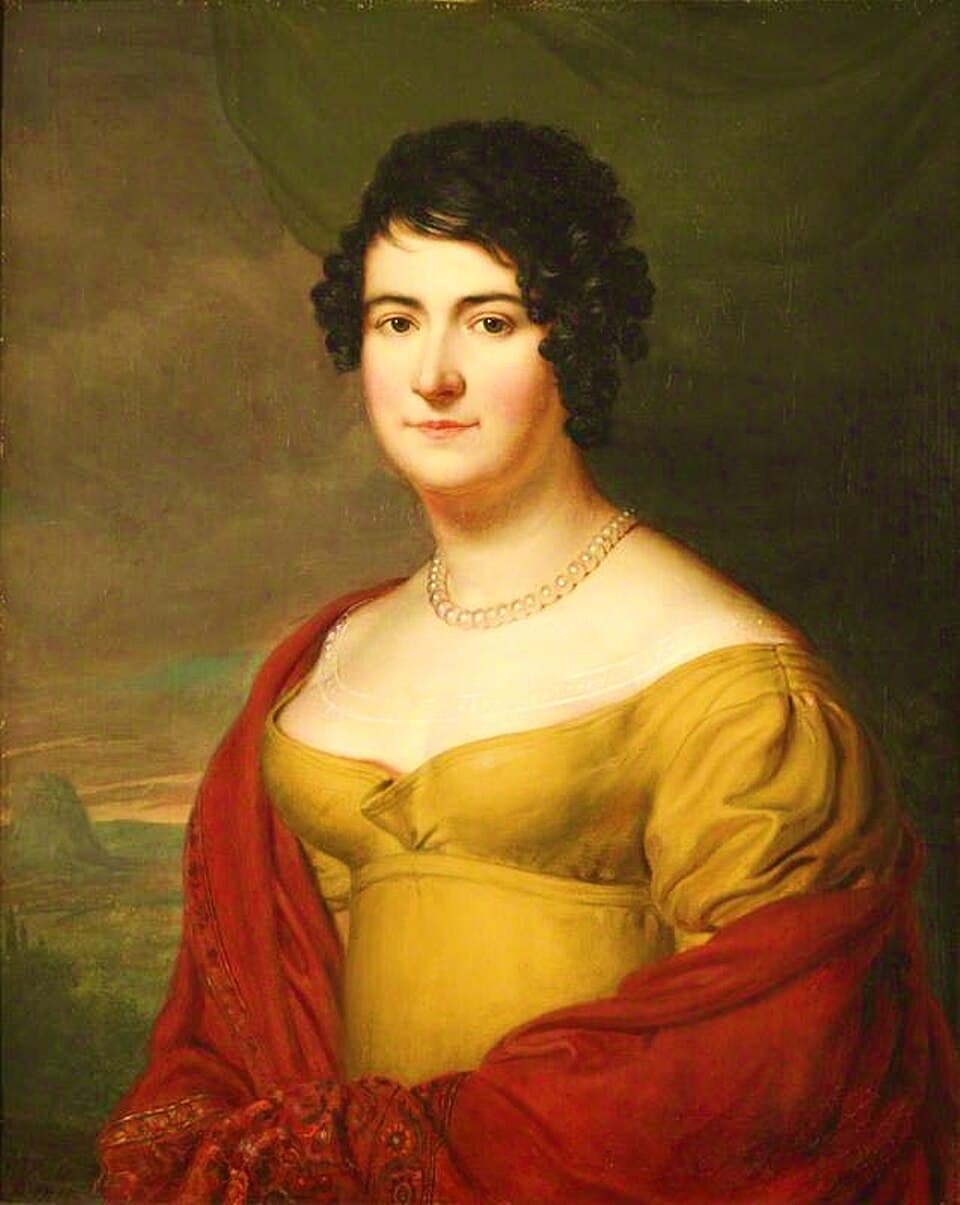
Two twelve-year-old visitors, on a school field trip, step onto the Agora of Athens. An old man with a neatly trimmed beard waits for them, sitting near an engraved stele. He smiles: he is rarely questioned, and never by children.
—Is it true that before being a leader, you wrote poems?
Yes, my child, and I am proud of it. In my time, people did not read alone in a corner. They recited aloud, in the public square, before the crowd. Athens had lost the island of Salamis to our neighbors from Megara. The people were discouraged. So I wrote an elegy, a poem that sings and calls to courage. Imagine a man standing on a stone, reciting verses so powerful that fear takes flight. My words rekindled the pride of the Athenians. We took back the island. A poem, you see, can awaken an entire city.
A poem, sometimes, awakens an entire city.
—How old were you when people started listening to you?
I was already a man, around thirty. I came from a noble family, but not very rich. And that is important. I knew the powerful, but I also saw the poor suffering. The Athenians listened to me because my verses said aloud what many thought in silence. Imagine a street with no engine noise, just sandals and voices. News traveled by word of mouth. When a poem was liked, it spread through the whole city in a few days. That is how they eventually entrusted me with the power to change the laws. I was named archon, the highest magistrate of Athens.
—What was the worst problem you had to solve?
Debts, my child. It was terrible. In my time, a poor farmer who could not repay became the slave of his creditor. A free man in the morning, a slave by evening. Sometimes they even sold their own children. These crushed farmers were called the hektemoroi, those who had to give a large share of their harvest. In 594 BCE, I said: enough. I canceled those debts and freed those people. It was called the Seisachtheia, which means 'the shaking off of burdens.' Imagine thousands of chains falling at once. That day, Athenians regained their dignity.
A free man in the morning could become a slave by evening. I said: enough.
—Weren't the rich angry that you freed their slaves?
Furious! You can imagine. They lost money and laborers for their lands. And the poor wanted me to redistribute all the land as well. I was caught between the two, like between two closing walls. I chose the middle ground. I freed the men, but I did not take everything from the rich. In one of my poems, I wrote that I gave the people as much power as needed, without harming those who had wealth. No one was completely satisfied. But you know what? When both sides grumble a little, it is often because you have been fair.
When both sides grumble a little, it is often because you have been fair.
—Before you, who ruled Athens?
The nobles, always the same families. They were called the aristocracy, which means 'the power of the best' — at least, they thought they were the best! To govern, you had to be born into a great family. Period. I found that unfair. So I had a very simple idea: classify citizens by wealth, not by birth. I created four groups. A man born a simple peasant but who became rich through his work could finally hold office. Imagine a door long locked, finally ajar. It was not perfect. But it was a crack in the wall of the nobles.
I opened a door that the nobles thought locked forever.
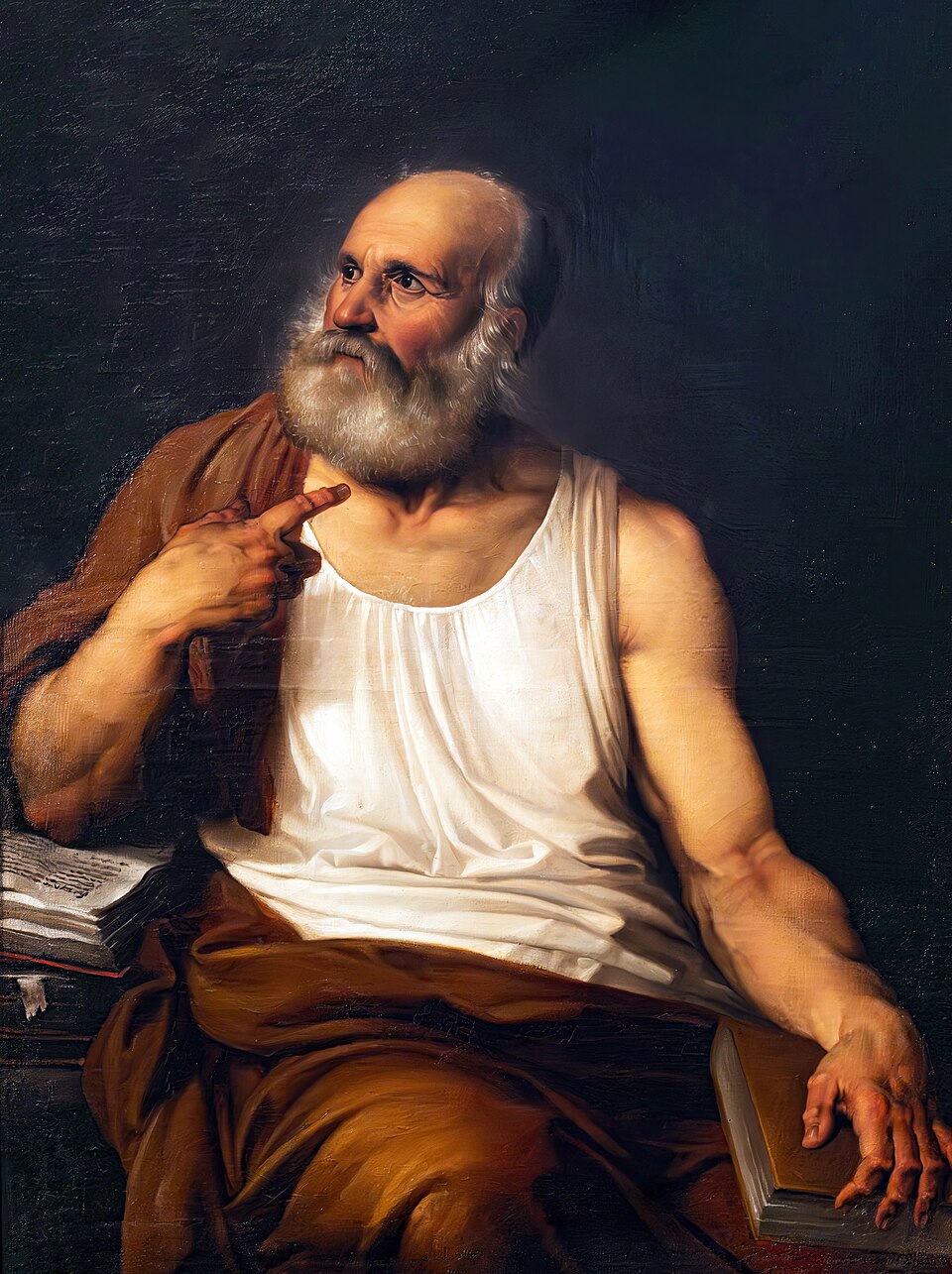
—And what could poor people do then?
A lot, more than before! Even the humblest could come and sit in the Ekklesia, the assembly where citizens voted on major decisions. And I created a people's court, the Heliaia, where ordinary citizens judged cases. Before, a poor man had no recourse against a powerful one. Now he could say: 'I file a complaint.' I also had the laws engraved on stelae, those large standing stones on the square. That way, everyone could see them. No more hidden laws in the minds of nobles. Imagine: justice, finally written and displayed in broad daylight, for all eyes to see.
Justice written and displayed in broad daylight, for all eyes to see.
—Were you offered to be the all-powerful king? What did you say?
Ah, that is the important question, my child. Yes, I was offered it. After my reforms, I had enormous popularity. Friends said to me: 'Solon, become a tyrant, take all power, keep it for yourself alone.' A tyrant, in my time, is a man who seizes power by force and never lets go. I said no. Why? Because laws that depend on a single man die with him. I wanted my laws to live without me. Imagine a gardener who plants a tree, then leaves, so that the tree learns to stand on its own.
Laws that depend on a single man die with him.
—So you left far away? It must have been hard to leave Athens.
Yes, I went into exile for ten years. It was my choice, but with a heavy heart, I admit. You see, if I had stayed, at every problem people would come to me and say: 'Solon, change this law for me!' And I would have given in, out of friendship, out of weariness. By leaving, I forced them to live with my laws as they were, to really test them. It is like learning to swim: as long as someone holds you, you do not swim alone. I removed my hand. It was hard to leave my city, but to love something, sometimes, is to know how to step away from it.
To love my city was to know how to step away from it.
—During those ten years, where did you travel?
To Egypt, and also to Cyprus, and other cities. And what wonder! Egypt was already very, very old when Athens was still young. Their priests kept ancient knowledge, their temples were immense. I asked questions constantly, like you right now. I wanted to see how other peoples organized their life, their laws, their justice. A good lawgiver never believes he knows everything. Imagine visiting a friend's house: you discover that people can arrange, eat, live differently than at home. Travel is that. It teaches you that your way is not the only way in the world.
Travel teaches you that your way is not the only way in the world.
—What did you write your laws on, really? Did paper exist?
Not as you imagine, no. I first wrote my drafts on wax tablets. They were a board covered with soft wax. With a pointed stylus, I engraved the letters into the wax. A mistake? I smoothed the wax with the flat end, and poof, I erased. Very practical for a lawgiver who often revises! Then, when a law was certain, it was engraved in stone, on large stelae set up in public. Wax for thinking, stone for lasting. Imagine the smell of warm wax in the sun as I searched for the right words to make Athens more just.
Wax for thinking, stone for lasting.
—And today, what would you like to be remembered for?
One simple thing, my child. I did not succeed at everything. After me, a man named Peisistratus seized power by force, which I had wanted to avoid. My laws were disrupted. But they did not disappear. A hundred years later, Athens became a true democracy, 'power of the people.' My small cracks in the wall of the nobles had become wide-open doors. So remember this: you may not see the result of your efforts in your lifetime. Plant the tree anyway. Someday, someone will sit in its shade. And that someone might be you.
Plant the tree even if another will sit in its shade.
Read further
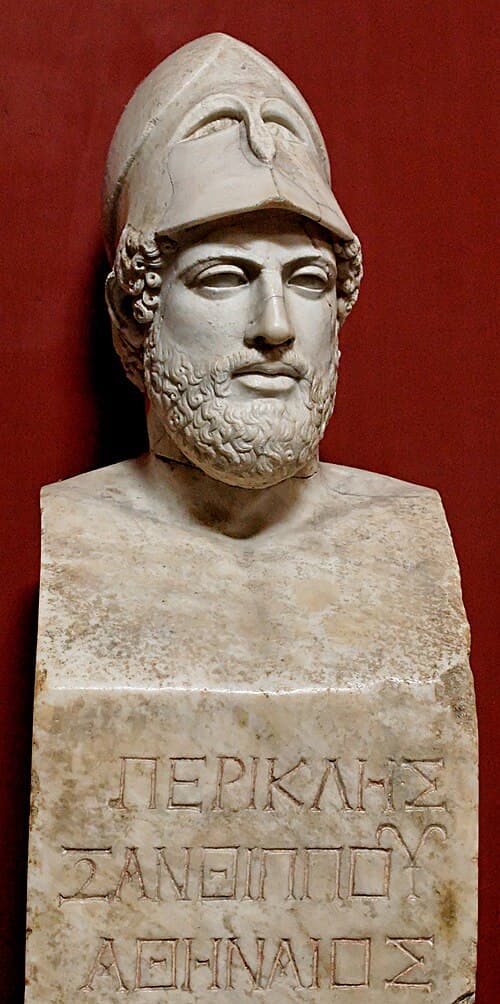
This imaginary interview was generated by artificial intelligence from sources documented in Solon's profile. It dramatises what the figure might have said based on what we know about them, but does not constitute attested historical testimony. For primary sources and factual documentation, refer to the full profile.