Kids interview Vincent van Gogh
by Charactorium · Vincent van Gogh (1853 — 1890) · Visual Arts · 5 min read
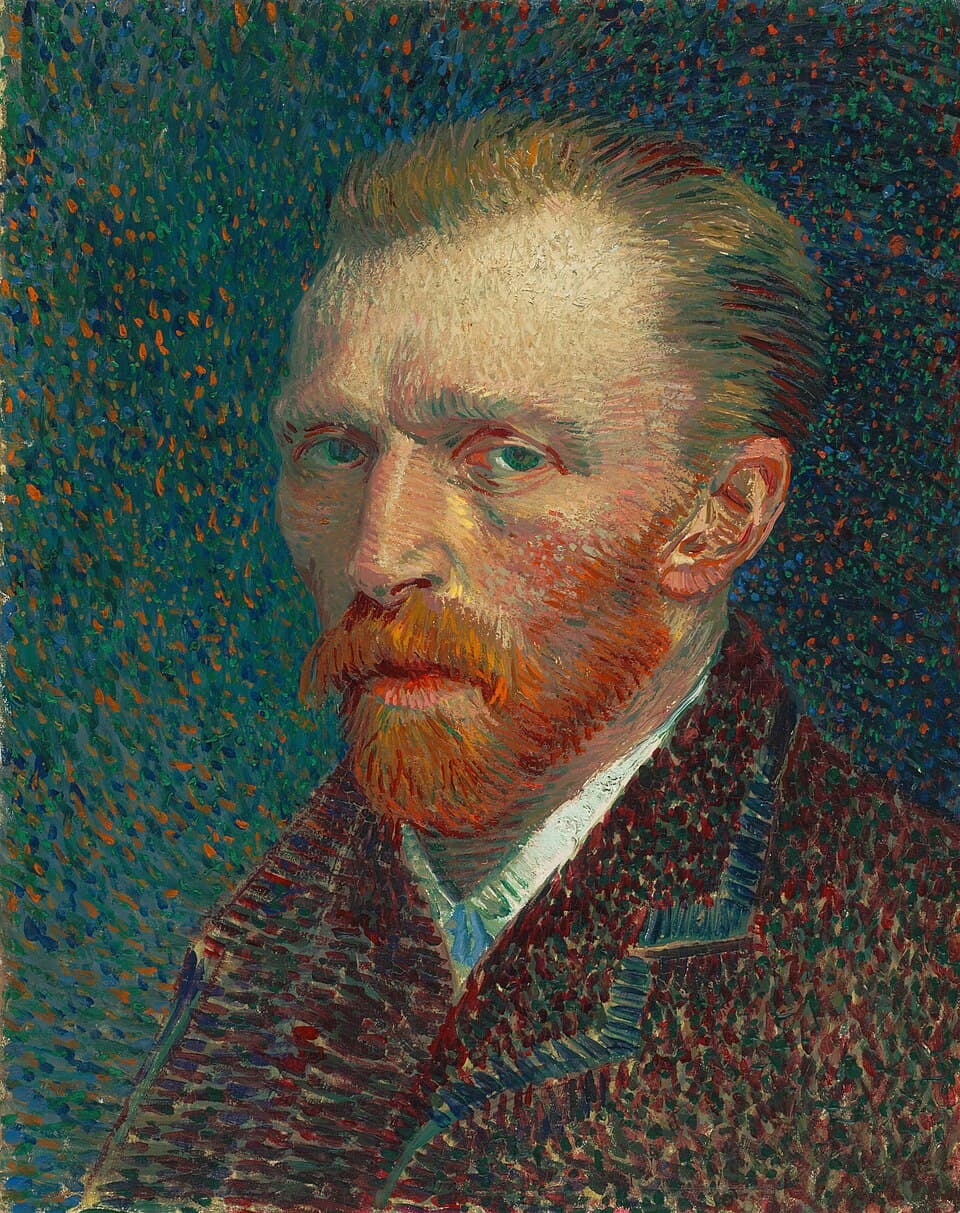
Two young visitors aged 12 push open the door of a small studio that smells of linseed oil and turpentine. A man with a red beard sets down his brush, surprised that anyone is interested in him. He invites them to sit down, and the questions come thick and fast.
—How old were you when you started painting for real?
You know, my child, I was already 27. That's late, isn't it! Before that, I tried so many jobs. I was an art dealer at my uncle's. Then a Protestant pastor, like my father. And even a preacher among miners, those men who dig coal underground. I failed at everything, one after another. In 1880, I left for Belgium, and there I understood: my real place was drawing. Imagine someone looking for their home for years and one day finally opening the right door. That was it for me.
I looked for my real place for years before opening the right door.
—Isn't it scary to start all over so late?
Yes, it is scary. And people around you say you're crazy to give everything up. But in The Hague, in 1882, I took lessons, I drew landscapes, old peasants, their worn hands. I often made mistakes, I started over. You only paint well what you understand, you see. So I spent hours looking, really looking. A late vocation is not a delay, my child. It's a decision. I decided that nothing else mattered anymore but learning to paint.
A late vocation is not a delay. It's a decision.
—What was a normal day like when you were painting?
I got up before dawn, sometimes when it was still dark. A little coffee, a piece of bread, and off I went with my easel! In Provence, I wore my big straw hat against the sun. In the afternoon, I painted like mad, without stopping, sometimes until evening. You know, in my time, the paint tube had just been invented. Before, you couldn't take your colors outside. Thanks to that little tube, I could paint the fields in the open air. In the evening, tired, I wrote letters to my brother.
A little paint tube, and suddenly I could paint the wind in the fields.
—Did you at least eat well, working so hard?
Ah... no, not really. I was poor, my child. Very often, I preferred to buy paint rather than food. So I ate bread, a little cheese, eggs, cheap vegetables. And black coffee, lots of black coffee. My clothes were worn out, stained with colors everywhere. Imagine a man with a messy red beard and an old blue worker's smock. It wasn't sensible, I know. But when a canvas called me, I forgot my stomach. Painting came before meals, always.
When a canvas called me, I forgot my stomach.
—Did you sell many paintings?
Only one, my child. Only one in my whole life! It was called The Red Vineyard. Can you imagine? I painted hundreds of canvases, and almost no one wanted them. Without my brother Theo, I would have starved. He was an art dealer in Paris, and he sent me money almost every month so I could continue. It's not easy, you know, to depend on your little brother at 35. I was ashamed sometimes. But Theo believed in me when no one else did. That's a huge gift.
Theo believed in me when no one else did.
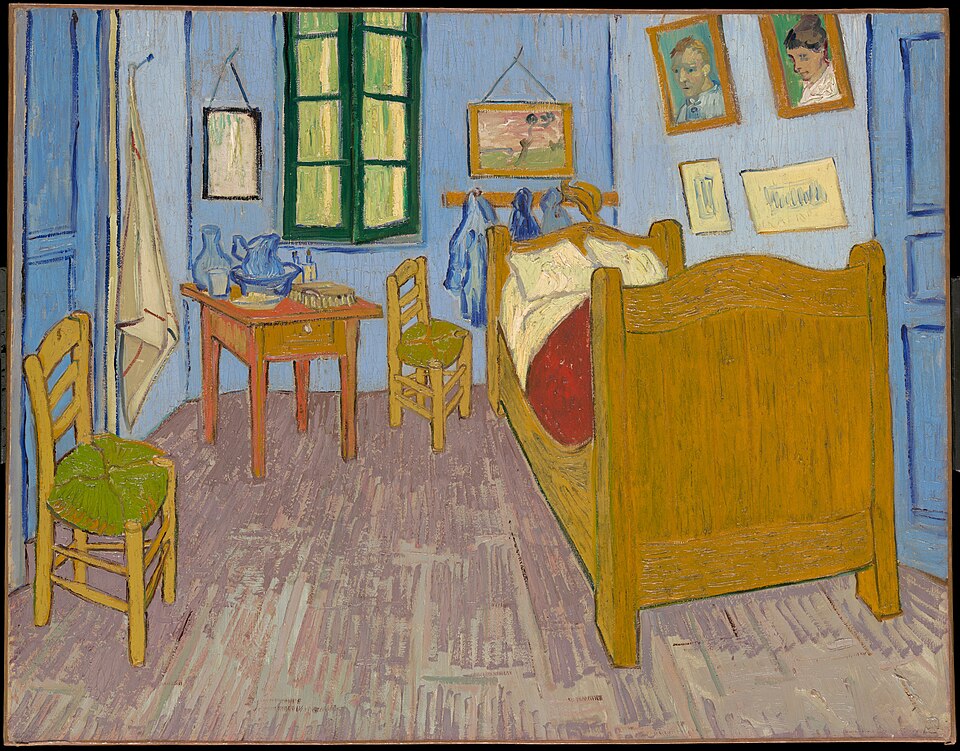
—Did you write often to your brother Theo?
All the time! I wrote more than eight hundred letters in my life, mostly to him. In the evening, when my hands were still trembling from paint, I took up my pen. I told him everything: my ideas, my colors, my sorrows, my hopes. In one letter, I wrote that I dream my painting, and then I paint my dream. These letters were like a long bridge between him and me, across all the distance. Today, they have been found. They tell who I really was, better than any painting.
I dream my painting, and then I paint my dream.
—Is it true that you cut off your ear?
Yes, it's true. It was in Arles, at the end of 1888. My friend the painter Paul Gauguin was living with me. We wanted to paint together, to found a studio of friends. But we argued a lot, very fiercely. One terrible evening, in a crisis, I cut off part of my left ear. I won't tell you everything, it's too sad. But know one thing: at that moment, I was sick in my head, and I barely knew it. It wasn't malice. It was a great pain that I didn't know how to heal.
It was a great pain that I didn't yet know how to heal.
—Were you sad when Gauguin left?
Very sad, my child. I had dreamed of a studio where painter friends would work side by side, in Arles, under the beautiful southern sun. With Gauguin, we talked for hours about colors. I told him I was always searching for the true color, the one that breathes on the canvas. But we were too different, like fire and water. When he left, my house became silent. Do you know what it's like to wait for a friend who doesn't come back? It leaves a great void. So I did the only thing I knew how to do: I picked up my brushes again.
When you lose a friend, you still have brushes to keep talking.
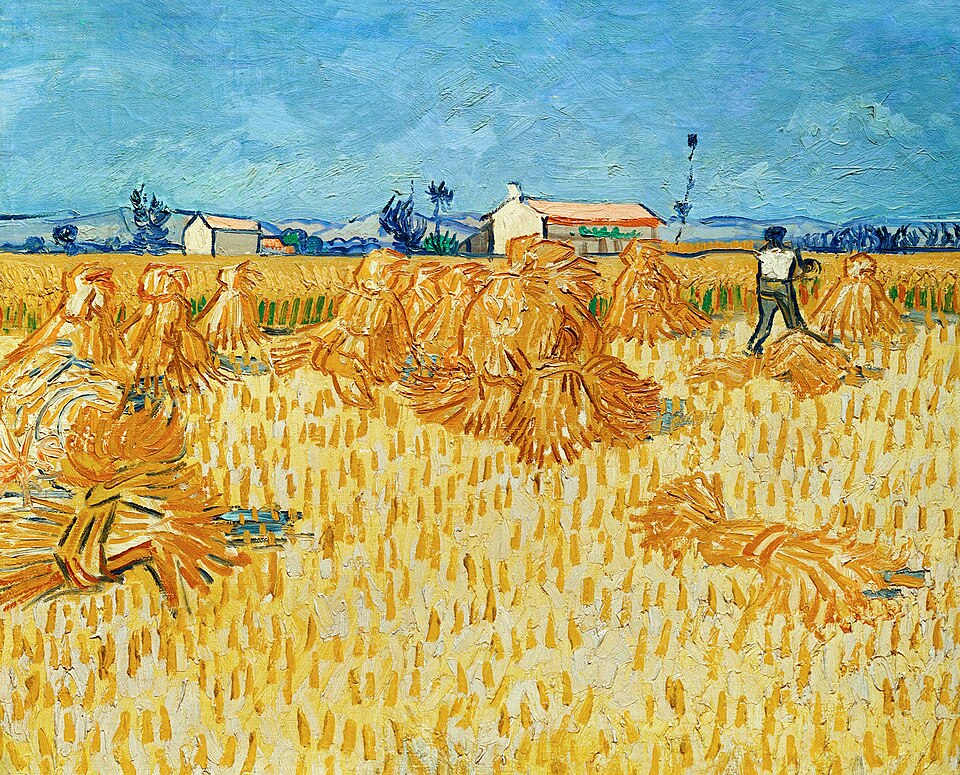
—How can you paint in a hospital for sick people?
After Arles, I went voluntarily to an asylum, at Saint-Paul-de-Mausole, near Saint-Rémy. It's a place where they treated people sick in their minds, like me. You might think that there, you do nothing. And yet, in a single year, I painted about one hundred and fifty canvases! They let me go out with my easel into the gardens, among the olive trees and the purple irises. Painting was my remedy. When I held a brush, the world became calm again. Color kept me standing, you understand?
When I held a brush, the world became calm again.
—Your painting The Starry Night, did you see it outside for real?
No, actually! That's my little secret. The Starry Night, in 1889, I painted it from memory, in my asylum room. The sky spins, the stars whirl like great spirals of light. That sky existed only in my head and my heart. I didn't want to copy the night exactly. I wanted to paint what I felt when looking at it: something immense, alive, almost eternal. A painter doesn't only show what he sees, my child. He shows what he feels deep inside.
A painter doesn't only show what he sees, he shows what he feels.
—Does it make you sad that people only love you today?
It's a funny thing, you know. In my lifetime, almost no one looked at my canvases. I died in Auvers-sur-Oise, in 1890, poor and tired, without knowing what awaited me. And then, soon after, everything changed: people finally saw my Sunflowers, my Starry Night. No, it doesn't make me sad. I think an artist sows seeds, without always seeing the flowers bloom. If you, today, look at my stars and your heart beats a little faster, then my work was not in vain. Quite the opposite.
An artist sows seeds without always seeing the flowers bloom.
This imaginary interview was generated by artificial intelligence from sources documented in Vincent van Gogh's profile. It dramatises what the figure might have said based on what we know about them, but does not constitute attested historical testimony. For primary sources and factual documentation, refer to the full profile.