Kids interview Winston Churchill
by Charactorium · Winston Churchill (1874 — 1965) · Politics · 5 min read
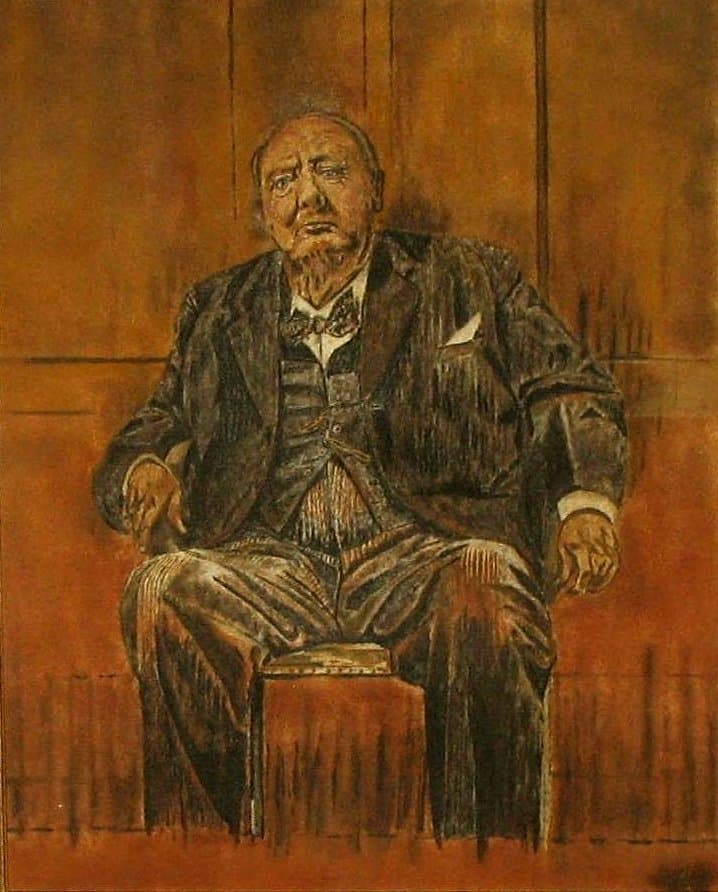
Two young visitors, twelve years old, push open the heavy door of a study that smells of cold cigar and ink. In his armchair, a round old man sets down his brush and waves them over. "Sit down, my dears—ask me your questions."
—How old were you when you became the leader of the country during the war?
You know, I was already sixty-five. An age when many men are resting in the garden! And yet in 1940, I was entrusted with an entire country in the midst of a storm. France had just fallen. Imagine a house on fire, and someone hands you the keys saying, "Your turn to put it out." The night I accepted, I felt that my entire life before had only served to prepare me for that hour. I was afraid, of course. But when you are afraid and you go forward anyway, that is called courage. And courage, my child, cannot be bought. It is decided.
When you are afraid and you go forward anyway, that is called courage.
—What did you promise the people in your great speech?
I promised them nothing pretty, you see. Before the MPs, I said I had nothing to offer but blood, toil, tears and determination. Do you think that's harsh? So do I. But lying would have been worse. When a people goes through a storm, they need truth, not candy. Another day, in June 1940, I told them that if we held firm, a thousand years later men would say, "This was their finest hour." To promise tears and offer pride: that is what a leader can do.
When a people goes through a storm, they need truth, not candy.
—What was it like to run the war while bombs were falling on the city?
Imagine a big house with no light in the evening, because the slightest glow attracts the planes. That was the Blitz: whole weeks when Germany dropped its bombs on London at night. I worked underground, in a reinforced shelter called the War Rooms. Maps everywhere, telephones, and the smell of damp concrete. You could hear the rumble overhead. But you see, what struck me was not the noise of the bombs. It was the silence of the people the next morning, sweeping up the debris and going back to work. Those people were braver than I.
—How did you get powerful friends to help you?
Ah, that's a fine adventure story! In 1941, I secretly boarded a warship. Destination: a remote spot off Newfoundland, in the cold ocean. There, the American president, Roosevelt, was waiting for me. No one was supposed to know. We shook hands on deck, between two waves, and signed the Atlantic Charter—a promise to fight together. I liked Roosevelt. I even wrote him funny notes. Once I told him it was fun to be in the same decade as him! A great alliance often begins with a handshake.
A great alliance often begins with a handshake.
—And with the Russian leader, did you get along or argue?
Let's say it was… complicated. In 1945, I found myself in the Crimea, at Yalta, around a table with Roosevelt and Stalin, the master of Russia. Imagine three men deciding, by themselves, what the world would look like after the war. I didn't really trust Stalin. I already sensed he would want to keep for himself the countries we were liberating. So I defended my country's interests tooth and nail. You know, my child, you can sit at the same table as someone, shake his hand, and remain wary. In diplomacy, a smile does not mean trust.
In diplomacy, a smile does not mean trust.
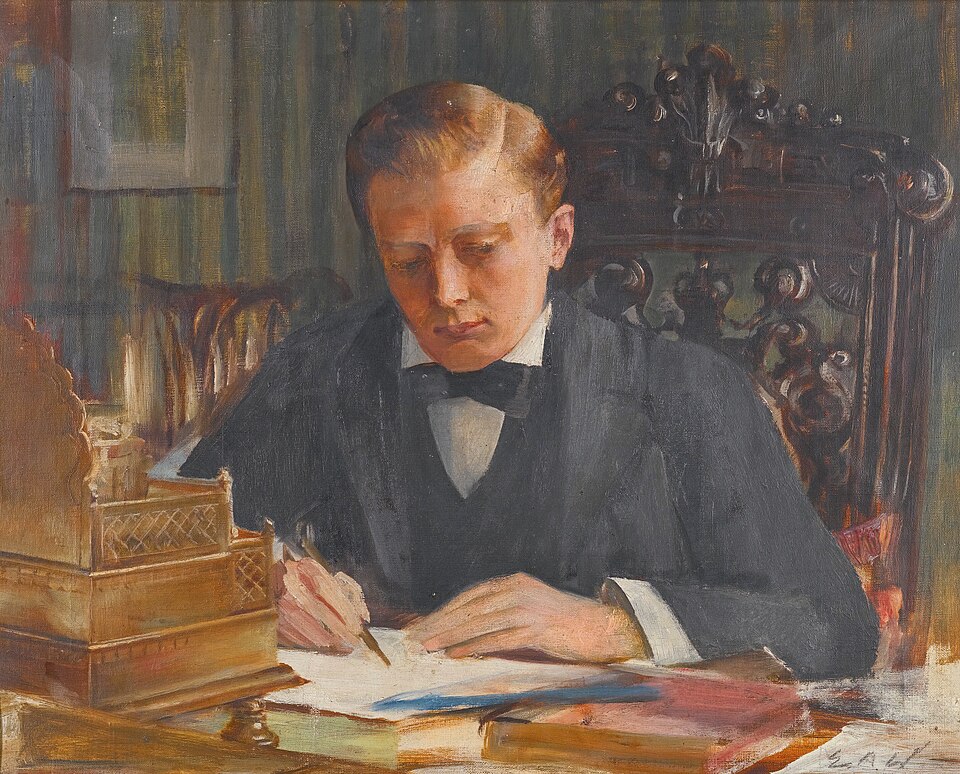
—What is the "iron curtain" you talked about in your speeches?
Good question, and a bit frightening. After the war, in 1946, I went to speak in America, in a small town called Fulton. I said that an "iron curtain" had descended across Europe. It wasn't a real curtain, of course! It was an image. Imagine a great invisible wall cutting the continent in two: on one side the free countries, on the other those that Russia held closed, where people could neither leave nor speak freely. It was called the Cold War: two camps that hated each other without shooting at each other. I saw the danger before others. Alas.
An iron curtain has descended across Europe.
—Why did you warn people of a danger that no one else saw yet?
Because I had already lived through it once, you see. In the 1930s, when Hitler was rising in Germany, almost no one wanted to listen. Governments preferred to give in for peace—it was called appeasement, that is, calming the wolf by giving him sheep. Result? The wolf wanted even more. So after the war, when I sensed a new danger coming from the East, I did not want to remain silent a second time. Crying in the wilderness is tiring and lonely. But keeping silent in the face of danger, my child, is far worse.
You cannot calm a wolf by giving him sheep.
—Is it true you won a big prize, but for writing books?
Indeed! In 1953, I was awarded the Nobel Prize in Literature. Me, a politician! Many people were surprised. But you know, I wrote all my life. I recounted the war in six thick volumes, The Second World War, where I gave my version of those terrible years. I also wrote the story of my youth in My Early Life. For me, writing and governing were the same trade: finding the right words. A good phrase can save a people as surely as an army. That is why I always honed my sentences like sharpening a sword.
A good phrase can save a people as surely as an army.
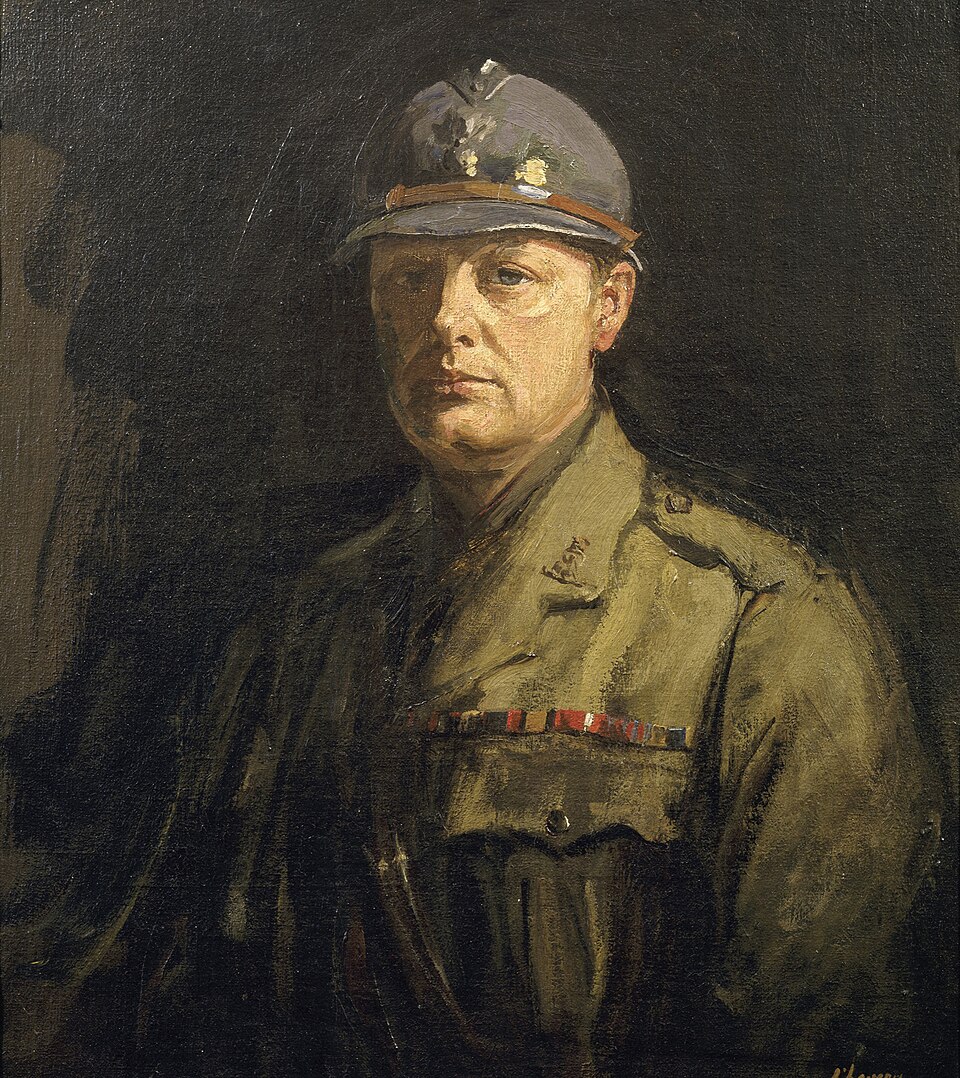
—How did you find time to write with all your work?
I cheated a bit on schedules! I woke up late, around eight o'clock, and had breakfast in bed with tea and toast. There, I already dictated letters and notes to my secretaries. In the evening, after a hearty dinner, while others slept, I kept writing, sometimes deep into the night. Later, I even told the whole story of the English-speaking peoples in A History of the English-Speaking Peoples. The secret, my child? I never wasted an hour. When you truly love something, you steal time for it everywhere, even at night.
—In pictures, you always have a cigar. Did you ever leave it?
Almost never, I admit! The cigar was like an old companion. In meetings, around maps, there was always one between my fingers. There was even a kind of cigar that bore my name, you see. In the evening, I accompanied it with a glass of whisky or champagne. I know, I know: it's not an example for you to follow, you're far too young! But you see, everyone has little habits that comfort them in hard times. The cigar was a bit like my anchor when the world was reeling around me.
—And when you weren't governing, what did you do to relax?
I painted! Does that surprise you? The great man of war, with a brush in hand. I had a country house, Chartwell, in Kent, bought in 1922. I would retreat there away from the noise of London. There, I would set up my easel before the hills and paint landscapes, ponds, the garden. Painting was my silence. When your head is full of storms, choosing a color forces you to forget everything else. A man is not just his work, my child. Always keep a little corner of yourself just for beauty.
Always keep a little corner of yourself just for beauty.
This imaginary interview was generated by artificial intelligence from sources documented in Winston Churchill's profile. It dramatises what the figure might have said based on what we know about them, but does not constitute attested historical testimony. For primary sources and factual documentation, refer to the full profile.