 flip
flipSekanjabin — honey and vinegar syrup with mint
Sekanjabin — honey and vinegar syrup with mint
Why this dish? Sekanjabin, the Persian oxymel of honey and vinegar, is the ancient refreshment of the Iranian plateau, drunk as much for pleasure as for a remedy against heat. For Pîrûz, overwhelmed by the burning sun of Medina so different from the summers of Nahavand, this sweet-and-sour drink of his homeland was the lost coolness.
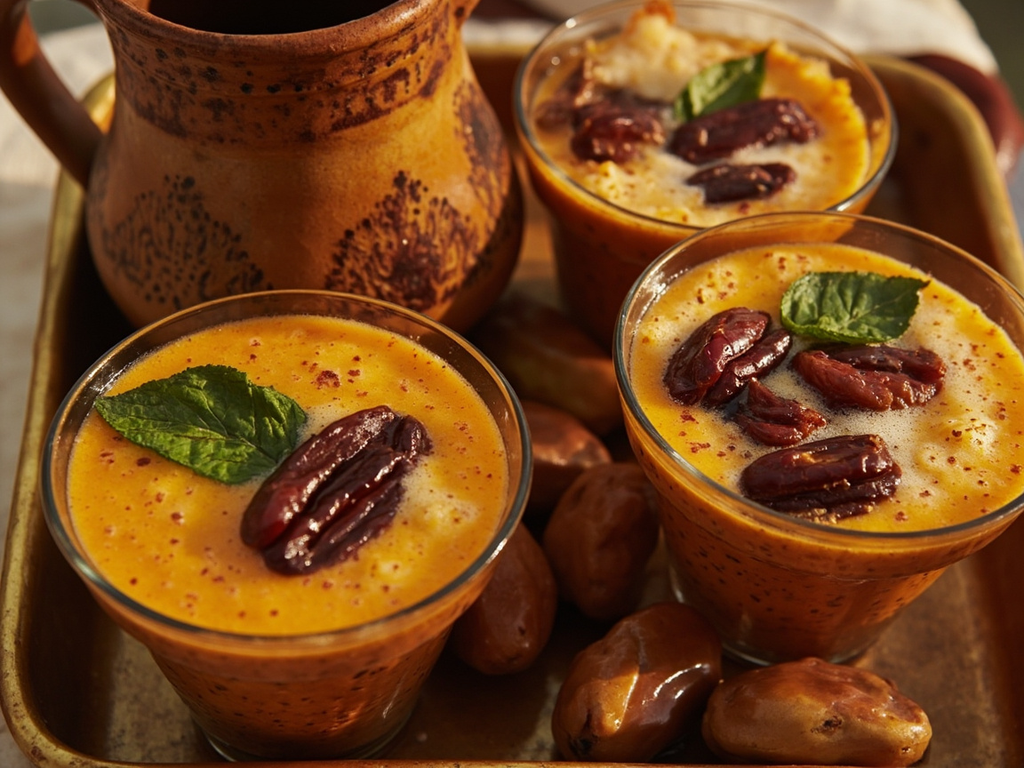
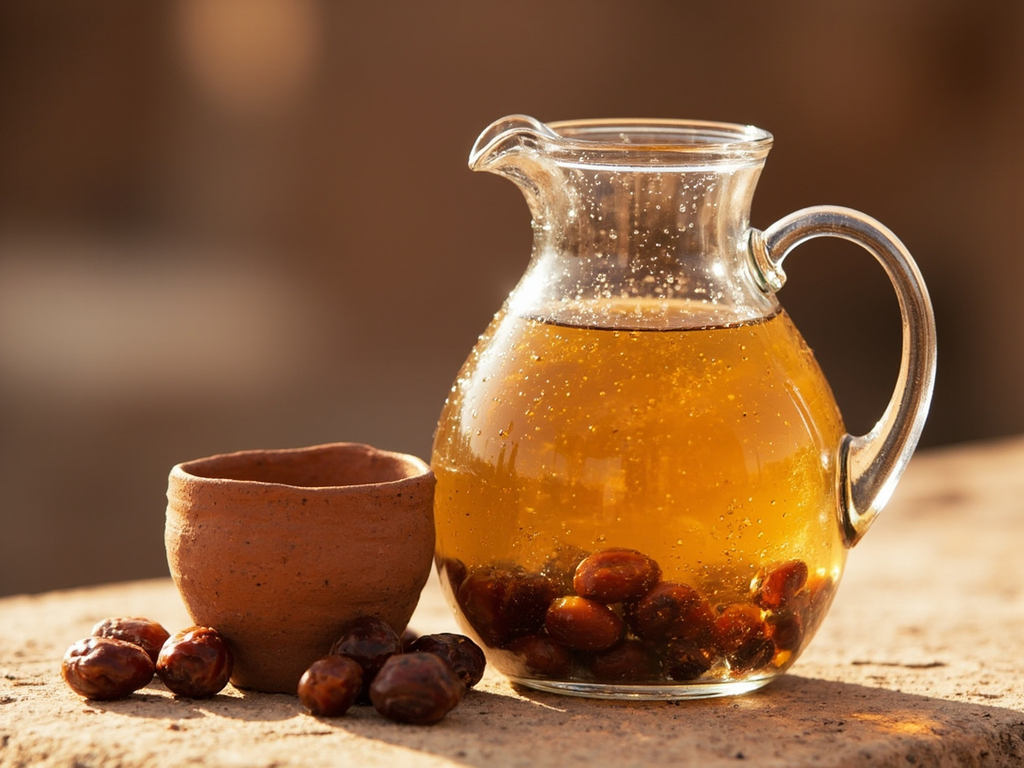
A thick syrup where honey and vinegar cook together, perfumed with mint, diluted with cool water in summer. Thirst-quenching, tangy, surprisingly invigorating — the ancestor of all lemonades.
When the sun beats down and your throat burns, here is what my people drank. You melt honey gently, pour in good vinegar, and wait until the whole thickens into syrup; at the end, a handful of fresh mint that you remove. Keep this syrup in a jar, and on a scorching day, a spoonful in well water restores you. Believe a man from a mountain country: nothing beats sweet-and-sour for standing strong under heat.
- •Honey — two measures (sweetness)
- •Vinegar (wine or grape) — one measure (sourness)
- •Fresh mint — a bunch (aroma)
- •Water — to dilute when serving (dilution)
Sekanjabin — honey and vinegar syrup with mint
A thick syrup where honey and vinegar cook together, perfumed with mint, diluted with cool water in summer. Thirst-quenching, tangy, surprisingly invigorating — the ancestor of all lemonades.
Why this dish? Sekanjabin, the Persian oxymel of honey and vinegar, is the ancient refreshment of the Iranian plateau, drunk as much for pleasure as for a remedy against heat. For Pîrûz, overwhelmed by the burning sun of Medina so different from the summers of Nahavand, this sweet-and-sour drink of his homeland was the lost coolness.
When the sun beats down and your throat burns, here is what my people drank. You melt honey gently, pour in good vinegar, and wait until the whole thickens into syrup; at the end, a handful of fresh mint that you remove. Keep this syrup in a jar, and on a scorching day, a spoonful in well water restores you. Believe a man from a mountain country: nothing beats sweet-and-sour for standing strong under heat.
Ingredients (period version)
- Honey — two measures (sweetness)
- Vinegar (wine or grape) — one measure (sourness)
- Fresh mint — a bunch (aroma)
- Water — to dilute when serving (dilution)
Ingredients
- Honey — 250 g (sweetness)
- White wine vinegar — 60 ml (sourness)
- Water — 250 ml (for the syrup) (cooking)
- Fresh mint — 1 large bunch (aroma)
- Cold water and ice — for serving (dilution)
Method
- In a saucepan, dissolve honey in water and bring to a simmer.
- Let reduce for 15-20 minutes until a light syrup consistency.
- Add vinegar, continue for 5-10 minutes (cooking softens its bite).
- Off the heat, plunge the mint bunch and let infuse while cooling, then remove.
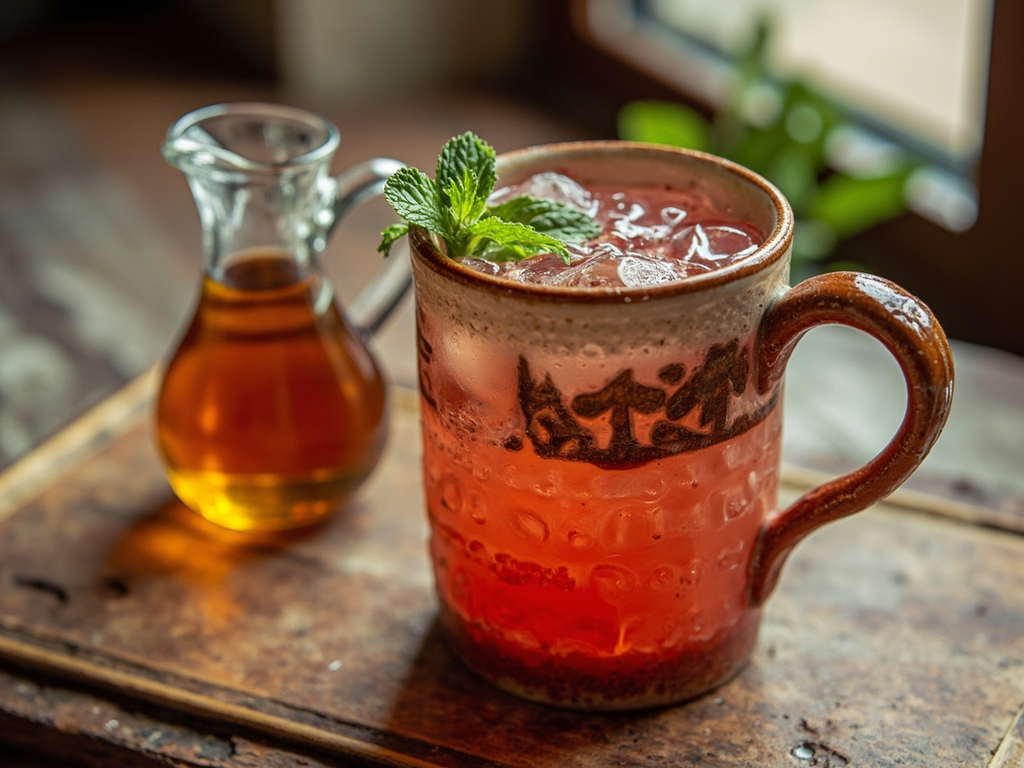
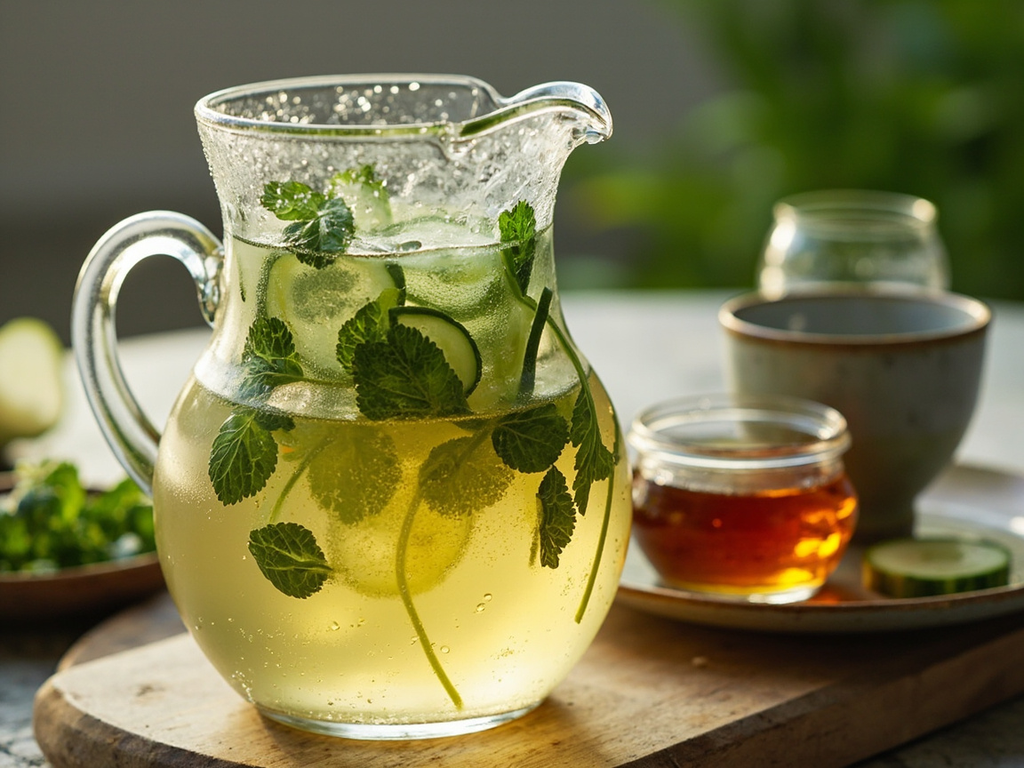
- Store the syrup in a bottle; to serve, dilute 1 part syrup with 4-5 parts cold water, with mint leaves.
How it was made : Oxymel (honey + vinegar) is a very ancient medicinal and refreshing drink shared by the Greek, Persian and Arab worlds. In Persia, sekanjabin was drunk diluted in summer, sometimes with grated cucumber. Cane sugar, cultivated since Sassanid times in Khuzestan, could replace honey among the wealthier.
The contemporary twist : Serve over ice with fine cucumber ribbons and a mint straw, as a "Persian mocktail" for summer.
Sources : Charles Perry (trans.), Medieval Arab/Persian cookery texts (oxymel & sekanjabin) · Najmieh Batmanglij, Food of Life
Abu Lu'lu'a Fīrūz · Charactorium