 flip
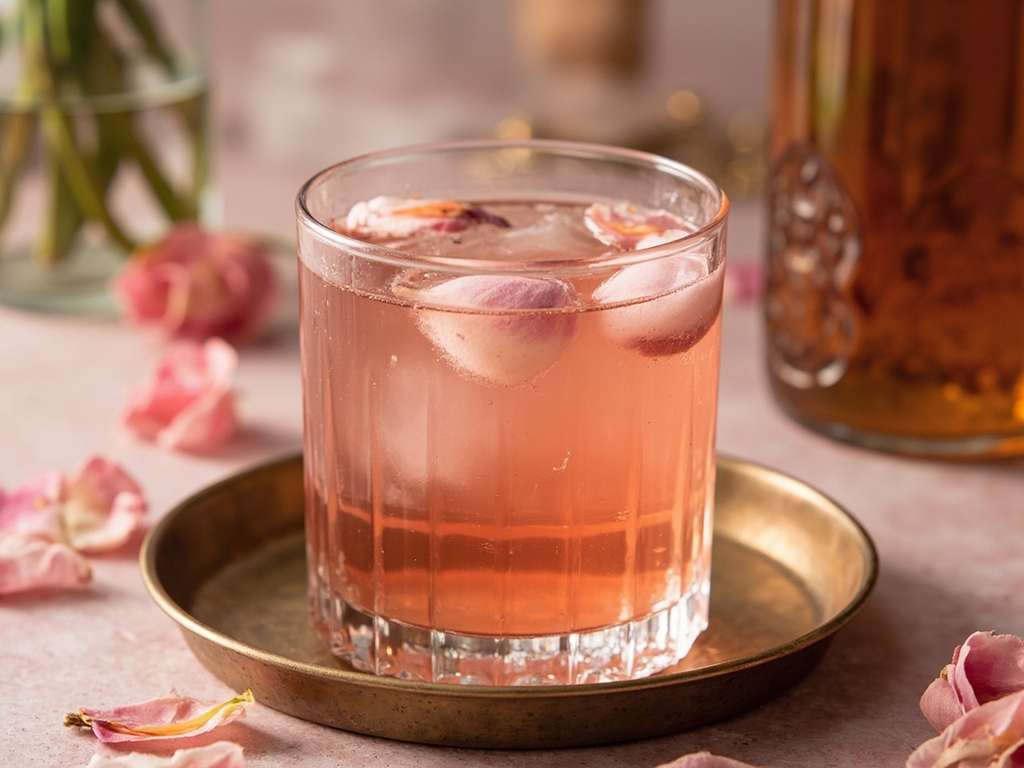
flipSakanjabin (Honey and Vinegar Oxymel with Mint)
Sakanjabin (Honey and Vinegar Oxymel with Mint)
Why this dish? Under al-Ma'mun, the House of Wisdom translated Galen, Dioscorides, and Greek medicine into Arabic. Oxymel — sakanjabin — was a reference remedy: digestive, cooling for 'hot humors'. What better drink for the caliph of scholars than that recommended by the books he had translated?
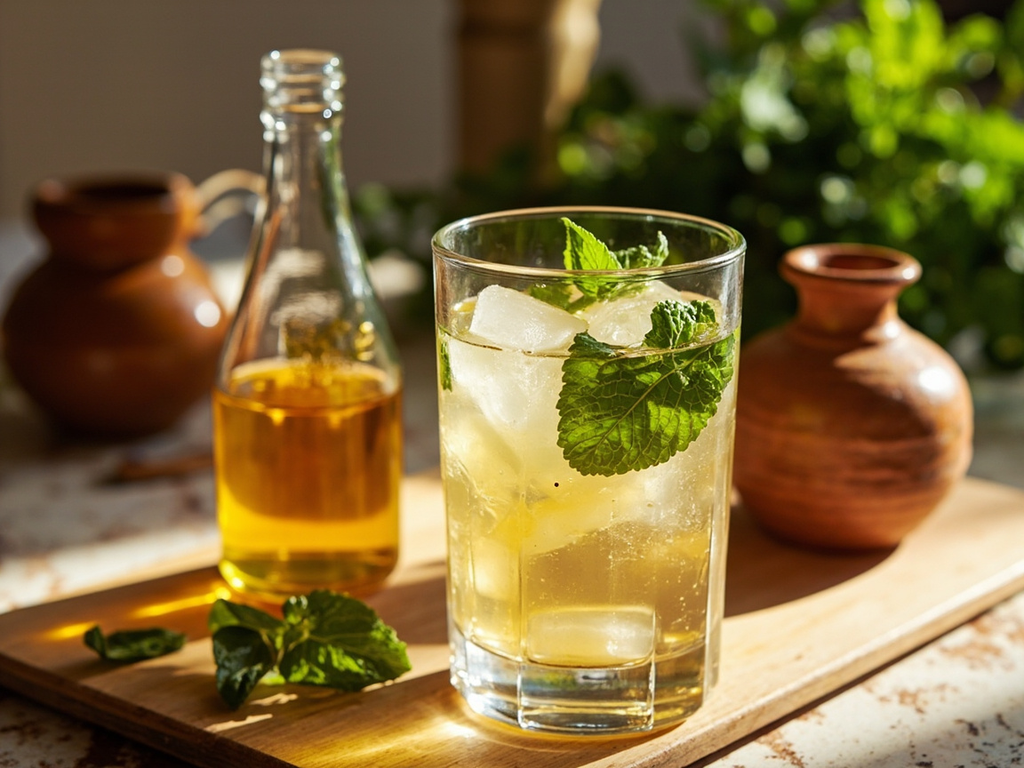
A thick syrup of honey and vinegar, reduced then perfumed with mint, diluted in cold water for a tangy, digestive, and refreshing drink.
The physicians I gathered in Baghdad taught me, from the books of the Ancients I have them translate, that honey and vinegar married soothe the stomach and temper the heat of the blood. Reduce one into the other until the syrup coats the spoon, throw in mint, then keep it in a jar. A spoonful in cold water after a too-rich meal, and you will rise light: science, you see, also serves to digest better.
- •Honey — two parts (sweetness / base)
- •Wine vinegar — one part (acidity)
- •Fresh mint — a bunch (fragrance / digestive virtue)
- •Pure water — to dilute at serving (drink base)
Sakanjabin (Honey and Vinegar Oxymel with Mint)
A thick syrup of honey and vinegar, reduced then perfumed with mint, diluted in cold water for a tangy, digestive, and refreshing drink.
Why this dish? Under al-Ma'mun, the House of Wisdom translated Galen, Dioscorides, and Greek medicine into Arabic. Oxymel — sakanjabin — was a reference remedy: digestive, cooling for 'hot humors'. What better drink for the caliph of scholars than that recommended by the books he had translated?
The physicians I gathered in Baghdad taught me, from the books of the Ancients I have them translate, that honey and vinegar married soothe the stomach and temper the heat of the blood. Reduce one into the other until the syrup coats the spoon, throw in mint, then keep it in a jar. A spoonful in cold water after a too-rich meal, and you will rise light: science, you see, also serves to digest better.
Ingredients (period version)
- Honey — two parts (sweetness / base)
- Wine vinegar — one part (acidity)
- Fresh mint — a bunch (fragrance / digestive virtue)
- Pure water — to dilute at serving (drink base)
Ingredients
- Honey (or sugar) — 300 g (sweetness / base)
- Wine vinegar (white or cider) — 120 ml (acidity)
- Water — 150 ml for syrup (cooking)
- Fresh mint — 1 large bunch (fragrance)
- Cold water and ice cubes — as needed (dilution at serving)
Method
- In a saucepan, dissolve the honey in 150 ml water, bring to a simmer.
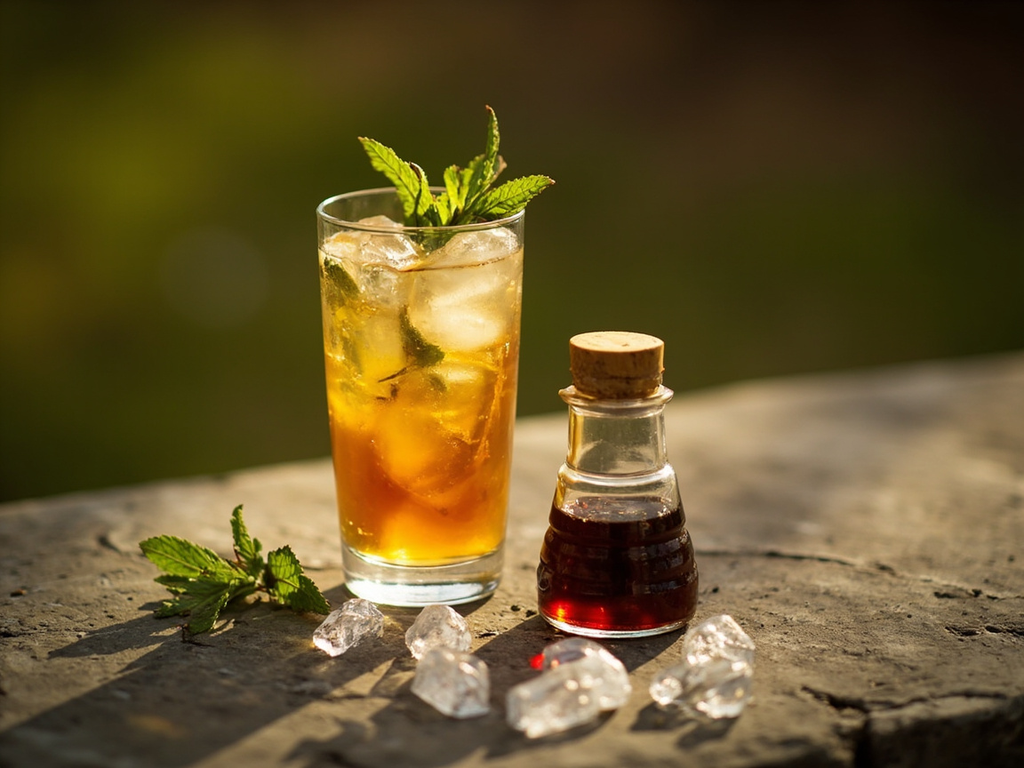
- Add the vinegar and let reduce for 15-20 minutes until a syrup coats the spoon.
- Off the heat, plunge the mint bunch into the hot syrup and let infuse for 20 minutes.
- Remove the mint, pour the syrup into a clean jar; it keeps for weeks in the fridge.
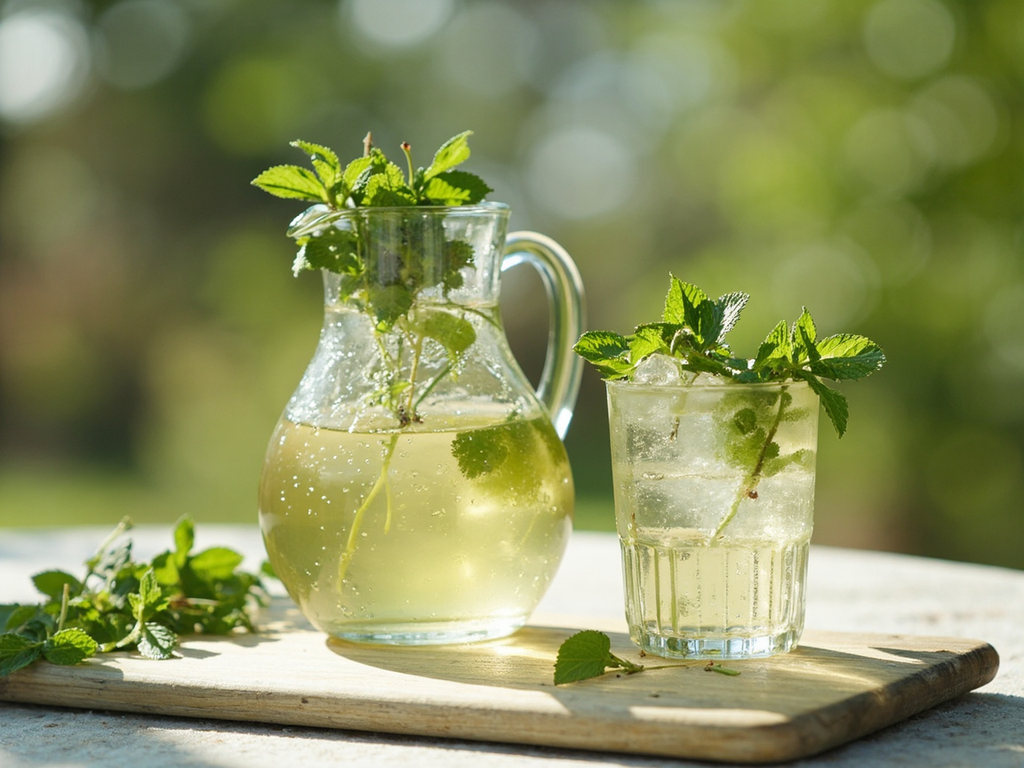
- To serve, dilute 1 to 2 tablespoons of syrup in a large glass of cold water with ice and a mint leaf.
How it was made : Oxymel (from Greek oxymeli, 'acid-honey') passed from Greek pharmacology to Arabic medicine via the translations of the Abbasid golden age. Physicians like al-Razi slightly later prescribed it as a cooling digestive. Jars of concentrated syrup were kept, diluted as needed — both drink and medicine.
The contemporary twist : In a chef's savory version: a dash of this sakanjabin in a vinaigrette or over peppered strawberries — the caliphs' oxymel revisited as a condiment.
Sources : Ibn Sayyār al-Warrāq, Kitāb al-Ṭabīkh (10th century) · Lilia Zaouali, L'Islam à table — Du Moyen Âge à nos jours (2004) · Nawal Nasrallah, Annals of the Caliphs' Kitchens (2007)
Al-Ma'mun · Charactorium