 flip
flipGelée de coings pour la dépense d'hiver
Gelée de coings pour la dépense d'hiver
Why this dish? In bourgeois households, preserves and jellies were made in autumn for the "dépense"—the winter store. Quince jelly, from an acidic and fragrant Old World fruit, kept for months and provided sweetness for dessert even in the heart of a Parisian winter, in a frugal household like that of a scholar.
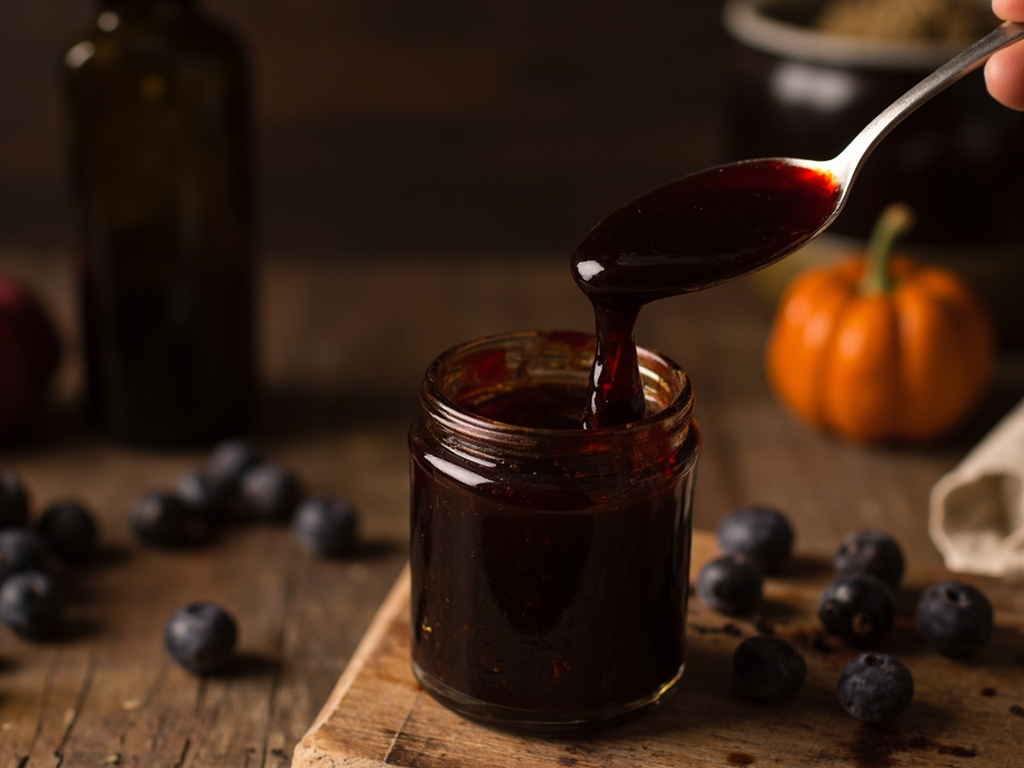
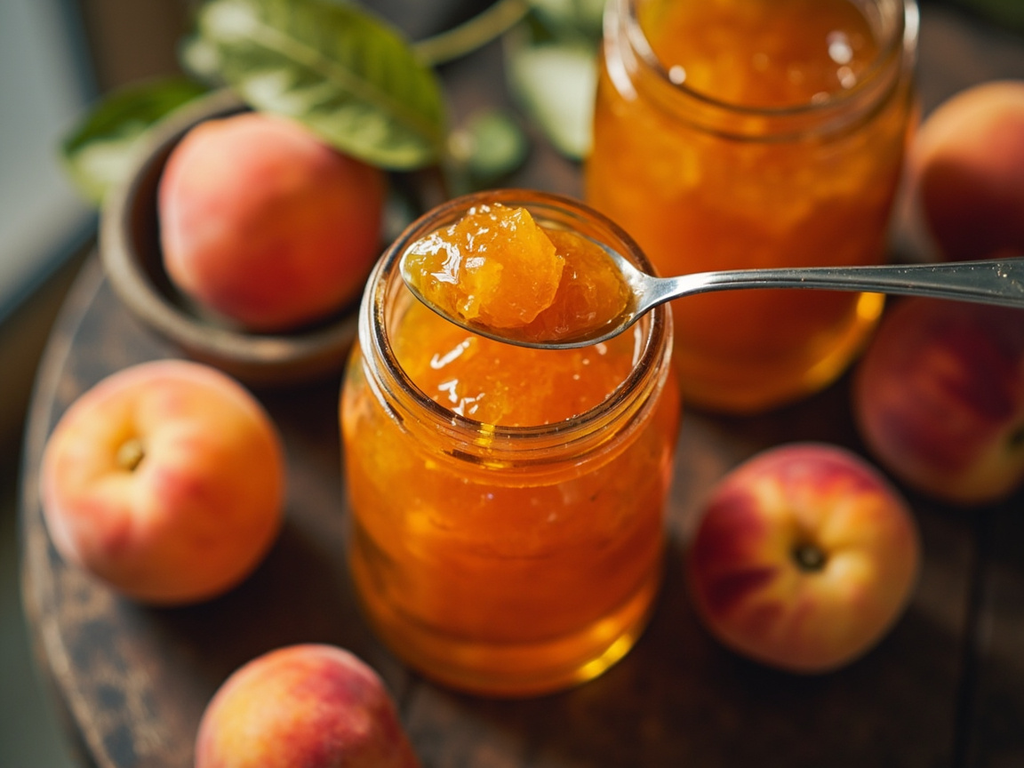
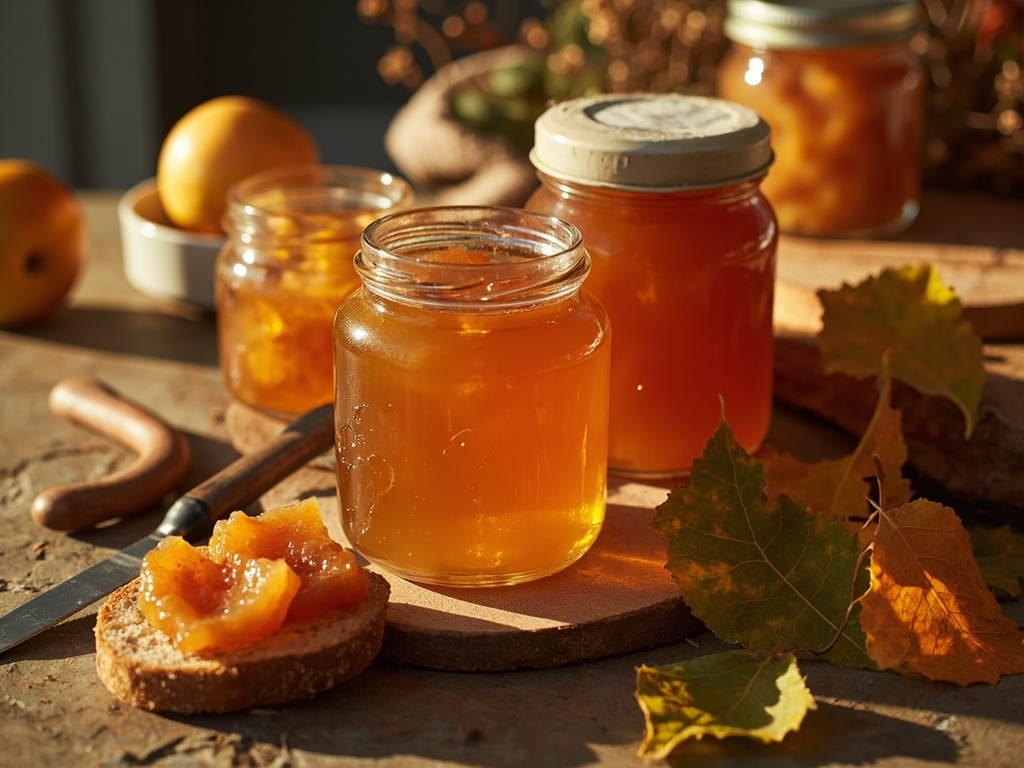
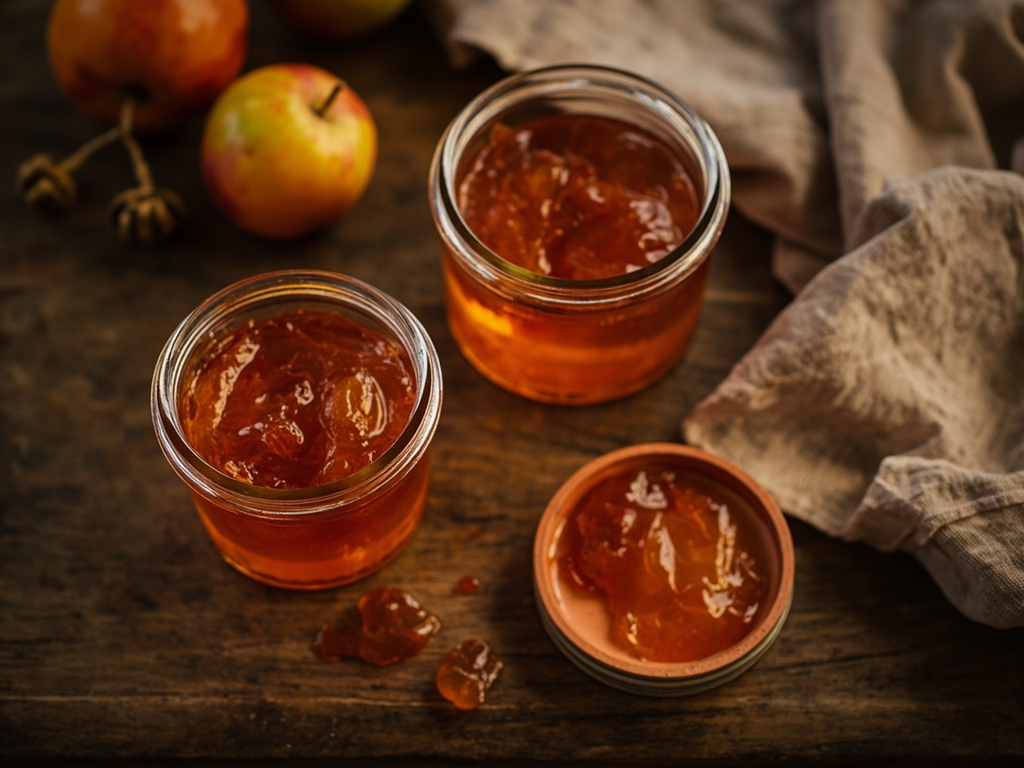
The juice of cooked quinces, combined with sugar and long reduced until it sets into a translucent amber jelly. A classic pantry item that transforms a tart, hard fruit into a luminous treat.
In late autumn, nothing of the quinces is wasted: their flesh is too tart to be eaten raw, but their juice, married with sugar, sets into a jelly clear as amber. I love it because it keeps all winter in a well-covered pot—foresight that every methodical mind approves. A little of this jelly on bread, and the January cold is sweetened. The quince is stingy with its perfume, but he who knows how to cook it is rewarded.
- •Quinces — a full basket (fruit for gelling (rich in pectin))
- •Sugar — equal weight to juice (preservation and sweetness)
- •Water — enough to cover (juice extraction)
Gelée de coings pour la dépense d'hiver
The juice of cooked quinces, combined with sugar and long reduced until it sets into a translucent amber jelly. A classic pantry item that transforms a tart, hard fruit into a luminous treat.
Why this dish? In bourgeois households, preserves and jellies were made in autumn for the "dépense"—the winter store. Quince jelly, from an acidic and fragrant Old World fruit, kept for months and provided sweetness for dessert even in the heart of a Parisian winter, in a frugal household like that of a scholar.
In late autumn, nothing of the quinces is wasted: their flesh is too tart to be eaten raw, but their juice, married with sugar, sets into a jelly clear as amber. I love it because it keeps all winter in a well-covered pot—foresight that every methodical mind approves. A little of this jelly on bread, and the January cold is sweetened. The quince is stingy with its perfume, but he who knows how to cook it is rewarded.
Ingredients (period version)
- Quinces — a full basket (fruit for gelling (rich in pectin))
- Sugar — equal weight to juice (preservation and sweetness)
- Water — enough to cover (juice extraction)
Ingredients
- Quinces — 2 kg (fruit for gelling)
- Granulated sugar — same weight as juice obtained (preservation and sweetness)
- Water — about 1.5 L (juice extraction)
- Lemon juice — 1 (optional) (brightness and help with setting)
Method
- Wash the quinces, rub off the fuzz, cut into quarters without peeling or coring (skin and seeds are rich in pectin).
- Cover with water and cook until tender (45 min).
- Pour into a cloth or jelly bag over a container and let the juice drip for several hours, without pressing (for a clear jelly).
- Weigh the juice, add an equal weight of sugar, and the lemon juice.
- Boil rapidly until a drop on a cold plate sets (about 30 to 40 min).
- Pour boiling into sterilised jars, seal immediately.
How it was made : Quince jelly (cotignac, in its solid version) is attested since the Middle Ages and remained a highlight of confectioners in the 18th century. Without a thermometer, the set was judged by the "sheet" or the gelled drop. The leftover pulp was not wasted: it was made into quince paste.
The contemporary twist : Mould the leftover quince paste into small cubes and line them up on a grid: "Legendre's Grid," an edible Cartesian reference.
Sources : Menon, La Cuisinière bourgeoise, 1746 · Marin, Les Dons de Comus, 1739
Adrien-Marie Legendre · Charactorium