 flip
flipThe Naturalist's Fruit Arrope
The Naturalist's Fruit Arrope
Why this dish? A botanist passionate about food plants, Bonpland constantly noted unknown fruits and their preparations. Arrope, a reduction syrup that preserves Litoral fruits, unites his scientific curiosity and the domestic practice of his Argentine years.
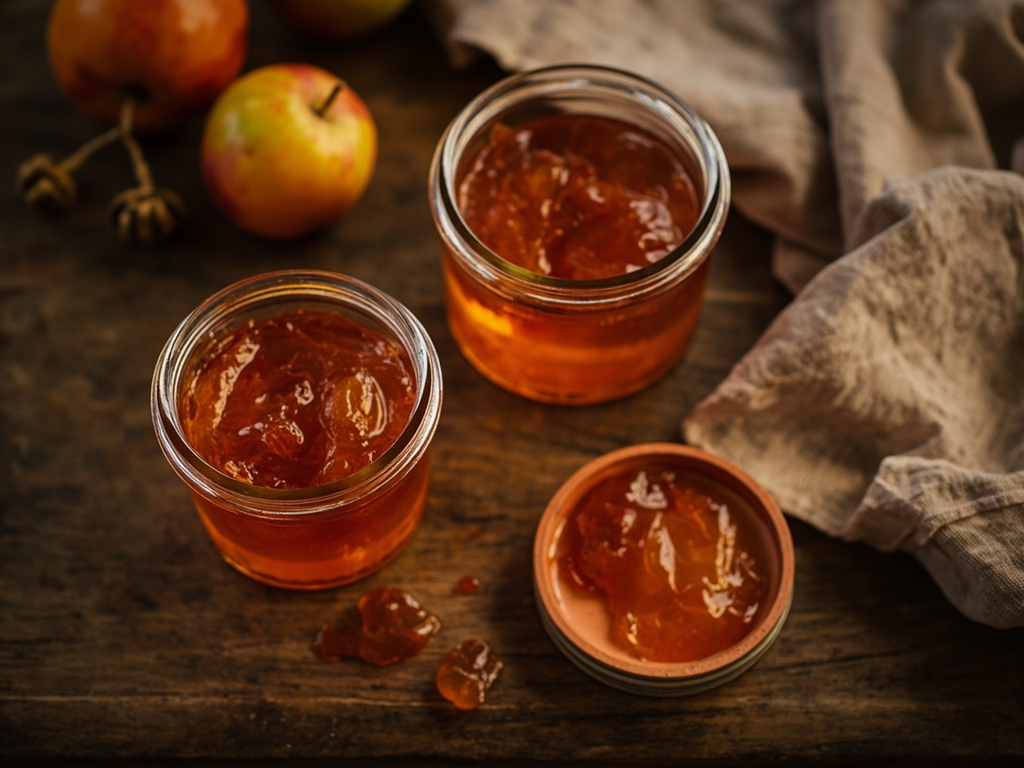
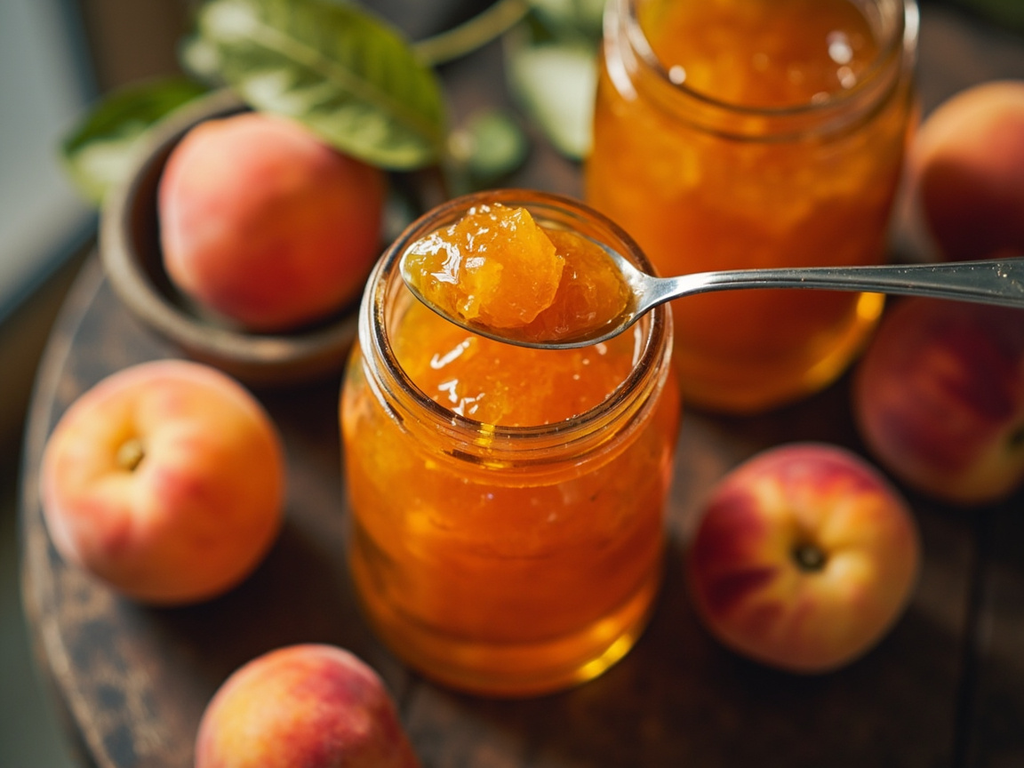
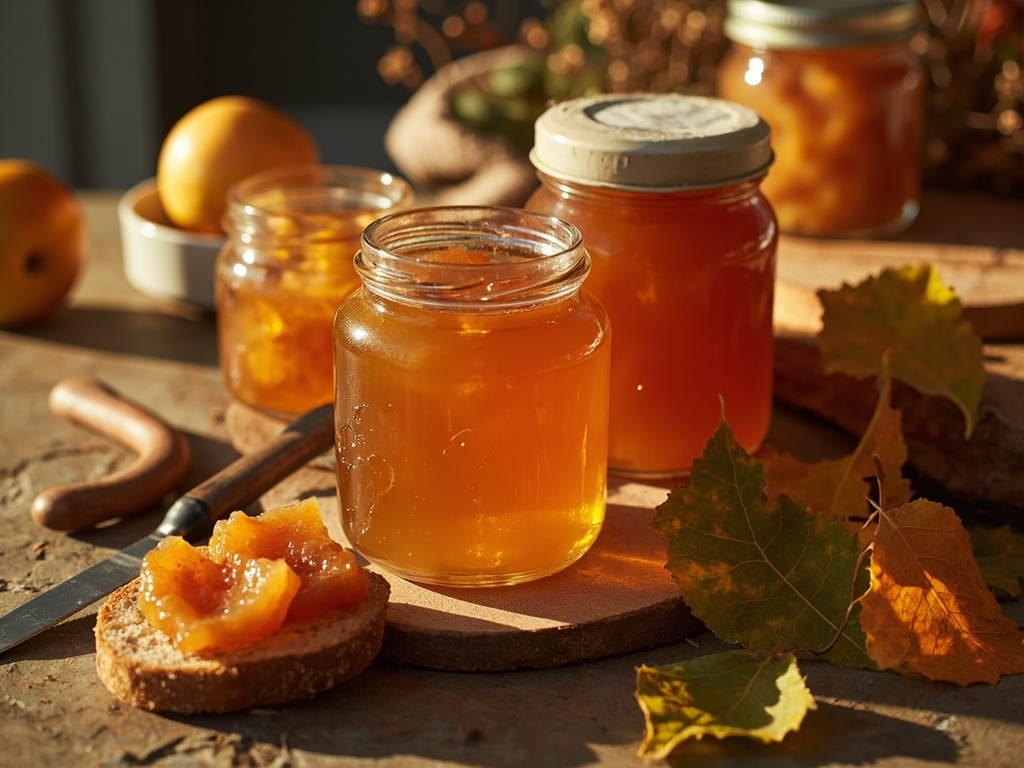
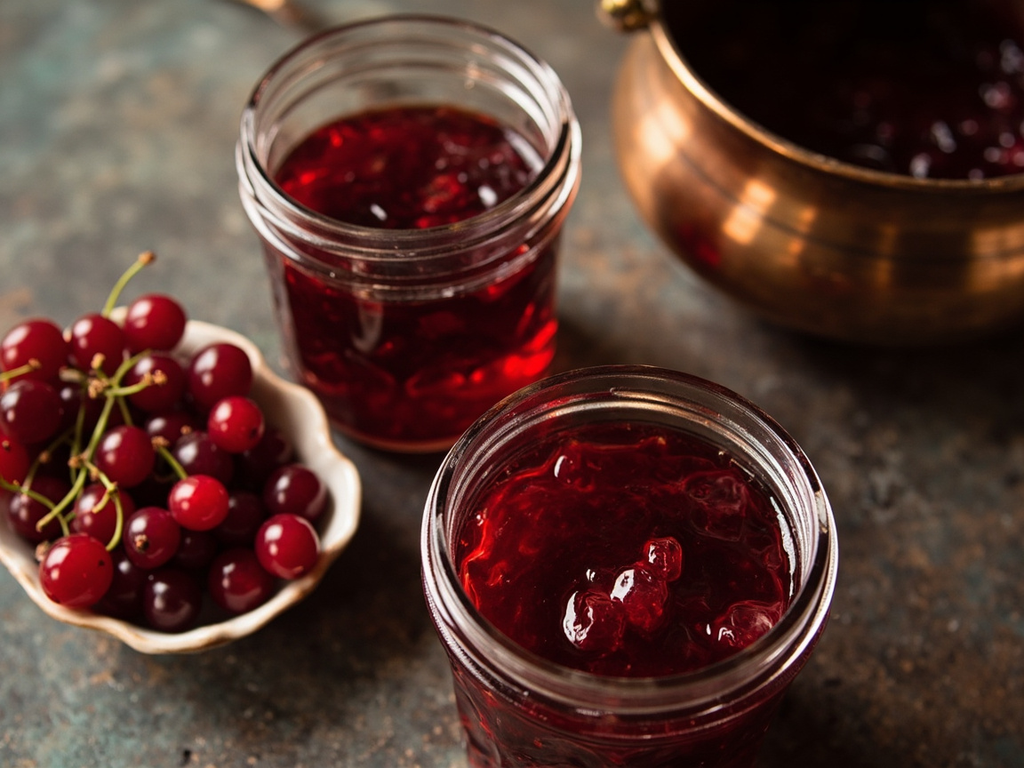
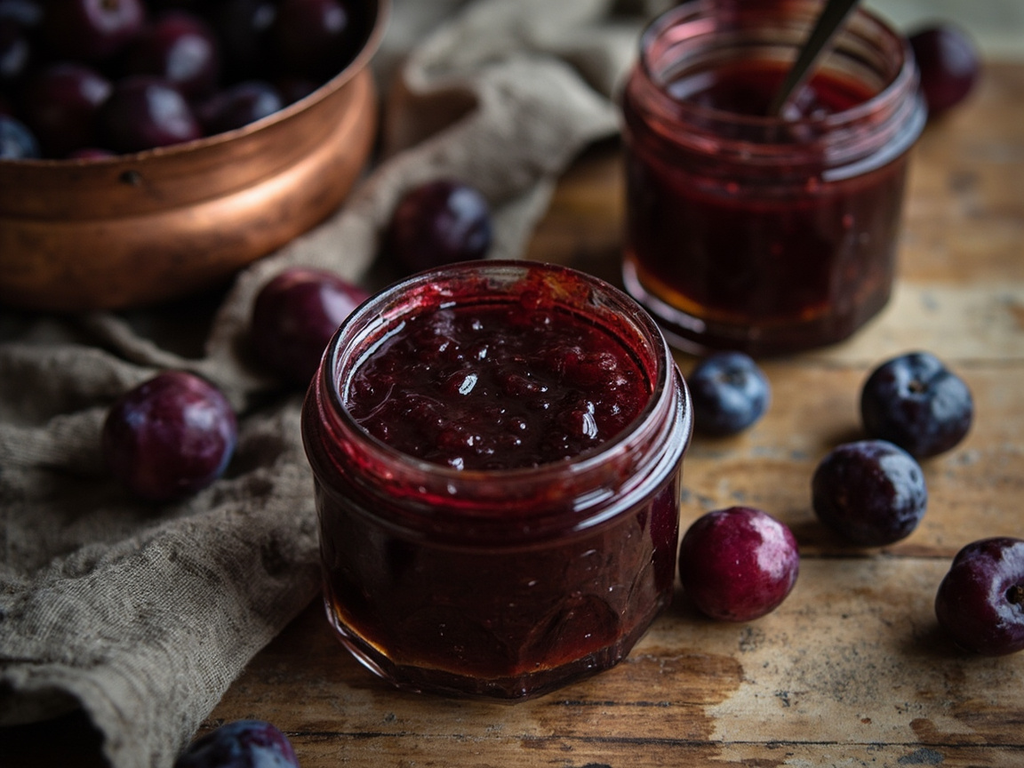
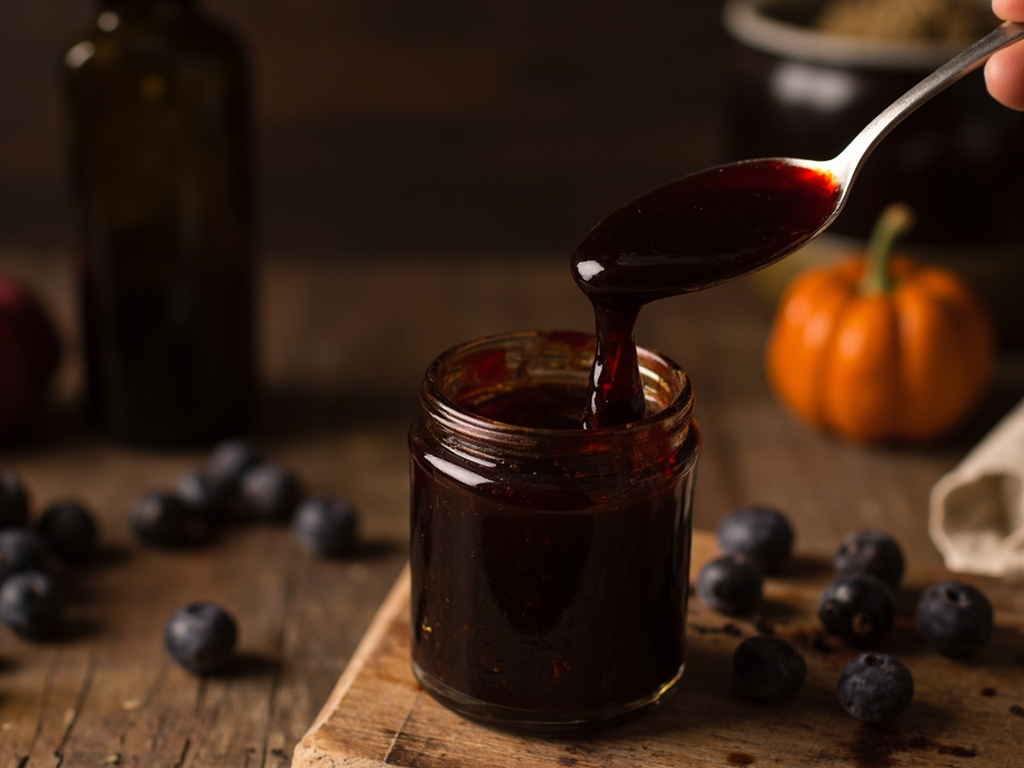
A dark, thick syrup obtained by long reduction of fruit juice until the natural sugar preserves it. Sweet-tart, it keeps for months and is eaten by the spoonful, on bread, or diluted in water.
You know my mania for noting everything: fruits especially, which these lands abound in and which, alas, rot in two days under such a climate. So I learned from the local housewives the art of arrope: you press ripe fruits, boil the juice over low heat for hours, skimming patiently, until it thickens into a syrup black as dark honey. The fruit's own sugar then preserves it for entire months — a very ingenious process that no chemist would disown, and which I enjoy a spoonful of each evening with my flatbread.
- •Very ripe fruits (grape, fig, or local fruits) — large quantity (sweet matter)
- •Water — a little (juice extraction)
The Naturalist's Fruit Arrope
A dark, thick syrup obtained by long reduction of fruit juice until the natural sugar preserves it. Sweet-tart, it keeps for months and is eaten by the spoonful, on bread, or diluted in water.
Why this dish? A botanist passionate about food plants, Bonpland constantly noted unknown fruits and their preparations. Arrope, a reduction syrup that preserves Litoral fruits, unites his scientific curiosity and the domestic practice of his Argentine years.
You know my mania for noting everything: fruits especially, which these lands abound in and which, alas, rot in two days under such a climate. So I learned from the local housewives the art of arrope: you press ripe fruits, boil the juice over low heat for hours, skimming patiently, until it thickens into a syrup black as dark honey. The fruit's own sugar then preserves it for entire months — a very ingenious process that no chemist would disown, and which I enjoy a spoonful of each evening with my flatbread.
Ingredients (period version)
- Very ripe fruits (grape, fig, or local fruits) — large quantity (sweet matter)
- Water — a little (juice extraction)
Ingredients
- Very ripe black grapes (or figs) — 2 kg (sweet base)
- Water — 200 ml (start cooking)
- Lemon juice — 1 tbsp (acid balance and preservation)
Method
- Wash and destem the fruits, crush them roughly in a large pot with the water.
- Bring to a simmer and cook for 20 minutes to burst the fruits and release the juice.
- Pass through a fine sieve or food mill to keep only the juice (press to extract everything).
- Return the juice to low heat and let it reduce slowly, skimming, for 1.5 to 2 hours.
- When the liquid coats the spoon and has reduced by two-thirds, add the lemon juice and cook a few more minutes.
- Pour hot into sterilized jars, seal and invert; store in the fridge once opened.
How it was made : Arrope (from the Arabic word *ar-rubb*, passed into Spanish) is a very ancient reduction syrup, widespread throughout northwestern Argentina and the Litoral for preserving grapes, figs, chañar, or carob. Before cheap refined sugar, reducing fruit juice was THE way to store the sweetness of a harvest.
The contemporary twist : Serve a spoonful of arrope over fresh cheese and a piece of grilled chipá: the sweet-salty contrast makes an instant Creole dessert.
Aimé Bonpland · Charactorium