 flip
flipTalkan (Traveler's Toasted Barley Flour)
Talkan (Traveler's Toasted Barley Flour)
Why this dish? Talkan is the ascetic food par excellence, directly linked to the lifestyle advocated by Ahmad Yasawi: frugality, detachment from earthly pleasures, and long spiritual retreats (chilla) in his underground cell. A handful of talkan mixed with water sufficed to nourish the meditating dervish without weighing down body or spirit.
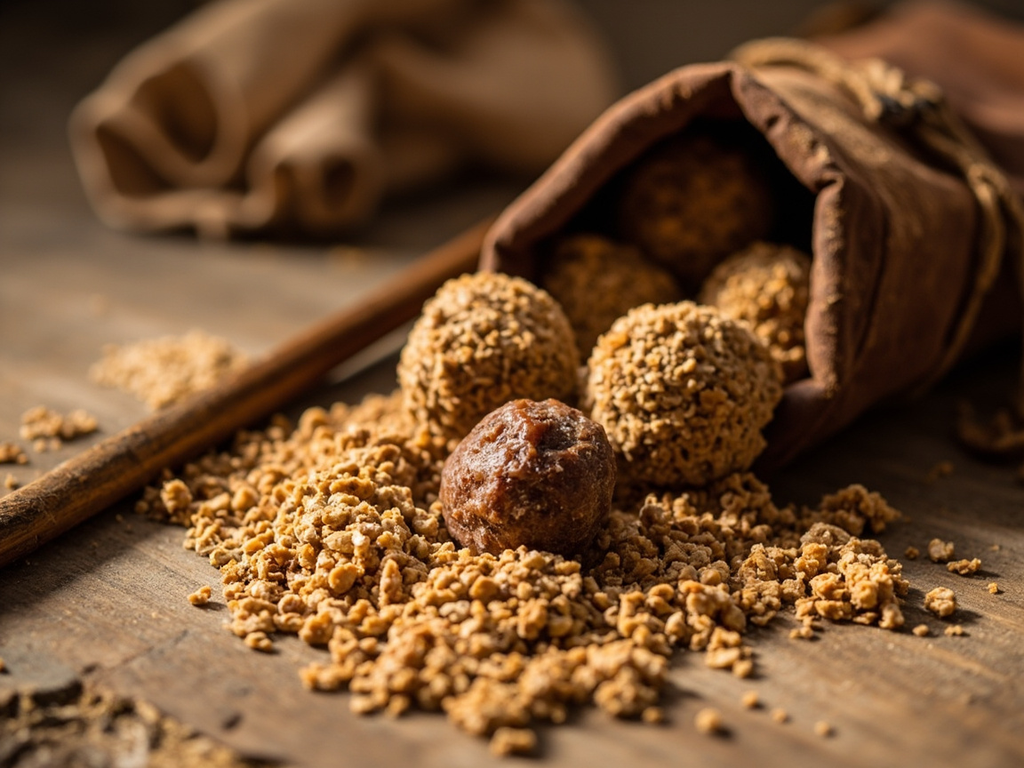
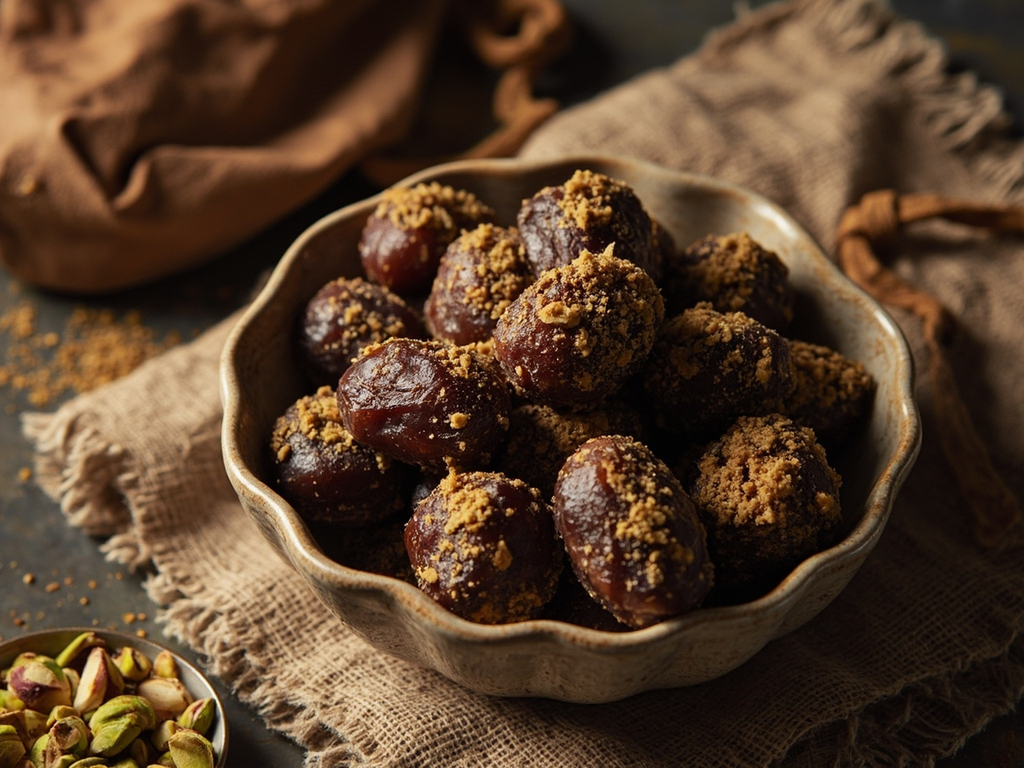
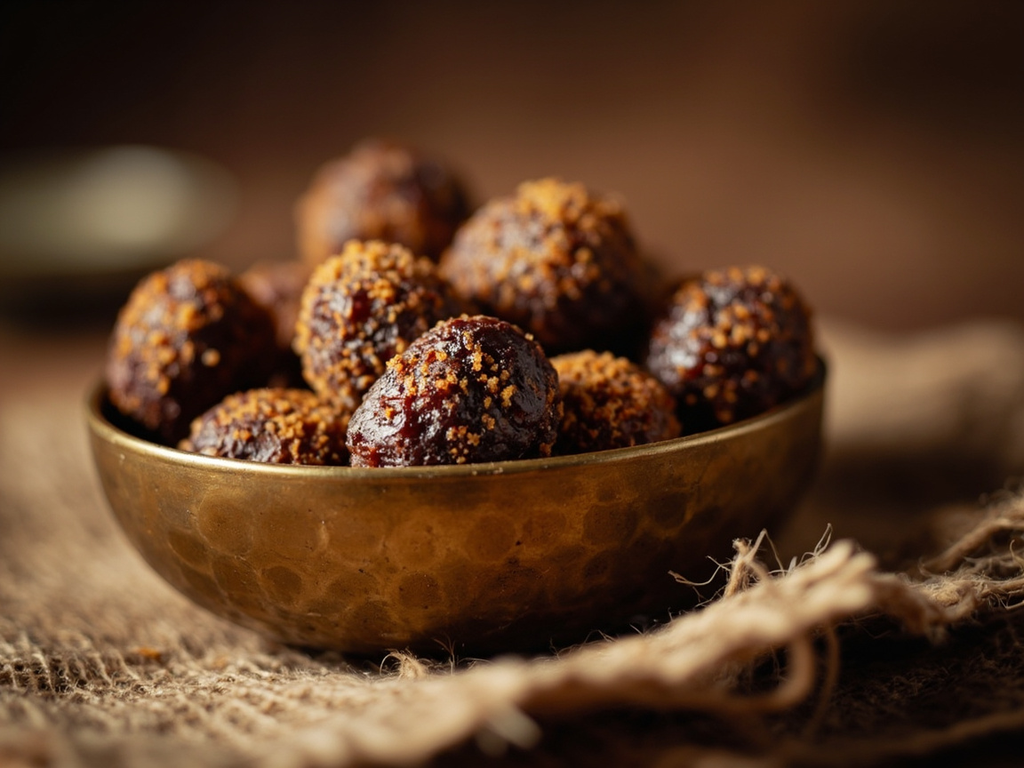
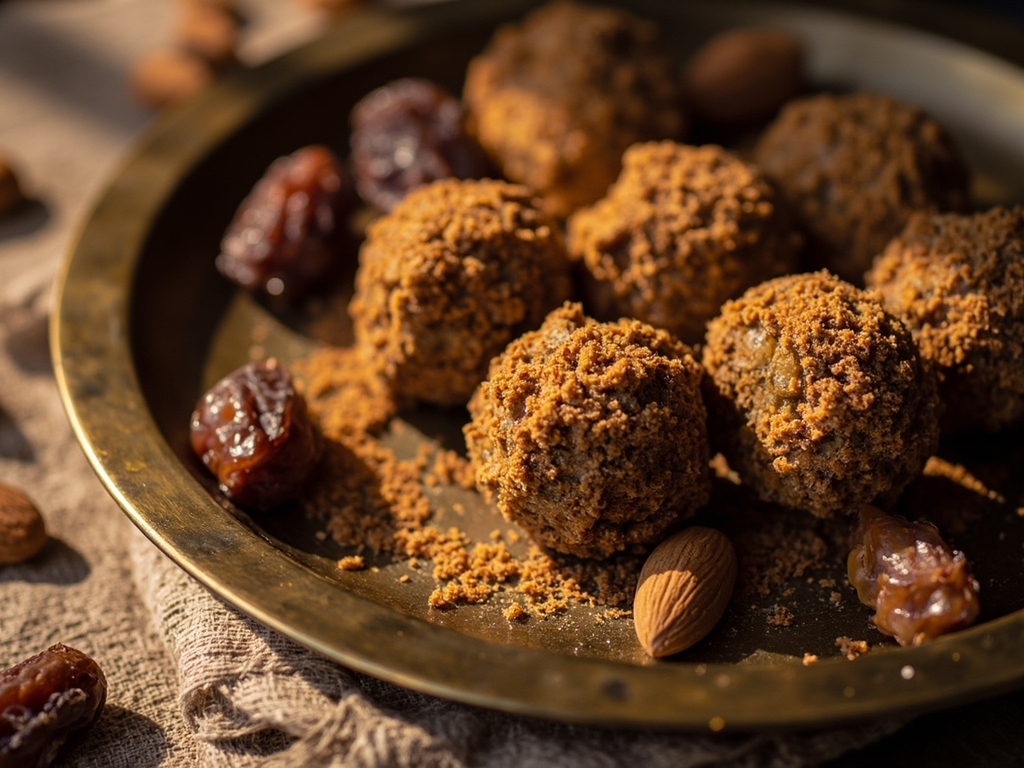
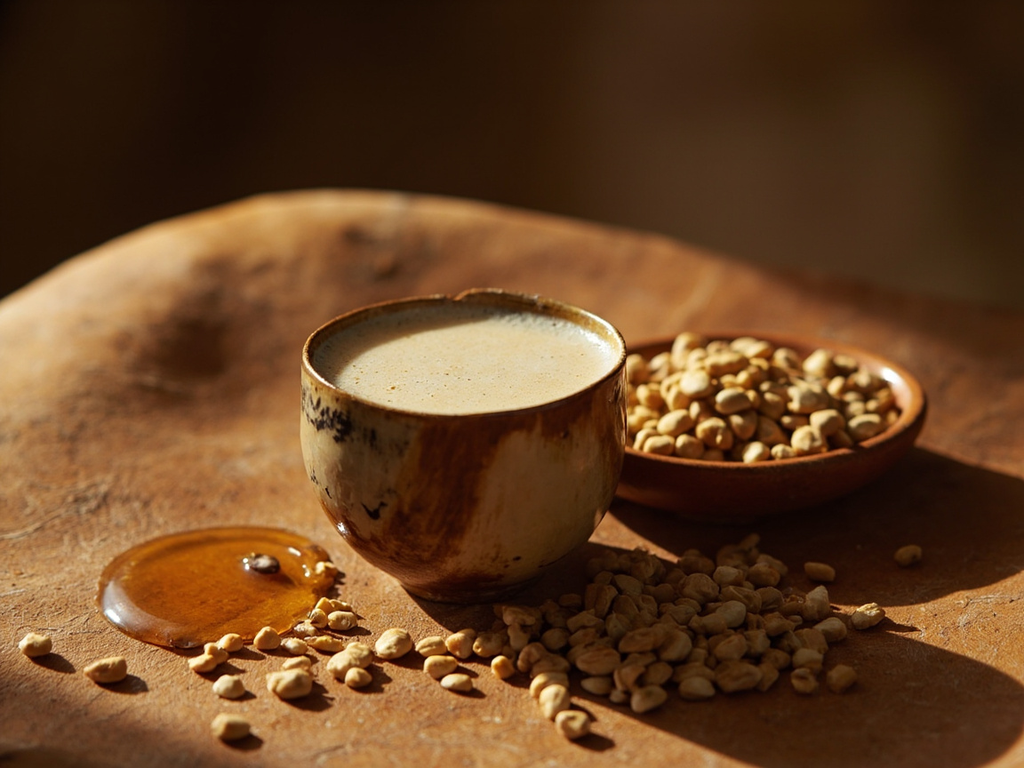
Barley flour previously dry-toasted, coarsely ground, eaten as is mixed with water, milk, or honey. Its naturally sweet and nutty flavor recalls roasted cereals. It is the ancestor of instant flours — just add liquid for a nourishing porridge without cooking.
When I descend into my chilla for forty days of retreat, I carry only a bag of talkan and a gourd of water. We toast the barley in the dry pot until it smells fragrant, then crush it between stones. A handful in the hollow of the hand, a little water, and there is your meal. The body needs nothing else — it is the soul that hungers, and it feeds on dhikr.
- •Barley grains — Several handfuls (Base)
- •Honey — A drizzle (optional) (Sweetness)
- •Water or sour milk — To taste (Mixing liquid)
Talkan (Traveler's Toasted Barley Flour)
Barley flour previously dry-toasted, coarsely ground, eaten as is mixed with water, milk, or honey. Its naturally sweet and nutty flavor recalls roasted cereals. It is the ancestor of instant flours — just add liquid for a nourishing porridge without cooking.
Why this dish? Talkan is the ascetic food par excellence, directly linked to the lifestyle advocated by Ahmad Yasawi: frugality, detachment from earthly pleasures, and long spiritual retreats (chilla) in his underground cell. A handful of talkan mixed with water sufficed to nourish the meditating dervish without weighing down body or spirit.
When I descend into my chilla for forty days of retreat, I carry only a bag of talkan and a gourd of water. We toast the barley in the dry pot until it smells fragrant, then crush it between stones. A handful in the hollow of the hand, a little water, and there is your meal. The body needs nothing else — it is the soul that hungers, and it feeds on dhikr.
Ingredients (period version)
- Barley grains — Several handfuls (Base)
- Honey — A drizzle (optional) (Sweetness)
- Water or sour milk — To taste (Mixing liquid)
Ingredients
- Pearl barley (whole grains) — 200 g (Base)
- Liquid honey — 2 tbsp (Sweetness)
- Milk (or water) — 300 ml (Mixing liquid)
- Clarified butter (ghee) — 1 tbsp (optional) (Enrichment)
- Dried fruit (apricots, raisins) — 30 g (Garnish)
Method
- Pour the pearl barley grains into a dry pan over medium heat. Toast, stirring constantly, for 10-15 minutes, until the grains are golden and smell nutty.
- Let cool completely. Grind in a spice grinder or blender to a coarse flour (fine semolina texture).
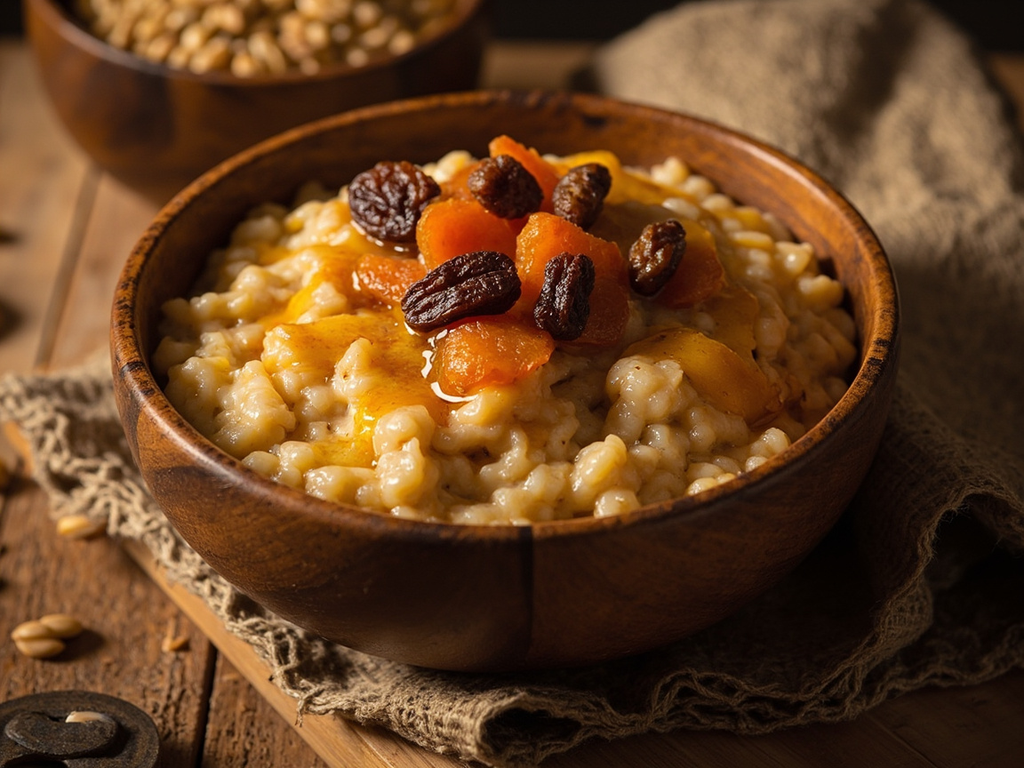
- To serve as porridge: heat the milk, sprinkle in the talkan while stirring. Cook 2-3 minutes until thickened. Add honey and ghee.
- Cut the dried fruit into small pieces, arrange on top of the porridge.
- Dry talkan keeps for weeks in a sealed jar. For a quick version, simply mix the flour into cold water or cold milk.
How it was made : Talkan (or tolkan) is attested among Turkic peoples of Central Asia since the early Middle Ages. Sources describe it as the universal ration of the traveler and steppe warrior. Mahmud al-Kashgari (11th century) mentions similar preparations of toasted and ground grains in his Dīwān Lughāt al-Turk. The Tibetan version (tsampa) and the Mongolian version testify to the spread of this technique across all Inner Asia.
The contemporary twist : Prepare as an overnight cold porridge: mix talkan + yogurt + honey + dried apricots the night before, enjoy in the morning — dervish energy in a contemporary breakfast format.
Sources : Mahmud al-Kashgari, Dīwān Lughāt al-Turk, 11th century · Mack, Glenn R., Food Culture in Russia and Central Asia, Greenwood Press, 2005
Ahmad Yasawi · Charactorium