 flip
flipThe Shared Kola Nut
The Shared Kola Nut
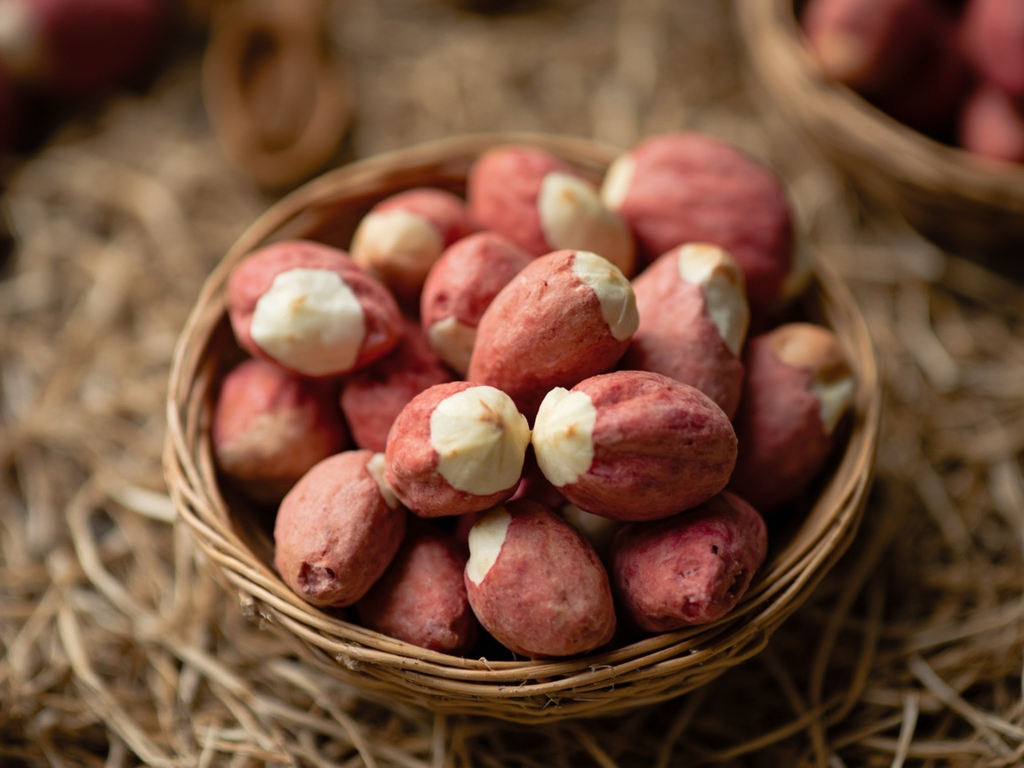
Why this dish? Inspired by Malinké custom, the kola nut is explicitly listed among Kourouma's objects and habits: it seals hospitality, opens speech, and honors elders. Offering it reenacts the welcoming gesture of his entire culture.
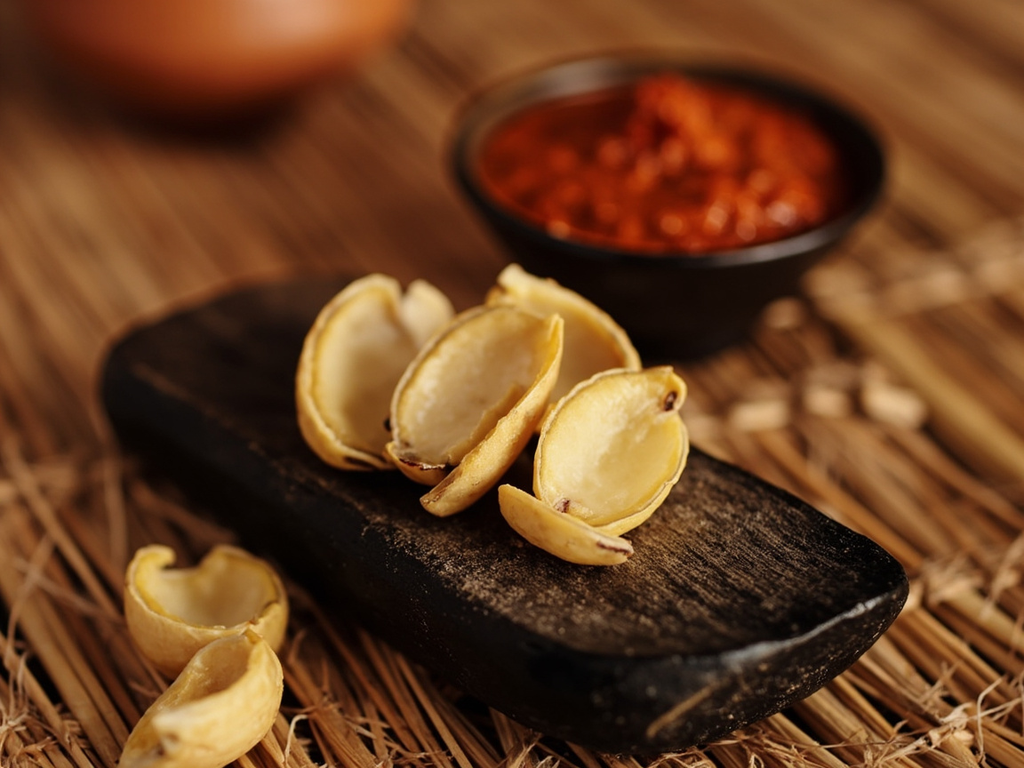
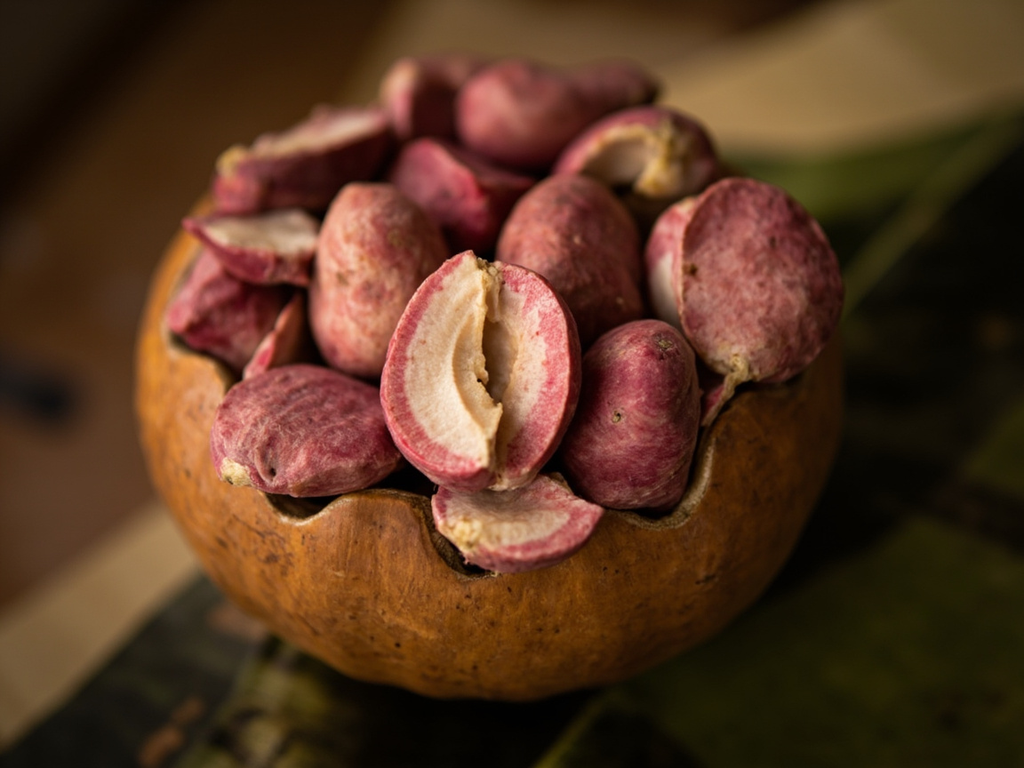
Not a dish, but a gesture: you present the fresh kola nut, break it into quarters, and share it. Bitter and stimulating, it is chewed slowly before the palaver or to welcome someone. Inspired by a living tradition, to be presented with respect rather than reproduced as a rite.
Before the word, there is the kola. When the stranger arrives, you don't ask him right away where he comes from or what he wants — no, you first offer him the kola nut, fresh, split into quarters, and it is she who says: you are welcome under this roof. She is bitter, yes, as life often is, but you chew her slowly and the bitterness turns into strength to hold the long palaver. Offering the kola to the elder is telling him you respect him; refusing it without reason is closing the door. Thus, in our home, the meal begins well before anything is put in the pot.
- •Fresh kola nuts — a few (offering)
The Shared Kola Nut
Not a dish, but a gesture: you present the fresh kola nut, break it into quarters, and share it. Bitter and stimulating, it is chewed slowly before the palaver or to welcome someone. Inspired by a living tradition, to be presented with respect rather than reproduced as a rite.
Why this dish? Inspired by Malinké custom, the kola nut is explicitly listed among Kourouma's objects and habits: it seals hospitality, opens speech, and honors elders. Offering it reenacts the welcoming gesture of his entire culture.
Before the word, there is the kola. When the stranger arrives, you don't ask him right away where he comes from or what he wants — no, you first offer him the kola nut, fresh, split into quarters, and it is she who says: you are welcome under this roof. She is bitter, yes, as life often is, but you chew her slowly and the bitterness turns into strength to hold the long palaver. Offering the kola to the elder is telling him you respect him; refusing it without reason is closing the door. Thus, in our home, the meal begins well before anything is put in the pot.
Ingredients (period version)
- Fresh kola nuts — a few (offering)
Ingredients
- Fresh kola nuts (African grocery) — 3 to 4 (offering)
- Small plate or calabash for presentation — 1 (sharing vessel)
Method
- Gently rinse the kola nuts in clean water.
- Present them whole in a calabash or small plate, placed before the host or guest of honor.
- Break each nut into quarters along its natural segments at the time of sharing.
- Distribute the quarters starting with the elders, and chew slowly — the initial bitterness gives way to a slight liveliness.
How it was made : In Malinké and broader West African societies, the kola nut circulated as a hospitality gift, marriage gift, pact support, and trade currency across the Sahel. Its caffeine content made it a valuable stimulant during long meetings and journeys, and its preservation (wrapped in moist leaves) allowed it to be transported far.
The contemporary twist : Present the kola quarters on a banana leaf with a small card explaining the custom — a cultural amuse-bouche before a West African meal.
Ahmadou Kourouma · Charactorium