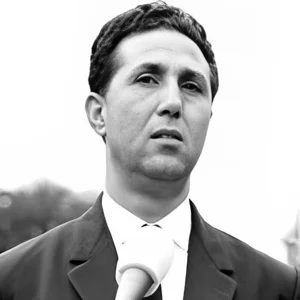

Ahmed Ben Bella (1916-2012) was an Algerian statesman and a leading figure in the struggle for Algerian independence. A co-founder of the FLN, in 1963 he became the first president of the Algerian Republic, before being overthrown by a coup d'état in 1965.
Ahmed Ben Bella(1916 — 2012)
Ahmed Ben Bella
Algérie
6 min read
Frequently asked questions
Key Facts
- Born on 25 December 1916 in Maghnia, in French colonial Algeria.
- Co-founder of the National Liberation Front (FLN) in 1954, which triggered the Algerian War.
- Arrested in 1956 after the French army diverted his plane, and imprisoned until 1962.
- Became the first president of the independent Algerian Republic in 1963.
- Overthrown by Houari Boumédiène's coup d'état on 19 June 1965, then held in detention for many years.
Works & Achievements
Ben Bella is one of the “historic leaders” who founded the National Liberation Front, the organization that waged the Algerian War of Independence.
The clandestine paramilitary branch of the nationalist movement, which he led, preparing the armed struggle against colonization.
Adopted under his presidency, it established a presidential system and a single-party state, laying the foundations of the new nation.
The founding text of Algeria's socialist and Third World orientation, marking its policy of self-management and nationalizations.
Redistribution of settlers' lands to committees of workers and peasants, a landmark experiment of the Algerian revolution.
Ben Bella turned Algiers into a capital of liberation movements, supporting Cuba, Pan-Africanism, and the global anti-colonial struggle.
A party founded in exile to oppose the single-party regime and promote political pluralism.
Anecdotes
In 1949, Ahmed Ben Bella took part in the spectacular robbery of the Oran post office, intended to fund the struggle for independence. Arrested and imprisoned, he escaped from Blida prison by sawing through the bars of his cell, instantly becoming a legendary figure of Algerian nationalism.
Before becoming a hero of independence, Ben Bella was a brilliant soldier in the French army. Enlisted during the Second World War, he distinguished himself in the Italian campaign, notably at Monte Cassino, and received the Médaille militaire from the hands of General de Gaulle himself.
In October 1956, the plane carrying Ben Bella and four other FLN leaders between Rabat and Tunis was diverted by the French army: it was one of the first politically motivated plane hijackings in history. The leaders would spend nearly six years in prison in France until independence.
Passionate about football in his youth, Ben Bella played as a midfielder for Olympique de Marseille in the 1930s. Once he became president, he remained a devoted supporter and championed the development of sport in the new Algeria.
Overthrown by his former comrade-in-arms Houari Boumédiène in June 1965, Ben Bella was held in detention and then under house arrest for nearly fifteen years, before being released in 1980 and going into exile. He did not return to Algeria until 1990.
Primary Sources
The goal: national independence through the restoration of the sovereign, democratic, and social Algerian state within the framework of Islamic principles.
The Algerian revolution sees itself as a popular, national, and democratic revolution, directed against imperialism and feudalism.
We won our independence in the blood of the martyrs; now we must build a state in the service of the people.
I have never ceased to believe that the unity of the Maghreb and the solidarity of the Third World were the only possible future for our peoples.
Key Places
Town in western Algeria, near the Moroccan border, where Ahmed Ben Bella was born in 1916. A region shaped by rural culture and the colonial presence.
Major port city in northwestern Algeria, scene of the post office hold-up organized by Ben Bella in 1949 to fund the armed struggle.
Site of one of the deadliest battles of the Second World War, where Ben Bella, a French soldier, distinguished himself by his bravery in 1944.
Penitentiary where Ben Bella was held after his plane was diverted in 1956, until Algeria's independence in 1962.
Capital of Algeria, where Ben Bella served as President of the Republic from 1963 to 1965. He died there in 2012.
Spa town where the Évian Accords were signed in March 1962, ending the Algerian War and paving the way for independence.
Typical Objects

Green and white banner bearing the red crescent and star, which became the flag of independent Algeria. It symbolized the unity of the liberation struggle.

Decoration awarded to Ben Bella for his bravery during the Second World War. It illustrates the paradox of a future independence leader honored by France.
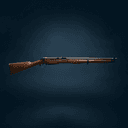
Light weapon used by FLN fighters during the guerrilla war against the French army. Often captured from the enemy or bought abroad.

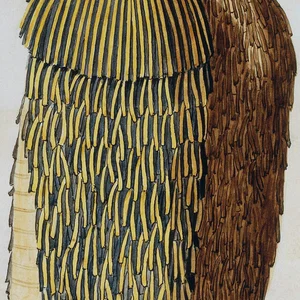
Large hooded woolen cloak, a traditional Maghrebi garment. Worn during official ceremonies, it asserted Algerian cultural identity in the face of the colonial legacy.
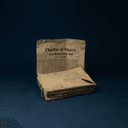
Programmatic document adopted in 1964 setting out Algeria's socialist orientation. It served as the ideological roadmap for the single party.

A key object of the war of independence: Algerians listened to the FLN's “Voice of Fighting Algeria.” The radio spread the ideal of liberation throughout the country.
School Curriculum
Vocabulary & Tags
Key Vocabulary
Daily Life
Morning
As president, Ben Bella often began his days early by reading the press and reports, then received advisers and foreign delegations. Known for his energy, he liked to multiply direct encounters with the people.
Afternoon
Afternoons were devoted to cabinet meetings, public speeches, and overseeing the construction projects of the new Algeria. He regularly visited self-managed farms, factories, and schools to embody the revolution on the move.
Evening
In the evening, he often continued political meetings late into the night, faithful to a very personal style of government. A passionate orator, he carefully prepared his fiery speeches.
Food
His diet reflected Maghrebi cuisine: couscous, mutton dishes, vegetables, dates, and mint tea. A practicing Muslim, he observed dietary prohibitions and the fast of Ramadan.
Clothing
Depending on the occasion, Ben Bella wore Western suits for official functions or traditional garments such as the burnous during ceremonies. This alternation asserted both modernity and Algerian identity.
Housing
For years, his “home” was the prison cell or the room of house arrest. As president, he lived in the official residences of Algiers, modest compared to the splendor of certain heads of state.
Historical Timeline
Period Vocabulary
Liens externes & ressources
Références
Œuvres
Cofondation du FLN
1954
Organisation spéciale (OS)
1947-1950
Première Constitution algérienne
1963
Charte d'Alger
1964
Politique d'autogestion agricole
1963-1965
Engagement tiers-mondiste
1962-1965
Mouvement pour la démocratie en Algérie (MDA)
1984