Military
Stratégie, commandement, résistance armée
412 characters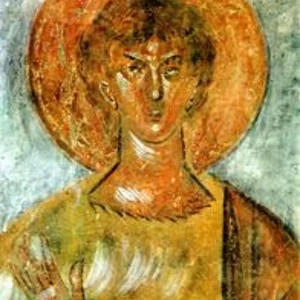
412 characters
Before Christ(62)
Abel
Abel is the second son of Adam and Eve in Genesis. A devout shepherd, he offers God the finest of his flock. Slain by his brother Cain, he becomes the first murder victim in the Abrahamic tradition.
Ajax
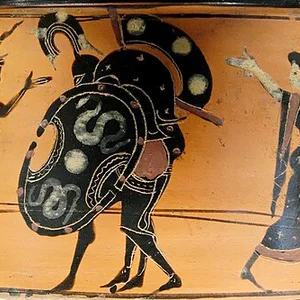
Ajax, son of Telamon, king of Salamis, is one of the greatest Greek heroes of the Trojan War. Renowned for his colossal size and strength, he is considered, after Achilles, the finest warrior in the Achaean camp.
An Dương Vương
250 av. J.-C. — 206 av. J.-C.
An Dương Vương, whose real name was Thục Phán, was the founder and sole ruler of the kingdom of Âu Lạc, formed by the union of the Âu Việt and the Lạc Việt after his victory over the last Hùng king of Văn Lang. He reigned until his defeat by Triệu Đà in 179 BCE, which brought his kingdom to an end.
Anat
Anat is a warrior goddess of the Ugaritic pantheon (ancient Syria), venerated in the 2nd millennium BCE. A fierce virgin warrior, she is the sister of the god Baal and ranks among the most formidable deities of the ancient Near East.
Ashurbanipal
684 av. J.-C. — 630 av. J.-C.
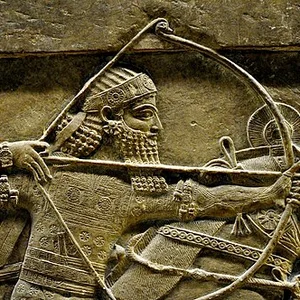
Ashurbanipal was one of the last great kings of the Neo-Assyrian Empire, reigning from 669 to roughly 627 BC. A warrior and scholar king, he brought Assyria to its greatest territorial extent and founded at Nineveh a vast library gathering tens of thousands of cuneiform tablets.
Ay
1400 av. J.-C. — 1400 av. J.-C.
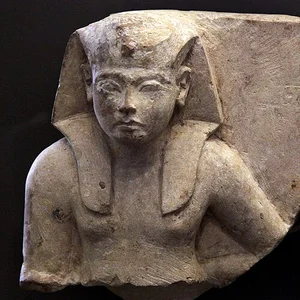
Ay was pharaoh of Egypt around 1323–1319 BCE, successor to Tutankhamun. A senior official and priest, he played a key role at the close of the Amarna period by restoring the traditional worship of the Egyptian gods.
Brutus
1983 — ?
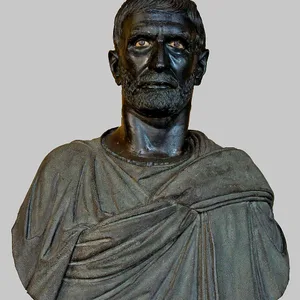
A Roman senator and statesman of the late Republic, Brutus was one of the main instigators of the assassination of Julius Caesar on the Ides of March, 44 BC. Defeated by the triumvirs Octavian and Mark Antony at Philippi, he took his own life in 42 BC.
Cain
3899 av. J.-C. — 3199 av. J.-C.
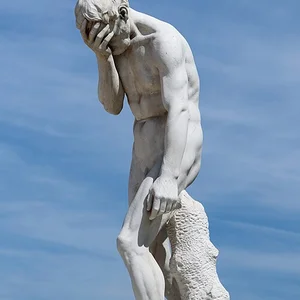
Eldest son of Adam and Eve in the Bible, Cain committed the first murder in human history by killing his brother Abel out of jealousy. Condemned to wander the earth, he received a protective mark from God.
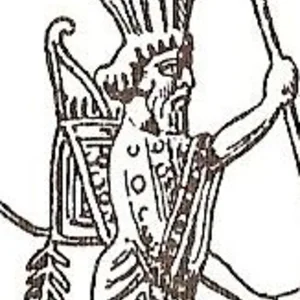
Cambyses II
558 av. J.-C. — 521 av. J.-C.
Cambyses II was a king of the Achaemenid Persian Empire, son and successor of Cyrus the Great. He conquered Egypt in 525 BC and proclaimed himself pharaoh, thereby greatly expanding the empire founded by his father.
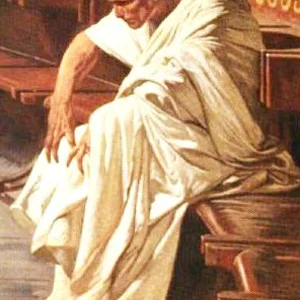
Catiline
107 av. J.-C. — 61 av. J.-C.
Lucius Sergius Catiline was a Roman patrician and politician, famous for plotting a conspiracy to seize power in 63 BC. Exposed by Cicero, he died fighting at the Battle of Pistoria in 62 BC.
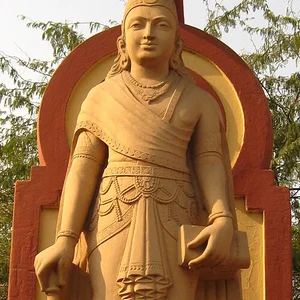
Chandragupta Maurya
339 av. J.-C. — 296 av. J.-C.
Founder of the Maurya Empire in the 4th century BCE, Chandragupta unified the Indian subcontinent after overthrowing the Nanda dynasty. He established the first great centralized empire in Indian history.
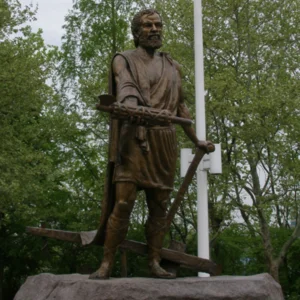
Cincinnatus
518 av. J.-C. — 430 av. J.-C.
Roman patrician of the 5th century BC, appointed dictator in 458 BC to rescue an army surrounded by the Aequi. After his victory in sixteen days, he immediately renounced absolute power to return to tilling his field, becoming the model of Roman civic virtue.
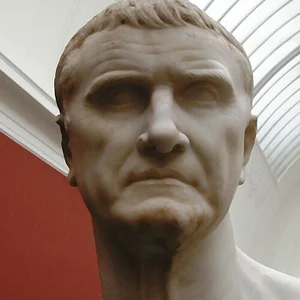
Crassus
114 av. J.-C. — 52 av. J.-C.
A Roman politician and general of the 1st century BC, Crassus was the wealthiest man in Rome. He formed the First Triumvirate with Caesar and Pompey in 60 BC. He died in the disastrous Battle of Carrhae against the Parthians.
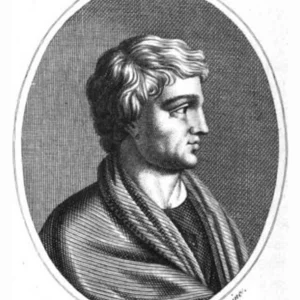
Diodorus Siculus
89 av. J.-C. — 19 av. J.-C.
Greek historian of the 1st century BC, born in Sicily, author of the Bibliotheca historica, a vast universal history encyclopedia in 40 volumes covering mythical origins through the age of Caesar.
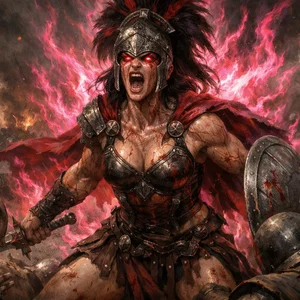
Enyo
Greek goddess of war and destruction, Enyo is the companion or sister of Ares. She embodies the bloody turmoil of battle and spreads terror across the battlefield in Greek mythology.
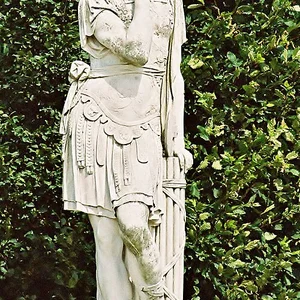
Fabius Cunctator
Roman general and statesman of the late 3rd century BC. Appointed dictator after the disaster at Lake Trasimene (217 BC), he opposed Hannibal through a strategy of attrition and avoidance of pitched battle, earning him the nickname Cunctator, “the Delayer.”
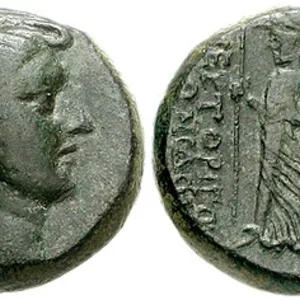
Fulvia
76 av. J.-C. — 39 av. J.-C.
Fulvia was a Roman aristocrat of the late Republic, famous for her exceptional political involvement for a woman of her time. Successively the wife of Clodius, Curio, and then Mark Antony, she led the armed resistance against Octavian during the Perusine War.
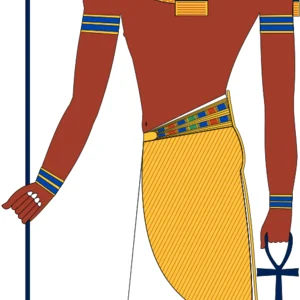
Geb
Geb is the Egyptian god of the Earth, son of Shu and Tefnut, and husband of Nut, the goddess of the sky. He belongs to the Ennead of Heliopolis and is the father of Osiris, Isis, Seth, and Nephthys.
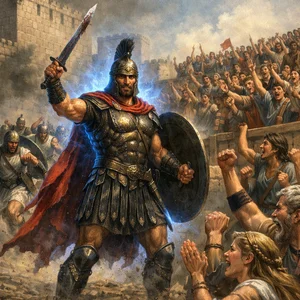
Hector
Prince of Troy and eldest son of King Priam, Hector is the greatest Trojan warrior of the Trojan War according to the Greek tradition handed down by Homer. Husband of Andromache and father of Astyanax, he embodies martial honor and love of his homeland. He kills Patroclus before being defeated by Achilles, whose fury leads him to drag Hector's body around the city walls.
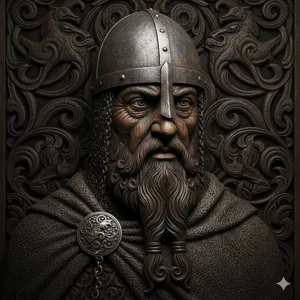
Hjalmgunnar
Hjalmgunnar is a warrior king from Norse mythology, mentioned in the heroic sagas. He was slain by the valkyrie Brynhildr on Odin's orders, which led to her being punished by the chief god.
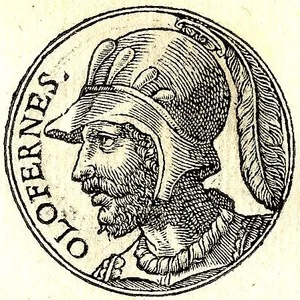
Holofernes
Assyrian general of Nebuchadnezzar's army, Holofernes is the central character of the Book of Judith in the Hebrew Bible. His beheading by Judith, a courageous Hebrew widow, is one of the most celebrated narratives in biblical literature.
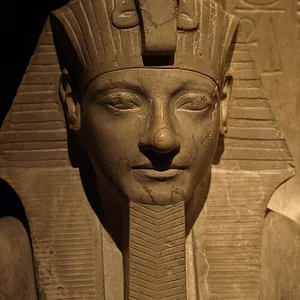
Horemheb
1350 av. J.-C. — 1291 av. J.-C.
The last pharaoh of the Eighteenth Dynasty of Egypt, Horemheb was first a general under Tutankhamun and Ay before seizing the throne. He restored the traditional order and erased the traces of Akhenaten's religious revolution.
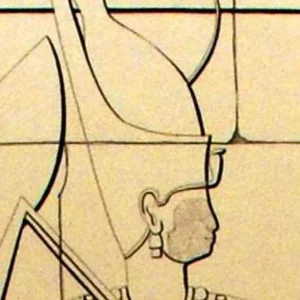
Kandake Amanirenas
Warrior queen of the Kingdom of Meroë (Nubia, present-day Sudan), Amanirenas led Kushite armies against the Roman legions of Augustus around 27–21 BCE. According to Roman sources and Sudanese oral tradition, she lost an eye in battle yet never surrendered, ultimately securing a peace treaty favorable to her kingdom.
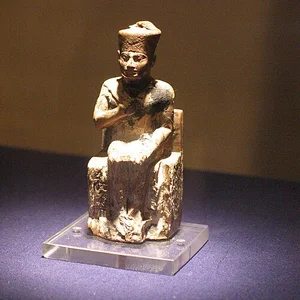
Khufu
2700 av. J.-C. — 2565 av. J.-C.
Pharaoh of the 4th Dynasty of ancient Egypt (c. 2589–2566 BC), Khufu is famous for commissioning the Great Pyramid of Giza, one of the Seven Wonders of the Ancient World. His reign stands as a symbol of the absolute power of pharaonic rule.
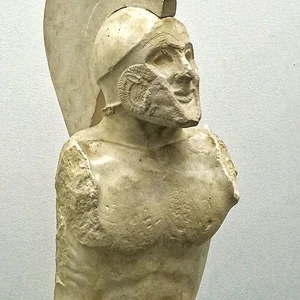
Leonidas
Leonidas I was king of Sparta in the 5th century BC. A member of the Agiad dynasty, he commanded the Greek coalition at the Battle of Thermopylae against the Persian army of Xerxes I in 480 BC. His heroic resistance and death in battle made him a lasting symbol of patriotic sacrifice.
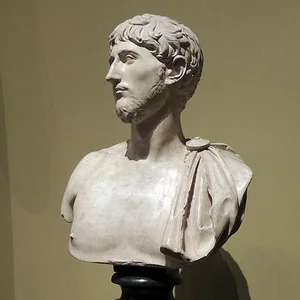
Lepidus
89 av. J.-C. — 12 av. J.-C.
Roman politician and general of the 1st century BC, Lepidus formed the Second Triumvirate with Octavian and Mark Antony in 43 BC. Gradually marginalized, he was removed from power by Octavian in 36 BC.
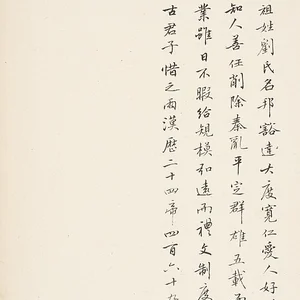
Liu Bang
Liu Bang, of peasant origin, led the revolt against the Qin dynasty and then triumphed over Xiang Yu during the Chu–Han Contention. In 202 BC he founded the Han dynasty, one of the longest-lasting in Chinese history, and reigned under the name Gaozu.
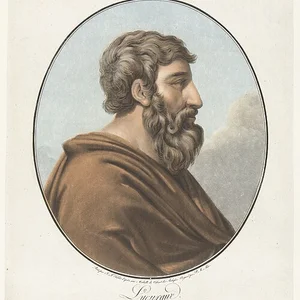
Lycurgus
250 av. J.-C. — 210 av. J.-C.
Lycurgus is the legendary lawgiver of Sparta, traditionally regarded as the founder of the city's political, social, and military institutions (the “Great Rhetra”). His historical existence is uncertain and largely belongs to the realm of myth.
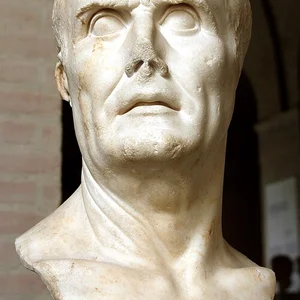
Marius
157 av. J.-C. — 85 av. J.-C.
Roman general and statesman, seven times consul. Victor over Jugurtha and over the Cimbri and Teuton invasions, he profoundly reformed the Roman army by opening recruitment to the poorest citizens.
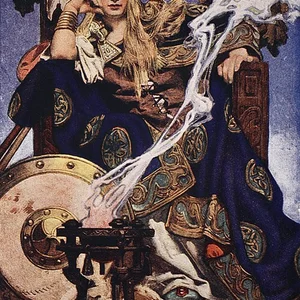
Medb
Legendary queen of Connacht in Irish mythology. A central figure of the Ulster Cycle, she leads the great cattle raid of the Táin Bó Cúailnge to seize the Brown Bull of Cooley. She embodies sovereignty, war, and fertility in the Celtic tradition.
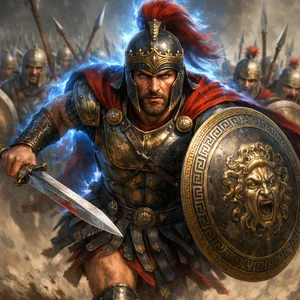
Menelaus
King of Sparta in Greek mythology, husband of Helen, the most beautiful woman in the world. The abduction of Helen by the Trojan Paris leads him to seek the aid of his brother Agamemnon and to unite the Greek kings against Troy.
Morrigan
Irish Celtic goddess of war, fate, and death, belonging to the mythical people of the Tuatha Dé Danann. Present in medieval Irish texts that preserve much older oral traditions, she embodies sovereignty and the violence of the battlefield. She appears notably in the Ulster Cycle epic, in confrontation with the hero Cú Chulainn.
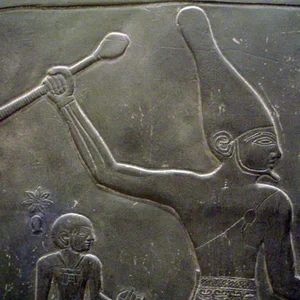
Narmer
3200 av. J.-C. — 3124 av. J.-C.
Narmer is considered the first pharaoh of unified Egypt, around 3100 BCE. He is credited with uniting Upper and Lower Egypt under a single crown, thereby founding the first Egyptian dynasty.

Otrera
In Greek mythology, Otrera is a queen of the Amazons, the people of warrior women. As the daughter or consort of Ares, the god of war, she is presented as the mother of the famous queens Hippolyta and Penthesilea.
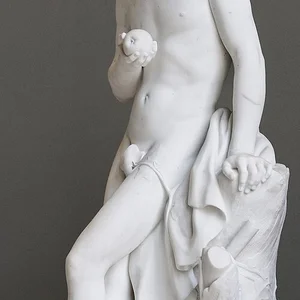
Paris
Trojan prince, son of Priam and Hecuba, Paris triggers the Trojan War by abducting Helen, wife of the Spartan king Menelaus. His judgment among the three goddesses determines the fate of Troy.
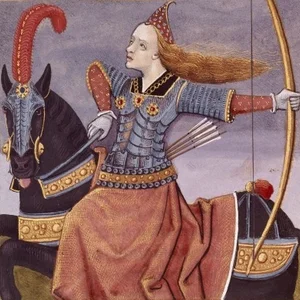
Penthesilea
Queen of the Amazons in Greek mythology, daughter of Ares and Otrera. According to the epic tradition, she led her warrior women to the aid of Troy after Hector's death and faced Achilles in single combat, who killed her even as he fell in love with her.

Polycrates
Tyrant of the island of Samos in the 6th century BC, Polycrates raised his city to the height of its power through a formidable fleet and strategic alliances. His brilliant reign, marked by patronage of the arts and prosperity, ended in a violent death at the hands of the Persian satrap Oroites.
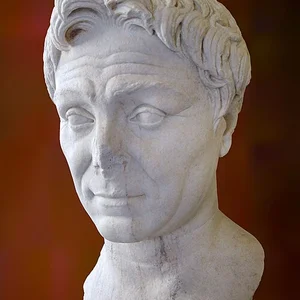
Pompey
105 av. J.-C. — 47 av. J.-C.
Pompey (106–48 BC) was a Roman general and statesman who distinguished himself through his military victories in the East. A rival and later enemy of Caesar, he was one of the key figures in the fall of the Roman Republic.
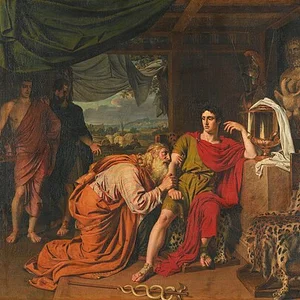
Priam
Priam is the last king of Troy in Greek mythology, father of fifty sons including Hector and Paris. His reign is defined by the Trojan War, triggered by the abduction of Helen. He dies during the fall of the city, killed by Neoptolemus.
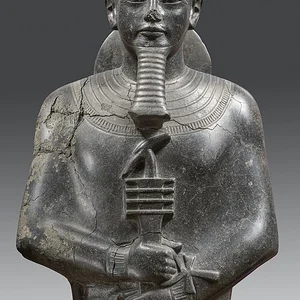
Ptah
Ptah is one of the oldest and most important gods of ancient Egypt, a creator god and patron of craftsmen and architects. Venerated at Memphis since the Old Kingdom, he embodies creation through thought and speech. His triad with Sekhmet and Nefertum forms the heart of the Memphite cult.
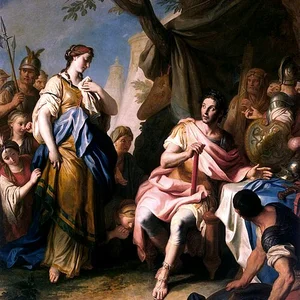
Roxana
346 av. J.-C. — 309 av. J.-C.
Roxana was a Bactrian princess, the first wife of Alexander the Great, whom he married in 327 BC following the conquest of Bactria. She was the mother of Alexander IV, the posthumous heir to the empire.

Sammu-ramat (Semiramis)
Regent of the Assyrian Empire around 811–808 BC, Sammu-ramat held power in the name of her son Adad-nirari III. A historical figure, she quickly became a legendary character in the Greek world, symbolizing the warrior queen and great builder of the ancient Near East.
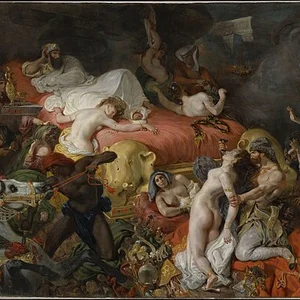
Sardanapalus
Sardanapalus is a legendary king of Assyria, a figure from ancient Greek tradition. Renowned for his extreme luxury and dissolute lifestyle, he is said to have chosen to die in flames rather than surrender to his enemies. His tragic fate inspired numerous works of art, most notably the painting by Eugène Delacroix.
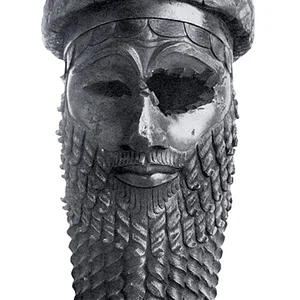
Sargon of Akkad
2350 av. J.-C. — 2300 av. J.-C.
Sargon of Akkad (c. 2334–2279 BCE) was the founder of the first empire in history, the Akkadian Empire. Rising from humble origins according to legend, he unified Mesopotamia under his rule and governed a territory stretching from the Persian Gulf to the Mediterranean.
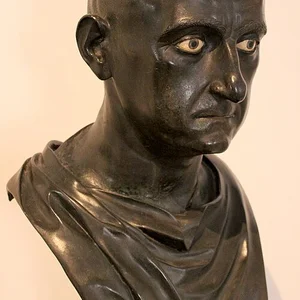
Scipio Africanus
234 av. J.-C. — 182 av. J.-C.
Roman general of the 2nd century BC, victor over Hannibal at the Battle of Zama (202 BC). He brought the Second Punic War to an end and secured Rome's dominance over Carthage.
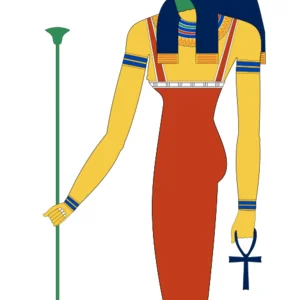
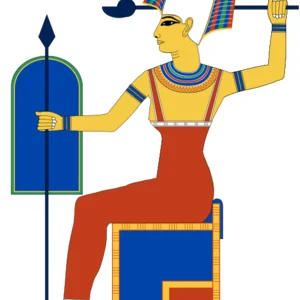
Sekhmet
A lioness goddess of ancient Egyptian mythology, Sekhmet embodies both warlike destruction and healing power. Daughter of Ra, she is the protector of the pharaoh on the battlefield and the patron of physicians. Her cult, attested as far back as the Old Kingdom, was especially vibrant in Memphis.
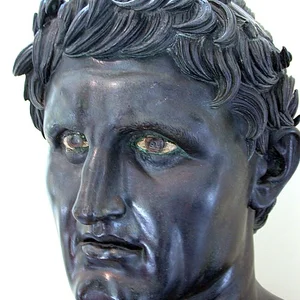
Seleucus I Nicator
357 av. J.-C. — 280 av. J.-C.
A Macedonian general under Alexander the Great, Seleucus became one of the Diadochi after his death and founded the Seleucid dynasty. He built the largest of the Hellenistic kingdoms, stretching from Anatolia to the Indus.
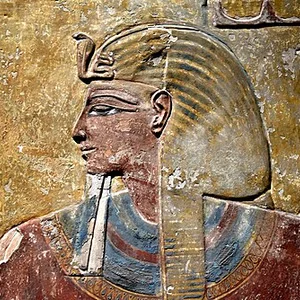
Seti I
1322 av. J.-C. — 1278 av. J.-C.
Seti I was the second pharaoh of the Nineteenth Dynasty of Egypt, reigning around 1294–1279 BC. Son of Ramesses I, he restored Egypt's military and religious power following the Amarna period. He is renowned for his campaigns in Canaan and Libya, as well as for his magnificent temple at Abydos.
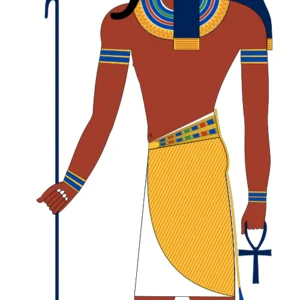
Shou
Shou is the ancient Egyptian deity personifying air and light. Son of Ra and husband of Tefnut, he supports the vault of the sky by separating Nut (the sky) from Geb (the earth). He embodies the vital space between the cosmos and the earthly world.
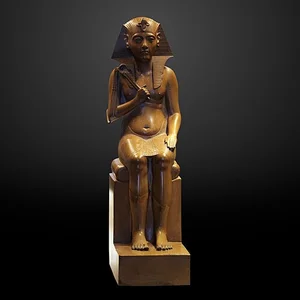
Smenkhkare
1400 av. J.-C. — 1333 av. J.-C.
A short-lived pharaoh of ancient Egypt's 18th Dynasty, Smenkhkare reigned briefly around 1338–1336 BC, succeeding Akhenaten. His identity remains one of the most enigmatic puzzles of ancient Egypt.
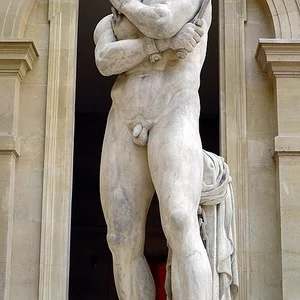
Spartacus
102 av. J.-C. — 70 av. J.-C.
A gladiator of Thracian origin, Spartacus led the Third Servile War against Rome (73–71 BC), commanding an army of rebel slaves that threatened the very existence of the Roman Republic before being defeated by Crassus.
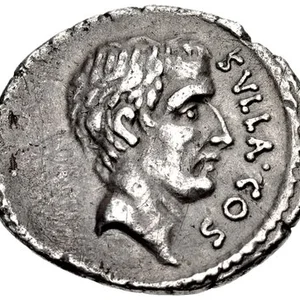
Sulla
137 av. J.-C. — 77 av. J.-C.
A Roman general and statesman, Sulla seized power by force in the aftermath of civil wars. Appointed dictator, he reformed the institutions of the Republic in favor of the Senate before stepping down.
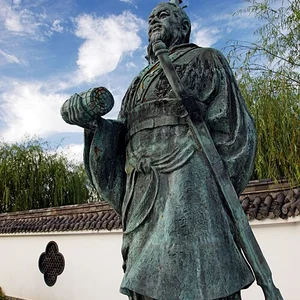
Sun Tzu
543 av. J.-C. — 495 av. J.-C.
Sun Tzu was a Chinese general and philosopher of the 6th century BC, author of The Art of War. This military treatise, one of the oldest in the world, continues to influence military, political, and economic strategy to this day.
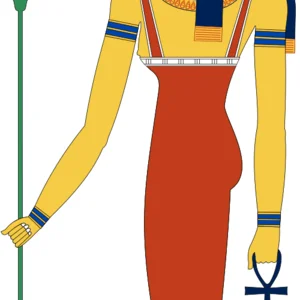
Tefnut
Tefnut is an Egyptian goddess with the head of a lioness, personification of moisture and dew. Daughter of Ra and sister-wife of Shu, she is part of the Ennead of Heliopolis. She embodies life-giving rain and plays a role in maintaining cosmic balance.
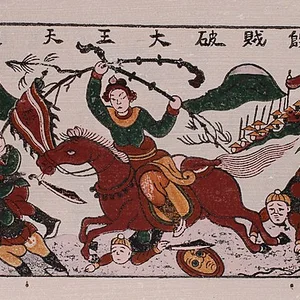
Thánh Gióng
Legendary hero of Vietnam, one of the Four Immortals (Tứ bất tử) of Vietnamese popular belief. A miraculous child who remained mute until the age of three, he suddenly awakens to repel a foreign invasion, then ascends to the heavens. He symbolizes resistance against invaders and the strength of youth.
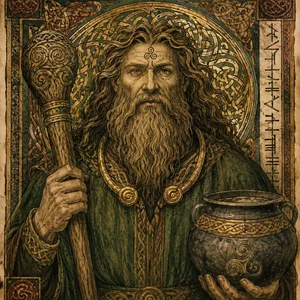
The Dagda
A major deity of Irish mythology, father and chief of the Tuatha Dé Danann. God of fertility, wisdom, and abundance, he wields a colossal club and owns a magical cauldron with inexhaustible provisions.
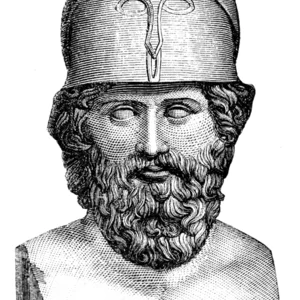
Themistocles
523 av. J.-C. — 458 av. J.-C.
Athenian statesman and strategist, architect of Athens' naval power. He led the Greeks to the decisive victory at Salamis against the Persians in 480 BC.
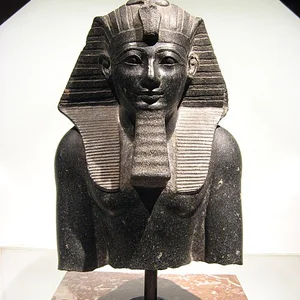
Thutmose III
1480 av. J.-C. — 1424 av. J.-C.
Pharaoh of the 18th Egyptian Dynasty (c. 1479–1425 BCE), Thutmose III is considered the greatest conqueror of ancient Egypt. He led seventeen military campaigns and brought the Egyptian empire to its greatest territorial extent.
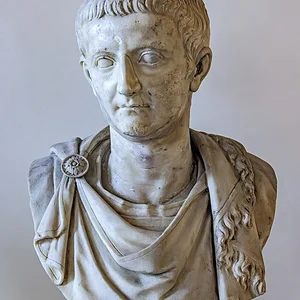
Tiberius
41 av. J.-C. — 37
Tiberius (42 BC – 37 AD) was the second Roman emperor, successor to Augustus. He reigned from 14 to 37 AD and withdrew to Capri from 27 AD onward, leaving power in the hands of Sejanus.
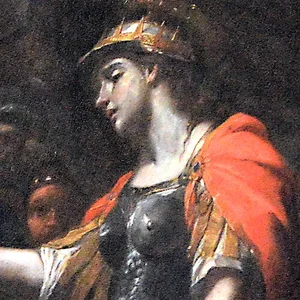
Tomyris
600 av. J.-C. — 600 av. J.-C.
Queen of the Massagetae, a nomadic people of Central Asia, Tomyris is famous for defeating and killing Cyrus the Great around 530 BC. She embodies the resistance of the steppe peoples against the expansion of the Achaemenid Persian Empire.
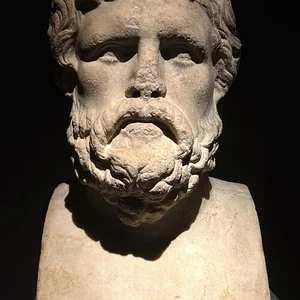
Xenophon
430 av. J.-C. — 353 av. J.-C.
Greek historian, soldier, and philosopher born around 430 BC, and a disciple of Socrates. He led the retreat of the Ten Thousand Greek mercenaries from Persia, recounted in the Anabasis. A prolific author, he left behind historical, philosophical, and military works.
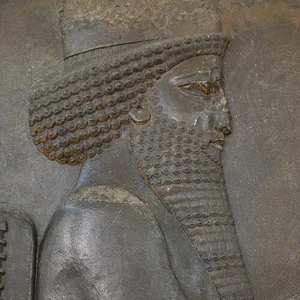
Xerxes I
518 av. J.-C. — 464 av. J.-C.
King of the Achaemenid Persian Empire from 485 to 465 BC, son of Darius I. He is famous for leading the second Greco-Persian War against the Greek city-states, notably at the battles of Thermopylae and Salamis.
Antiquity(44)
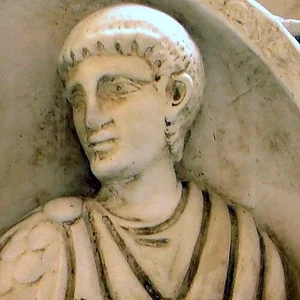
Aetius
390 — 454
Flavius Aetius was a Roman general and statesman of the 5th century, the dominant figure of the waning Western Roman Empire. Nicknamed “the last of the Romans,” he is famous for stopping Attila and the Huns at the Catalaunian Plains in 451.
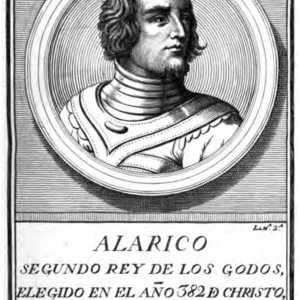
Alaric I
370 — 410
King of the Visigoths from 395 to 410, Alaric I is famous for leading the sack of Rome in 410, a symbolic event marking the beginning of the end of the Western Roman Empire.
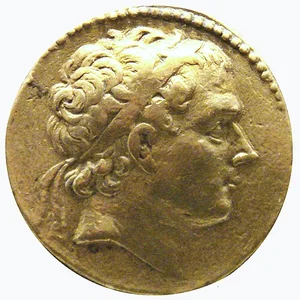
Antiochus III
241 av. J.-C. — 186 av. J.-C.
Antiochus III, known as the Great, was a Seleucid king who reigned from 223 to 187 BC. He restored the Seleucid Empire through vast campaigns into the East, but was defeated by Rome, which marked the rise of Roman power in the eastern Mediterranean.
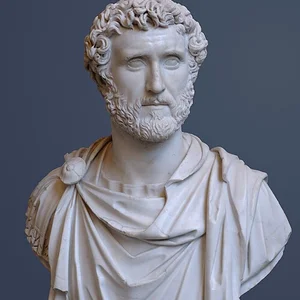
Antoninus Pius
86 — 161
Antoninus Pius was Roman emperor from 138 to 161, the third of the “good emperors” of the Antonine dynasty. His exceptionally long and peaceful reign remained a symbol of stability and prosperity for the Empire.
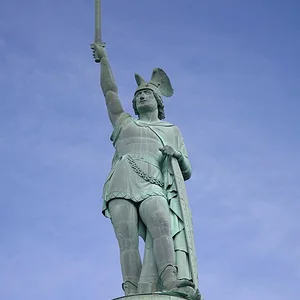
Arminius
16 av. J.-C. — 21
War chief of the Germanic Cherusci tribe. In 9 AD, he annihilated three Roman legions commanded by Varus in the Teutoburg Forest, lastingly halting Roman expansion east of the Rhine.
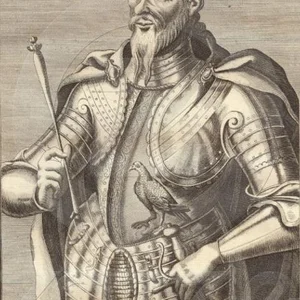
Attila
500 — 453
Attila was king of the Huns from 434 to 453. He conquered a vast empire across Eastern and Central Europe, directly threatening the Western Roman Empire through repeated invasions. He is remembered as one of the greatest warriors of Late Antiquity.
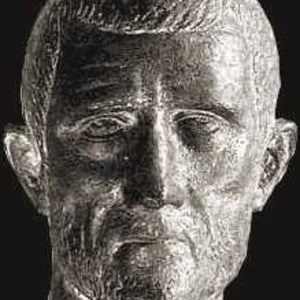
Aurelian
214 — 275
Aurelian was Roman emperor from 270 to 275, nicknamed “restorer of the world” (restitutor orbis). A general of Illyrian origin, he reunified the Roman Empire by reconquering the Gallic Empire and the kingdom of Palmyra, putting an end to the Crisis of the Third Century.

Avidius Cassius
130 — 175
A Roman general of Syrian origin, Avidius Cassius was one of the finest military commanders of the Antonine period. In 175, he wrongly proclaimed himself emperor, believing Marcus Aurelius to be dead, and was assassinated by his own soldiers after only three months of rule.
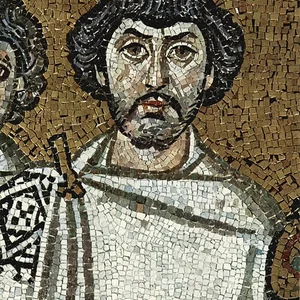
Belisarius
505 — 565
Belisarius was the greatest general of the Byzantine emperor Justinian I in the 6th century. The architect of the wars to reconquer the West, he took Africa back from the Vandals and Italy from the Ostrogoths, helping to advance the dream of restoring the Roman Empire.
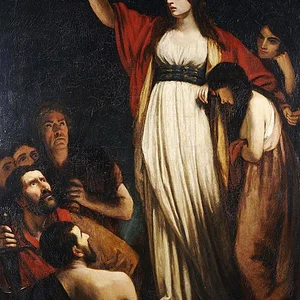
Boudicca
30 — 61
Queen of the Iceni, a Celtic people of Britain, she led a major revolt against Roman occupation around 60–61 AD. At the head of a coalition of British tribes, she destroyed Camulodunum, Londinium, and Verulamium before being defeated by the governor Paulinus.
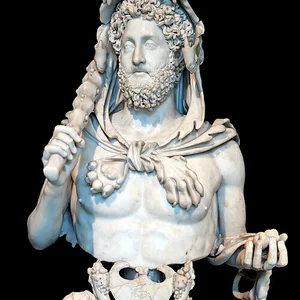
Commodus
161 — 192
Roman emperor from 180 to 192, son and successor of Marcus Aurelius. His authoritarian and eccentric reign marked the end of the Antonine dynasty and the close of the imperial golden age. He was assassinated in 192, opening a period of turmoil.
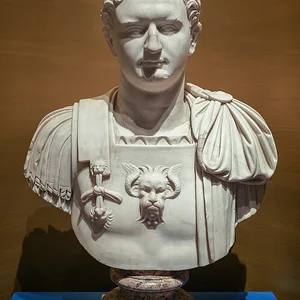
Domitian
51 — 96
Domitian (51–96) was the third and last emperor of the Flavian dynasty. His authoritarian reign was marked by persecutions of Christians and senators, but also by efficient provincial administration.
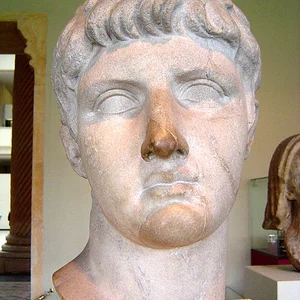
Drusus
37 av. J.-C. — 8 av. J.-C.
Roman general and statesman, son of Livia and stepson of Augustus. He led the campaigns of conquest in Germania as far as the Elbe before dying prematurely from the effects of a fall from his horse. He was the father of the emperor Claudius and of Germanicus.
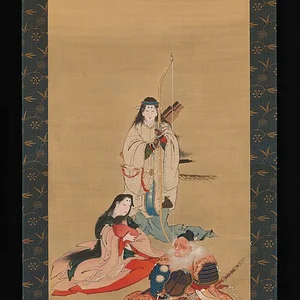
Empress Jingu
A legendary empress of Japan, Jingū is said to have reigned in the 3rd century according to Japanese chronicles. Tradition credits her with a military campaign against the Korean peninsula, carried out while she was pregnant. Her historical existence is unattested and she belongs to Japan's founding mythology.
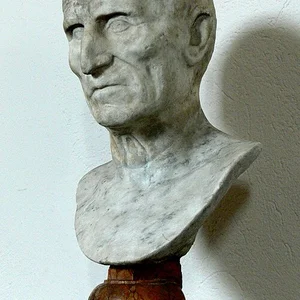
Galba
2 av. J.-C. — 69
Galba was the sixth Roman emperor, in power from 68 to 69. An elderly former governor from the high aristocracy, he came to the throne after the fall of Nero but was assassinated after only seven months of rule, opening the Year of the Four Emperors.
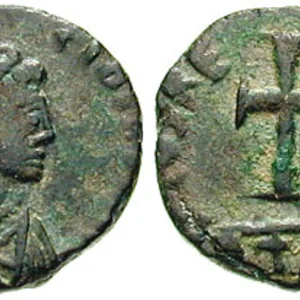
Galla Placidia
386 — 450
Daughter of Emperor Theodosius I, Galla Placidia was Augusta of the Western Roman Empire and regent for her son Valentinian III. A major political figure of the 5th century, she navigated barbarian invasions and court intrigues to preserve imperial power.
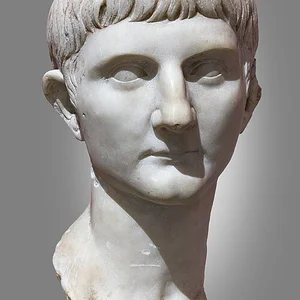
Germanicus
14 av. J.-C. — 19
Roman general of the early Empire, nephew and adopted son of the emperor Tiberius. Popular for his campaigns in Germania, he died in Syria in AD 19 under suspicious circumstances often blamed on Tiberius.
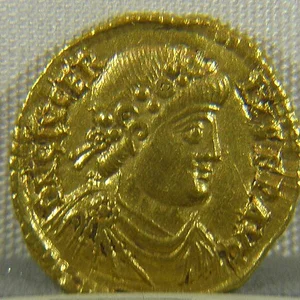
Glycerius
430 — 480
Glycerius was a Western Roman emperor who briefly reigned from 473 to 474, during the period of the Empire's collapse. Brought to power by the Burgundian general Gundobad, he was deposed by Julius Nepos and forced to become bishop of Salona.
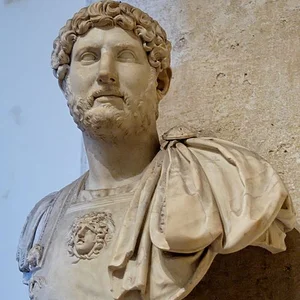
Hadrian
76 — 138
Hadrian was Roman emperor from 117 to 138 AD, successor to Trajan. A reformer and builder, he consolidated the Empire's borders and traveled to nearly all its provinces. A passionate admirer of Greek culture, he oversaw the construction of the Pantheon in Rome and Hadrian's Wall in Britannia.
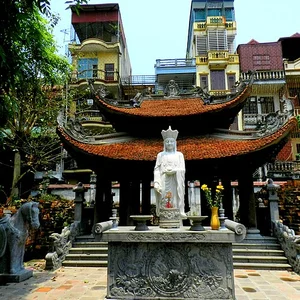
Hai Bà Trưng
Two Vietnamese sisters (died 43 CE) who led the first major uprising against Han rule in 40 CE. Trưng Trắc proclaimed herself queen after retaking 65 cities; defeated by General Mã Viện in 43 CE, they are revered as national heroines of Vietnam.
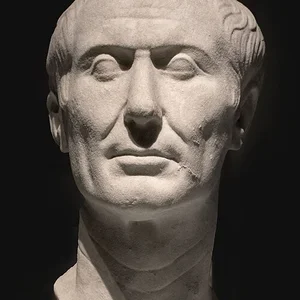
Julius Caesar
99 av. J.-C. — 43 av. J.-C.
Roman general and statesman (100–44 BC), Julius Caesar conquered Gaul between 58 and 50 BC and established his political dominance in Rome. His assassination in 44 BC hastened the fall of the Roman Republic.
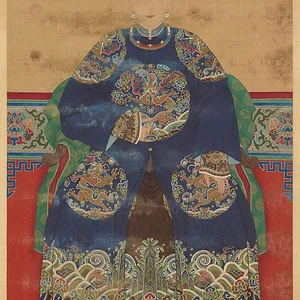
Lady Triệu
A Vietnamese warrior of the 3rd century, she led a revolt against Chinese Wu occupation at the age of 19. Known as 'Lady Triệu', she fought for six months before being defeated in 248 CE.
Man Thiện
A figure of Vietnamese tradition, Man Thiện is held to be the mother of the Trưng sisters (Trưng Trắc and Trưng Nhị). A descendant of the Hùng kings, she is said to have raised and supported her daughters in their uprising against the Chinese Han occupation, around 40 CE.
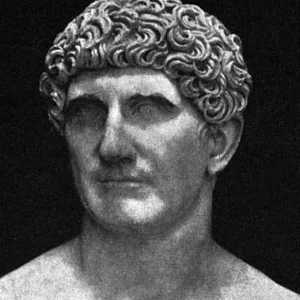
Mark Antony
82 av. J.-C. — 29 av. J.-C.
A Roman general of the 1st century BC, Mark Antony was one of the triumvirs who governed Rome after Caesar's assassination. Ally then rival of Octavian, he embodies the civil wars that tore the Roman Republic apart in its final years.
Mavia
400 — 425
Queen of the Tanukh Arabs in the 4th century, Mavia led a victorious war against the Roman Empire after the death of her husband. She negotiated peace from a position of strength and sent troops to defend Constantinople against the Goths.
Neoptolemus I
369 av. J.-C. — 350 av. J.-C.
Neoptolemus I was a historical king of Epirus in the 4th century BC, from the Aeacid dynasty of the Molossians. He is best known as the father of Olympias, wife of Philip II of Macedon, and thus the grandfather of Alexander the Great.
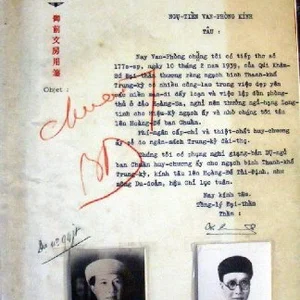
Phùng Thị Chính
Semi-legendary Vietnamese general who served under the Trưng sisters during the revolt against the rule of China's Han dynasty, around 40 AD. Tradition holds that she gave birth on the battlefield before returning to the fight, her newborn strapped to her back.
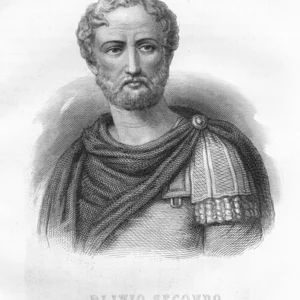
Pliny the Elder
20 — 79
Pliny the Elder was a Roman scholar and officer of the 1st century AD, author of the encyclopedic Natural History. A naturalist curious about everything, he died in 79 AD while attempting to observe the eruption of Mount Vesuvius that destroyed Pompeii.
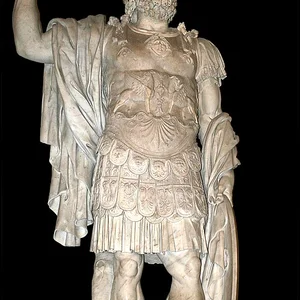
Pyrrhus
317 av. J.-C. — 271 av. J.-C.
Pyrrhus I (c. 319-272 BC) was king of Epirus and one of the most brilliant Hellenistic strategists. A cousin of Alexander the Great, he fought the Romans in Italy and the Carthaginians in Sicily, remaining the model of the general whose victories cost too much.
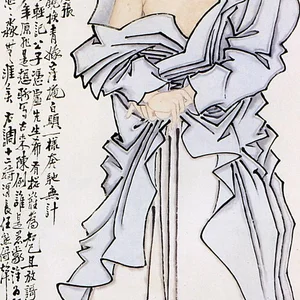
Ren An
124 — 202
Officer and court official of the Han dynasty under Emperor Wu (2nd–1st century BC). He is primarily known as the recipient of Sima Qian's famous letter, in which the historian justifies his acceptance of castration in order to complete the Records of the Grand Historian.
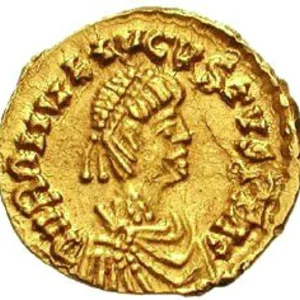
Romulus Augustulus
462 — ?
Last emperor of the Western Roman Empire, Romulus Augustulus reigned in 475–476 AD, placed on the throne by his father Orestes. Deposed at around age 15 by the Germanic chieftain Odoacer, his abdication marks the conventional end of the Western Roman Empire.
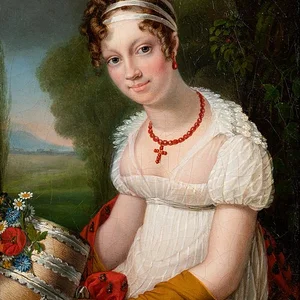
Saint George
Christian martyr of the 4th century, a Roman officer put to death under Diocletian around 303. His medieval legend — the fight against a dragon to rescue a princess — made him the symbol of chivalry and the victory of good over evil.
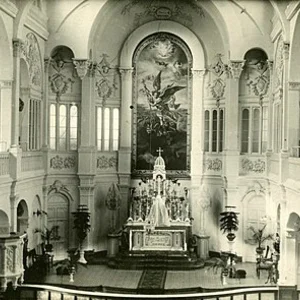
Saint Michael the Archangel
Commander of the heavenly armies in Jewish, Christian, and Muslim tradition, Saint Michael is first mentioned in the Book of Daniel (2nd century BC). Slayer of the dragon in the Book of Revelation, weigher of souls at the Last Judgment, he is also the patron of knights and the guardian saint of Mont-Saint-Michel.
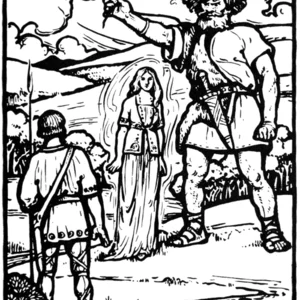
Scáthach
Scáthach is a legendary warrior and weapons master of Irish Celtic mythology. Living on the Isle of Skye, she trains the hero Cú Chulainn in the arts of combat and passes on to him the magical spear Gáe Bolg.
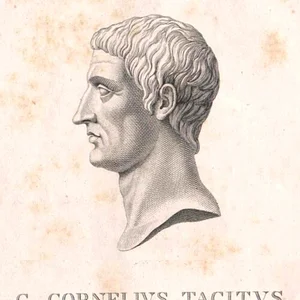
Tacitus
55 — 120
Tacitus is one of the greatest historians of ancient Rome. A senator and consul, he is the author of the Annals and the Histories, landmark works on the early Roman Empire. His incisive style and critical eye make him an irreplaceable witness to the imperial age.
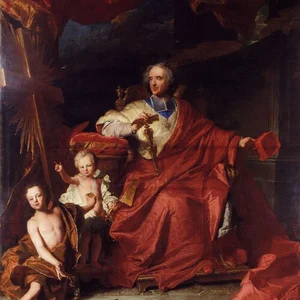
Theodosius I
Theodosius I was the last emperor to rule over the entire Roman Empire, both East and West. He made Nicene Christianity the official religion of the Empire through the Edict of Thessalonica in 380 and banned pagan worship.

Titus Vinius
12 — 69
Roman consul in 69 AD, Titus Vinius was one of Emperor Galba's most influential advisors. A central figure of the 'Year of the Four Emperors', he was assassinated during Otho's coup in January 69.
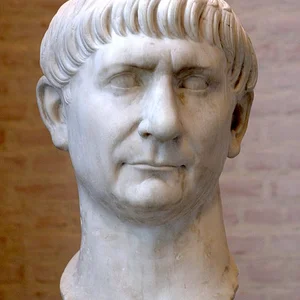
Trajan
53 — 117
Trajan (53–117) was the first Roman emperor born outside Italy, from the province of Hispania. His reign is considered the height of the Roman Empire, marked by major conquests and a generous social policy.
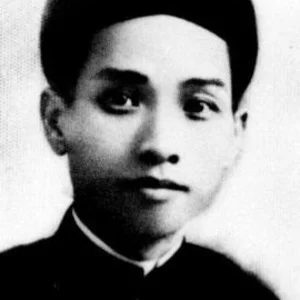
Trung Nhi
Younger sister of Trưng Trắc, she co-led the great Vietnamese revolt against Han Chinese domination in 40 CE. A formidable warrior, she played a key role in the temporary liberation of the country before their defeat by Chinese forces in 43 CE.
Trưng Trắc
Vietnamese national heroine who, alongside her sister Trưng Nhị, led a victorious revolt against Chinese Han rule in 40 CE. She briefly reigned over an independent kingdom before being defeated in 43 CE by the Chinese general Ma Yuan.

Varus
Roman general and statesman during the age of Augustus. As governor of Germania, he suffered a catastrophic defeat in AD 9 in the Teutoburg Forest, where three Roman legions were annihilated by a Germanic coalition led by Arminius. He took his own life on the battlefield.
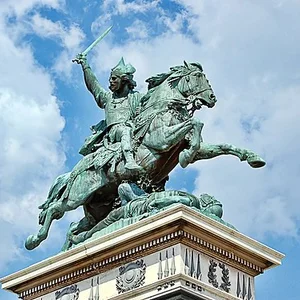
Vercingetorix
79 av. J.-C. — 45 av. J.-C.
Arverni chieftain (79–46 BC), Vercingetorix united the Gallic peoples against Julius Caesar's Roman invasion. Defeated at the Battle of Alesia in 52 BC, he stands as a symbol of Gallic resistance to Roman conquest.
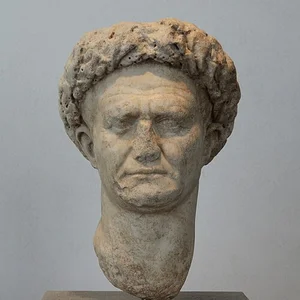
Vespasian
9 — 79
Vespasian (9–79 AD) was the ninth Roman emperor and founder of the Flavian dynasty. A general of equestrian background, he rose to power after the civil war of 69 AD. His reign marked a period of stability and reconstruction following the excesses of Nero.
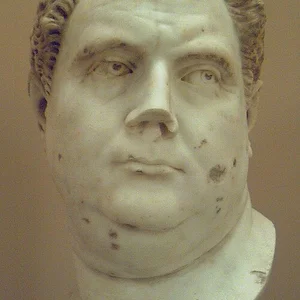
Vitellius
15 — 69
Aulus Vitellius was the eighth Roman emperor, proclaimed by the legions of Germania in 69 AD. His reign lasted only a few months before he was overthrown and killed by the supporters of Vespasian. He embodies the instability of the Year of the Four Emperors.
Middle Ages(58)

Abdallah ibn Saad
Arab general and administrator of the 7th century, foster brother of Caliph Uthman. As governor of Egypt, he led the conquest of Ifriqiya and commanded the first Muslim fleet to defeat the Byzantines.

Abu Lu'lu'a Fīrūz
A slave of Persian origin captured during the Arab conquests, he assassinated the second caliph of Islam, Umar ibn al-Khattab, in the mosque of Medina in 644. His act, driven by personal and fiscal grievances, left a lasting mark on the history of the young caliphate.

Amr ibn al-As
570 — 664
Amr ibn al-As (c. 573-664) was an Arab military commander and administrator, a companion of the Prophet Muhammad. He led the conquest of Byzantine Egypt on behalf of the caliphate and became its first governor, founding the city of Fustat.
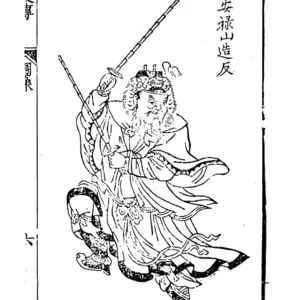
An Lushan
703 — 757
A general of Sogdian and Turkic origin in the service of the Tang dynasty, An Lushan rebelled in 755 against Emperor Xuanzong and proclaimed himself emperor of the short-lived Yan dynasty. His rebellion plunged China into a devastating civil war before his assassination in 757.
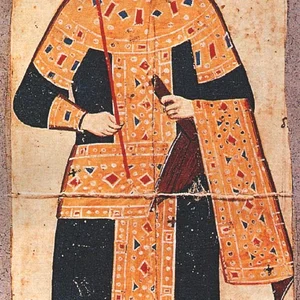
Andronikos III Palaiologos
1297 — 1341
Andronikos III Palaiologos (1297–1341) was Byzantine emperor from 1328 to 1341. He came to power after a civil war against his grandfather Andronikos II. His reign was marked by military campaigns and the rising power of the Ottoman Empire.
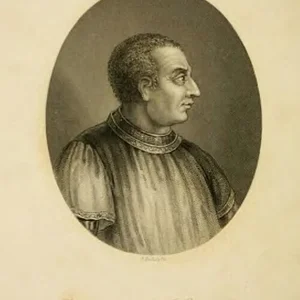
Bertrand du Guesclin
1320 — 1380
Bertrand du Guesclin (c. 1320-1380) was a Breton knight who became Constable of France under Charles V. A skilled strategist of the Hundred Years' War, he reconquered much of French territory from the English through guerrilla warfare and harassment tactics.
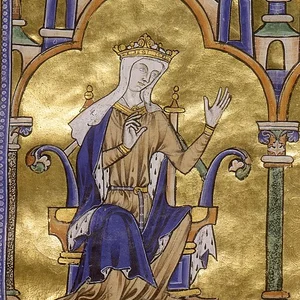
Blanche de Castille
1188 — 1252
Queen of France and regent, Blanche de Castille (1188–1252) governed the kingdom during the minority of her son Louis IX (Saint Louis) and again during his crusade. A woman of exceptional power, she successfully asserted royal authority against the great barons.
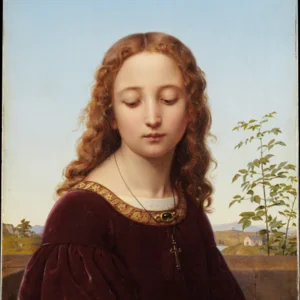
Börte
1161 — 1230
Börte was the first wife and principal empress of Genghis Khan. Abducted shortly after her marriage and then rescued by her husband, she ruled the imperial court and played a major political role, with her four sons becoming the heirs of the Mongol Empire.

Brynhildr
A Valkyrie from Norse mythology, Brynhildr is a central heroic figure in the Völsunga saga and the Nibelung cycle. An invincible warrior punished by Odin for disobeying his orders, she is imprisoned in a castle surrounded by flames until Sigurd frees her. Her tragic fate — woven from love, betrayal, and revenge — makes her one of the most complex heroines in the Germanic and Scandinavian traditions.
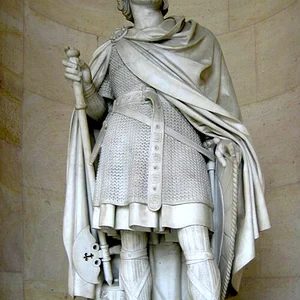
Charles Martel
688 — 741
Charles Martel was mayor of the palace of Austrasia and then de facto ruler of the kingdom of the Franks. Born into the Pippinid family, he imposed Carolingian authority and halted the Arab-Muslim advance at the Battle of Poitiers in 732. The grandfather of Charlemagne, he paved the way for the rise of the Carolingian dynasty.
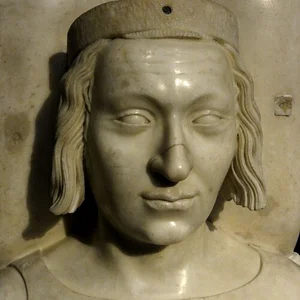
Charles V the Wise
1338 — 1380
King of France from 1364 to 1380, Charles V restored the kingdom after the defeats of the early Hundred Years' War. Thanks to his constable Du Guesclin, he reconquered nearly all the lost territory and reestablished royal authority.
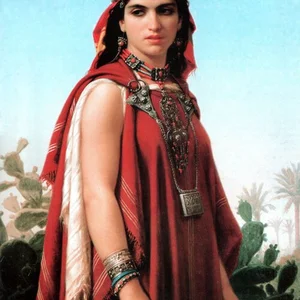
Dihya
668 — 703
A Berber queen and prophetess of the Djerawa people, Dihya led the resistance against the Arab conquest of North Africa in the late 7th century. Known as the Kahina ("the seeress"), she is a central figure in Amazigh memory, preserved chiefly through oral tradition.
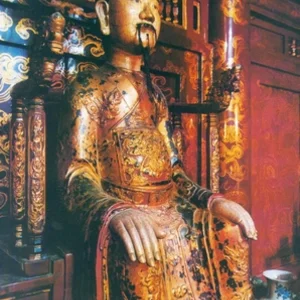
Đinh Bộ Lĩnh
924 — 979
Born in 924 in Đại Hoàng (present-day Ninh Bình), Đinh Bộ Lĩnh ended the War of the Twelve Warlords (loạn 12 sứ quân) and unified the country in 968 [1]. He founded the state of Đại Cồ Việt and became the first emperor of independent Vietnam after the period of Chinese domination (Bắc thuộc) [1].
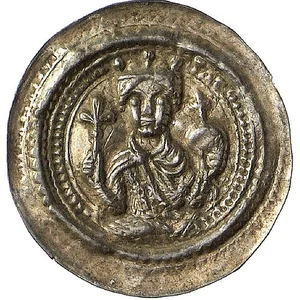
Frederick Barbarossa
1122 — 1190
Holy Roman Emperor from 1155 to 1190 and a major figure of the Hohenstaufen dynasty. He sought to restore imperial authority in Italy against the Lombard communes and the papacy, and drowned during the Third Crusade.
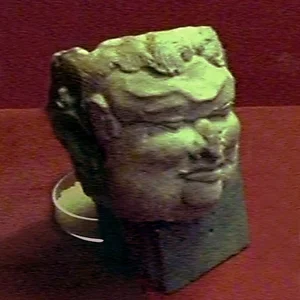
Gajah Mada
1290 — 1364
Gajah Mada was the Mahapatih (Prime Minister) of the Majapahit Empire in the 14th century. A strategist and conqueror, he pronounced the famous Palapa Oath, pledging to unify the entire Nusantara archipelago under Majapahit’s authority before tasting spices. He led the empire to its zenith and remains an Indonesian national hero.
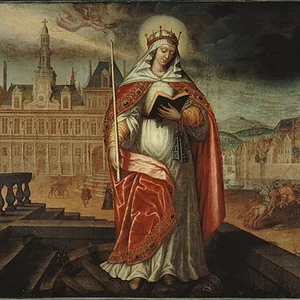
Geneviève de Paris
423 — 502
Christian saint born around 422, venerated for having protected Paris from Attila in 451 through her religious fervor. An advisor to Clovis I, she embodied the emerging alliance between the Church and Frankish royalty. Patron saint of Paris, her feast day is January 3.
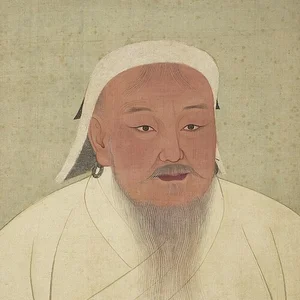
Gengis Khan
1162 — 1227
Founder and first Great Khan of the Mongol Empire, Genghis Khan unified the nomadic tribes of Central Asia in the early 13th century. His conquests created the largest contiguous empire in history.
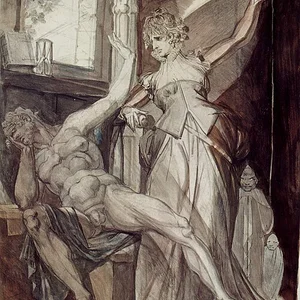
Gudrun
Tragic heroine of Germanic and Norse mythology, Gudrun/Kriemhild is the wife of the hero Sigurd/Siegfried. A figure of vengeance and grief, she embodies conjugal loyalty taken to the point of total destruction.
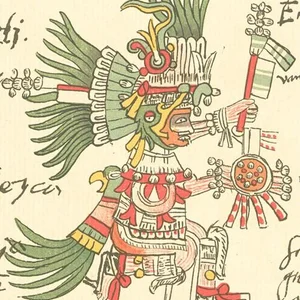
Huitzilopochtli
Huitzilopochtli is the god of war and the sun in Aztec mythology. The patron deity of the Mexica people, he guides them from Aztlan to the founding of Tenochtitlan. He lies at the heart of Aztec cosmology and the sacrificial rituals intended to feed the sun.
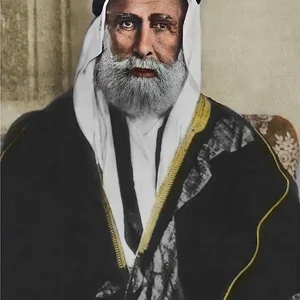
Husayn ibn Ali
626 — 680
Grandson of the prophet Muhammad and son of Ali, he is the third imam of Shia Islam. His refusal to pledge allegiance to the Umayyad caliph Yazid I led to his death at the Battle of Karbala in 680, a founding event of Shia Islam.
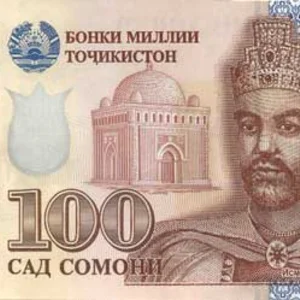
Ismail Samani
849 — 907
Ismail Samani (849-907) is the true founder of the Samanid Empire, the first great Persian dynasty to break free from the Abbasid caliphate. A visionary ruler and brilliant strategist, he made Bukhara a shining center of the Persian cultural and linguistic renaissance.
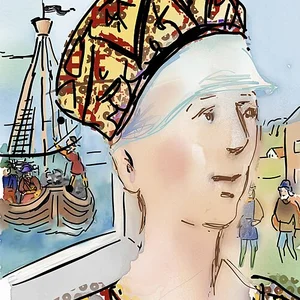
Jeanne de Clisson
1300 — 1359
A 14th-century Breton noblewoman, Jeanne de Clisson became a privateer after the execution of her husband Olivier IV de Clisson by the King of France in 1343. Nicknamed “the Lioness of Brittany,” she armed a fleet to wage a war of vengeance in the English Channel during the Hundred Years' War.
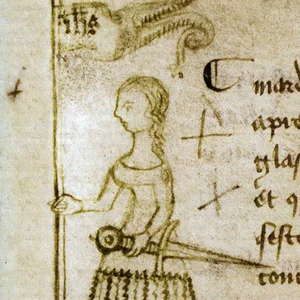
Joan of Arc
1412 — 1431
Joan of Arc (1412–1431) was a French heroine who played a decisive role during the Hundred Years' War. Inspired by religious visions, she led the French armies to several victories against the English. Captured, tried for heresy, and burned at the stake in Rouen, she became an iconic figure of France.
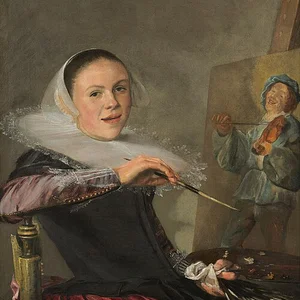
Judith
950 — ?
Legendary ruler of the Kingdom of Semien, Gudit led a revolt around 960 CE that overthrew the Aksumite dynasty of Ethiopia. This warrior queen is said to have reigned for several decades over the Ethiopian highlands, leaving a lasting mark on the collective memory of the region.
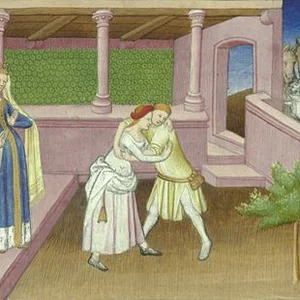
Khutulun
1260 — 1306
Mongol princess of the 13th century, great-niece of Kublai Khan and daughter of Khan Kaidu. A legendary warrior and wrestler, she challenged her suitors to wrestling matches and remained undefeated, winning horses with each victory.
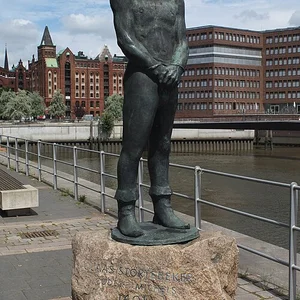
Klaus Störtebeker
1360 — 1401
Klaus Störtebeker was a German pirate of the late 14th century, a leading figure of the Vitalienbrüder (Victual Brothers). He raided the North Sea and the Baltic Sea, preying on ships of the Hanseatic League, before being captured and beheaded in Hamburg around 1401.
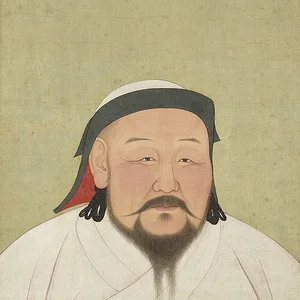
Kublai Khan
1215 — 1294
Grandson of Genghis Khan, Kublai Khan founded the Yuan dynasty in China and ruled from 1260 to 1294. He expanded the Mongol Empire to its greatest extent and opened China to international trade, most notably welcoming Marco Polo.
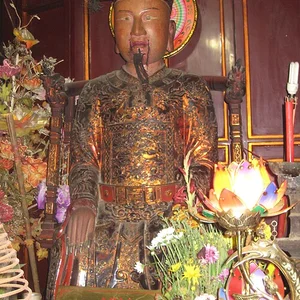
Lê Hoàn
941 — 1005
Founder of the Tiền Lê dynasty (980–1005), Lê Hoàn ruled Đại Cồ Việt for 25 years. A general under the Đinh dynasty who became regent and then emperor, he victoriously repelled the Song invasion in 981 and defended the country's independence.
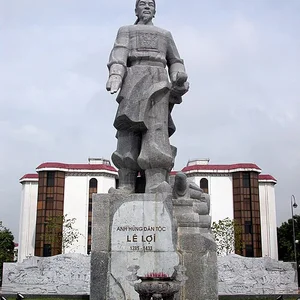
Lê Lợi
1384 — 1433
Vietnamese military and political leader (1385–1433), he led ten years of resistance against Ming occupation (1418–1428) and founded the Later Lê dynasty by restoring the independence of Đại Việt.
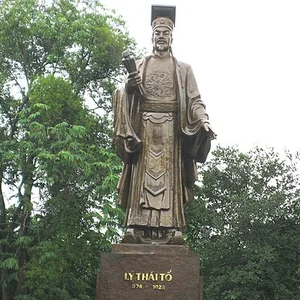
Lý Thái Tổ
974 — 1028
Founder of the Lý dynasty in Vietnam (1009–1028), he moved the capital from Hoa Lư to Đại La, renaming it Thăng Long (present-day Hanoi) in 1010, inaugurating over a thousand years of the Vietnamese capital's history.
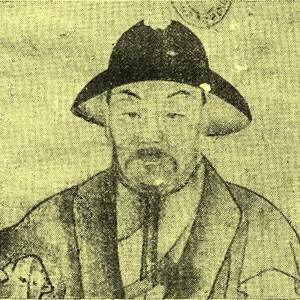
Lý Thường Kiệt
1019 — 1105
General and statesman of Đại Việt (1019–1105), he served under three emperors of the Lý dynasty. Renowned for his preemptive strike against the Song prefectures (1075–1076) and his victory against the Song invasion, he is regarded as one of the greatest military heroes in Vietnamese history.
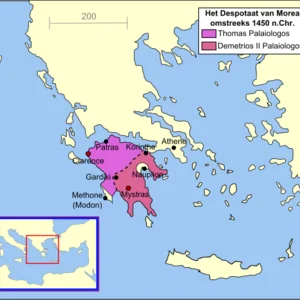
Manuel I
1326 — 1380
Manuel Kantakouzenos was Despot of the Morea in the fourteenth century, ruling the Byzantine despotate of the Peloponnese. Son of Emperor John VI Kantakouzenos, he defended Byzantine presence in Greece against the Ottomans and the Latins.
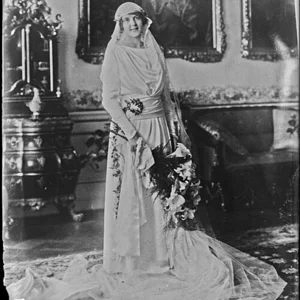
Margaret I of Denmark
Regent and then de facto sovereign of Denmark, Norway, and Sweden, she founded the Kalmar Union in 1397, uniting the three Scandinavian kingdoms under a single crown. Considered the most influential woman of power in the Nordic Middle Ages.

Mas'ud I of Ghazni
Sultan of the Ghaznavid Empire from 1030 to 1040, son of Mahmud of Ghazni. He led numerous military campaigns but was crushed by the Seljuks at the Battle of Dandanaqan (1040), hastening the decline of his empire.
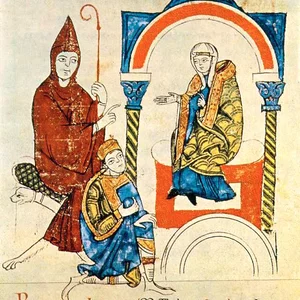
Matilda of Tuscany
1040 — 1115
Countess of Tuscany (1046–1115), Matilda was one of the most powerful women of the medieval Western world. An unwavering ally of the papacy, she played a decisive role in the Investiture Controversy, hosting at her Castle of Canossa the famous penance of Henry IV before Gregory VII in 1077.
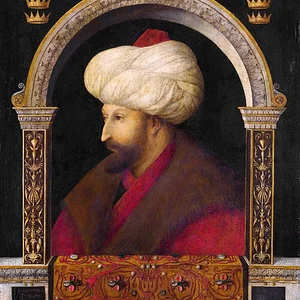
Mehmed
Ottoman Sultan (1432–1481), Mehmed II captured Constantinople in 1453, bringing the Byzantine Empire to an end. This event traditionally marks the close of the Middle Ages in Western historiography.
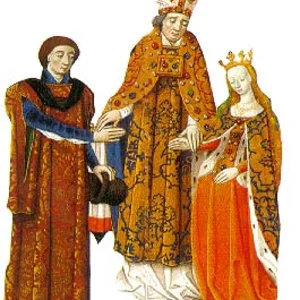
Melisende of Jerusalem
1105 — 1161
Queen of Jerusalem from 1131 to 1153, Melisende was one of the most powerful rulers of the Crusader States. She governed with authority, resisting attempts by her son Baldwin III to remove her from power.

Mohammed ben Toughlouq
Sultan of the Delhi Sultanate from 1324 to 1351, Muhammad ibn Tughluq was one of the most ambitious and controversial rulers of medieval India. A bold reformer, he attempted to relocate the capital from Delhi to Daulatabad and to introduce copper currency — projects that failed and ruined the sultanate.
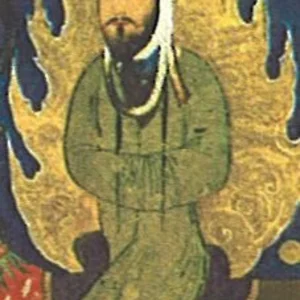
Muhammad
571 — 632
Born around 571 in Mecca, Muhammad is the founder of Islam and the prophet of the Muslim faith. A merchant turned preacher, he received what he believed to be a divine revelation at the age of 40 and united the Arab tribes under a new monotheistic religion.
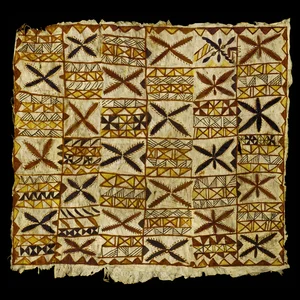
Nafanua
A warrior goddess of Samoan mythology, Nafanua is a central figure of feminine power in Polynesia. According to the oral traditions of the Samoan people, she led armies to victory and contributed to the unification of the Samoan islands in the pre-colonial era.

Naré Maghann Konaté
1135 — 1212
King of Manding in the 12th century, Naré Maghann Konaté is best known as the father of Sundiata Keita, founder of the Mali Empire. According to Mande oral tradition, a prophecy foretold that he would father a conqueror who would unite the Mande peoples.
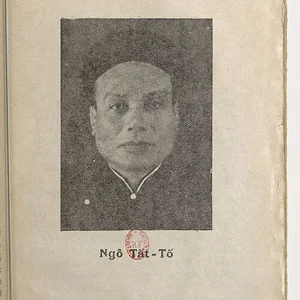
Ngô Quyền
897 — 944
Ngô Quyền (898–944) was the first king of the Ngô dynasty in Vietnam. In 938, he led the Vietnamese resistance and crushed the Southern Han fleet at the Battle of Bạch Đằng, ending nearly a millennium of Chinese domination and ushering in an era of lasting independence [1].
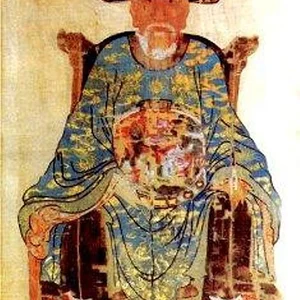
Nguyễn Trãi
Nguyễn Trãi (1380–1442) was a Vietnamese scholar, poet, and statesman, a central figure in the resistance against Ming occupation of Đại Việt. Strategic adviser to Lê Lợi during the Lam Sơn uprising, he is one of the founding fathers of the Hậu Lê dynasty and a cornerstone of classical Vietnamese literature.

Nuh ibn Mansur
Nuh ibn Mansur (961–997) was the Samanid emir who ruled over Khorasan and Transoxiana. His reign witnessed the flourishing of Persian culture, and he welcomed the young Avicenna to his court, where the latter began his medical career.

Razia Sultana
The first woman to reign over the Delhi Sultanate (1236–1240), Razia Sultana was chosen by her father Iltutmish as his successor. She led her armies in person and governed unveiled, defying the conventions of her era, before being overthrown and killed by a coalition of nobles.
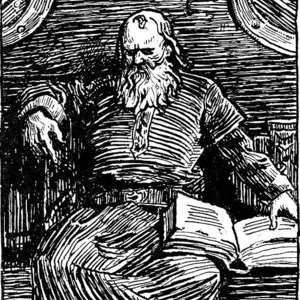
Snorri Sturluson
1179 — 1241
Icelandic writer, historian, and politician of the 13th century (1179–1241). He is the author of the Prose Edda, a major source on Norse mythology, and the Heimskringla, a chronicle of the kings of Norway.

Soundiata Keïta
1190 — 1255
Founder of the Mali Empire in the 13th century, Soundiata Keïta united the Mandinka peoples and defeated King Soumaoro Kanté at the Battle of Kirina (c. 1235). His epic, passed down by griots, is one of the great works of African oral literature.
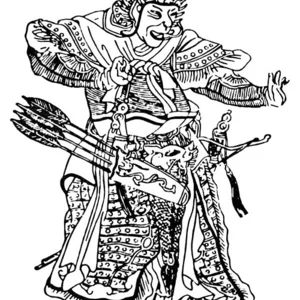
Subutai
1175 — 1248
Subutai was the principal general and strategist of Genghis Khan, and later of his son Ögedei. The architect of the great Mongol campaigns, he is regarded as one of the most brilliant military commanders in history, having led armies from China all the way to the gates of Central Europe.

Sumanguru Kante
King of the Sosso Kingdom in the 13th century, Sumanguru Kante was a formidable ruler who dominated West Africa following the fall of the Ghana Empire. He was defeated by Sundiata Keita at the Battle of Kirina around 1235, an event that marked the birth of the Mali Empire.
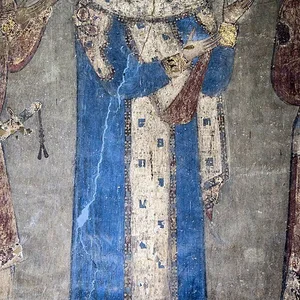
Tamar of Georgia
1166 — 1213
Queen of Georgia (1184–1213), the first woman to rule alone over this Caucasian kingdom. Her reign marks the Georgian Golden Age: territorial expansion, cultural and religious flourishing, and decisive military victories against the Seljuks.
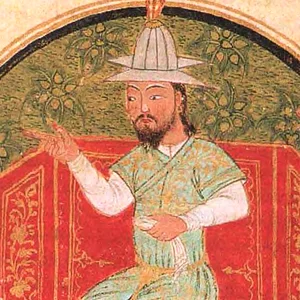
Tamerlane
1336 — 1405
Timur, known as Tamerlane (“Timur the Lame”), was a Turco-Mongol conqueror who built one of the vastest empires of the 14th century, stretching from Anatolia to India. Claiming descent from Genghis Khan, he subdued dozens of kingdoms through fearsome violence. His capital, Samarkand, shone as a great center of Islamic culture and architecture.
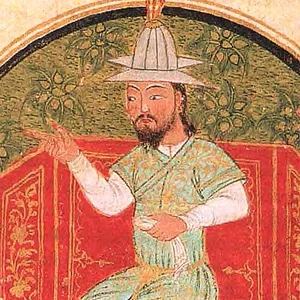
Tamerlane
1336 — 1405
A Turco-Mongol conqueror of the 14th century, Tamerlane founded an empire stretching from Anatolia to India. His military campaigns, marked by extreme violence, reshaped the map of Central Asia.
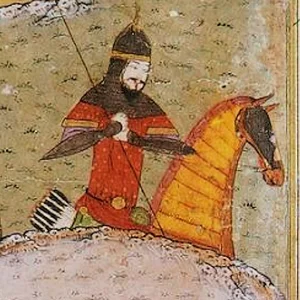
Tokhtamysh
1342 — 1406
Tokhtamysh was one of the last great khans of the Golden Horde, managing to reunify this fragmented Mongol empire in the late 14th century. Backed by Tamerlane before becoming his rival, he sacked Moscow in 1382 and clashed with the Timurid army several times, suffering devastating defeats that sealed the decline of the Horde.
Tomoe Gozen
1157 — 1247
Tomoe Gozen is one of the rare female samurai (onna-musha) in Japanese history. An exceptional warrior in the service of Minamoto no Yoshinaka, she distinguished herself during the Genpei War (1180–1185) through her mastery of the bow, the sword, and horsemanship.
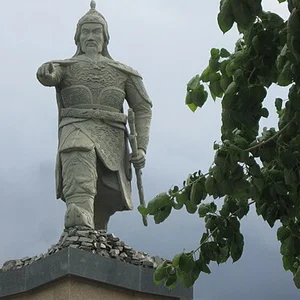
Trần Hưng Đạo
1228 — 1300
Vietnamese prince and great general of the Trần dynasty (c. 1228–1300), he commanded the armies of Đại Việt during the three Mongol-Yuan invasions (1258, 1285, 1288) and repelled each one, most notably through the decisive victory on the Bạch Đằng River.
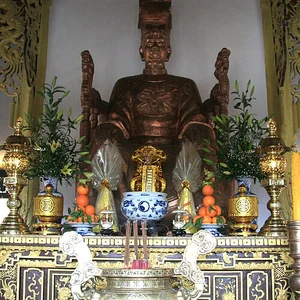
Trần Nhân Tông
1258 — 1308
Third emperor of the Trần dynasty in Đại Việt (r. 1278–1293), he led the victorious resistance against two Mongol invasions under Kublai Khan (1285, 1287). After abdicating, he became a Buddhist monk and founded the Trúc Lâm Yên Tử sect, the first truly Vietnamese school of Chan meditation.
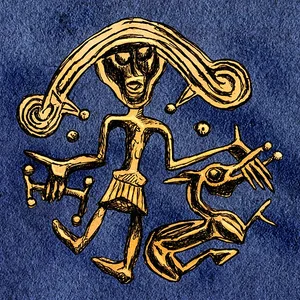
Tyr
Týr is the Germanic god of war and justice in Norse mythology. He is famous for having sacrificed his right hand during the binding of the wolf Fenrir, a symbol of courage and martial honor. His name gave rise to “Tuesday” in English and “Dienstag” in German.
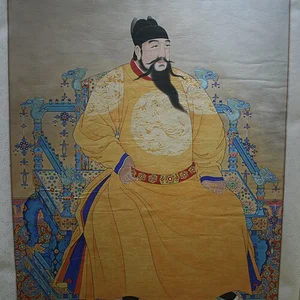
Yongle
Third emperor of the Ming dynasty (1402–1424), Yongle is known for moving the capital to Beijing, commissioning Zheng He's great maritime expeditions, and consolidating Chinese imperial power.
Renaissance(39)
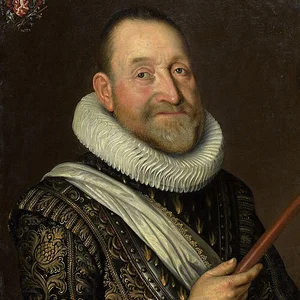
Agrippa d'Aubigné
1552 — 1630
French writer, poet, and soldier, a major figure of Protestantism. A companion-in-arms of Henri de Navarre (the future Henri IV), he is the author of Les Tragiques, a great epic of the Wars of Religion.
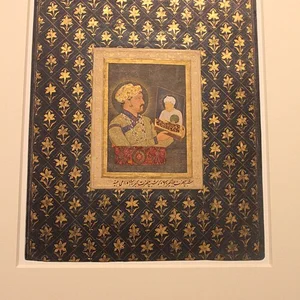
Akbar the Great
The third emperor of the Mughal dynasty, Akbar ruled over northern India from 1556 to 1605. A brilliant military strategist and administrator, he left his mark on history through his policy of religious tolerance toward Hindus and Muslims alike.
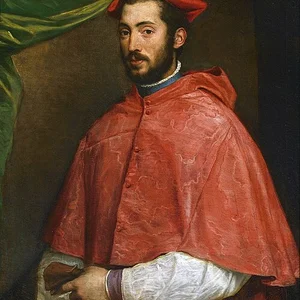
Alessandro Farnese
1520 — 1589
Italian general and statesman in the service of Spain, governor of the Spanish Netherlands. A renowned strategist of his time, he was meant to support the Spanish Armada in 1588 to invade England, a threat referenced by Elizabeth I in her Tilbury speech.
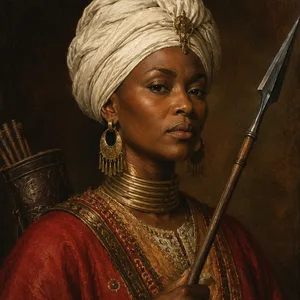
Amina de Zaria
1533 — 1610
Warrior princess of the Hausa city-state of Zazzau (present-day Nigeria), she reigned around 1576–1610 and led numerous military campaigns that significantly expanded her kingdom's territory. The first woman to rule Zazzau, she has become a symbol of female power in West Africa.
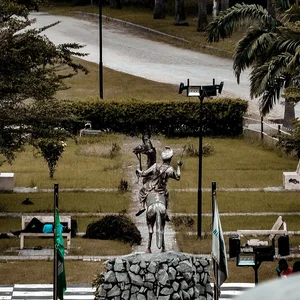
Amina of Zazzau
A Hausa warrior queen of the kingdom of Zazzau (present-day Zaria, Nigeria), Amina reigned around the 16th century according to Hausa oral traditions. She greatly expanded her kingdom's territory through military conquest and is celebrated as a symbol of female power in Hausa collective memory.
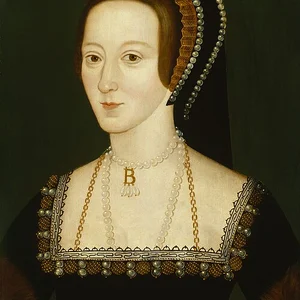
Anne Boleyn
1507 — 1536
Queen of England from 1533 to 1536, Anne Boleyn was the second wife of Henry VIII. Her marriage required England's break with Rome, giving rise to the Church of England. Mother of Elizabeth I, she was accused of adultery and beheaded at the Tower of London.
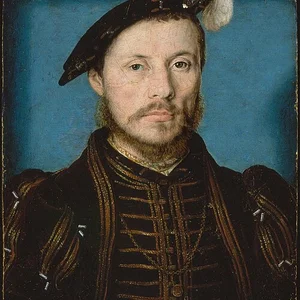
Anne de Montmorency
1493 — 1567
Anne de Montmorency (1493-1567) was Constable of France and one of the most powerful servants of kings Francis I and Henry II. A great military leader and statesman, he left a lasting mark on the town of Pézenas, where he established his power as governor of Languedoc.
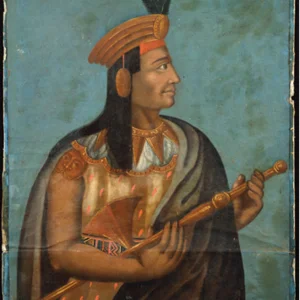
Atahualpa
1500 — 1533
The last Inca emperor, Atahualpa seized power at the end of a civil war against his brother Huáscar. Captured by Francisco Pizarro's Spanish conquistadors in 1532, he was executed in 1533, marking the collapse of the Inca Empire.
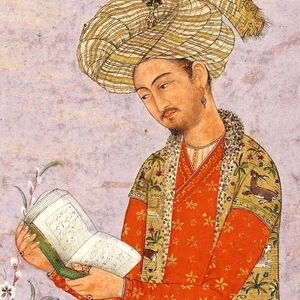
Babur
1483 — 1530
Founder of the Mughal Empire, Babur was a Timurid prince who, after losing Samarkand, conquered India in 1526 at the Battle of Panipat. A refined poet and memoirist, he left behind the Baburnama, one of the earliest autobiographies in Islamic literature.
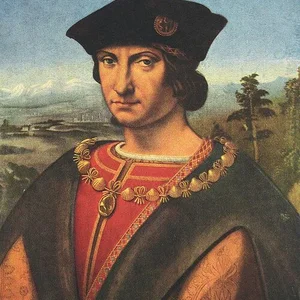
Charles d'Amboise
Lord of Chaumont and governor of the Duchy of Milan on behalf of Louis XII, Charles d'Amboise (1473–1511) was one of the leading French military commanders during the Italian Wars. He is particularly known for having been Leonardo da Vinci's patron in Milan.
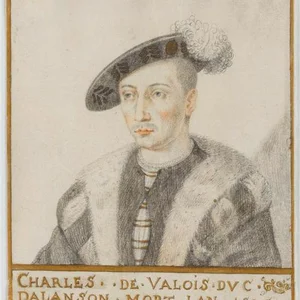
Charles IV of Alençon
1489 — 1525
Charles IV of Alençon (1489-1525) was Duke of Alençon and Count of Perche, a prince of the blood and a great aristocrat during the reign of Francis I. Husband of Marguerite of Angoulême (the future Marguerite of Navarre), he took part in the Battle of Pavia in 1525.
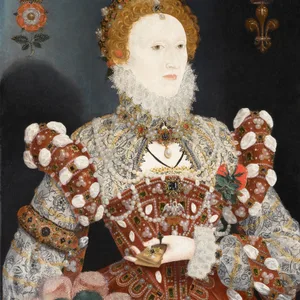
Elizabeth I
Queen of England and Ireland from 1558 to 1603, daughter of Henry VIII and Anne Boleyn. Her reign, the “Elizabethan era,” marks a golden age of culture and the consolidation of Protestantism in England. She embodies the figure of the “Virgin Queen,” an absolute sovereign who never married any of her suitors.
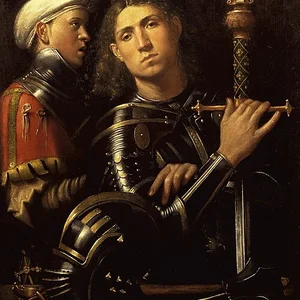
Erasmo da Narni (Gattamelata)
A fifteenth-century Italian condottiere, Erasmo da Narni — nicknamed "Gattamelata" (the honeyed cat) — was one of the greatest mercenary military commanders of his time. He is best known for inspiring Donatello to create the first large equestrian bronze statue of the Renaissance, erected in Padua.

Fabrizio Moncada
1535 — 1579
Fabrizio Moncada was a Sicilian nobleman and politician from the powerful Moncada family, of Catalan origin, established in Sicily and playing a key role in the administration of the kingdom under Hispanic rule during the 15th and 16th centuries.
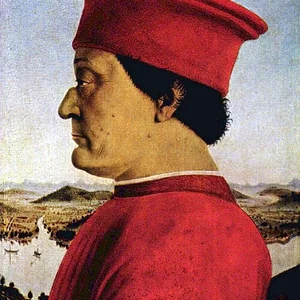
Federico da Montefeltro
1422 — 1482
Condottiere and lord of Urbino (1422–1482), Federico da Montefeltro was one of the most cultured princes of the Italian Renaissance. An exceptional patron of the arts, he made Urbino a major artistic center, commissioning his famous profile portrait from Piero della Francesca.
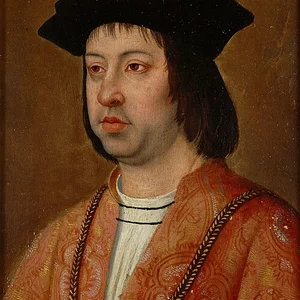
Ferdinand II of Aragon
1452 — 1516
King of Aragon, Ferdinand II married Isabella of Castile in 1469, uniting the two great Iberian crowns. Together, the “Catholic Monarchs” completed the Reconquista in 1492, financed Christopher Columbus's voyage, and laid the foundations of modern Spain.
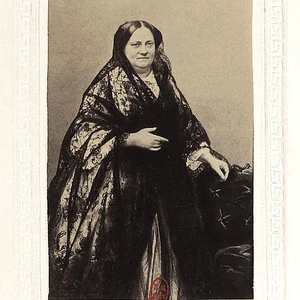
Ferdinand II of Spain
King of Aragon and, through his marriage to Isabella of Castile, co-ruler of a unified Spain. He completed the Reconquista in 1492 and funded Christopher Columbus's voyages, laying the foundations of the Spanish colonial empire.
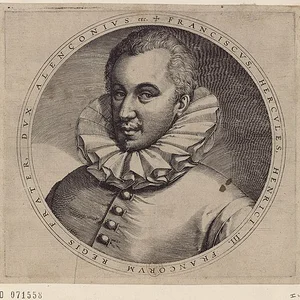
Francis of Anjou
The youngest son of Henry II and Catherine de' Medici, he was an ambitious figure of the Wars of Religion. Leader of the “Malcontents,” a suitor for the hand of Elizabeth I, and briefly sovereign of the rebellious Netherlands, his death in 1584 opened the crisis of succession to the French throne.
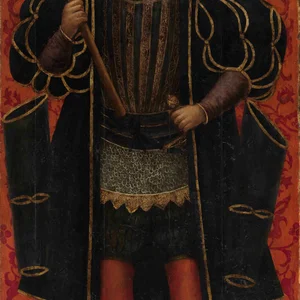
Francisco de Almeida
1450 — 1510
First Viceroy of Portuguese India (1505–1509), Francisco de Almeida consolidated the Lusitanian presence in the Indian Ocean. He won the decisive Battle of Diu (1509) against the Ottoman-Egyptian fleet, securing Portuguese maritime supremacy in Asia.
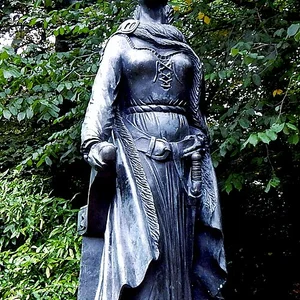
Grace O'Malley
1539 — 1599
Irish clan chief and navigator of the 16th century, nicknamed the “pirate queen.” At the head of the Ó Máille fleet, she scoured the west coast of Ireland through raiding and tolls, and negotiated in person with Elizabeth I of England.
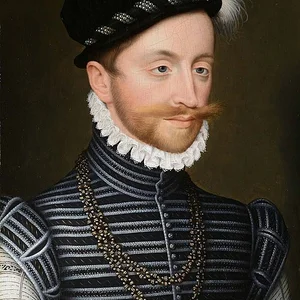
Henri I de Montmorency
1534 — 1614
Henri I de Montmorency (1534-1614) was a great French lord and military commander, governor of Languedoc for half a century. A Marshal and then Constable of France, he played a major role during the Wars of Religion and in the service of Henry IV.
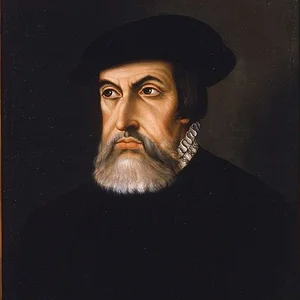
Hernán Cortés
1485 — 1547
Spanish conquistador (1485–1547) who conquered the Aztec Empire in the early 16th century. Setting out from Cuba in 1519, he led an expedition that culminated in the fall of Tenochtitlan in 1521, marking the beginning of Spanish dominance in Mesoamerica.
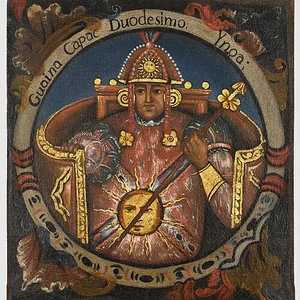
Huayna Cápac
1464 — 1525
Huayna Cápac was the eleventh Sapa Inca, ruler of the Inca Empire (Tahuantinsuyu) at its greatest territorial extent. He reigned from roughly 1493 to 1527 and expanded the empire northward as far as present-day Ecuador. His death, probably caused by an epidemic that arrived from Europe, triggered a war of succession between his sons Huáscar and Atahualpa.
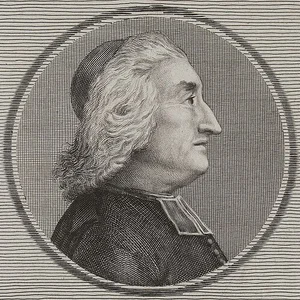
Jean Fleury
1480 — 1527
Jean Fleury, known as Florin, was a Norman privateer in the service of the Dieppe shipowner Jean Ango. In 1523, off the Azores, he seized part of the Aztec treasure that Hernán Cortés was shipping to Charles V, revealing to Europe the fabulous riches of the New World.

Joanna la Beltraneja
Castilian princess, acknowledged daughter of King Henry IV of Castile, claimant to the throne upon his death in 1474. Her contested legitimacy triggered a war of succession that pitted her against her aunt Isabella the Catholic. Defeated, she withdrew to Portugal where she ended her days.
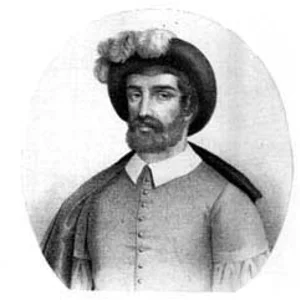
Juan Sebastián Elcano
1486 — 1526
Spanish navigator and sailor (c. 1476–1526), he took command of Magellan's expedition after the latter's death in the Philippines and completed the first circumnavigation of the globe in 1522, returning the Victoria to Seville.
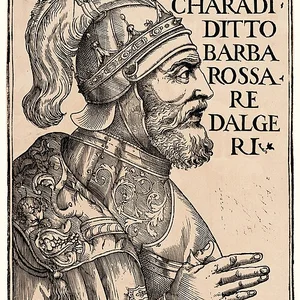
Khayr ad-Dîn Barbarossa
A corsair of Greek origin who became commander-in-chief of the Ottoman fleet under Suleiman the Magnificent. He dominated the western Mediterranean in the 16th century and turned the Regency of Algiers into an Ottoman stronghold.
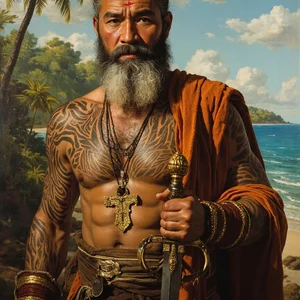
Lapu-Lapu
1491 — 1542
Lapu-Lapu was the datu (chief) of the island of Mactan in the Philippines. He is famous for defeating and killing the explorer Ferdinand Magellan at the Battle of Mactan on April 27, 1521, thus repelling the first Spanish attempt to conquer the Philippines.
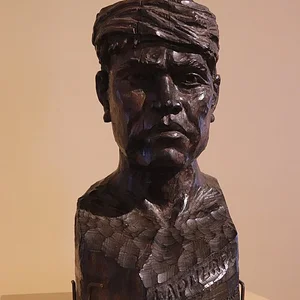
Lapulapu
1492 — 1542
A warrior chieftain from the island of Mactan in the Philippines, Lapulapu is famous for defeating and killing the explorer Ferdinand Magellan on April 27, 1521. He is considered the first national hero of the Philippines for resisting European colonization.
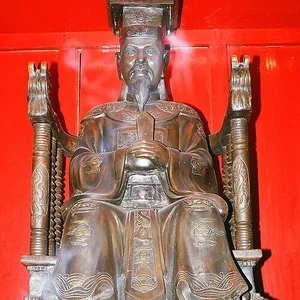
Lê Thánh Tông
1442 — 1497
Fifth emperor of Vietnam's Lê sơ dynasty (r. 1460–1497), he promulgated the Hồng Đức legal code and carried out sweeping reforms of the administration, education, and military. He conquered the Kingdom of Champa in 1471, permanently extending Vietnamese territory southward. A prolific poet, he founded the Tao Đàn literary circle and left more than 350 poems in classical Chinese. [1]
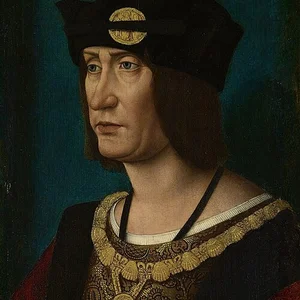
Louis XII
1462 — 1515
King of France from 1498 to 1515, Louis XII was nicknamed “Father of the People” for his fiscal and judicial reforms. He waged numerous Italian Wars to assert his claims over Milan and Naples.
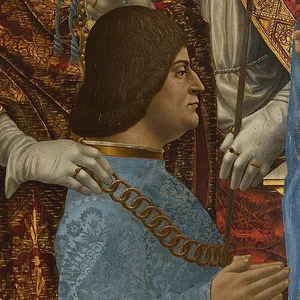
Ludovic Sforza
1452 — 1508
Duke of Milan from 1494 to 1499, nicknamed "il Moro" (the Moor), he was one of the most powerful princes in Renaissance Italy. A celebrated patron of the arts, he brought Leonardo da Vinci to his court and played a key role in the Italian Wars before being overthrown by Louis XII.
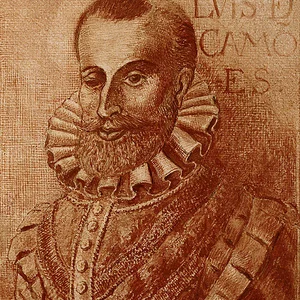
Luís de Camões
1524 — 1580
Luís de Camões (c. 1524–1580) is the greatest poet of the Portuguese language. A soldier and adventurer, he lived in Portugal, Africa, India, and Macau. His epic Os Lusíadas (1572) celebrates the Portuguese discoveries and remains a monument of world literature.
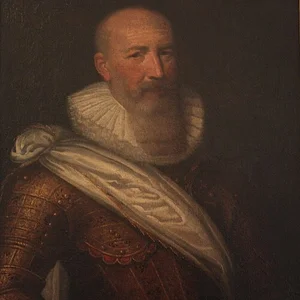
Maximilien II
Maximilien II (1527–1576) was Holy Roman Emperor from 1564 to 1576. The son of Ferdinand I, he pursued a policy of relative religious tolerance amid tensions between Catholics and Protestants, seeking to preserve the unity of the Empire during the height of the Reformation.
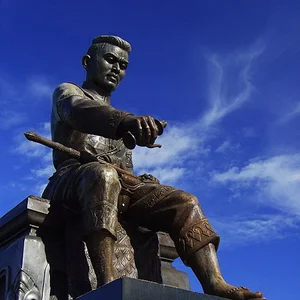
Naresuan
1555 — 1605
Naresuan the Great is the king of Ayutthaya who liberated the Siamese kingdom from Burmese domination at the end of the 16th century. A formidable strategist, he is famous for his elephant-back duel against the Burmese crown prince in 1593, a victory that sealed his people's independence.
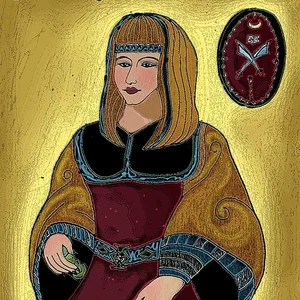
Sayyida al-Hurra
1485 — 1561
Born into an Andalusian family exiled after the fall of Granada, Sayyida al-Hurra became governor of Tétouan in the early 16th century. An ally of the corsair Barbarossa of Algiers, she led privateering campaigns in the western Mediterranean against the Iberian powers and was one of the few women to rule as a sovereign in the Muslim world of her time.
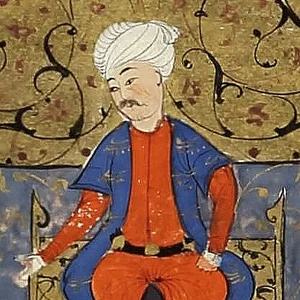
Selim I
1470 — 1520
Ottoman sultan from 1512 to 1520, Selim I tripled the size of the Empire by conquering Egypt, Syria, and the Hejaz. Nicknamed “the Grim,” he crushed the Safavids at Chaldiran and made the Ottoman sultan the guardian of Islam’s Holy Sites.
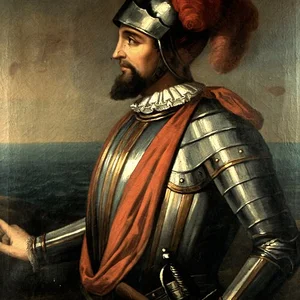
Vasco Núñez de Balboa
1475 — 1519
Spanish conquistador born around 1475, Balboa was the first European to see the Pacific Ocean from the New World in 1513. He crossed the Isthmus of Panama at the head of an expedition and claimed the “South Sea” in the name of the Spanish Crown.
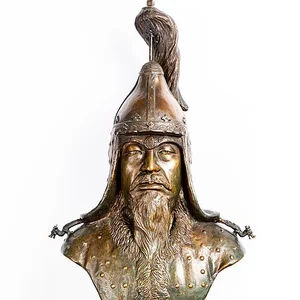
Yi Sun-sin
1545 — 1598
Korean admiral of the Joseon dynasty, regarded as one of the greatest naval strategists in history. He successfully defended Korea against the Japanese invasions of the late 16th century without ever losing a battle.
Early Modern(66)
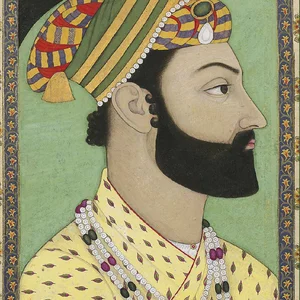
Ahmad Shah Durrani
1722 — 1772
Ahmad Shah Durrani (1722-1772) was the founder of the Durrani Empire and is regarded as the father of the Afghan nation. A former general under Nader Shah of Persia, he unified the Pashtun tribes after Nader Shah's assassination and built an empire stretching from Persia to Northern India.
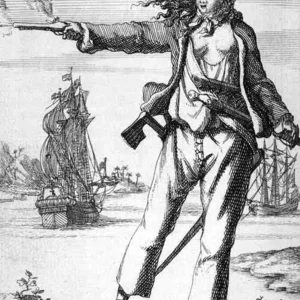
Anne Bonny
1697 — ?
Anne Bonny was a pirate of Irish origin active in the Caribbean in the early 18th century. The companion of the pirate Calico Jack Rackham, she fought at his side and became one of the few known women of the “Golden Age of Piracy.” Captured in 1720, she escaped hanging by declaring herself pregnant.
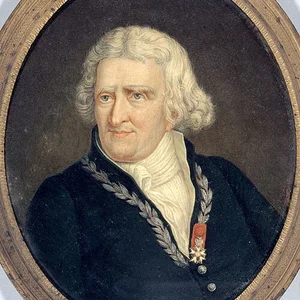
Antoine Parmentier
1737 — 1813
French military pharmacist and agronomist (1737-1813), famous for popularizing the potato as a food staple in France. A prisoner of war in Prussia, he discovered the nutritional value of the tuber and convinced Louis XVI to lift the ban on its cultivation.
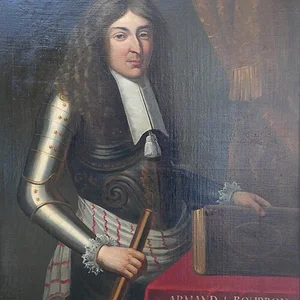
Armand de Bourbon-Conti
1629 — 1666
A prince of the blood and the youngest child of Henri II de Bourbon-Condé, Armand de Bourbon-Conti (1629-1666) was one of the leaders of the Fronde of the Princes before rallying to Louis XIV. Having become governor of Languedoc and Count of Pézenas, he was Molière's first patron.
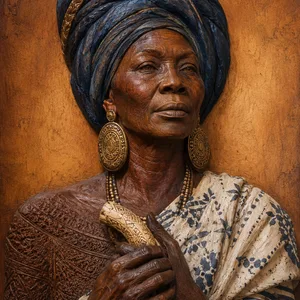
Bakwa Turunku
1468 — 1566
Queen of the kingdom of Zazzau (present-day Zaria, Nigeria) in the 16th century, Bakwa Turunku founded the city of Zaria around 1536. She is the mother of the famous warrior queen Amina of Zaria, a symbol of female power in West Africa.
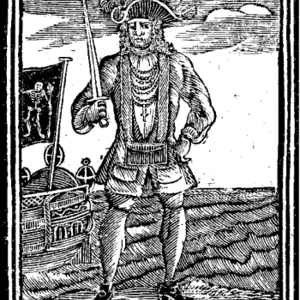
Bartholomew Roberts
1682 — 1722
Bartholomew Roberts, known as “Black Bart,” was a Welsh pirate considered the most prolific of the Golden Age of Piracy. In barely three years (1719–1722), he captured more than 400 ships across the Atlantic and the Caribbean before being killed in battle by the Royal Navy.
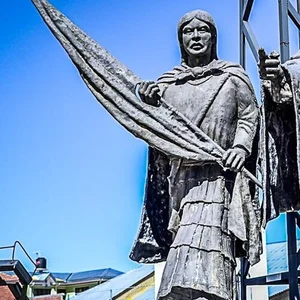
Bartolina Sisa
1750 — 1782
Bartolina Sisa is a heroic figure of the Aymara people and wife of Túpac Katari. Around 1781–1782, she co-led the siege of La Paz against Spanish colonial forces. Captured, she was executed by the Spanish in 1782 and is today revered as a symbol of indigenous resistance in Bolivia.
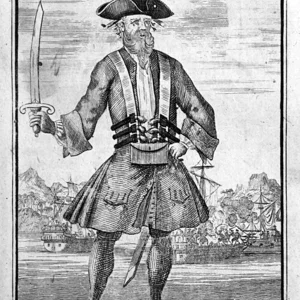
Blackbeard
1680 — 1718
Edward Teach, known as Blackbeard, was one of the most famous pirates of the early 18th century. He roamed the Caribbean and the Atlantic coast of North America aboard the Queen Anne's Revenge, spreading terror through his carefully cultivated reputation, before being killed in battle in 1718.
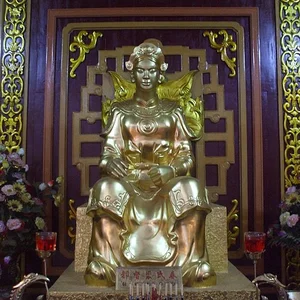
Bùi Thị Xuân
1752 — 1802
Vietnamese general (1752–1802), one of the five great heroines of the Tây Sơn dynasty. Wife of General Trần Quang Diệu, she commanded the war elephant corps and distinguished herself against Siamese and Manchu armies. Captured after the fall of the Tây Sơn, she was executed by elephant in 1802.
Cabeza de Vaca
A 16th-century Spanish conquistador and explorer, he survived the shipwreck of the Narváez expedition in Florida (1528) and crossed North America for eight years with three companions before reaching Mexico. His account, the *Naufragios*, is one of the first European eyewitness records of the interior of the American continent.
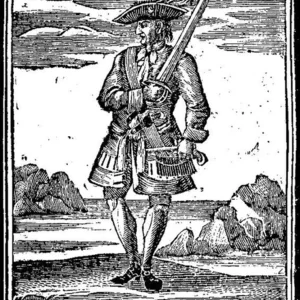
Calico Jack
1682 — 1720
English pirate of the early 18th century, active in the Caribbean during the “Golden Age of Piracy.” He owes his fame to his flag — a skull above two crossed cutlasses — and to the presence in his crew of the female pirates Anne Bonny and Mary Read.
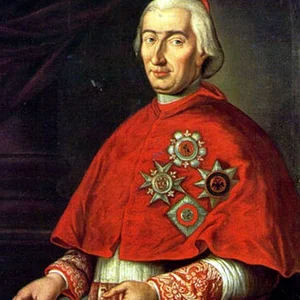
Cardinal Ruffo
1744 — 1827
Neapolitan cardinal (1744–1827), known for reconquering the Kingdom of Naples in 1799 at the head of an army of Calabrian peasants, the Sanfedists. A symbol of counter-revolutionary reaction and the Bourbon restoration.
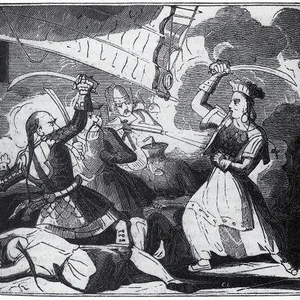
Ching Shih
1775 — 1844
Ching Shih (c. 1775–1844) was a Chinese pirate who became one of the most formidable military commanders in history. She led the Red Flag Fleet, a confederation of over 1,800 ships and 80,000 men, imposing her rule across the South China Sea.
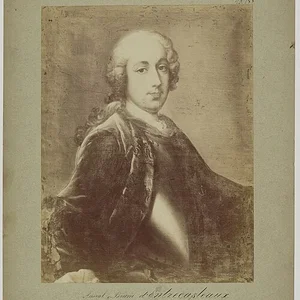
d'Entrecasteaux
French navigator and admiral (1737–1793), d'Entrecasteaux was sent in 1791 to search for the lost expedition of La Pérouse. He explored the coasts of Australia, New Caledonia, and Tasmania before dying at sea without having found La Pérouse.
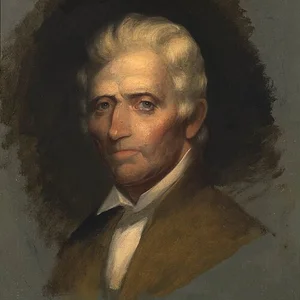
Daniel Boone
1734 — 1820
Daniel Boone (1734-1820) was an American pioneer, trapper, and explorer, an iconic figure of the conquest of the West. In 1775 he blazed the Wilderness Road through the Appalachians and founded Boonesborough, in present-day Kentucky.
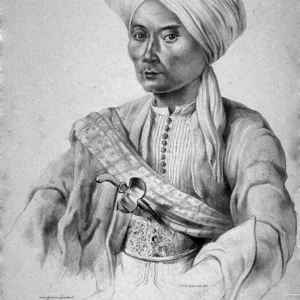
Diponegoro
1785 — 1855
A Javanese prince, Diponegoro led the Java War (1825-1830) against Dutch colonial rule, mobilizing hundreds of thousands of men in the name of Islam and Javanese sovereignty. Betrayed during peace talks, he was captured and exiled to Makassar, where he died in 1855, becoming one of Indonesia's first national heroes.
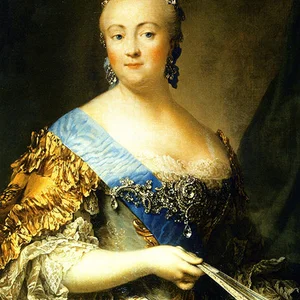
Elizabeth I of Russia
1709 — 1762
Daughter of Peter the Great, Elizabeth I ruled Russia from 1741 to 1762. Her reign was marked by a flourishing of culture, the founding of Moscow University, and Russia's victorious participation in the Seven Years' War.
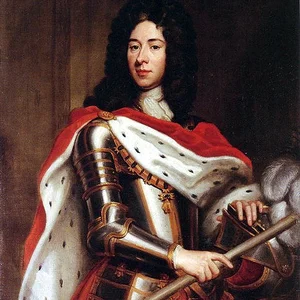
Eugene of Savoy
1663 — 1736
A prince of the House of Savoy who entered the service of the Habsburgs, Eugene of Savoy became one of the greatest military commanders of his time. As generalissimo of the imperial armies, he distinguished himself against the Ottomans and during the War of the Spanish Succession.
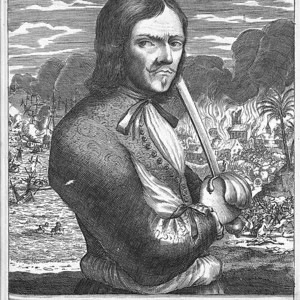
François l'Olonnais
1630 — 1667
French buccaneer of the 17th century, born in Les Sables-d'Olonne, who terrorized Spain's possessions in the Caribbean. A leader of the Brethren of the Coast, he remained infamous for the extreme cruelty he inflicted on his prisoners during his raids.
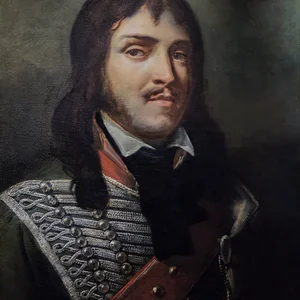
François Séverin Marceau
1769 — 1796
A general of the French Revolution, Marceau enlisted at 16 and became one of the youngest generals of the Republic. A hero of the pacification of the Vendée and the Rhine campaigns, he died in battle at 27 in 1796, embodying the ideal of the republican soldier.

Frederick II of Denmark
King of Denmark and Norway from 1559 to 1588, Frederick II waged the Northern Seven Years' War against Sweden and was an enlightened patron of the arts, most notably supporting the astronomer Tycho Brahe. He commissioned the construction of Kronborg Castle in Elsinore.
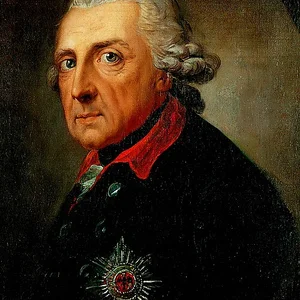
Frederick II the Great
1712 — 1786
Frederick II, known as Frederick the Great, was King of Prussia from 1740 to 1786. An enlightened ruler and a leading military strategist, he turned Prussia into a major European power while corresponding with Enlightenment philosophers, including Voltaire.
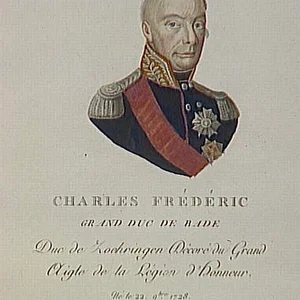
Frederick the Great
King of Prussia from 1740 to 1786, Frederick II was both a formidable war leader and a reforming sovereign. A figure of enlightened despotism, he corresponded with Voltaire and made Prussia a major European power.
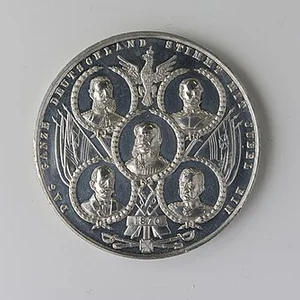
Frederick William I of Prussia
King of Prussia from 1713 to 1740, nicknamed the “Soldier King.” A rigorous and thrifty administrator, he reorganized the Prussian state and built a powerful army that turned Prussia into a major European military power.
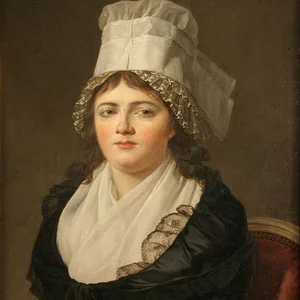
Gabrielle Danton
Gabrielle Charpentier (c. 1764–1793) was the wife of Georges-Jacques Danton, a leading orator of the French Revolution. The daughter of a Parisian café owner, she died at 28 in February 1793 while her husband was on a mission in Belgium, just months before the Reign of Terror.
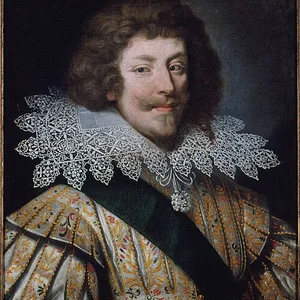
Henri II de Montmorency
1595 — 1632
Henri II de Montmorency (1595-1632) was the last Duke of Montmorency, Governor of Languedoc, and Marshal of France. Drawn into Gaston of Orléans's revolt against Richelieu, he was captured at Castelnaudary and then beheaded in Toulouse in 1632.
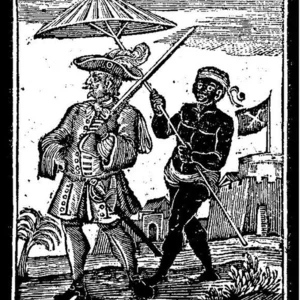
Henry Every
1659 — 1699
Henry Every, nicknamed “Long Ben,” was an English pirate of the late 17th century. In 1695, he seized the Ganj-i-Sawai, a ship of the Grand Mughal, pulling off one of the largest hauls in the history of piracy. Actively hunted, he vanished without ever being captured.
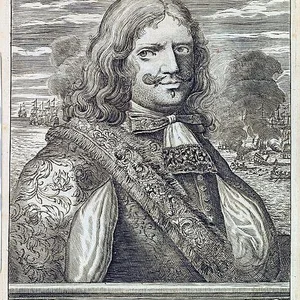
Henry Morgan
1631 — 1688
Henry Morgan (c. 1635–1688) was a Welsh privateer in the service of England who led devastating raids against Spanish possessions in the Caribbean. Knighted by the Crown, he ended his career as Lieutenant Governor of Jamaica.
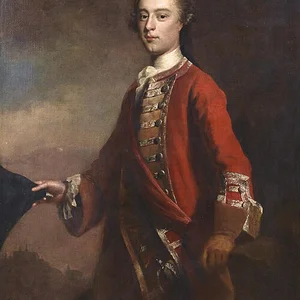
James Wolfe
1727 — 1759
British general (1727–1759), James Wolfe is renowned for his decisive victory over the French at the Battle of the Plains of Abraham in Quebec in 1759. He died in combat on the very day of his victory, becoming a British national hero.
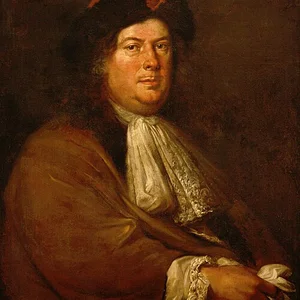
Jean Bart
1650 — 1702
Jean Bart (1650-1702) was a privateer and naval officer from Dunkirk in the service of Louis XIV. Born into a family of sailors, he distinguished himself through his victories against the English and Dutch fleets and was raised to the nobility by the king.
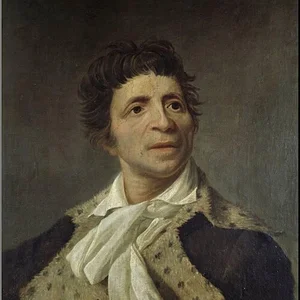
Jean-Paul Marat
1743 — 1793
A physician, physicist, and journalist who became one of the most radical figures of the French Revolution. Founder of the newspaper L'Ami du peuple, he served as a Montagnard deputy in the National Convention before being assassinated in his bath by Charlotte Corday in 1793.
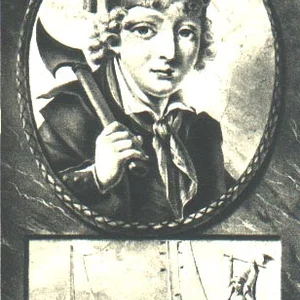
Joseph Agricol Viala
1778 — 1793
Revolutionary child-soldier born in Avignon in 1780, killed at age 13 on July 23, 1793, while attempting to cut the moorings of Federalist boats on the Durance river. Proclaimed a martyr of the Republic by the National Convention, his name was included among the heroes decreed for pantheonization, though the transfer never took place.
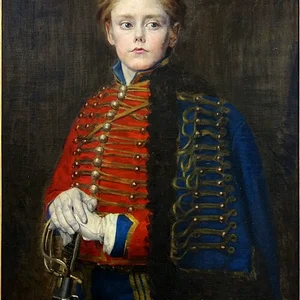
Joseph Bara
1779 — 1793
A drummer boy for the Republic at age 13, Joseph Bara was killed by Vendée rebels in 1793. Robespierre held him up as an exemplary martyr of revolutionary youth, and the Convention voted to transfer his remains to the Panthéon — a decree that was never carried out.
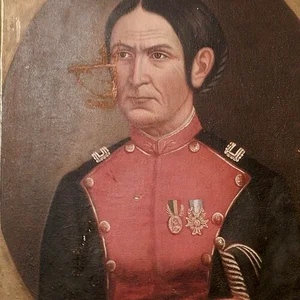
Juana Azurduy
A mestiza guerrilla fighter born in 1780 in Upper Peru (present-day Bolivia), she commanded indigenous troops against the Spanish during the independence wars. Known as "the Pachamama of freedom," she was appointed lieutenant colonel by Simón Bolívar.
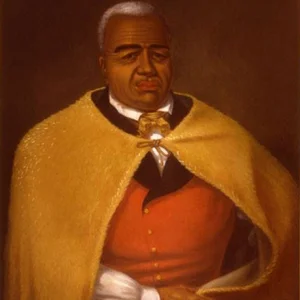
Kamehameha I
1758 — 1819
Kamehameha I unified the Hawaiian Islands under his rule between 1795 and 1810, founding the Kingdom of Hawaii. A formidable strategist, he skillfully integrated European firearms into his military conquests. He established the Law of the Splintered Paddle, protecting civilians in times of war.
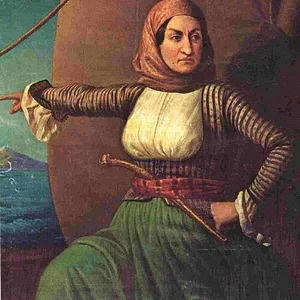
Laskarina Bouboulina
1771 — 1825
Laskarína Bouboulína was a Greek heroine of the War of Independence against the Ottoman Empire. Arming and financing her own war fleet, she took an active part in naval combat from 1821, most notably during the blockade of Nafplio. She is the only woman to have received the honorary title of admiral in the Russian Imperial Navy.
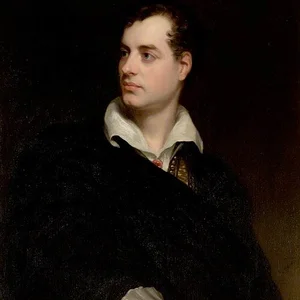
Lord Byron
1788 — 1824
Lord Byron (1788-1824) was the most celebrated British poet of the Romantic era. A scandalous and politically engaged figure, he embodied the "Byronic hero": brooding, rebellious, and passionate. He died in Greece while fighting for Greek independence.
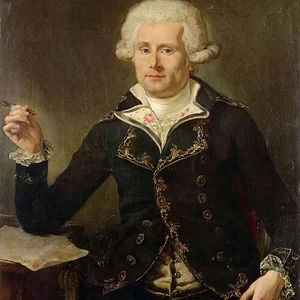
Louis-Antoine de Bougainville
1729 — 1811
French navigator and naval officer (1729–1811), he completed the first French circumnavigation of the globe (1766–1769), bringing back accounts of Tahiti that fuelled the myth of the noble savage. He was also a mathematician and played a role in the Seven Years' War.
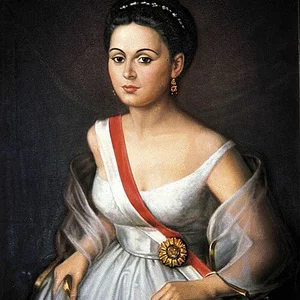
Manuela Sáenz
1797 — 1856
Ecuadorian revolutionary born in Quito around 1797, of mixed heritage (Creole mother, Spanish father), Manuela Sáenz was a central figure in the Spanish American wars of independence and the companion of Simón Bolívar. She saved the Liberator's life in 1828 and was nicknamed the "Libertadora del Libertador."
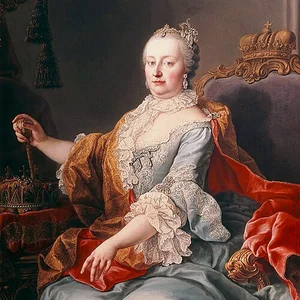
Maria Theresa of Austria
1717 — 1780
Archduchess of Austria and Queen of Hungary and Bohemia (1717–1780), she defended her inheritance against the major European powers and profoundly modernized the Habsburg state. The only woman to have ruled over Habsburg territories, she stands as one of the great reforming monarchs of the 18th century.
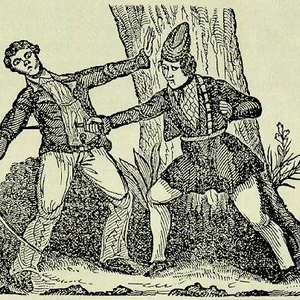
Mary Read
1685 — 1721
Mary Read (1685-1721) was an English pirate who long concealed her sex beneath men's clothing. She served in the army and then aboard ships before joining the crew of the pirate Calico Jack Rackham, alongside Anne Bonny, in the Caribbean.
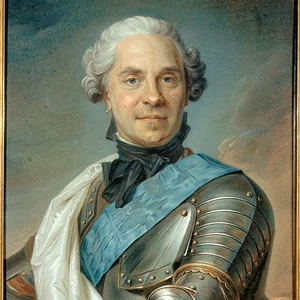
Maurice de Saxe
1696 — 1750
Marshal General of France and illegitimate son of Augustus II of Saxony-Poland. Regarded as one of the greatest military commanders of the 18th century, he distinguished himself with his decisive victory at Fontenoy in 1745 during the War of the Austrian Succession.

Maximilien de Béthune duc de Sully
A loyal companion of Henry IV, Sully served as superintendent of finances from 1598 to 1610. He restored royal finances, reduced the debt, and promoted agriculture and infrastructure. A committed Huguenot, he embodied the kingdom's reconstruction following the Wars of Religion.
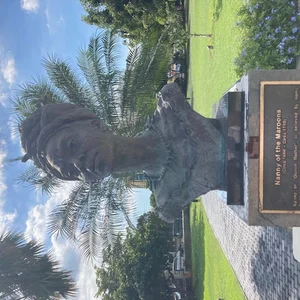
Nanny of the Maroons
A central figure of Maroon resistance in Jamaica during the 18th century, Nanny led the Windward Maroons from their stronghold in the Blue Mountains. A warrior and spiritual leader of Akan origin (present-day Ghana), she led the struggle against British colonial slavery for decades. A Jamaican national heroine, her life is transmitted primarily through Maroon oral tradition.
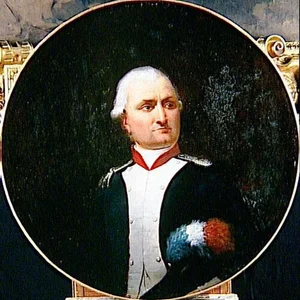
Nicolas-Joseph Beaurepaire
1740 — 1792
French general (1740–1792), commander of Verdun during the Prussian invasion of 1792. Refusing to surrender, he died on September 2, 1792, rather than sign the capitulation of the fortress. His sacrifice became a symbol of revolutionary patriotism.
Nzinga
Queen of Ndongo and Matamba (Angola) in the 17th century, Nzinga led a fierce resistance against Portuguese colonization and the slave trade. A skilled diplomat and formidable warrior, she negotiated with the Portuguese before waging decades of guerrilla warfare against them.
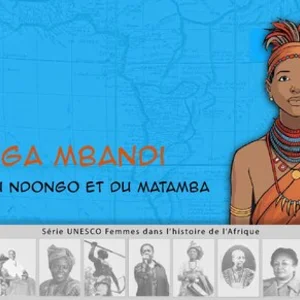
Nzinga Mbandi
Queen of Ndongo and later Matamba (Mbundu people, present-day Angola), Nzinga Mbandi was a formidable political and military strategist who resisted Portuguese expansionism and the Atlantic slave trade throughout the 17th century. An iconic figure of pre-colonial African resistance, she negotiated, waged war, and allied with the Dutch to defend her people's sovereignty.
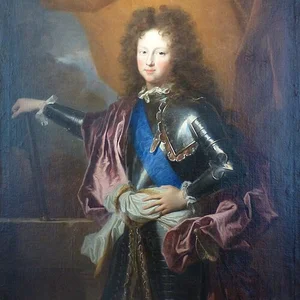
Philippe II d'Orléans
Regent of France from 1715 to 1723 during the minority of Louis XV, Philippe II d'Orléans governed the kingdom following the death of Louis XIV. A curious and libertine spirit, he was also a musician, painter, and patron of the arts, embodying the transition between the Grand Siècle and the Enlightenment.
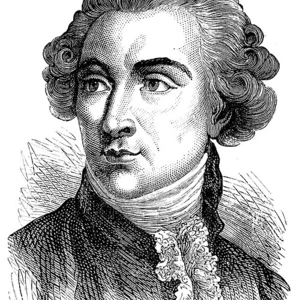
Pierre Choderlos de Laclos
1741 — 1803
Pierre Choderlos de Laclos was an eighteenth-century French writer and artillery officer. He is the author of the famous epistolary novel *Les Liaisons dangereuses* (1782), a cruel portrayal of the libertine intrigues of the aristocracy.
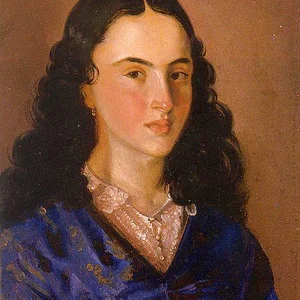
Policarpa Salavarrieta
1795 — 1817
Heroine of Colombian independence (c. 1795–1817), nicknamed "La Pola". A seamstress and patriot spy, she recruited soldiers for the independence cause. Captured by the Spanish, she was executed by firing squad in Bogotá on November 14, 1817.
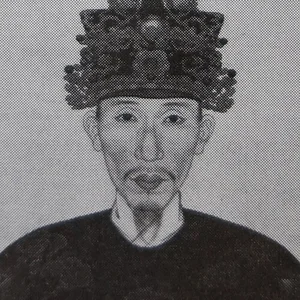
Quang Trung
1752 — 1792
Nguyễn Huệ (1753-1792), known by his reign name Quang Trung, was the second emperor of the Tây Sơn dynasty in Vietnam. An undefeated military commander across twenty years of campaigns, he ended two centuries of north-south division and repelled both Siamese and Qing invasions. A visionary reformer, he promoted Vietnamese script (chữ Nôm) and modernized the economy, education, and army in just three years of reign. [1]
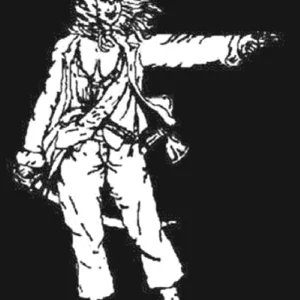
Rachel Wall
1760 — 1789
Rachel Wall (c. 1760-1789) is considered the first female pirate born in America. Together with her husband, she plundered the coasts of New England from Essex Island, luring ships with fake distress signals. Hanged in Boston in 1789, she was one of the last women to be executed in Massachusetts.
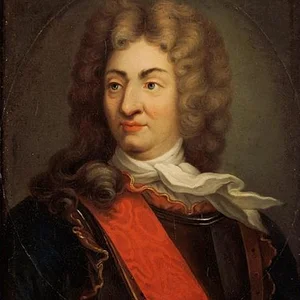
René Duguay-Trouin
1673 — 1736
A privateer from Saint-Malo in the service of the King of France, René Duguay-Trouin distinguished himself through daring captures of enemy ships during the wars of Louis XIV. Ennobled for his exploits, he ended his career as lieutenant general of the naval forces after the capture of Rio de Janeiro in 1711.

Samuel Bellamy
1689 — 1717
Samuel “Black Sam” Bellamy (c. 1689-1717) was an English pirate of the golden age of piracy. Captain of the Whydah, a captured former slave ship, he is considered one of the wealthiest pirates in history before perishing in a shipwreck in 1717.
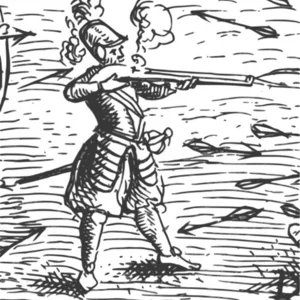
Samuel de Champlain
1567 — 1635
A French navigator and explorer, Samuel de Champlain founded the city of Quebec in 1608 and is known as the Father of New France. He mapped much of Canada and established lasting alliances with Indigenous peoples.
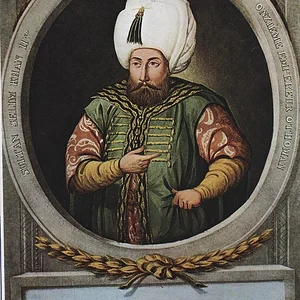
Selim II
1524 — 1574
Selim II (1524–1574) was Ottoman sultan and caliph from 1566 to 1574. His reign is marked by the conquest of Cyprus and the naval defeat at Lepanto against the Christian coalition in 1571.
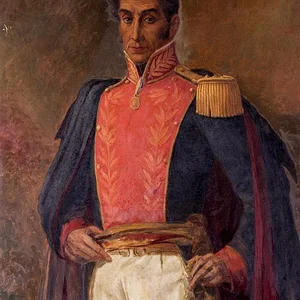
Simón Bolívar
1783 — 1830
Born in Caracas in 1783, Simón Bolívar was the leading architect of South American independence from the Spanish Empire. Known as 'El Libertador,' he liberated several nations and dreamed of a great Latin American federation.
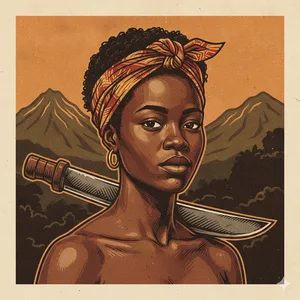
Solitude
1772 — 1802
Born around 1772 in Guadeloupe to an enslaved African mother, Solitude joined the mixed-race insurgents during the armed resistance against the restoration of slavery decreed by Bonaparte in 1802. Pregnant, she fought until her capture and was hanged the day after giving birth, on November 29, 1802. Her story, passed down through Creole and Caribbean oral tradition, has made her an emblematic figure of resistance against colonial oppression.
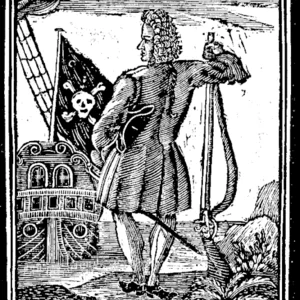
Stede Bonnet
1688 — 1718
Stede Bonnet (c. 1688–1718), nicknamed “the gentleman pirate,” was a wealthy Barbadian planter who abandoned his plantation to become a pirate in the Caribbean. Allied for a time with Blackbeard, he was captured and hanged in Charleston in 1718.
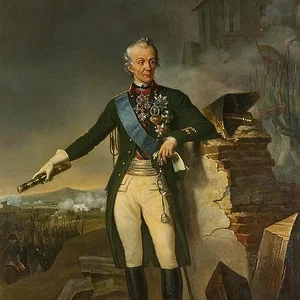
Suvorov
1730 — 1800
18th-century Russian generalissimo, considered one of the greatest military commanders in Russian history. Reputedly undefeated in more than sixty battles, he distinguished himself under the reigns of Catherine II and then Paul I, notably during the wars against the Ottoman Empire and Revolutionary France.
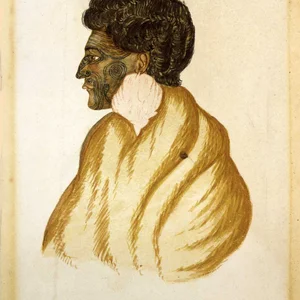
Te Rauparaha
1768 — 1849
Te Rauparaha (c. 1768-1849) was the great warrior chief of the Ngāti Toa, one of the most formidable Māori strategists of his time. He extended his influence over the North Island and Cook Strait, and composed the famous haka Ka Mate. His reign coincided with the arrival of Europeans and British colonization.
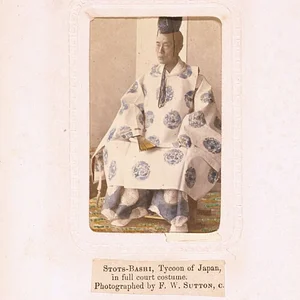
Tokugawa (shogun)
Tokugawa Ieyasu (1543-1616) unified Japan after decades of civil wars and founded the Tokugawa shogunate in 1603, establishing a peace lasting more than two centuries. His regime, the Edo period, kept Japan in near-total isolation until 1868.
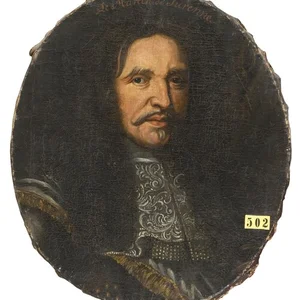
Turenne
1611 — 1675
Turenne was one of the greatest French military commanders of the 17th century. Marshal General under Louis XIV, he distinguished himself during the Thirty Years' War and the campaigns in Holland, where he was killed by a cannonball at Sasbach in 1675.
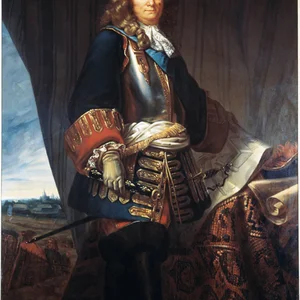
Vauban
1633 — 1707
French military engineer and architect during the reign of Louis XIV, regarded as the greatest fortification specialist of his time. A Marshal of France, he designed a defensive system protecting the kingdom's borders and revolutionized the art of the siege.
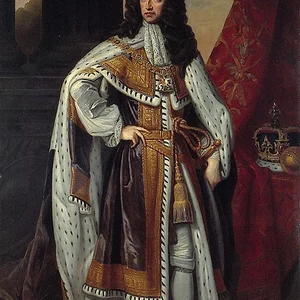
William III of Orange
1650 — 1702
Stadtholder of the United Provinces from 1672, William III of Orange became King of England, Scotland, and Ireland in 1689 following the Glorious Revolution that overthrew James II. A Protestant champion, he devoted his reign to containing the power of Louis XIV.
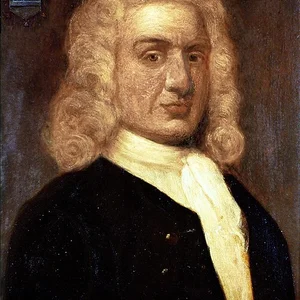
William Kidd
1645 — 1701
A Scottish sailor first commissioned as a privateer in the service of the English Crown to hunt down pirates in the Indian Ocean. Accused of piracy himself, he was tried and hanged in London in 1701, becoming a legendary figure of the Golden Age of Piracy.
19th Century(87)
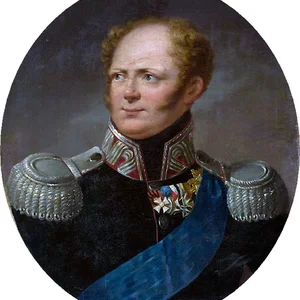
Alexander I
1777 — 1825
Emperor of Russia from 1801 to 1825, Alexander I was one of Napoleon's chief adversaries. Victorious in the campaign of 1812, he played a major role at the Congress of Vienna and founded the Holy Alliance.
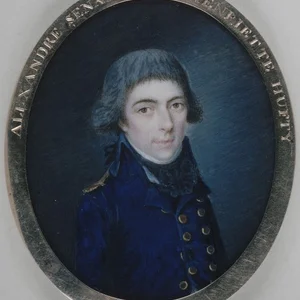
Alexandre-Antoine Hureau de Sénarmont
1769 — 1810
An artillery general of the First Empire, Hureau de Sénarmont distinguished himself at Jena and Friedland through his innovative offensive artillery tactics. He was killed at the Battle of Zaragoza in 1809.
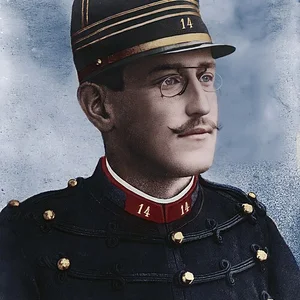
Alfred Dreyfus
1859 — 1935
French army officer of Alsatian and Jewish origin (1859–1935). He was wrongly accused of espionage in 1894, triggering the Dreyfus Affair, one of the greatest political crises of the Third Republic. His innocence was officially recognized in 1906, marking a turning point in the fight against antisemitism in France.
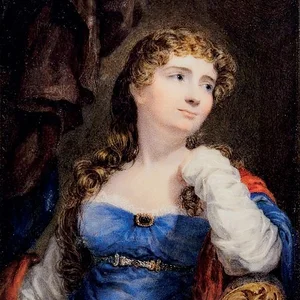
Annabella Milbanke
1792 — 1860
British aristocrat (1792–1860), self-taught mathematician and philanthropist, she married the poet Lord Byron in 1815 before separating from him a year later. She went on to dedicate herself to popular education and social reform, and is the mother of Ada Lovelace, pioneer of computing.
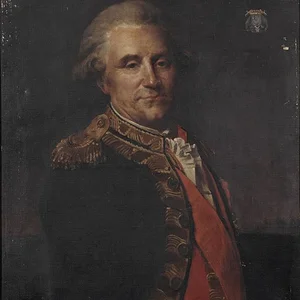
Antoine-Jean-Marie Thévenard
1733 — 1815
French admiral born in 1733, he distinguished himself during the American War of Independence before becoming Minister of the Navy under the Revolution (1791-1792). A senator under the Napoleonic Empire, he embodies the continuity between the Old Regime's naval tradition and the revolutionary institutions.
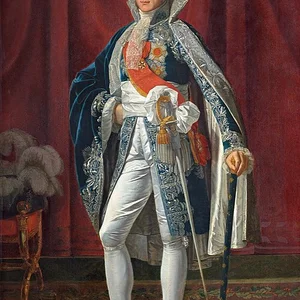
Armand de Caulaincourt
1773 — 1827
French general and diplomat, Duke of Vicenza, he served as Napoleon's ambassador to Russia (1807–1811) and was a privileged eyewitness to the Russian campaign of 1812. Minister of Foreign Affairs during the Hundred Days, he left behind essential Memoirs on the Napoleonic saga.
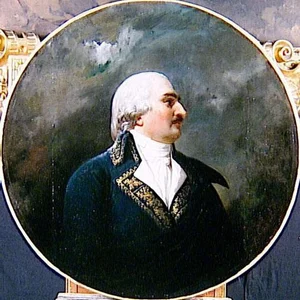
Auguste Marie Henri Picot de Dampierre
1756 — 1793
French general of the Revolution (1756–1793), he took command of the Army of the North after Dumouriez's betrayal and was killed in action during the siege of Condé-sur-l'Escaut. Pantheonized in 1793, his remains were removed during the Restoration.
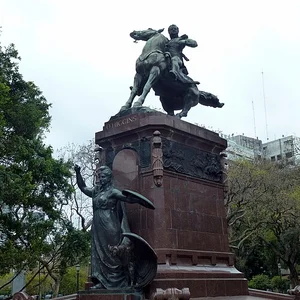
Bernardo O'Higgins
1778 — 1842
Bernardo O'Higgins was a Chilean soldier and statesman, considered one of the principal liberators of Chile from Spanish rule. As the first leader of the independent Republic, he served as its Supreme Director from 1817 to 1823.
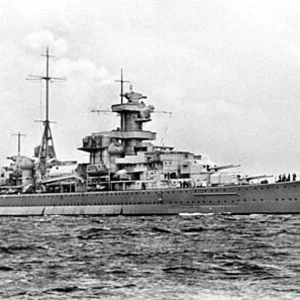
Blücher
Prussian field marshal and a leading figure of the Napoleonic Wars. Nicknamed “Marschall Vorwärts” (Marshal Forward), he played a decisive role in Napoleon's defeat at Waterloo in 1815 by rallying his troops to support Wellington's British forces.
Butch Cassidy
1866 — 1908
An American outlaw of the Old West, Butch Cassidy was the leader of the Wild Bunch gang, which specialized in robbing banks and trains. Hunted by detective agencies, he fled to South America, where he is believed to have met his death in Bolivia.
Chief Joseph
1840 — 1904
Chief of the Nez Perce Native American tribe. In 1877, he led his people on a desperate retreat of nearly 1,700 km to escape the U.S. Army and reach Canada, before surrendering just a few kilometers from the border.
Claude-Juste-Alexandre Legrand
1762 — 1815
A French divisional general of the First Empire, Claude-Juste-Alexandre Legrand distinguished himself during the Napoleonic Wars, most notably at Austerlitz. He commanded several army corps under Napoleon Bonaparte.
Claude-Louis Petiet
1749 — 1806
French general and politician, Claude-Louis Petiet served as Minister of War under the Directory (1797–1798), then as Councillor of State and senator under the Consulate and the Napoleonic Empire. He died in 1806, becoming the first person interred during the reign of Napoleon I.
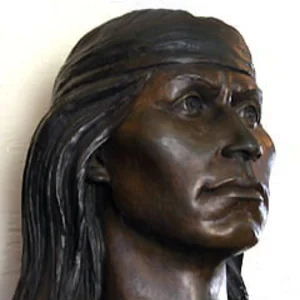
Cochise
1812 — 1874
An Apache chief of the Chiricahua band, Cochise led the armed resistance against the U.S. Army in the Southwest for more than ten years. A major figure of the Apache Wars, he finally made peace in 1872.
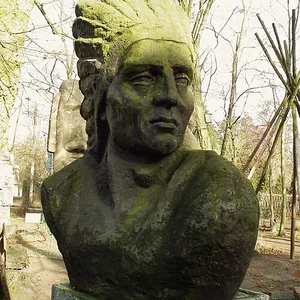
Crazy Horse
1849 — 1877
Oglala Lakota war chief and a leading figure of Native American resistance against the expansion of the United States. Victor over Custer at Little Bighorn in 1876, he was killed the following year while being held at Fort Robinson.
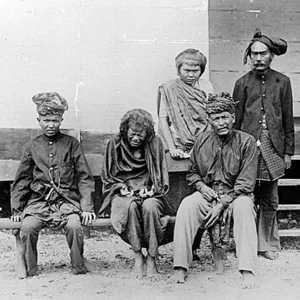
Cut Nyak Dhien
1848 — 1908
An Indonesian national heroine, Cut Nyak Dhien led armed resistance against Dutch occupation in the Aceh region (Sumatra) following the death of her husband. A symbol of Indonesian nationalism, she fought until her capture in 1905 despite serious illness.
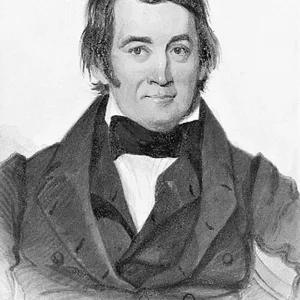
Davy Crockett
1786 — 1836
American pioneer, hunter, and politician, elected several times to Congress for the state of Tennessee. Having become a legendary figure of the conquest of the West, he died defending Fort Alamo during the Texas Revolution in 1836.
Dumont d'Urville
1790 — 1842
French naval officer and explorer (1790–1842), he led several expeditions to the southern seas and Antarctica. He discovered Adélie Land in 1840 and helped identify the Venus de Milo.
Edward VII
1841 — 1910
Son of Queen Victoria, Edward VII reigned over the United Kingdom and the Empire of India from 1901 to 1910. An emblematic figure of the Belle Époque, he played a decisive role in bringing France and Britain closer together through the Entente Cordiale of 1904.
Fabian von Bellingshausen
A Russian naval officer and explorer of Baltic German origin, he commanded the first Russian Antarctic expedition (1819-1821). He was one of the first navigators to sight the Antarctic continent, on 28 January 1820.
Ferdinand VII
1784 — 1833
King of Spain in 1808 and from 1814 to 1833, Ferdinand VII reigned under Napoleonic occupation and then after the Restoration. His absolutist rule and the loss of Spain's American colonies left a profound mark on Spanish history.

François Barthélemy Béguinot
A French divisional general of the First Empire, François Barthélemy Béguinot built his career in the Revolutionary and Napoleonic armies. He took part in the major military campaigns of the late 18th and early 19th centuries.
Franz Joseph I
Franz Joseph I (1830–1916) was Emperor of Austria and King of Hungary for 68 years, one of the longest reigns in European history. He embodied the Habsburg monarchy as it faced nationalist upheavals and the crises that led up to the First World War.
Frédéric Henri Walther
1761 — 1813
A French general of the Revolution and the Empire, Frédéric Henri Walther commanded the cavalry of the Imperial Guard. He distinguished himself in the major Napoleonic campaigns and was granted the title of Count of the Empire.
Gabriel Louis de Caulaincourt
1749 — 1808
A French general of the First Empire, Gabriel Louis de Caulaincourt distinguished himself during the Napoleonic Wars. He died heroically at the Battle of the Moskva in September 1812, during the Russian campaign.
Gabriel Molitor
1770 — 1849
French general who served in the Revolutionary and Napoleonic Wars, distinguishing himself at Zurich, Wagram, and in Spain. Elevated to the dignity of Marshal of France in 1823 following the Spanish campaign under the Restoration.
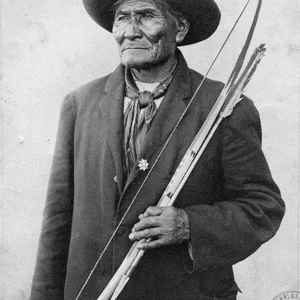
Geronimo
1829 — 1909
A Chiricahua Apache war leader and medicine man, Geronimo led the armed resistance against the expansion of the United States and Mexico in the American Southwest. His surrender in 1886 marked the end of the great Indian Wars.
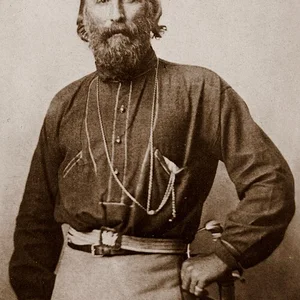
Giuseppe Garibaldi
1807 — 1882
Italian general and patriot (1807–1882), Garibaldi is one of the central figures of the Risorgimento. A charismatic military leader, he unified much of Italy through his campaigns, most notably the famous Expedition of the Thousand in 1860.
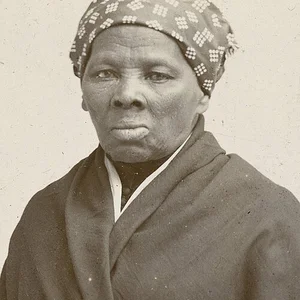
Harriet Tubman
1820 — 1913
Born into slavery around 1822, Harriet Tubman escaped in 1849 and became one of the most celebrated conductors of the Underground Railroad, helping hundreds of enslaved people flee to the North. An abolitionist, a spy for the Union during the Civil War, and an advocate for women's rights, she is a towering figure in the American struggle for freedom.

Hippolyte Fauche
1797 — 1869
A French Orientalist and Sanskritist of the 19th century, Hippolyte Fauche was the first to produce a complete French translation of the Mahabharata. His monumental work opened Indian epic literature to French-speaking audiences.
Hone Heke
1807 — 1850
Māori chief of the Ngāpuhi tribe, Hone Heke was the first signatory of the Treaty of Waitangi in 1840, before turning against British colonization. A symbol of indigenous resistance, he cut down the British flagpole at Kororāreka four times, sparking the Flagstaff War (1845–1846).
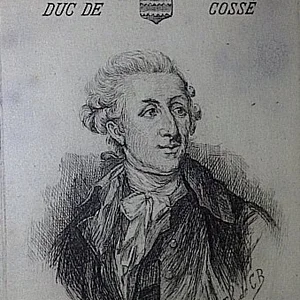
Hyacinthe-Hughes Timoléon de Cossé-Brissac
1746 — 1813
A French general from the high nobility, he served under the Revolution and the Empire. Appointed senator of the First Empire by Napoleon, he embodies the fusion between the old aristocracy and the new Napoleonic institutions.
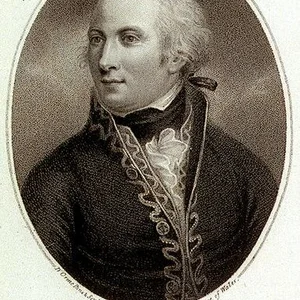
Jan de Winter
1761 — 1812
Dutch admiral (1761-1812) who served the Batavian Republic and later the Napoleonic Empire. Commander of the Batavian fleet, he faced the British Royal Navy at the Battle of Camperdown in 1797, where he was taken prisoner after fierce resistance.
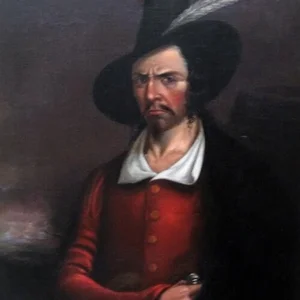
Jean Lafitte
1776 — 1826
French privateer and smuggler based in the Gulf of Mexico in the early 19th century. As leader of the buccaneer community of Barataria, near New Orleans, he came to the aid of the Americans at the Battle of New Orleans in 1815.
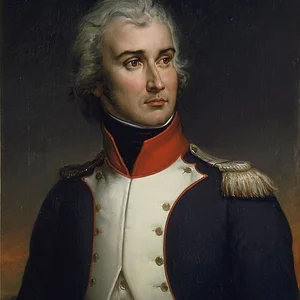
Jean Lannes
1769 — 1809
Marshal of the Empire and Duke of Montebello, Jean Lannes was one of Napoleon's most brilliant generals. A loyal comrade-in-arms since the Italian and Egyptian campaigns, he distinguished himself at Montebello, Austerlitz, and Jena. He died of his wounds at the Battle of Essling in 1809.

Jean-Ignace Jacqueminot de Ham
A French general of the First Empire, Jean-Ignace Jacqueminot de Ham took part in the great Napoleonic campaigns. He later became a senator and peer of France under the Restoration and the July Monarchy.
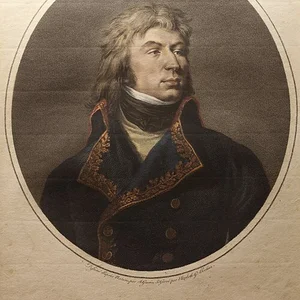
Jean-Louis-Ébénézer Reynier
1771 — 1814
A divisional general of the First Empire, Reynier took part in the great Napoleonic campaigns in Egypt, Italy, and Central Europe. He distinguished himself notably at the Battle of Maida (1806) and during the Russian campaign (1812).
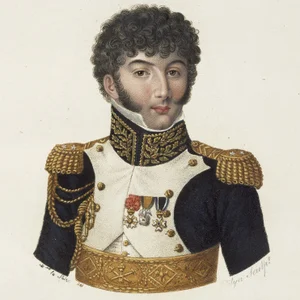
Jean-Marie-Pierre-François Le Paige Dorsenne
A French general of the Empire, Dorsenne was one of the most distinguished officers of the Imperial Guard. Colonel of the Foot Grenadiers, he covered himself in glory at Austerlitz, Jena, and Eylau before dying from his wounds in 1812.
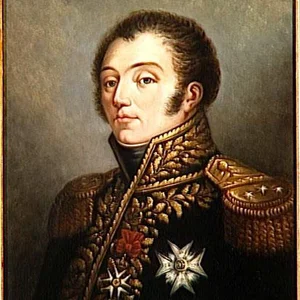
Jean-Pierre Firmin Malher
1761 — 1808
French divisional general of the Napoleonic Wars. He took part in the major campaigns of the Empire and died at Burgos in Spain during the Peninsular War.
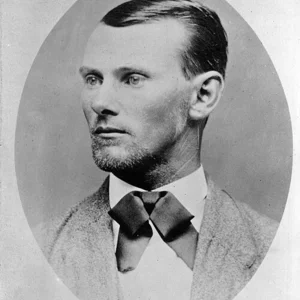
Jesse James
1847 — 1882
American outlaw, a former Confederate guerrilla who became the leader of the James-Younger gang. A robber of banks and trains across the Midwest after the American Civil War, he was assassinated in 1882 and became a legendary figure of Western folklore.
Johann Wolfgang von Goethe
German writer, poet, and scholar (1749–1832), Goethe is the author of Faust and The Sorrows of Young Werther. A central figure of the Sturm und Drang movement and later Weimar Classicism, he embodies the Enlightenment ideal of the universal man.
John C. Frémont
1813 — 1890
American explorer, military officer and politician nicknamed “the Pathfinder.” He mapped the American West and the Oregon Trail, played a role in the conquest of California, and then became the first Republican candidate in the 1856 presidential election.
José de San Martín
1778 — 1850
Argentine general and statesman, a major figure in the independence of South America. He freed Argentina, Chile, and Peru from Spanish rule before withdrawing from public life.
Joseph Gallieni
1849 — 1916
General and Marshal of France, Gallieni was a great colonial administrator in Madagascar and Indochina. Military Governor of Paris in 1914, he organized the counter-offensive at the Marne, saving the capital thanks to the famous “taxis of the Marne.”
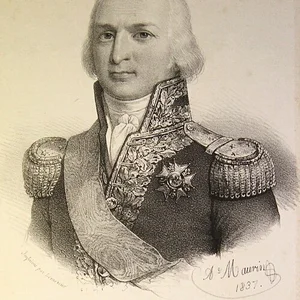
Justin Bonaventure Morard de Galles
1741 — 1809
French admiral born in 1741, he commanded the Brest squadron during the Revolution and took part in the Irish Expedition of 1796. Appointed senator of the First Empire by Napoleon, he died in 1809.
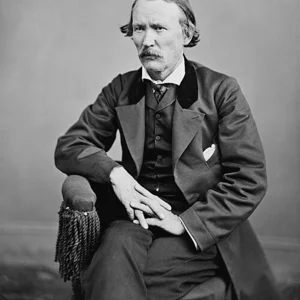
Kit Carson
1809 — 1868
American trapper, guide, and soldier, an iconic figure of the conquest of the West. As guide for John C. Frémont's expeditions to the Rockies and California, he later became a Union Army officer and Indian agent, marked by the deportation of the Navajo.
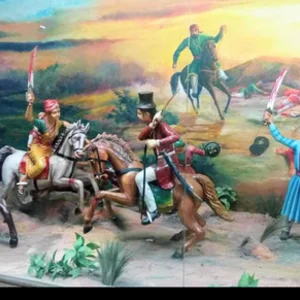
Lakshmi Bai
1828 — 1858
Queen of Jhansi (central India), she became one of the most iconic figures of the Indian Rebellion of 1857–1858 against British rule. Refusing the annexation of her kingdom by the East India Company, she personally led the fighting and died on the battlefield at age 29.

Lakshmibai of Jhansi
Queen of the kingdom of Jhansi, in northern India, Lakshmibai became one of the leading figures of the Sepoy Mutiny of 1857 against the British East India Company. Refusing the annexation of her state, she took up arms and died in battle, becoming a national symbol of Indian resistance.
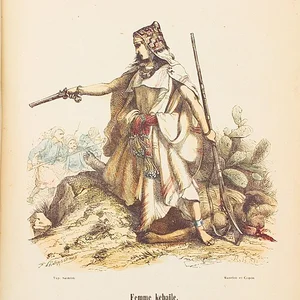
Lalla Fatma N'Soumer
1830 — 1863
A Kabyle resistance fighter from the Amazigh people, Lalla Fatma N'Soumer led the armed struggle against the French conquest of Algeria in the mid-19th century. Both a spiritual and military figure, she is passed down through Berber oral tradition as a symbol of dignity and resistance.
Lazare Carnot
1753 — 1823
French mathematician and general, Lazare Carnot earned the nickname "The Organizer of Victory" for his role on the Committee of Public Safety. He restructured the republican armies, contributing to the victories of revolutionary France, and left a notable mathematical legacy in geometry.
Lewis and Clark
Lewis and Clark led the Corps of Discovery expedition (1804–1806), commissioned by President Jefferson to explore the Louisiana Territory all the way to the Pacific. They were the first Americans to cross the continent from east to west, paving the way for westward expansion.
Lord Nelson
1758 — 1805
Horatio Nelson (1758-1805) was a British admiral and hero of the Napoleonic Wars. His decisive victory at Trafalgar in 1805, where he was killed, secured the United Kingdom's naval supremacy for more than a century.
Louis Charles Vincent Le Blond de Saint-Hilaire
1766 — 1809
A French divisional general of the Napoleonic era, Saint-Hilaire distinguished himself in several major campaigns including Austerlitz. He was mortally wounded at the Battle of Essling in 1809.
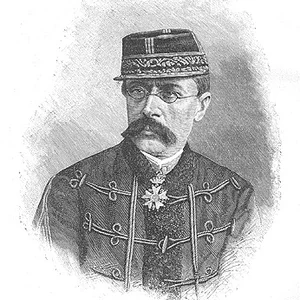
Louis Faidherbe
1818 — 1889
French general and colonial administrator, governor of Senegal from 1854 to 1865. He extended French influence in West Africa, modernized Dakar, and founded lasting institutions. He also commanded the Army of the North during the Franco-Prussian War of 1870.

Louis-Pierre-Pantaléon Resnier
1752 — 1807
A French officer of the First Empire, Louis-Pierre-Pantaléon Resnier was a Napoleonic dignitary who served in the military and administrative structures of the Empire. He embodies the profile of the provincial notable elevated by Napoleonic reforms.
Lozen
1840 — 1889
Chiricahua Apache warrior and shaman, sister of Chief Victorio. Renowned for her skill in combat and her spiritual power to locate the enemy, she fought the American and Mexican armies, then alongside Geronimo until the surrender of 1886.
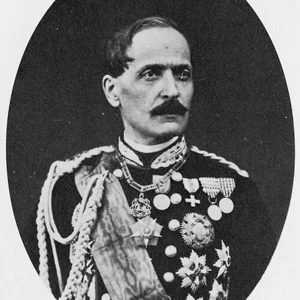
Luigi Menabrea
Italian general, engineer, and statesman of the 19th century. He is best known for writing in 1842 a memoir on Charles Babbage's analytical engine, which Ada Lovelace translated and extensively annotated.
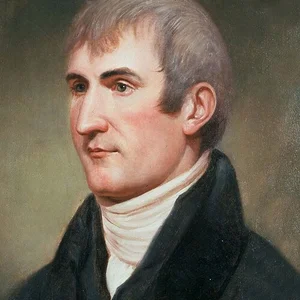
Meriwether Lewis
1774 — 1809
American army officer and explorer, Meriwether Lewis co-led with William Clark the 1804–1806 expedition commissioned by Thomas Jefferson to explore the American West all the way to the Pacific. This expedition, known as the Corps of Discovery, crossed the newly acquired Louisiana Territory and paved the way for the westward settlement of the continent.
Michel Bizot
1795 — 1855
French general of the Corps of Engineers (1796–1855), director of the École polytechnique. He distinguished himself during the capture of Constantine (1837) and died at the Siege of Sevastopol during the Crimean War.
Michel Ordener
1787 — 1862
French cavalry general (1755–1811), Michel Ordener distinguished himself in the Revolutionary and Napoleonic Wars. He commanded the Horse Grenadiers of the Imperial Guard and was created a Count of the Empire.

Moulay Abd er-Rahman
Sultan of Morocco from 1822 to 1859, Moulay Abd er-Rahman had to navigate between French and Spanish colonial pressures while maintaining Moroccan sovereignty. After supporting Abdelkader against France, he was defeated at the Battle of Isly in 1844.
Nadezhda Durova
Nadezhda Durova was a Russian cavalrywoman who disguised herself as a man to enlist in the imperial army. She fought in the Napoleonic Wars, notably during the 1812 campaign, and became a decorated officer before publishing her memoirs.
Nicolas Marie Songis des Courbons
1761 — 1810
French general (1761–1810), Songis des Courbons was commander-in-chief of the artillery of the Grande Armée under Napoleon Bonaparte. A specialist in the technical arm of the military, he made decisive contributions to the great Napoleonic victories at Austerlitz, Jena, and Eylau.
Pat Garrett
1850 — 1908
Pat Garrett was an American lawman of the Old West, who became famous for tracking down and killing the outlaw Billy the Kid in 1881. A former cowboy and buffalo hunter, he embodied the figure of the law during the Lincoln County War in New Mexico.
Philippe Pétain
1856 — 1951
Marshal of France and celebrated military commander known for his victory at Verdun in 1916, Philippe Pétain became head of the French government in 1940 and established the authoritarian French State of Vichy. A collaborator during the German occupation, he remains one of the most controversial figures in French history.
Pierre Cambronne
1770 — 1842
French general of the Grande Armée, Pierre Cambronne commanded a battalion of the Old Guard at Waterloo in 1815. He passed into legend for the “mot de Cambronne” and the phrase “The Guard dies but does not surrender.”
Pierre Daumesnil
1776 — 1832
Imperial general born in 1776, he lost a leg at the Battle of Wagram (1809). Governor of the Château de Vincennes, he refused to surrender it to the Allies in 1814 and 1815, delivering his famous retort about his leg. He died of cholera in 1832.
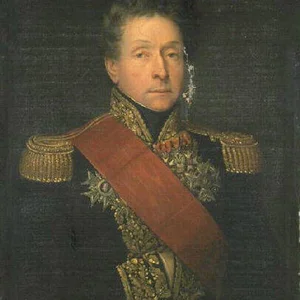
Pierre de Pelleport
1773 — 1855
French general born in 1773, Baron of the Empire under Napoleon I. He took part in the major Napoleonic campaigns and was appointed Baron of Saint-Avold. His name lives on through the Pelleport metro station in Paris (line 3bis).
Pierre Garnier de Laboissière
1755 — 1809
A French general of the First Empire, Pierre Garnier de Laboissière built his career under the Revolution and Napoleon Bonaparte. He also served as a senator, embodying the fusion of military and political elites characteristic of the Napoleonic era.
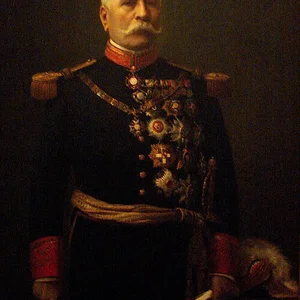
Porfirio Díaz
1830 — 1915
Mexican general and statesman (1830–1915), Porfirio Díaz ruled Mexico from 1876 to 1911 during a period known as the Porfiriato. His authoritarian regime drove economic modernization at the cost of political oppression, ultimately sparking the Mexican Revolution.
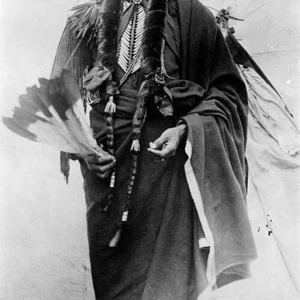
Quanah Parker
1845 — 1911
Quanah Parker was the last great chief of the Quahadi Comanches. The son of Chief Peta Nocona and Cynthia Ann Parker, a white captive, he led armed resistance against the advance of settlers and the U.S. Army, before becoming a respected mediator between his people and the United States government.
Ratu Seru Cakobau
1815 — 1883
Supreme chief of the Fiji Islands, Cakobau united the islands under his authority after decades of tribal wars. Converted to Christianity in 1854, he ceded Fiji to Great Britain in 1874, thus becoming the last independent ruler of the archipelago.
Rawlinson
A British officer and diplomat in the Indian Army, Henry Rawlinson was one of the leading decipherers of cuneiform writing. He copied and translated the trilingual Behistun Inscription, opening the door to the languages of ancient Mesopotamia.
Richard Wagner
1813 — 1883
German composer (1813–1883), Wagner revolutionized opera by creating the concept of the total work of art (Gesamtkunstwerk). His music dramas, including the Ring Cycle and Tristan und Isolde, remain towering monuments of Romanticism.
Robert E. Lee
1807 — 1870
Robert E. Lee was the principal general of the Confederate army of the Southern states during the American Civil War. A brilliant tactician commanding the Army of Northern Virginia, he surrendered at Appomattox in 1865, sealing the Southern defeat.
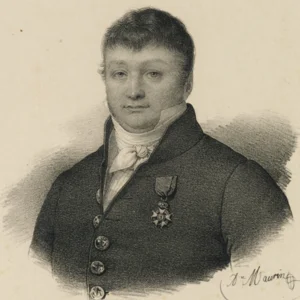
Robert Surcouf
1773 — 1827
French Malouin privateer, shipowner and slave trader (1773-1827). Nicknamed the “King of Corsairs,” he led feared campaigns against British maritime trade in the Indian Ocean during the Revolutionary and Napoleonic Wars, before becoming a wealthy shipowner in Saint-Malo.
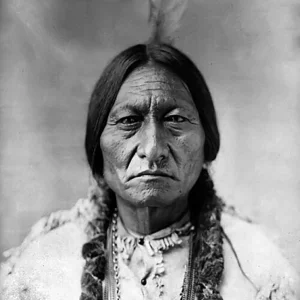
Sitting Bull
1831 — 1890
Sitting Bull (c. 1831-1890) was a chief and medicine man (wičháša wakȟáŋ) of the Hunkpapa clan of the Lakota Sioux. A leading figure of Native American resistance against the expansion of the United States, he embodied the defense of the territory and the way of life of the Plains.

Soshangane
1790 — 1859
Soshangane (Manukosi) was a Nguni military leader who founded the Kingdom of Gaza in southeastern Africa in the early 19th century. Scattered during the Mfecane triggered by Zulu expansion, he established a vast empire covering present-day southern Mozambique.
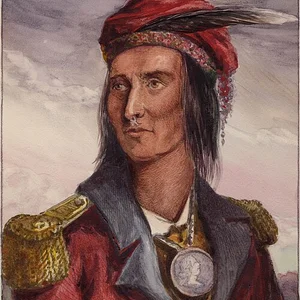
Tecumseh
1768 — 1813
A Shawnee chief and Native American political leader, Tecumseh sought to unite the indigenous peoples of eastern North America into a vast confederacy to resist the expansion of the United States. An ally of the British during the War of 1812, he was killed at the Battle of the Thames in 1813.
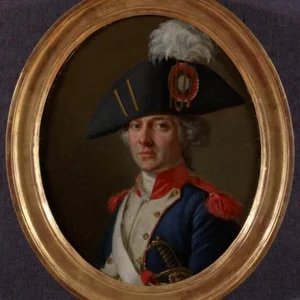
Théophile-Malo de La Tour d'Auvergne-Corret
1743 — 1800
A Breton officer nicknamed "First Grenadier of France" by Bonaparte in 1800, he embodies the ideal of the republican soldier. Coming out of retirement at age 49 to replace his conscripted godson, he refused every promotion to remain among his grenadiers and died on the field of honor at Oberhausen.
Ulysses S. Grant
1822 — 1885
Commanding general of the Union armies during the American Civil War, Ulysses S. Grant secured the surrender of Confederate general Robert E. Lee at Appomattox in 1865. A military hero, he went on to become the 18th president of the United States from 1869 to 1877.
Victor Emmanuel II
1820 — 1878
King of Sardinia and then first King of unified Italy (1861), Victor Emmanuel II was the monarch who, allied with Cavour and Garibaldi, brought the Risorgimento to completion. He reigned until his death in 1878, embodying Italian national unity.
Wellington
1769 — 1852
Arthur Wellesley, Duke of Wellington, was a British general and statesman. The victor over Napoleon at the Battle of Waterloo in 1815, he also served as Prime Minister of the United Kingdom from 1828 to 1830.
Wild Bill Hickok
1837 — 1876
An iconic figure of the American West, James Butler Hickok was in turn a Union scout, a Kansas lawman, a professional gambler, and a stage performer. A renowned gunfighter, he became a living legend before being shot in the back in 1876.
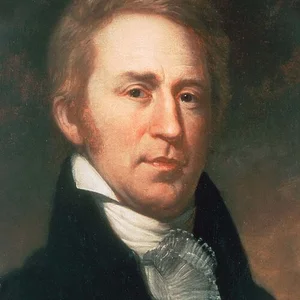
William Clark
1770 — 1838
An American army officer and explorer, William Clark co-led the Corps of Discovery expedition (1804–1806) with Meriwether Lewis, commissioned by President Jefferson. The expedition crossed North America to the Pacific Ocean, paving the way for the settlement of the American West.
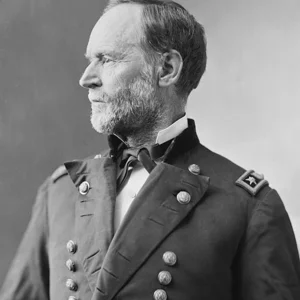
William Sherman
1820 — 1891
American general in the Union Army during the Civil War. He is famous for his “march to the sea” across Georgia in 1864, an early application of the concept of total war.

Yaa Asantewaa
1832 — 1921
Queen Mother of Ejisu in the Ashanti Empire, Yaa Asantewaa is the emblematic figure of African resistance to British colonization. In 1900, she led the War of the Golden Stool against the British, who demanded the surrender of the Ashanti's sacred seat of power. Captured, she was exiled to the Seychelles, where she died in 1921.
20th Century(56)
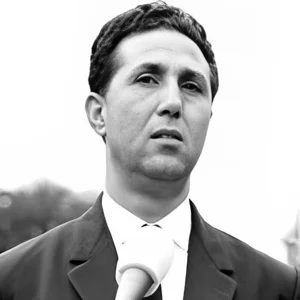
Ahmed Ben Bella
1916 — 2012
Ahmed Ben Bella (1916-2012) was an Algerian statesman and a leading figure in the struggle for Algerian independence. A co-founder of the FLN, in 1963 he became the first president of the Algerian Republic, before being overthrown by a coup d'état in 1965.
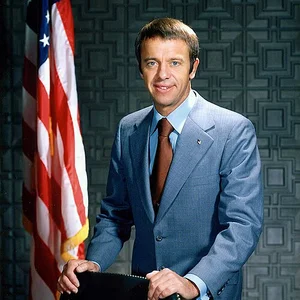
Alan Shepard
1923 — 1998
Alan Shepard was the first American to travel in space, on May 5, 1961, during the suborbital flight of Freedom 7. A Navy pilot turned NASA astronaut, he also walked on the Moon in 1971 during the Apollo 14 mission.
Andriyan Nikolayev
A Soviet cosmonaut, he completed the Vostok 3 mission in 1962, making 64 orbits around Earth. In 1970, aboard Soyuz 9, he set an endurance record of 18 days in space. The husband of Valentina Tereshkova, he stands as a symbol of Soviet space exploration.
Ariel Sharon
1928 — 2014
Israeli general and statesman, a major military figure in the Arab-Israeli wars. Prime Minister of Israel from 2001 to 2006, he ordered the unilateral withdrawal from the Gaza Strip in 2005 before being struck by a stroke that left him in a coma.
Benito Mussolini
1883 — 1945
Italian politician, founder of fascism and head of the government from 1922 to 1943. A dictator (“Duce”), he established a totalitarian regime in Italy and brought the country into World War II alongside Nazi Germany.
Bernard Montgomery
1887 — 1976
British field marshal, one of the principal Allied military commanders of the Second World War. He led the victorious 8th Army at El Alamein and then commanded the Allied ground forces during the Normandy landings.
Buzz Aldrin
1930 — ?
An American astronaut, he was the second man to walk on the Moon during the Apollo 11 mission on July 20, 1969. A former combat pilot in Korea and holder of a doctorate in orbital mechanics, he contributed to the development of space rendezvous techniques.
Chiang Kai-shek
1887 — 1975
Chinese military leader and statesman, head of the Kuomintang (Nationalist Party) after the death of Sun Yat-sen. Defeated by Mao Zedong's communists in 1949, he withdrew to the island of Taiwan, where he led the Republic of China until his death.
Diana Spencer
1961 — 1997
Princess of Wales (1981–1996), Diana Spencer became a global humanitarian figure through her commitment to banning landmines and supporting people living with AIDS. Her informal diplomatic influence and tragic death in 1997 made her an icon of the 20th century.
Eileen Collins
1956 — ?
An American astronaut and military pilot, Eileen Collins was the first woman to pilot and then command an American Space Shuttle. She completed four missions with NASA between 1995 and 2005.
Eisenhower
American general, Supreme Commander of the Allied forces in Europe during World War II and architect of the Normandy landings. He went on to become the 34th President of the United States from 1953 to 1961.
Emiliano Zapata
1879 — 1919
Emiliano Zapata (1879-1919) was a Mexican peasant leader and a major figure of the Mexican Revolution. A champion of the southern peasants, he demanded the return of land to rural communities under the rallying cry “Tierra y Libertad” (Land and Liberty).
Erwin Rommel
1891 — 1944
Erwin Rommel was a German field marshal of the Second World War, nicknamed the “Desert Fox” for his command of the Afrikakorps in North Africa. Marginally implicated in the 20 July 1944 plot against Hitler, he was forced to commit suicide.
Foch
1851 — 1929
Ferdinand Foch (1851-1929) was a French marshal, military theorist, and strategist. Appointed commander-in-chief of the Allied forces in 1918, he led the coalition to victory in the First World War and received the German surrender.
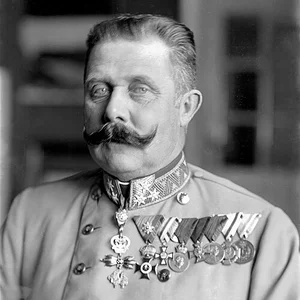
Franz Ferdinand of Austria
1863 — 1914
Archduke and heir to the Austro-Hungarian Empire, his assassination in Sarajevo on June 28, 1914, by Gavrilo Princip triggered the First World War. A central figure in the nationalism and European tensions of the early twentieth century.
Fred Noonan
1893 — 1938
An American navigator and aviator, Fred Noonan served as navigator for Amelia Earhart during their attempted around-the-world flight in 1937. He disappeared with her over the Pacific, leaving behind one of aviation's greatest mysteries.
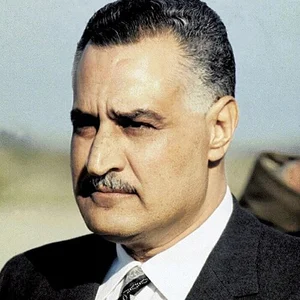
Gamal Abdel Nasser
1918 — 1970
Egyptian military officer and statesman (1918–1970), Nasser was the chief architect of the 1952 revolution that overthrew the monarchy. President of Egypt from 1956 until his death, he became the embodiment of Arab nationalism and Third Worldism.
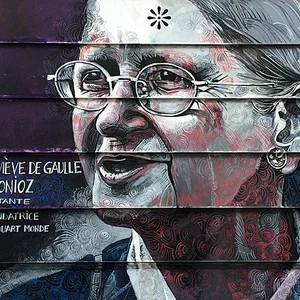
Geneviève de Gaulle-Anthonioz
1920 — 2002
Niece of General de Gaulle, French resistance fighter deported to Ravensbrück (1944–1945). After the war, she committed herself to ATD Fourth World and led the organization from 1964 to 1998, dedicating her life to the fight against extreme poverty.
Germaine Tillion
1907 — 2008
A French ethnologist specializing in the Berber societies of Algeria, Germaine Tillion joined the Resistance in 1940 before being deported to Ravensbrück. A survivor and tireless witness, she dedicated her entire life to human rights and understanding between peoples.
Guy Môquet
1924 — 1941
Young French communist militant, arrested at 16 in 1940 and shot as a hostage at Châteaubriant on October 22, 1941, at the age of 17. His farewell letter to his family, written a few hours before his execution, became a symbol of the French Resistance.
Hannah Senesh
Hungarian Jewish poet and resistance fighter. After emigrating to Mandatory Palestine, she enlisted as a paratrooper in the British army to rescue the Jews of Hungary. Captured, tortured, and executed by the Nazis in 1944, she became a national heroine in Israel.
Hannie Schaft
1920 — 1945
Dutch resistance fighter during the Nazi occupation of the Netherlands. Nicknamed “the girl with the red hair,” she took part in sabotage operations and the execution of collaborators before being arrested and shot at the age of 24, three weeks before the liberation.
Ho Chi Minh
Vietnamese revolutionary and statesman, founder of the Indochinese Communist Party and later of the Democratic Republic of Vietnam. A leading figure in the anti-colonial struggle against France and then the United States, he embodies the independence and reunification of Vietnam.

Jacques Bonsergent
1912 — 1940
A French civil engineer, Jacques Bonsergent was the first Parisian civilian executed by the Germans during the Occupation, on December 23, 1940. His execution, following a scuffle with German soldiers, made him a symbol of passive resistance and martyrdom.
Joffre
1852 — 1931
Joseph Joffre (1852-1931) was a French general, commander-in-chief of the French army at the start of the First World War. Victor of the Battle of the Marne in September 1914, he became a Marshal of France in 1916.
John Glenn
1921 — 2016
John Glenn was the first American to orbit the Earth on February 20, 1962, aboard the Friendship 7 capsule. A military pilot and Korean War hero, he later became a senator from Ohio and returned to space in 1998 at age 77.
Lawrence of Arabia
British officer, archaeologist and writer, famous for his role as a liaison with the Arab tribes during the Arab Revolt against the Ottoman Empire (1916-1918). His autobiographical account “Seven Pillars of Wisdom” forged his legend.
Lucie Aubrac
1912 — 2007
A French Resistance fighter, she organized the escape of her husband Raymond Aubrac from a Lyon prison on October 21, 1943. A committed history teacher, she became after the war a symbol of the Resistance and spent her entire life working to keep its memory alive.
Lyudmila Pavlichenko
1916 — 1974
Lyudmila Pavlichenko is the deadliest sniper in history, credited with 309 confirmed kills on the Soviet-German front. Nicknamed “Lady Death,” she became a symbol of Soviet resistance and an international ambassador as early as 1942.
MacArthur
American general, one of the great military figures of the United States in the 20th century. Allied commander-in-chief in the Pacific during the Second World War, he then led the occupation of Japan and afterward the UN forces at the start of the Korean War.
Maria Bochkareva
1889 — 1920
Maria Bochkareva was a Russian soldier of peasant origin who fought during the First World War. In 1917, she founded and commanded the first women's “Battalion of Death” in the Russian army, a unit meant to rally troops demoralized by the revolution.
Marie Marvingt
1875 — 1963
Marie Marvingt (1875-1963) was a French athlete, aviator, and journalist nicknamed “the fiancée of danger.” A pioneer of aviation and mountaineering, she conceived the idea of the air ambulance and was one of the most decorated women in the history of France.
Maurice Genevoix
1890 — 1980
French writer (1890–1980), Maurice Genevoix is the author of *Ceux de 14* ("Those of '14"), a landmark eyewitness account of the First World War. A member of the Académie française and its perpetual secretary, he was inducted into the Panthéon in 2020.
Mélinée Manouchian
1913 — 1989
An Armenian resistance fighter who took refuge in France, she married Missak Manouchian, leader of the FTP-MOI network. After her husband's execution by the Nazis in February 1944 (the Red Poster affair), she dedicated her life to keeping alive the memory of the foreign resistance fighters who died for France.
Miguel Primo de Rivera
1870 — 1930
A Spanish general born in 1870, he established a dictatorship in Spain from 1923 to 1930 following a coup d'état. His authoritarian regime, backed by King Alfonso XIII, preceded the political crisis that led to the Second Spanish Republic.
Missak Manouchian
1906 — 1944
Armenian poet and Communist resistance fighter, Missak Manouchian led the FTP-MOI group in Paris during the Occupation. Arrested by the Gestapo, he was featured on the Affiche rouge by Nazi propaganda before being shot at Mont-Valérien on February 21, 1944.
Moshe Dayan
1915 — 1981
Moshe Dayan (1915-1981) was an Israeli general and politician, famous for the black patch over his left eye. As Chief of Staff and later Minister of Defense, he embodied Israel's military victories during the Six-Day War (1967).
Nancy Wake
1912 — 2011
Resistance fighter of New Zealand and Australian origin, an agent of the British SOE during the Second World War. Nicknamed “the White Mouse” by the Gestapo, she was one of the most decorated women of the conflict for her work in the French Resistance.
Noor Inayat Khan
1914 — 1944
A radio operator for the British Special Operations Executive (SOE), of Indian origin and Sufi tradition, she was parachuted into occupied France in 1943. Arrested by the Gestapo, she was executed at the Dachau camp in 1944 and posthumously awarded the George Cross.
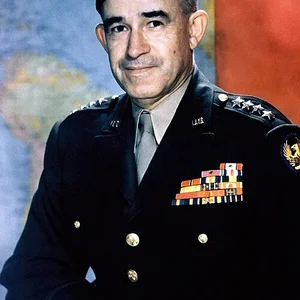
Omar Bradley
1893 — 1981
American general of World War II, he commanded U.S. ground forces during the Normandy landings in June 1944. Nicknamed "the G.I.'s general," he later became the first Chairman of the Joint Chiefs of Staff and the last five-star general in the United States.
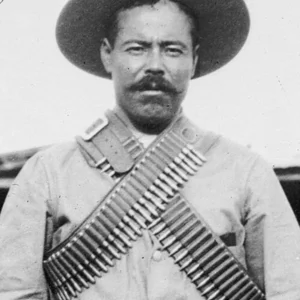
Pancho Villa
1878 — 1923
A Mexican revolutionary leader, Pancho Villa was one of the key figures of the Mexican Revolution (1910-1920). At the head of his famous Division of the North, he fought against the regimes of Porfirio Díaz and then Victoriano Huerta before leading an armed raid against the town of Columbus, New Mexico, in 1916.
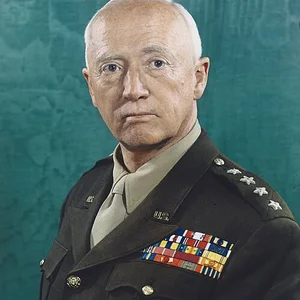
Patton
American general of the Second World War, renowned for his boldness and his mastery of armored warfare. He commanded the U.S. Seventh and then the Third Army during the campaigns in Sicily, Normandy, and Germany.
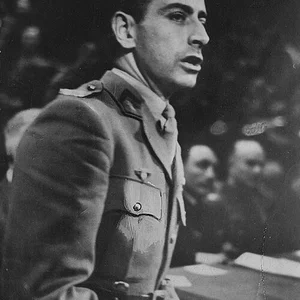
Pierre Brossolette
1903 — 1944
Journalist, politician, and French resistance fighter (1903–1944), Pierre Brossolette was one of the principal organizers of the internal Resistance in liaison with Free France. Arrested by the Gestapo, he took his own life to avoid betraying his comrades under torture.
Pierre Georges (Colonel Fabien)
A French communist militant and resistance fighter, he became famous for shooting German officer candidate Alfons Moser at a Paris Métro station on 21 August 1941, the first armed attack against the Nazi occupiers in Paris. He went on to fight with the FTP and later commanded a Free French brigade, dying in combat in Alsace in December 1944.
Pol Pot
1925 — 1998
Pol Pot, whose real name was Saloth Sâr, was a Cambodian statesman and revolutionary, general secretary of the Communist Party of Kampuchea. As leader of the Khmer Rouge, he ruled Cambodia from 1975 to 1979 and bears responsibility for the Cambodian genocide, which killed around 1.7 million people.
Robert Capa
1913 — 1954
Robert Capa (1913-1954) was a photographer and war correspondent of Hungarian origin. A co-founder of the Magnum Photos agency, he covered five major conflicts of the 20th century and embodies war photojournalism.
Robert Falcon Scott
1868 — 1912
A British Royal Navy officer, Robert Falcon Scott led two expeditions to Antarctica. During his second expedition (1910–1913), he reached the South Pole in January 1912, only to discover that Amundsen had beaten him by a month. Scott and his four companions perished on the return journey.
Suharto
1921 — 2008
An Indonesian general and statesman, Suharto was the second president of Indonesia from 1967 to 1998. He came to power after a bloody anti-communist purge and established an authoritarian regime known as the “New Order” before being toppled by the Asian financial crisis.
Thomas Sankara
1949 — 1987
Burkinabè officer and revolutionary, president of Burkina Faso from 1983 to 1987. A figure of Pan-Africanism and anti-imperialism, he renamed Upper Volta “Burkina Faso” (“land of upright people”) and led radical reforms before being assassinated during a coup d'état.
Tojo
1884 — 1948
Japanese general and statesman, Prime Minister of Japan from 1941 to 1944. A leading figure of Japanese militarism, he ordered the attack on Pearl Harbor, which brought Japan into war against the United States. Tried as a Class A war criminal, he was sentenced to death and executed in 1948.
Vera Atkins
1908 — 2000
Vera Atkins was a British intelligence officer of Romanian origin and a leading figure in the French section of the Special Operations Executive (SOE) during the Second World War. As a recruiter and trainer of the agents sent into occupied France, she devoted the post-war years to tracing the fate of the agents who had gone missing, especially the women who had been deported.
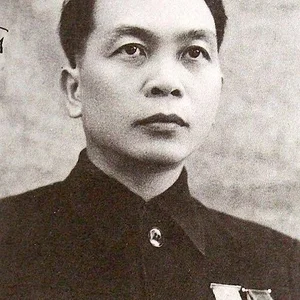
Vo Nguyen Giap
1911 — 2013
Vietnamese general and politician, the principal military leader of the Việt Minh and later of the North Vietnamese army. The architect of the victory at Diên Biên Phu against France in 1954, he was one of the strategists of both the war of independence and the Vietnam War.
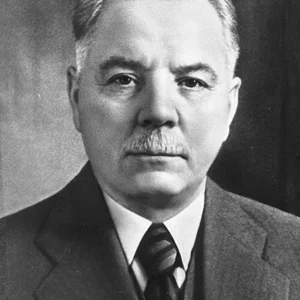
Voroshilov
1881 — 1969
Soviet marshal and statesman, one of the first Marshals of the Soviet Union appointed in 1935. A close associate of Stalin, he served as People's Commissar for Defence and later as the nominal head of the Soviet state from 1953 to 1960.
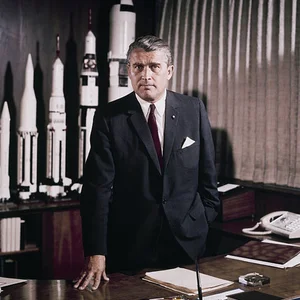
Wernher von Braun
1912 — 1977
A German-American aerospace engineer, he designed the V-2 rocket for Nazi Germany before being recruited by the United States. He then led NASA's Saturn V program, which carried Apollo 11 to the Moon in 1969.
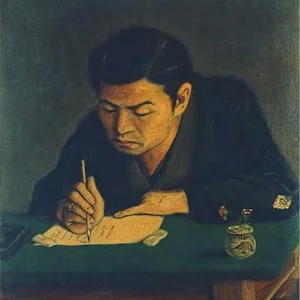
Yamamoto
1984 — ?
Japanese admiral, commander-in-chief of the Combined Fleet of the Imperial Japanese Navy during World War II. The architect of the surprise attack on Pearl Harbor in 1941, he was one of the leading naval strategists in the Pacific before being shot down in 1943.
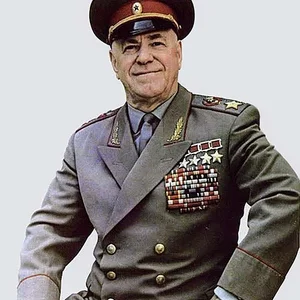
Zhukov
1896 — 1974
Marshal of the Soviet Union and the leading military commander of the Red Army during the Second World War. Victorious in decisive battles against Nazi Germany, he led the final assault on Berlin in 1945.