 flip
flipUova haminados — Long-Simmered Eggs for the Rest
Uova haminados — Long-Simmered Eggs for the Rest
Why this dish? Familiar in the Jewish homes of Livorno and Lyon where he was welcomed, Pallière knew these eggs cooked for hours on the eve of Shabbat, because the fire is not rekindled during the rest. A dish that embodies the very spirit of the law he admired: to prepare, in order to rest better.
Hard-boiled eggs cooked very long over very low heat in water browned with onion skins: the white becomes creamy, the yolk melting, and the shell takes on amber tones. The patient taste of prepared rest.
I am often asked what touched me about Shabbat; I sometimes answer: an egg. For on Friday, since no fire is lit until the next evening, the housewife leaves her eggs in onion skins on a corner of the stove for hours, all night. In the morning, they have turned golden on the outside, creamy on the inside, and their flavor has nothing in common with the hurried egg of our cities. Taste one, without haste: you will understand that waiting is also a way of believing.
- •Eggs — as many as guests (base)
- •Onion skins — a good handful (color and flavor)
- •Olive oil — a drizzle (softness)
- •Salt, pepper — to taste (seasoning)
Uova haminados — Long-Simmered Eggs for the Rest
Hard-boiled eggs cooked very long over very low heat in water browned with onion skins: the white becomes creamy, the yolk melting, and the shell takes on amber tones. The patient taste of prepared rest.
Why this dish? Familiar in the Jewish homes of Livorno and Lyon where he was welcomed, Pallière knew these eggs cooked for hours on the eve of Shabbat, because the fire is not rekindled during the rest. A dish that embodies the very spirit of the law he admired: to prepare, in order to rest better.
I am often asked what touched me about Shabbat; I sometimes answer: an egg. For on Friday, since no fire is lit until the next evening, the housewife leaves her eggs in onion skins on a corner of the stove for hours, all night. In the morning, they have turned golden on the outside, creamy on the inside, and their flavor has nothing in common with the hurried egg of our cities. Taste one, without haste: you will understand that waiting is also a way of believing.
Ingredients (period version)
- Eggs — as many as guests (base)
- Onion skins — a good handful (color and flavor)
- Olive oil — a drizzle (softness)
- Salt, pepper — to taste (seasoning)
Ingredients
- Eggs — 6 (base)
- Dried skins from 4 to 5 onions — 1 large handful (brown color and aroma)
- Olive oil — 1 tbsp (softness)
- Salt, pepper — to taste (seasoning)
- Water — to cover (cooking liquid)
Method
- Line the bottom of a saucepan with onion skins, place the eggs on top, cover with water, and add a drizzle of olive oil.
- Bring to a simmer, then reduce heat to minimum, cover, and cook very gently for 4 to 6 hours (add water if needed).
- Let cool in the cooking water: the shell takes on a beautiful amber hue and the white a creamy tenderness.
- Peel, season with salt and pepper, and drizzle with olive oil.
- Serve warm or cold — they keep for several days in a cool place.
How it was made : These eggs, called haminados (from hamin, 'hot'), accompanied the Shabbat meal in Sephardic communities: prepared on Friday, they cooked on residual heat without rekindling the fire prohibited during the rest. They are the archetype of the keepable dish.
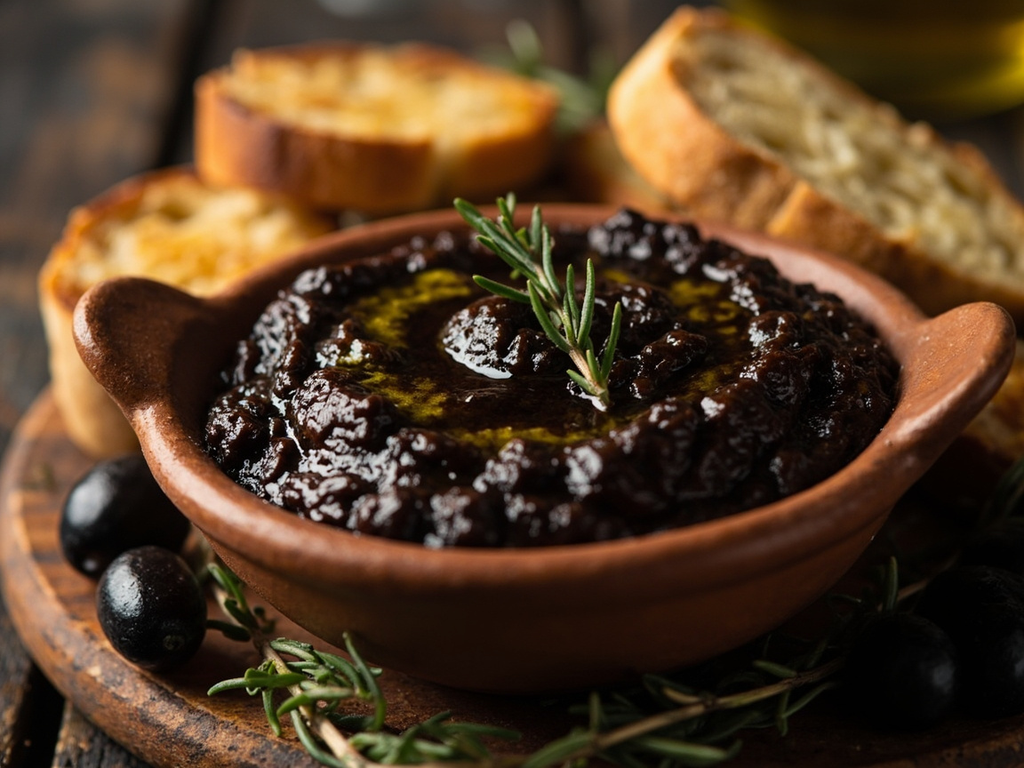
The contemporary twist : Cut them in half to reveal the amber/cream contrast and place them on a black olive purée: an egg mimosa that would have traveled to Livorno.
Aimé Pallière · Charactorium