 flip
flipBotamochi — Rice Balls Coated in Azuki
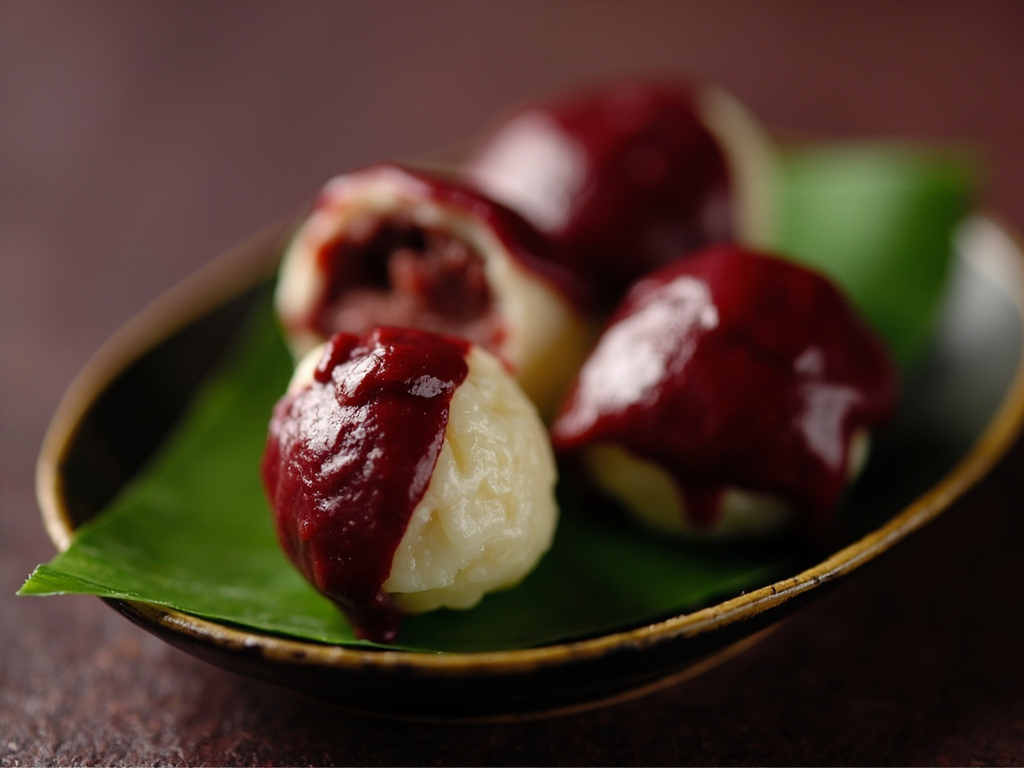
Botamochi — Rice Balls Coated in Azuki
Why this dish? At the equinoxes (ohigan), Japanese families place botamochi on the ancestral altar before sharing them. As a mother of a large family and a woman deeply attuned to the seasons, Akiko lived these domestic rituals where the sweetness of azuki connects the living and the departed.
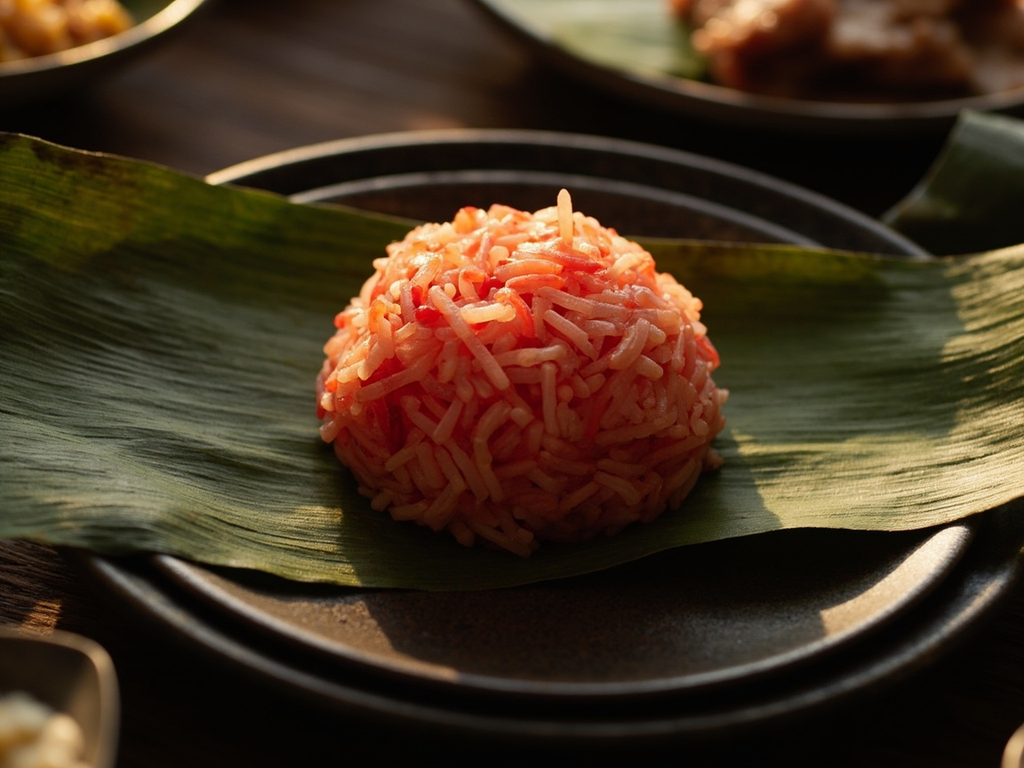
A ball of half-pounded rice, wrapped in a sweet and velvety azuki bean paste. A comforting treat, prepared at the change of seasons, both an offering to ancestors and a shared family delight.
When day and night are equal, in spring as in autumn, I prepare botamochi for the ancestors' altar before we taste them ourselves. You cook the rice, you pound it halfway — neither whole grain nor smooth cake, but that in-between they call 'neither bird nor egg.' Then you coat each ball with still-warm azuki paste, with moistened fingertips. It is humble, it is gentle, and yet each bite feels like a poem offered to those who are no more.
- •Glutinous rice and regular rice mixed — two bowls (heart of the sweet)
- •Azuki beans — one bowl (coating paste)
- •Sugar — to taste (sweetness)
- •Pinch of salt — one pinch (enhances sweetness)
Botamochi — Rice Balls Coated in Azuki
A ball of half-pounded rice, wrapped in a sweet and velvety azuki bean paste. A comforting treat, prepared at the change of seasons, both an offering to ancestors and a shared family delight.
Why this dish? At the equinoxes (ohigan), Japanese families place botamochi on the ancestral altar before sharing them. As a mother of a large family and a woman deeply attuned to the seasons, Akiko lived these domestic rituals where the sweetness of azuki connects the living and the departed.
When day and night are equal, in spring as in autumn, I prepare botamochi for the ancestors' altar before we taste them ourselves. You cook the rice, you pound it halfway — neither whole grain nor smooth cake, but that in-between they call 'neither bird nor egg.' Then you coat each ball with still-warm azuki paste, with moistened fingertips. It is humble, it is gentle, and yet each bite feels like a poem offered to those who are no more.
Ingredients (period version)
- Glutinous rice and regular rice mixed — two bowls (heart of the sweet)
- Azuki beans — one bowl (coating paste)
- Sugar — to taste (sweetness)
- Pinch of salt — one pinch (enhances sweetness)
Ingredients
- Glutinous rice (mochigome) — 200 g (base)
- Regular short-grain rice — 100 g (base)
- Dried azuki beans — 250 g (coating paste (anko))
- Sugar — 200 g (sweetness)
- Salt — 1 pinch (balance)
Method
- Soak the azuki beans, then cook in simmering water for 1–1.5 hours until tender, changing the water once at the beginning.
- Add the sugar in two batches and a pinch of salt, cook while stirring until a thick paste (anko) forms; let cool slightly.
- Cook the two types of rice together, then pound them coarsely with a moistened pestle: you want a texture halfway between grain and paste.
- Form rice balls the size of an egg, moistening your hands.
- Spread a spoonful of anko on a damp cloth, place the rice ball on it, and coat it entirely.
- Serve warm or at room temperature, ideally the same day.
How it was made : The same sweet is called "botamochi" in spring (in honor of the peony, botan) and "ohagi" in autumn (in honor of the bush clover, hagi). Red azuki was believed to ward off evil spirits, hence its place in offerings. Sugar, which became more accessible in the Meiji era, made these sweets more generous than in previous centuries.
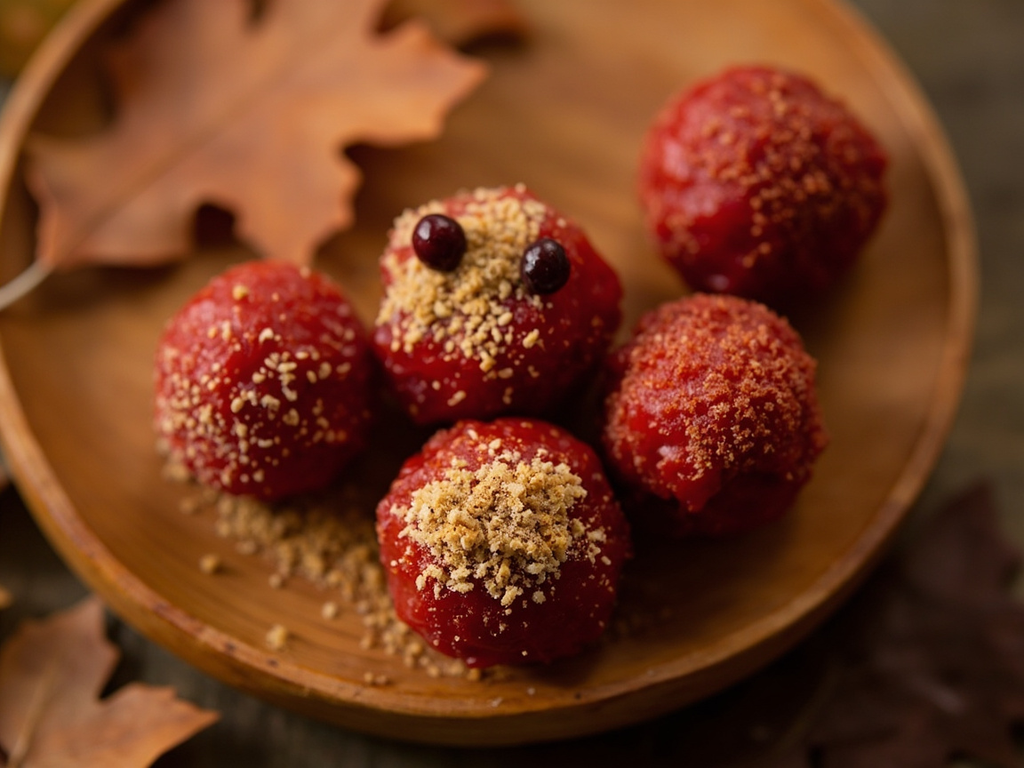
The contemporary twist : Roll some of them in kinako (roasted soybean flour) instead of azuki: two colors on the plate, one deep red, the other golden like equinox light.
Akiko Yosano · Charactorium