 flip
flipMarching Barley Bread
Marching Barley Bread
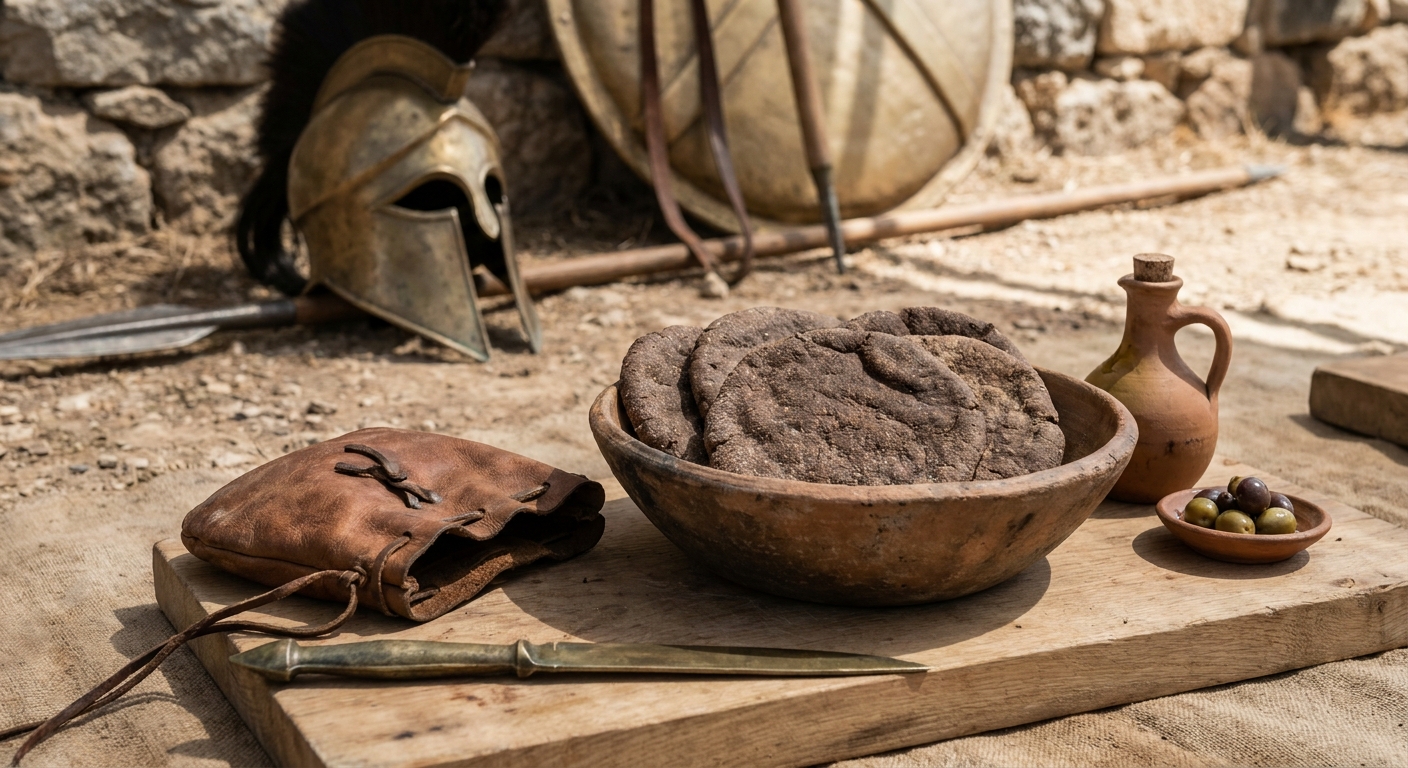
Why this dish? A Visigothic army marching all across Italy does not eat boar every day. On the long roads from Pollentia to Cosenza, this hard barley flatbread, baked in advance and slipped into the pouch, kept Alaric's warriors on their feet between grain store pillages.
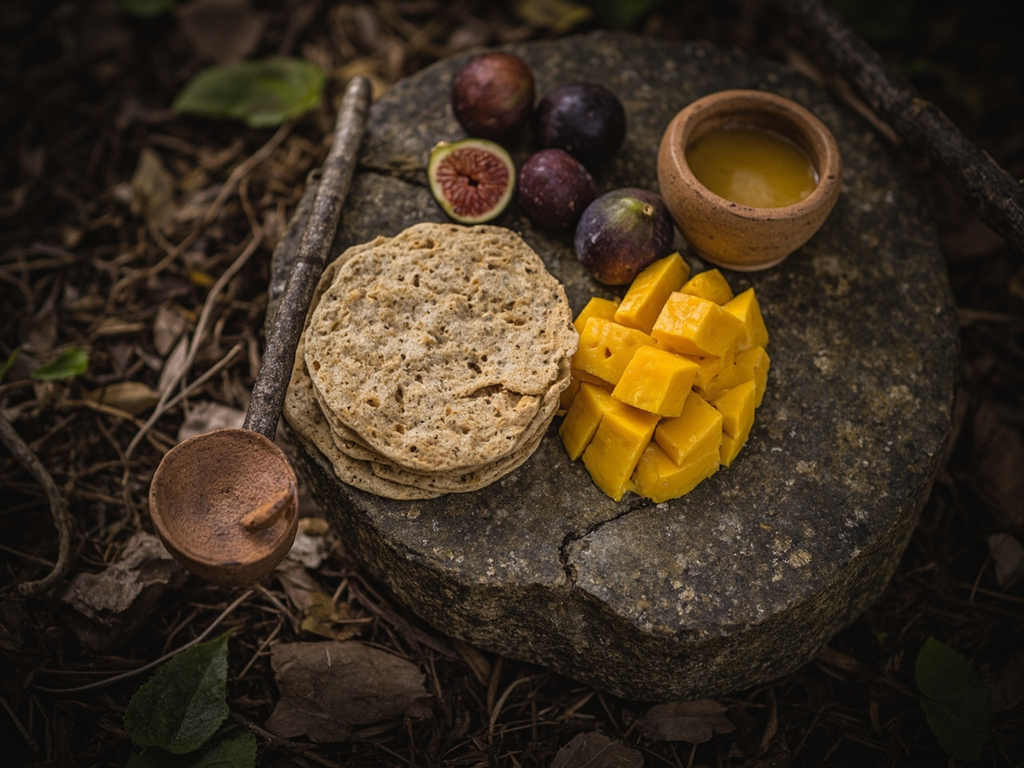
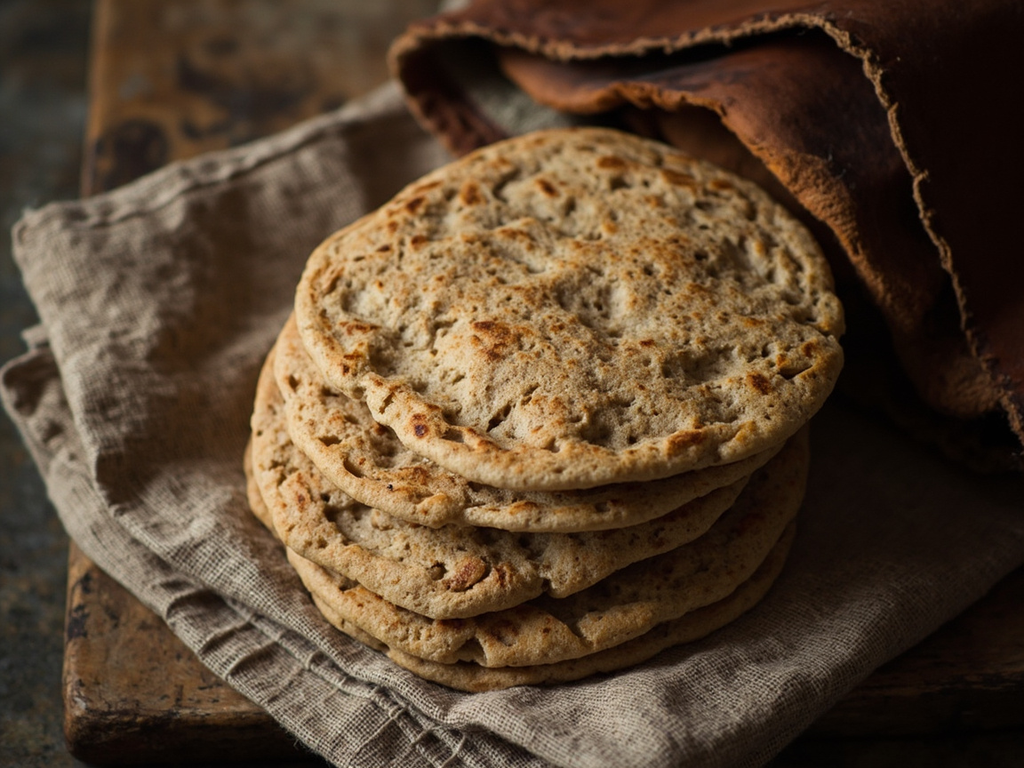
A thick, rustic barley flatbread, barely leavened, baked on a hot stone. Its earthy, slightly bitter taste keeps for several days and is soaked in milk, broth, or wine to soften.
You want to know what a Goth eats when there is no feast or city to take? This. Ground barley, water, salt, baked on the hearth stone until it hardens like a shield. It is not tender, I grant you, but it does not rot and it does not betray. Dip it in your milk or in the wine taken from the enemy, and it will carry you from dawn to dawn. A full belly is worth a half-won battle.
- •Barley flour — a full bowl (base cereal)
- •Water — as needed (binder)
- •Salt — a pinch (flavor and preservation)
- •Sourdough from the day before — a little, if available (light leavening (optional))
Marching Barley Bread
A thick, rustic barley flatbread, barely leavened, baked on a hot stone. Its earthy, slightly bitter taste keeps for several days and is soaked in milk, broth, or wine to soften.
Why this dish? A Visigothic army marching all across Italy does not eat boar every day. On the long roads from Pollentia to Cosenza, this hard barley flatbread, baked in advance and slipped into the pouch, kept Alaric's warriors on their feet between grain store pillages.
You want to know what a Goth eats when there is no feast or city to take? This. Ground barley, water, salt, baked on the hearth stone until it hardens like a shield. It is not tender, I grant you, but it does not rot and it does not betray. Dip it in your milk or in the wine taken from the enemy, and it will carry you from dawn to dawn. A full belly is worth a half-won battle.
Ingredients (period version)
- Barley flour — a full bowl (base cereal)
- Water — as needed (binder)
- Salt — a pinch (flavor and preservation)
- Sourdough from the day before — a little, if available (light leavening (optional))
Ingredients
- Barley flour — 300 g (base cereal)
- Wheat flour — 100 g (gives some structure)
- Warm water — about 250 ml (binder)
- Salt — 1 tsp (flavor)
- Sourdough or pinch of yeast — optional (light leavening)
Method
- Mix the flours and salt, add water little by little until you get a firm, non-sticky dough.
- Knead briefly and shape into flat cakes about 1.5 cm thick.
- If using a sourdough, let rest one hour; otherwise, cook immediately.
- Cook on a very hot stone or cast-iron pan, without fat, 6 to 8 minutes per side.
- Let cool and dry completely: the flatbread then keeps for several days and is soaked before eating.
How it was made : Barley, more rustic than wheat, was the poor man's and soldier's grain throughout the ancient world. Baked into dry flatbreads, barley bread could be transported without spoiling — the Germanic equivalent of hardtack. The Romans despised barley as punishment food for troops, but the Goths made it a travel companion.
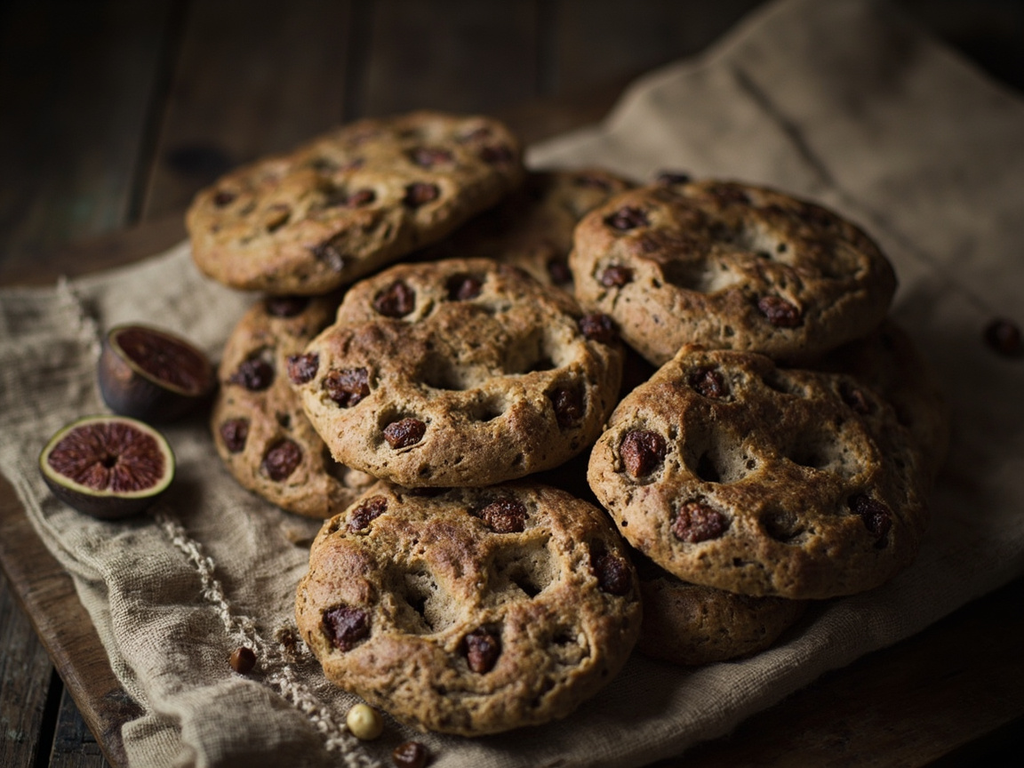
The contemporary twist : A 'trek' version sprinkled with caraway or sesame seeds, to take on hikes like a Nordic crackerbread.
Alaric I · Charactorium