 flip
flipHard Biscuits and Figs of the Itinerant Court
Hard Biscuits and Figs of the Itinerant Court
Why this dish? Pope Alexander IV never resided in peace: threatened in Rome, he governed from Viterbo and Anagni, moving his court according to dangers. Such an itinerant life required provisions that would keep: twice-baked wheat biscuits and dried figs, easily transported in the baggage of the pontifical retinue.
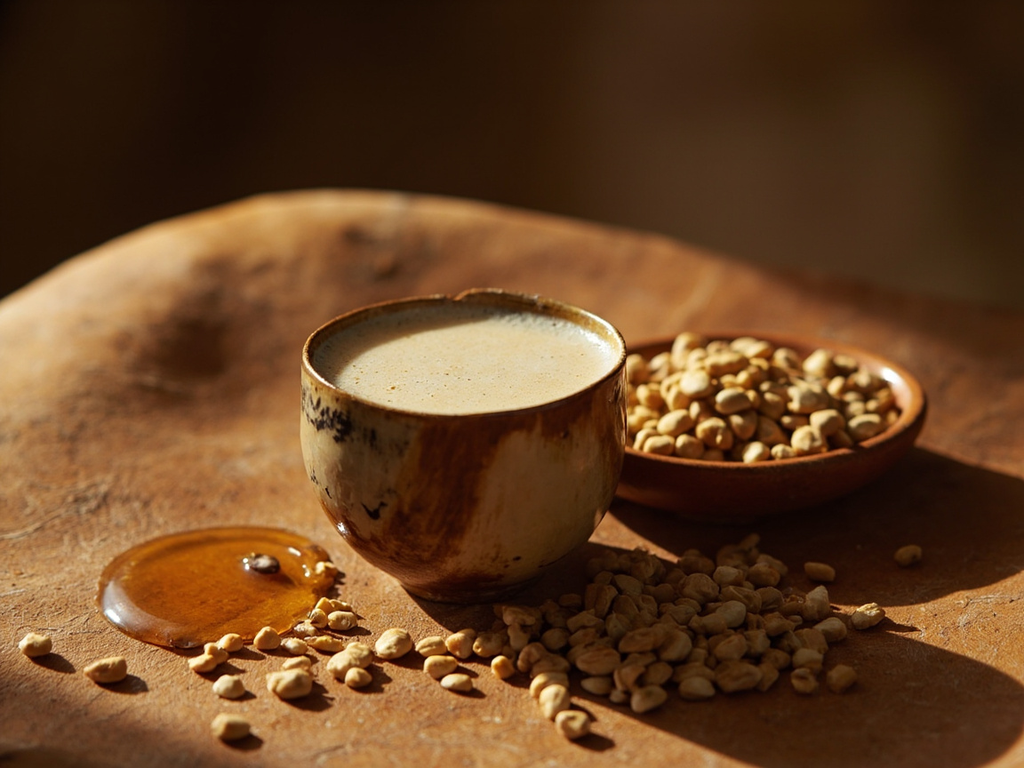
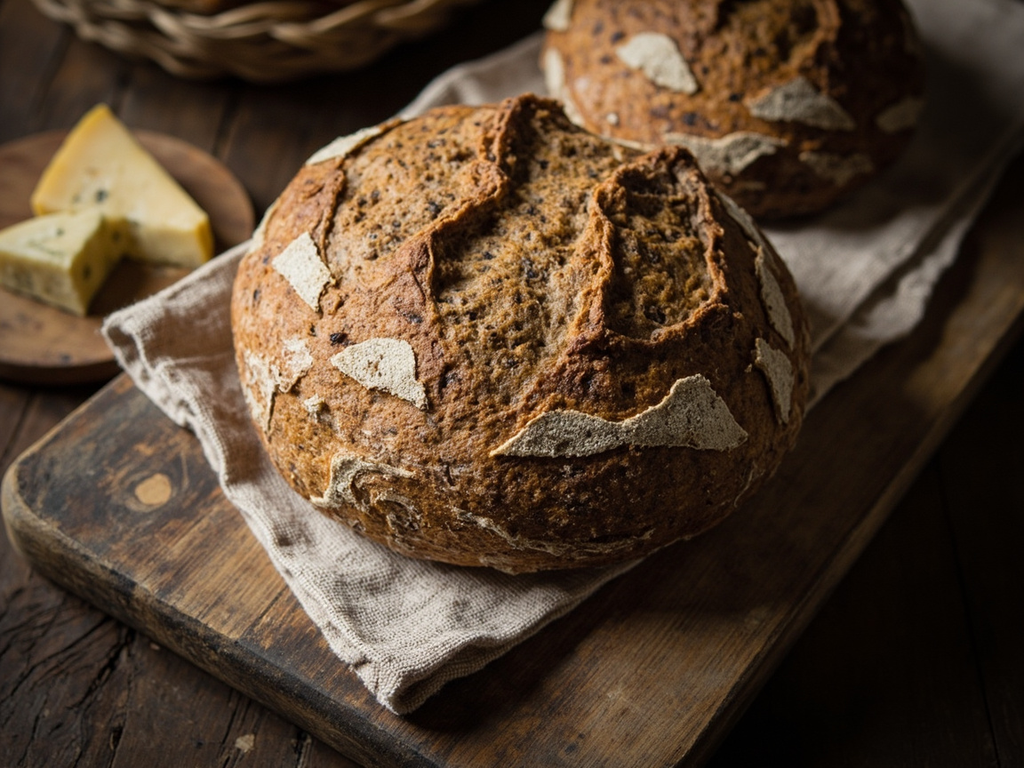
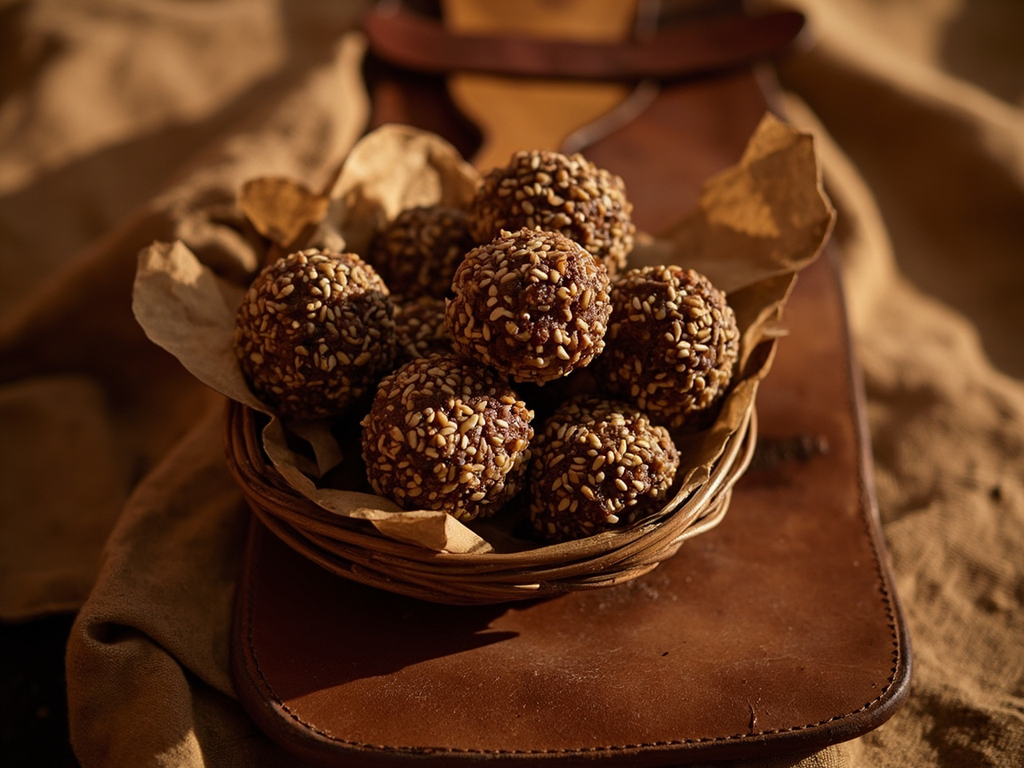
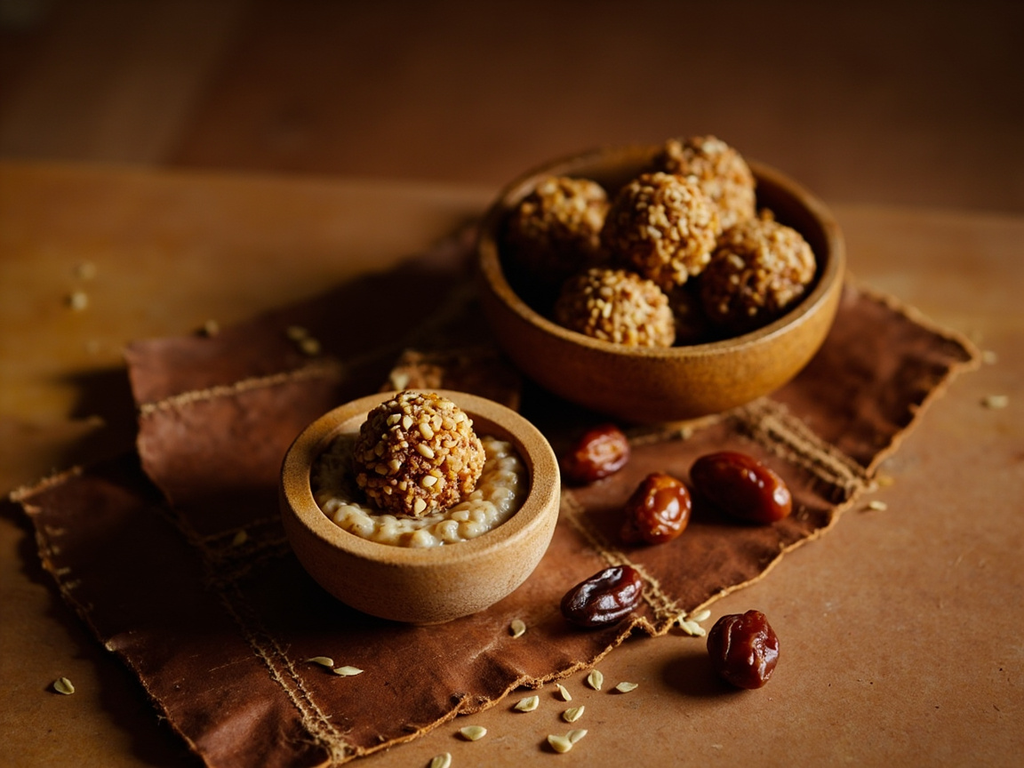
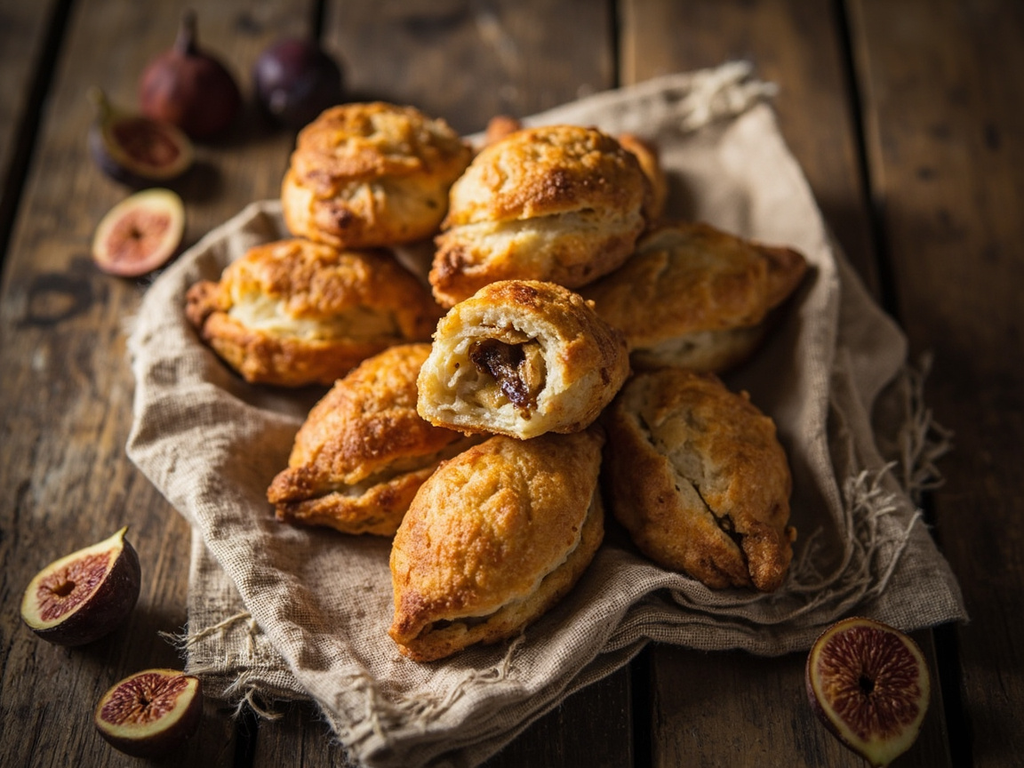
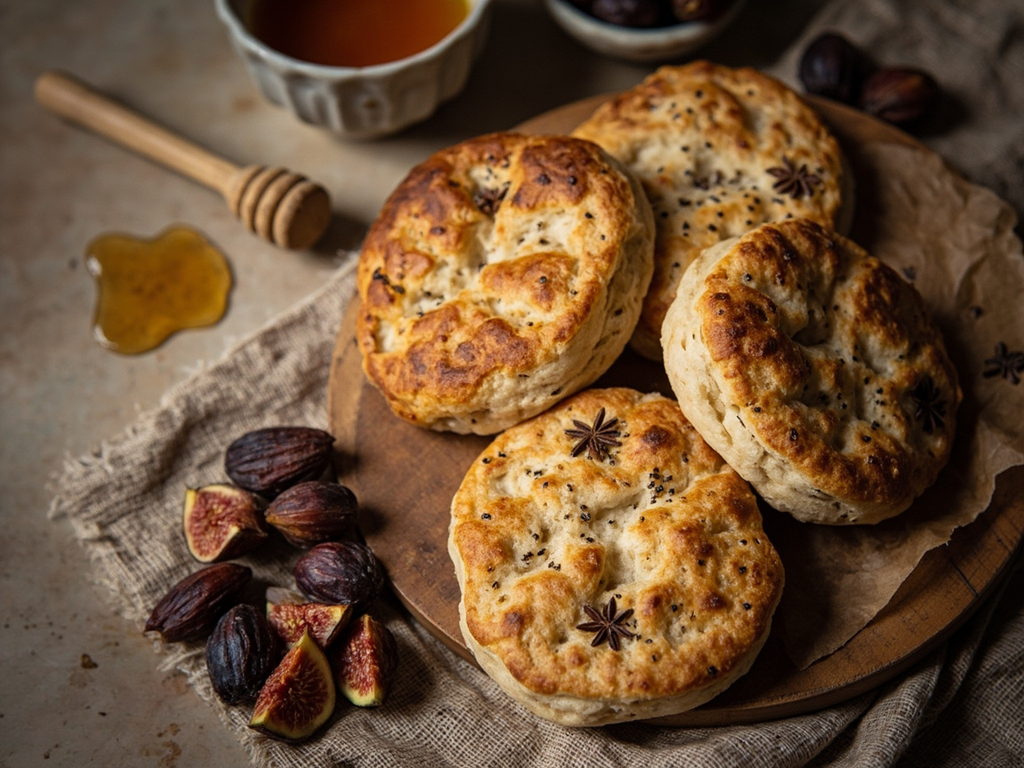
Wheat biscuits baked twice to preserve them (the ancestor of the travel biscuit), accompanied by dried figs and a little honey. A simple, durable provision for the chapel and chancellery on the road.
Our See is in Rome, but prudence often leads Us along the roads of Latium, to Viterbo and to Anagni. On these journeys, there is no set table: we carry what keeps. Bake these wheat biscuits twice, so that they harden and last the long days without spoiling; add dried figs and a little honey, and you will have enough to sustain the body between stages. Pilgrim and pope alike are content with the bread of the road, and find it sufficient.
- •Wheat flour — as needed (base of the biscuit)
- •Water — as needed (binder)
- •Salt — a pinch (seasoning and preservation)
- •Honey — a little (binder and sweetness)
- •Dried figs — a handful (sweet accompaniment, keeps well)
- •Anise or fennel seeds — a pinch (flavor)
Hard Biscuits and Figs of the Itinerant Court
Wheat biscuits baked twice to preserve them (the ancestor of the travel biscuit), accompanied by dried figs and a little honey. A simple, durable provision for the chapel and chancellery on the road.
Why this dish? Pope Alexander IV never resided in peace: threatened in Rome, he governed from Viterbo and Anagni, moving his court according to dangers. Such an itinerant life required provisions that would keep: twice-baked wheat biscuits and dried figs, easily transported in the baggage of the pontifical retinue.
Our See is in Rome, but prudence often leads Us along the roads of Latium, to Viterbo and to Anagni. On these journeys, there is no set table: we carry what keeps. Bake these wheat biscuits twice, so that they harden and last the long days without spoiling; add dried figs and a little honey, and you will have enough to sustain the body between stages. Pilgrim and pope alike are content with the bread of the road, and find it sufficient.
Ingredients (period version)
- Wheat flour — as needed (base of the biscuit)
- Water — as needed (binder)
- Salt — a pinch (seasoning and preservation)
- Honey — a little (binder and sweetness)
- Dried figs — a handful (sweet accompaniment, keeps well)
- Anise or fennel seeds — a pinch (flavor)
Ingredients
- Wheat flour — 250 g (base)
- Water — about 100 ml (binder)
- Olive oil — 2 tbsp (dough suppleness)
- Honey — 1 tbsp (sweetness)
- Salt — 1/2 tsp (seasoning)
- Anise or fennel seeds — 1 tsp (flavor)
- Dried figs — a dozen (accompaniment)
Method
- Mix flour, salt, anise, honey, oil, and water to form a firm dough; knead briefly.
- Roll out thinly and cut into biscuits; prick with a fork.
- First bake at 180 °C for about 12 minutes.
- Reduce to 120 °C and continue baking for 20–30 min to dry them (the 'double baking' that preserves them).
- Let cool and harden; serve with dried figs. Store in a dry cloth.
How it was made : 'Biscuit' (bis-cuit, twice-baked) was the quintessential travel and sea provision: dried, it lasted weeks. Dried figs, honey, and dried fruits, rich in sugars, accompanied pilgrims, merchants, and itinerant courts throughout the medieval Mediterranean.
The contemporary twist : Dip a biscuit into a glass of warm ypocras: the 'legate's biscuit', halfway between Tuscan cantuccini and the memory of the papal road.
Sources : Regimen sanitatis Salernitanum · Documented traditions of medieval biscuit (pilgrimage and travel provisions)
Alexander IV · Charactorium