 flip
flipTourte de Blettes Sucrée
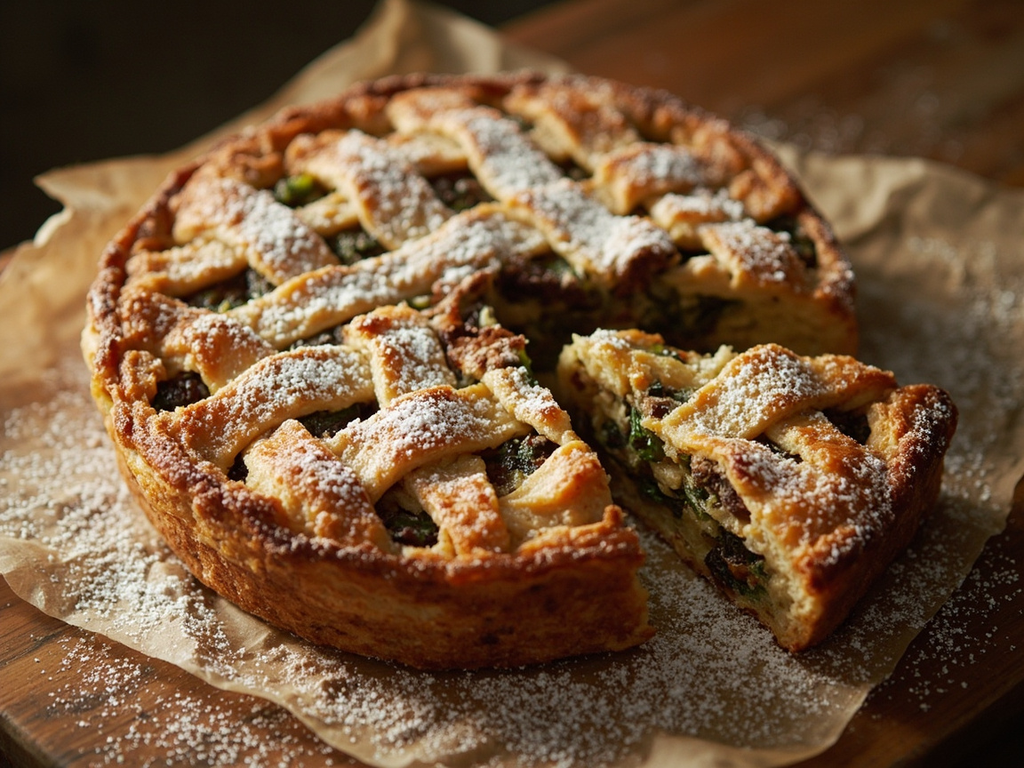
Tourte de Blettes Sucrée
Why this dish? Emblematic specialty of Nice, this surprising pie combines Swiss chard, apples, pine nuts, and raisins in a sweet pastry. It keeps for several days and is a source of pride for Niçois families: a sweet from Simone Veil's native land, at the crossroads of savory and sweet.
A covered pie where Swiss chard leaves marry with sugar, apples, pine nuts, raisins, and lemon zest, dusted with powdered sugar. Surprising, fragrant, it is eaten warm or cold.
Here is a dish that always surprises visitors: a sweet pie... with Swiss chard! Don't make that face, it is a pride of Nice. We put in apples, pine nuts, raisins, and a little lemon zest, and cover it all with a thin pastry. The great advantage is that it keeps for several days and only gets better. Dust it with sugar when serving, and you will see the skeptics ask for more.
- •Swiss chard leaves (green part only) — one bunch (surprising filling)
- •Apples — two (sweetness and acidity)
- •Pine nuts and raisins — a handful of each (filling)
- •Sugar, lemon zest — to taste (aroma)
- •Eggs, flour, olive oil — for the pastry and binder (structure)
Tourte de Blettes Sucrée
A covered pie where Swiss chard leaves marry with sugar, apples, pine nuts, raisins, and lemon zest, dusted with powdered sugar. Surprising, fragrant, it is eaten warm or cold.
Why this dish? Emblematic specialty of Nice, this surprising pie combines Swiss chard, apples, pine nuts, and raisins in a sweet pastry. It keeps for several days and is a source of pride for Niçois families: a sweet from Simone Veil's native land, at the crossroads of savory and sweet.
Here is a dish that always surprises visitors: a sweet pie... with Swiss chard! Don't make that face, it is a pride of Nice. We put in apples, pine nuts, raisins, and a little lemon zest, and cover it all with a thin pastry. The great advantage is that it keeps for several days and only gets better. Dust it with sugar when serving, and you will see the skeptics ask for more.
Ingredients (period version)
- Swiss chard leaves (green part only) — one bunch (surprising filling)
- Apples — two (sweetness and acidity)
- Pine nuts and raisins — a handful of each (filling)
- Sugar, lemon zest — to taste (aroma)
- Eggs, flour, olive oil — for the pastry and binder (structure)
Ingredients
- Swiss chard greens — 400 g (surprising filling)
- Apples — 2 (sweetness and acidity)
- Pine nuts + raisins (soaked) — 50 g + 50 g (filling)
- Sugar + lemon zest — 80 g + 1 lemon (aroma)
- Eggs — 2 (binder)
- Flour, olive oil, water — 300 g + 4 tbsp + a little (pastry)
- Powdered sugar — for dusting (finishing)
Method
- Prepare a pastry with the flour, olive oil, a pinch of salt, and enough water to make it pliable; let rest 30 minutes.
- Wash, stem, and finely chop the Swiss chard greens; mix with sugar, beaten eggs, lemon zest, drained raisins, and pine nuts.
- Roll out half the pastry in a pie dish, fill with the chard mixture, then arrange thin apple slices on top.
- Cover with the second pastry sheet, seal the edges, and cut a few steam vents.
- Bake 40–45 minutes at 180°C; let cool and dust generously with powdered sugar before serving.
How it was made : The Swiss chard pie testifies to a time when sweet and savory were not so separate, and when a cheap vegetable was transformed into a festive dessert. Its robustness made it a keeper pastry, ideal before the arrival of refrigerators: it improved over several days.
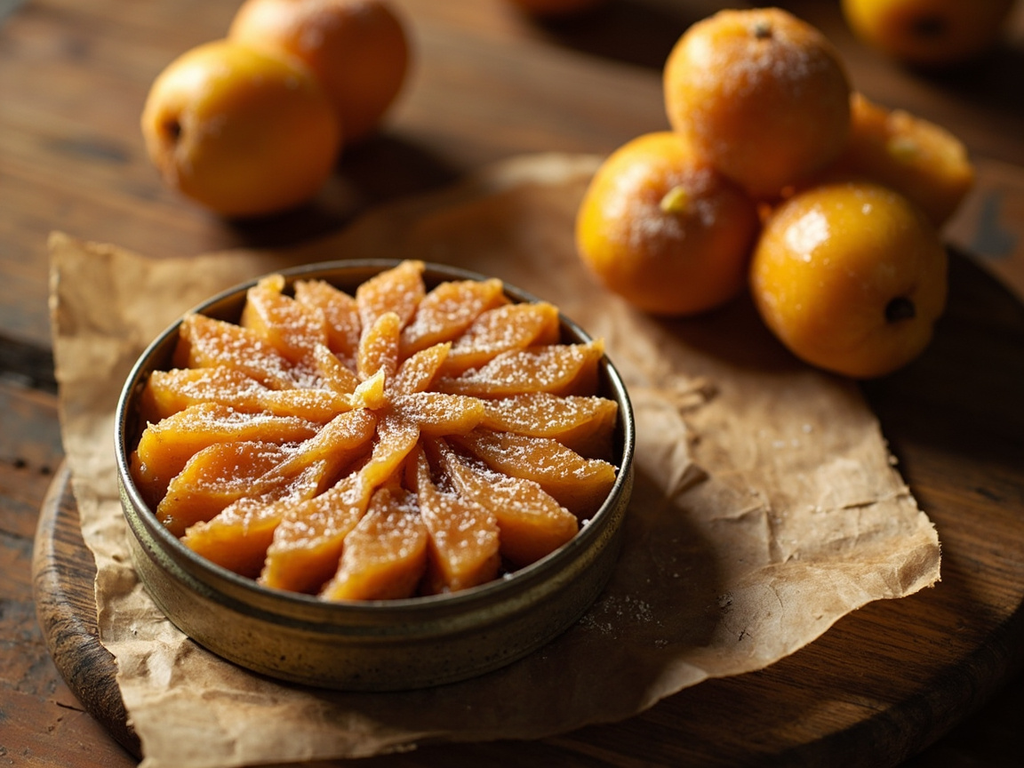
The contemporary twist : Cut it into small diamonds dusted with powdered sugar through a stencil, like mignardises, to gently reveal the surprise of chard in the last bite.
Sources : Jacques Médecin, La Cuisine du Comté de Nice (1972)
Simone Veil · Charactorium