 flip
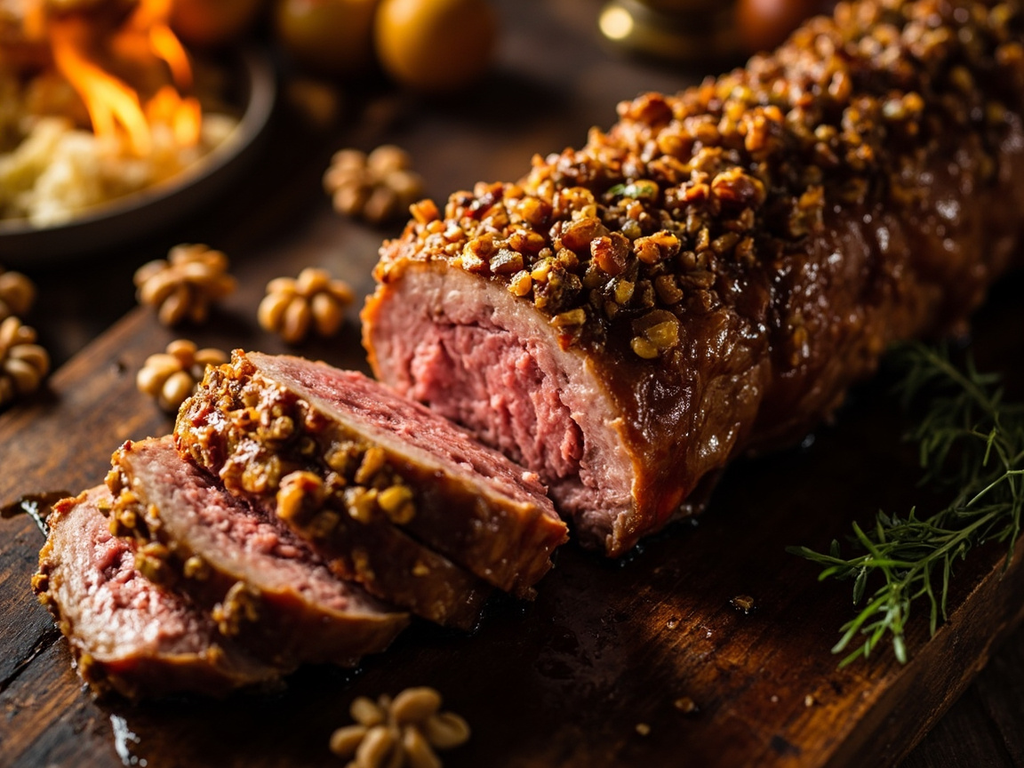
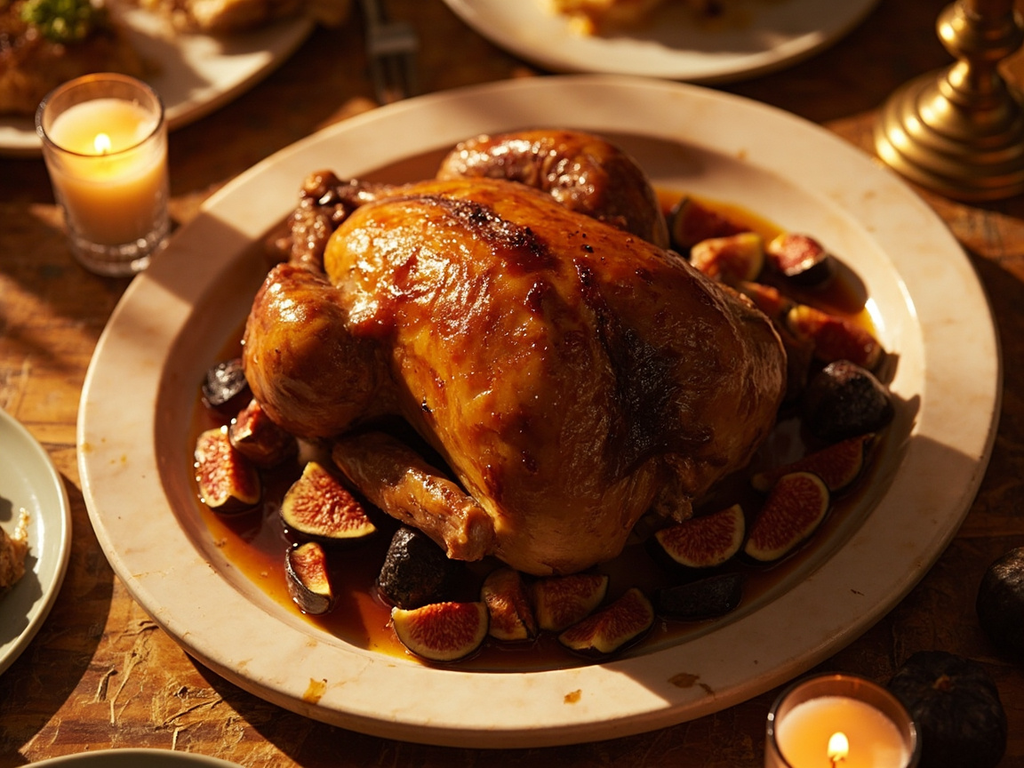
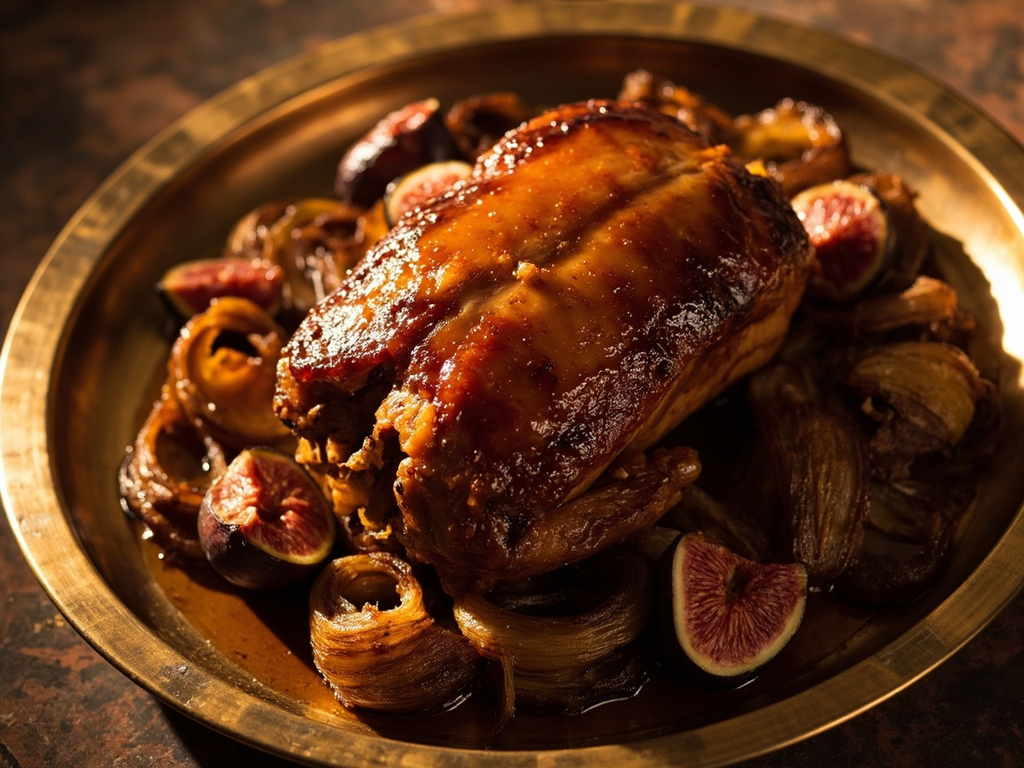
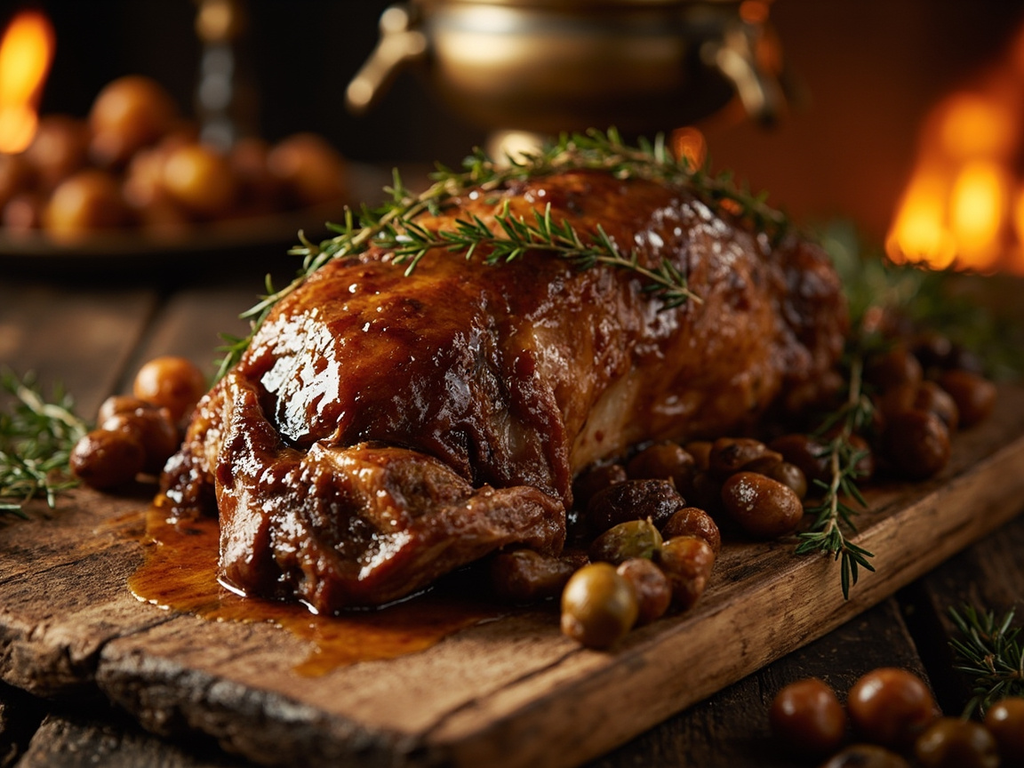
flipRoasted goat shoulder with honey and fennel for the festive deipnon
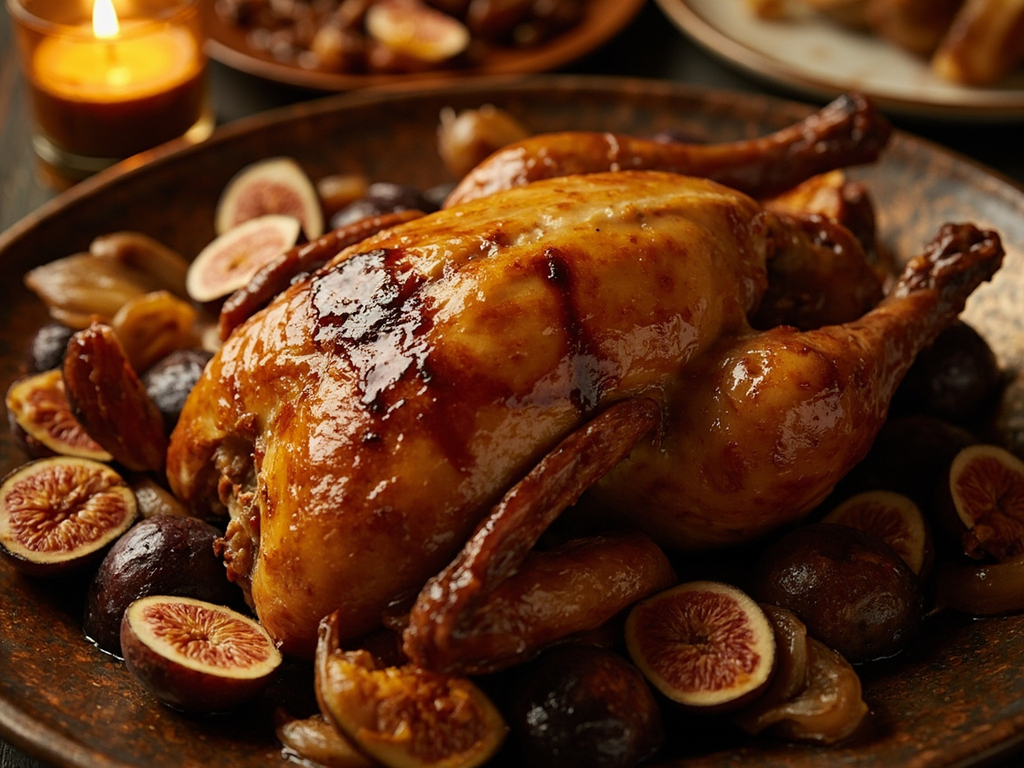
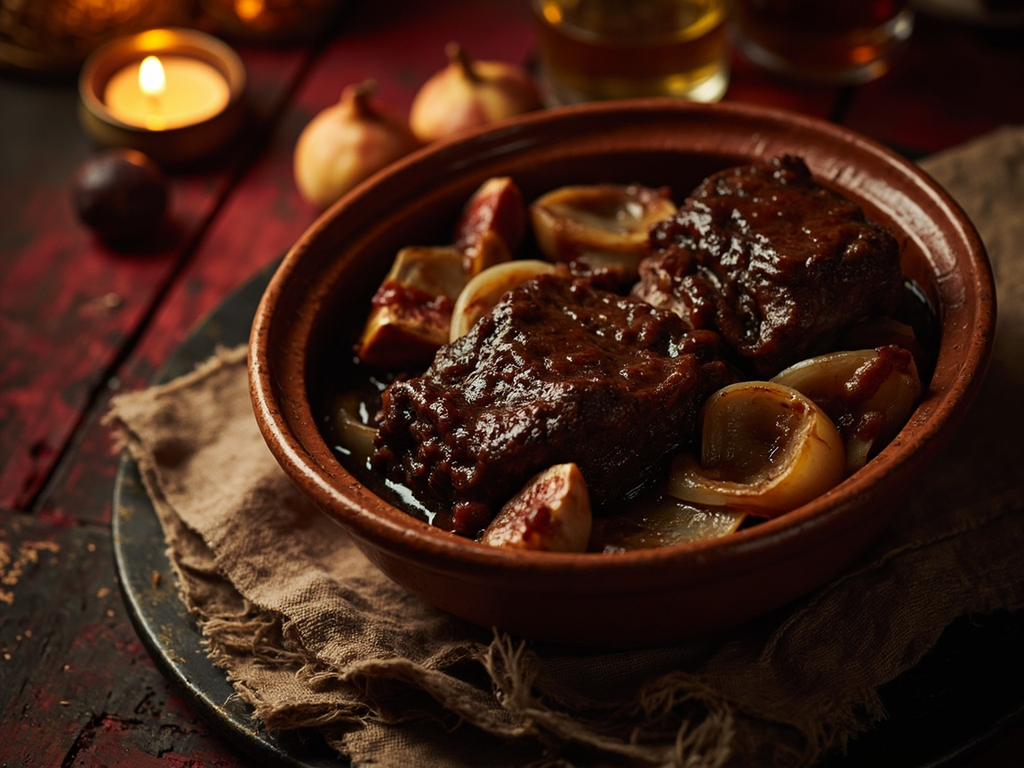
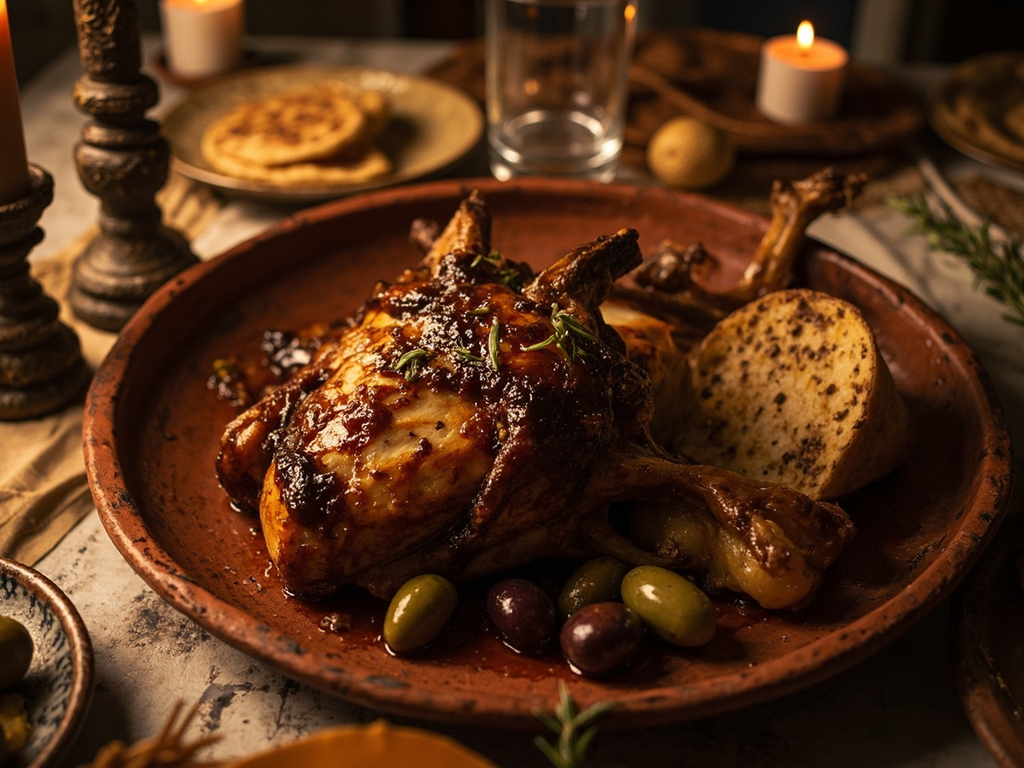
Roasted goat shoulder with honey and fennel for the festive deipnon
Why this dish? Meat was rare and reserved for festivals, sacrifices, and banquets among learned men. When Anaximander hosted a philosophical symposion, a goat or sheep was slaughtered: it is in this setting, with belly full and wine served, that the real conversations about the nature of things took place.
A goat shoulder rubbed with oil, thyme, and coriander, glazed with honey and scented with fennel, slow-roasted until falling off the bone. Salty and gently honeyed: the generous piece that turns an ordinary meal into a memorable day.
When my friends come up to my house to talk about the sky and the earth, I do not receive them with dry barley. I roast a young goat, I coat it with oil and honey from our hives, I slip wild fennel under its skin. The fat drips on the embers, the scent rises, and when the flesh falls apart under the fingers, I know that tongues will loosen and the night will be long. Eat first, reason afterward: the mind thinks well only in a contented body.
- •Goat or sheep shoulder — one piece (main dish)
- •Honey — to coat (glaze and sweetness)
- •Olive oil — generous (roasting)
- •Fennel seeds and wild fennel — a good handful (aroma)
- •Thyme and coriander seeds — a pinch each (spices)
- •Wine — a splash (basting during cooking)
Roasted goat shoulder with honey and fennel for the festive deipnon
A goat shoulder rubbed with oil, thyme, and coriander, glazed with honey and scented with fennel, slow-roasted until falling off the bone. Salty and gently honeyed: the generous piece that turns an ordinary meal into a memorable day.
Why this dish? Meat was rare and reserved for festivals, sacrifices, and banquets among learned men. When Anaximander hosted a philosophical symposion, a goat or sheep was slaughtered: it is in this setting, with belly full and wine served, that the real conversations about the nature of things took place.
When my friends come up to my house to talk about the sky and the earth, I do not receive them with dry barley. I roast a young goat, I coat it with oil and honey from our hives, I slip wild fennel under its skin. The fat drips on the embers, the scent rises, and when the flesh falls apart under the fingers, I know that tongues will loosen and the night will be long. Eat first, reason afterward: the mind thinks well only in a contented body.
Ingredients (period version)
- Goat or sheep shoulder — one piece (main dish)
- Honey — to coat (glaze and sweetness)
- Olive oil — generous (roasting)
- Fennel seeds and wild fennel — a good handful (aroma)
- Thyme and coriander seeds — a pinch each (spices)
- Wine — a splash (basting during cooking)
Ingredients
- Kid or lamb shoulder — 1.2 kg (main dish)
- Liquid honey (thyme or wildflower) — 3 tbsp (glaze and sweetness)
- Extra virgin olive oil — 4 tbsp (roasting)
- Fennel seeds — 2 tsp (aroma)
- Fresh thyme — 4 sprigs (spice)
- Ground coriander seeds — 1 tsp (spice)
- Dry white wine — 150 ml (basting)
- Sea salt — to taste (seasoning)
Method
- Preheat the oven to 160°C.
- Coarsely crush the fennel and coriander seeds in a mortar with the salt.
- Rub the shoulder with olive oil, then with the spice mixture and the thyme leaves.
- Place the meat in a dish, pour the wine at the bottom, cover with foil or a lid, and roast for 2 hours 30 minutes.
- Uncover, brush generously with honey, and continue for 30 to 40 minutes at 190°C to caramelize, basting with the juices.
- Let rest for 15 minutes, then shred the meat to serve with maza and olives.
How it was made : In archaic Greece, eating meat was almost always linked to sacrifice: bones and fat were offered to the gods, the flesh shared among guests. Cooking was done on a spit over embers or in a pot. The combination of honey + meat + bitter herbs is typical of ancient Greek taste, later codified by Apicius for the Roman world.
The contemporary twist : Serve the shredded shoulder on a large maza, "archaic Ionian taco" style, sprinkled with toasted sesame seeds.
Sources : Andrew Dalby, Siren Feasts, Routledge, 1996 · Jean-Louis Flandrin & Massimo Montanari (eds.), Histoire de l'alimentation, Fayard, 1996 (chapter on Greece)
Anaximander · Charactorium