 flip
flipSkillet Cornbread
Skillet Cornbread
Why this dish? Anita Hill grew up the youngest of thirteen children on a farm in Lone Tree, Oklahoma. Cornbread, baked in the family's heavy cast-iron skillet, accompanied every meal and was used to sop up the pot likker from greens — a table gesture from her rural childhood.
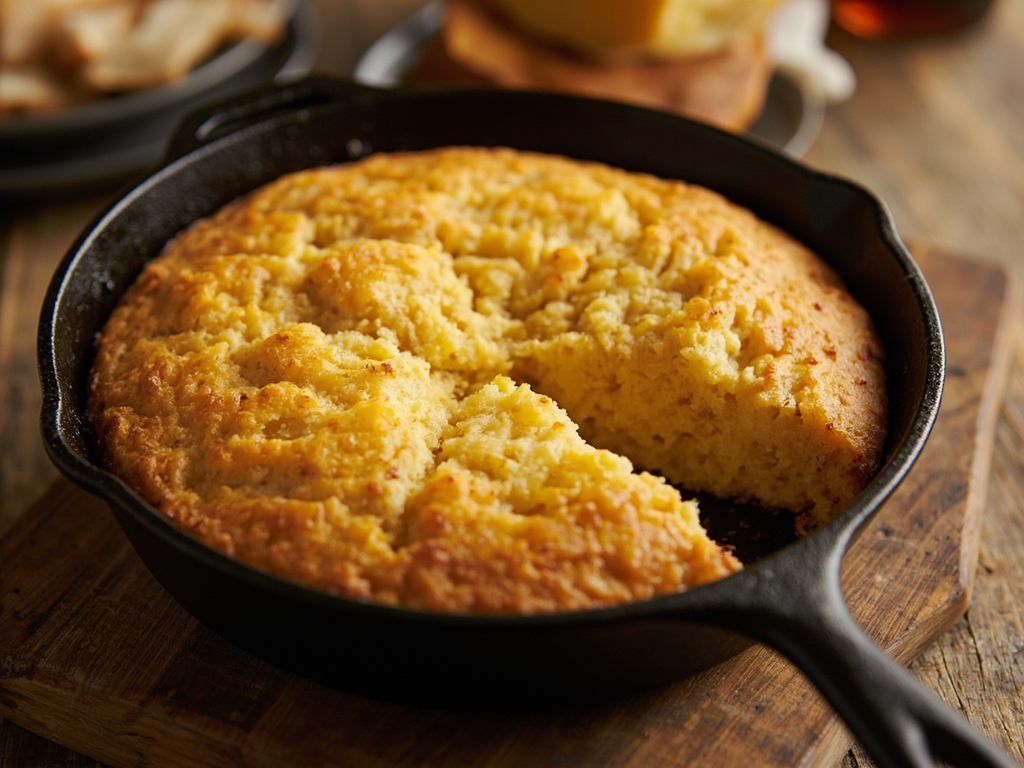
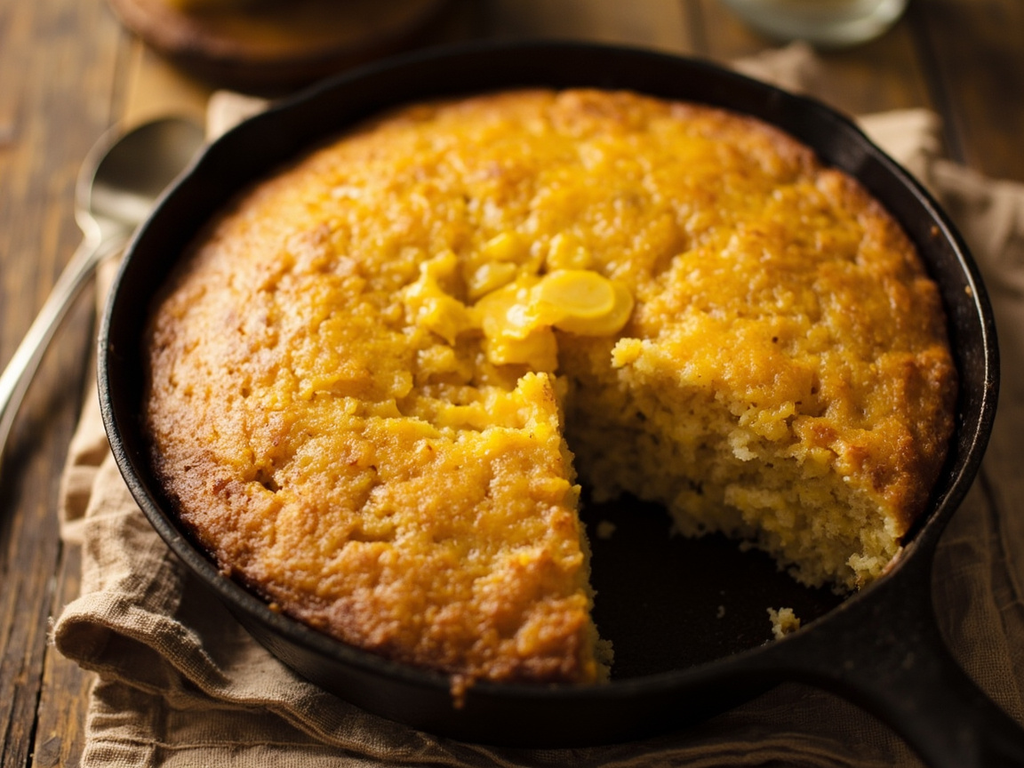
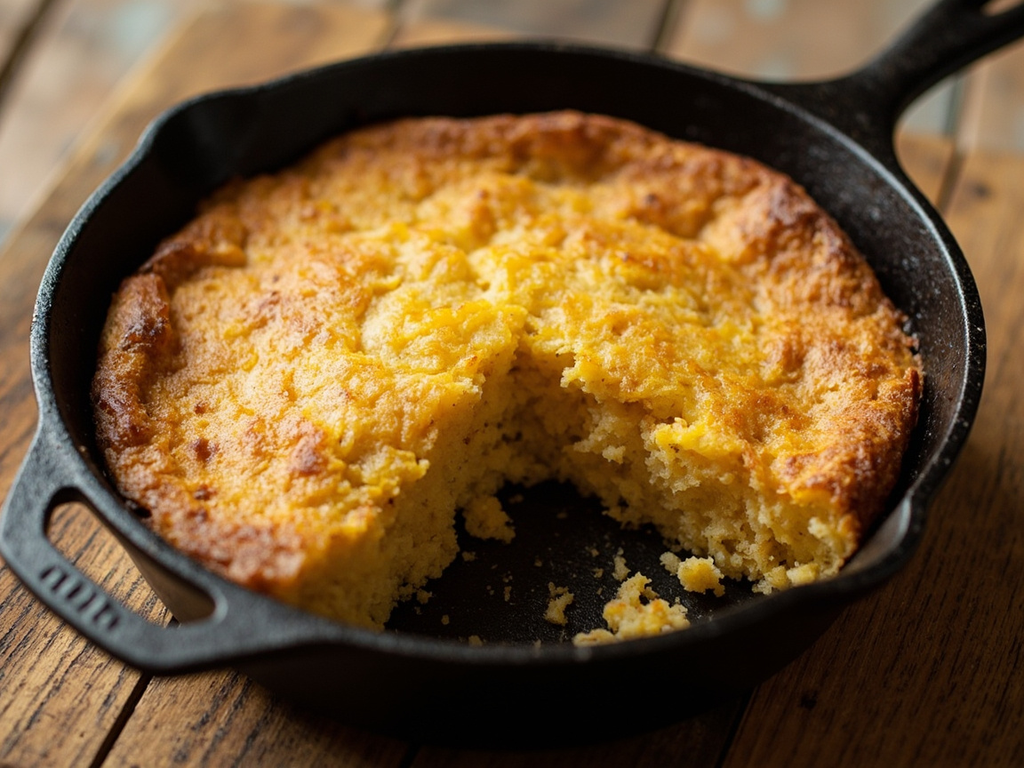
A golden cornbread, crisp on the edges from the blazing hot skillet, tender in the center, barely sweet. You break it by hand to dip into the juices of the dishes.
Back home in Lone Tree, my mother would heat the old cast-iron skillet until the fat sizzled before she even poured in the batter — that's what gives that crispy edge we all fought over. Thirteen kids at the table, believe me, we needed two skillets. We never cut it with a city knife: we broke it with our fingers, still warm, to sop up the greens' pot likker. A good cornbread, I tell you straight, is worth all the speeches in the world.
- •Yellow cornmeal — two large cups (base of the bread)
- •Buttermilk — enough to loosen (moisture and slight acidity)
- •Farm eggs — one or two (binder)
- •Lard or bacon grease — a good spoonful (crispness and flavor)
- •Baking soda and salt — a pinch (leavening)
Skillet Cornbread
A golden cornbread, crisp on the edges from the blazing hot skillet, tender in the center, barely sweet. You break it by hand to dip into the juices of the dishes.
Why this dish? Anita Hill grew up the youngest of thirteen children on a farm in Lone Tree, Oklahoma. Cornbread, baked in the family's heavy cast-iron skillet, accompanied every meal and was used to sop up the pot likker from greens — a table gesture from her rural childhood.
Back home in Lone Tree, my mother would heat the old cast-iron skillet until the fat sizzled before she even poured in the batter — that's what gives that crispy edge we all fought over. Thirteen kids at the table, believe me, we needed two skillets. We never cut it with a city knife: we broke it with our fingers, still warm, to sop up the greens' pot likker. A good cornbread, I tell you straight, is worth all the speeches in the world.
Ingredients (period version)
- Yellow cornmeal — two large cups (base of the bread)
- Buttermilk — enough to loosen (moisture and slight acidity)
- Farm eggs — one or two (binder)
- Lard or bacon grease — a good spoonful (crispness and flavor)
- Baking soda and salt — a pinch (leavening)
Ingredients
- Fine cornmeal — 240 g (base of the bread)
- All-purpose flour — 60 g (tenderness)
- Buttermilk (or milk + 1 tbsp lemon juice) — 300 ml (moisture and acidity)
- Eggs — 2 (binder)
- Melted butter (or bacon grease) — 60 g + 1 tbsp for the skillet (flavor and crispy edge)
- Baking powder — 2 tsp (leavening)
- Baking soda — 1/2 tsp (leavening)
- Sugar — 1 tbsp (optional) (slight sweetness)
- Salt — 1 tsp (seasoning)
Method
- Preheat oven to 220°C with a 22 cm cast-iron skillet inside.
- Mix dry ingredients (cornmeal, flour, baking powder, baking soda, sugar, salt).
- In a separate bowl, whisk buttermilk, eggs, and melted butter; stir into dry ingredients until just combined.
- Carefully remove the hot skillet, melt the extra fat and swirl to coat, then pour in the batter (it should sizzle).
- Bake 20-25 minutes until golden on top and a toothpick comes out clean.
- Unmold, let cool slightly, and break by hand.
How it was made : Corn, a grain of the Americas, became the staple of the South after slavery because it grew everywhere and could be ground on the farm. Cornbread baked in a preheated cast-iron skillet mimics bread once cooked directly on the coals ("hoecake," "ashcake"). Many Black Southern families made it without sugar — the sweet version is often associated with the North.
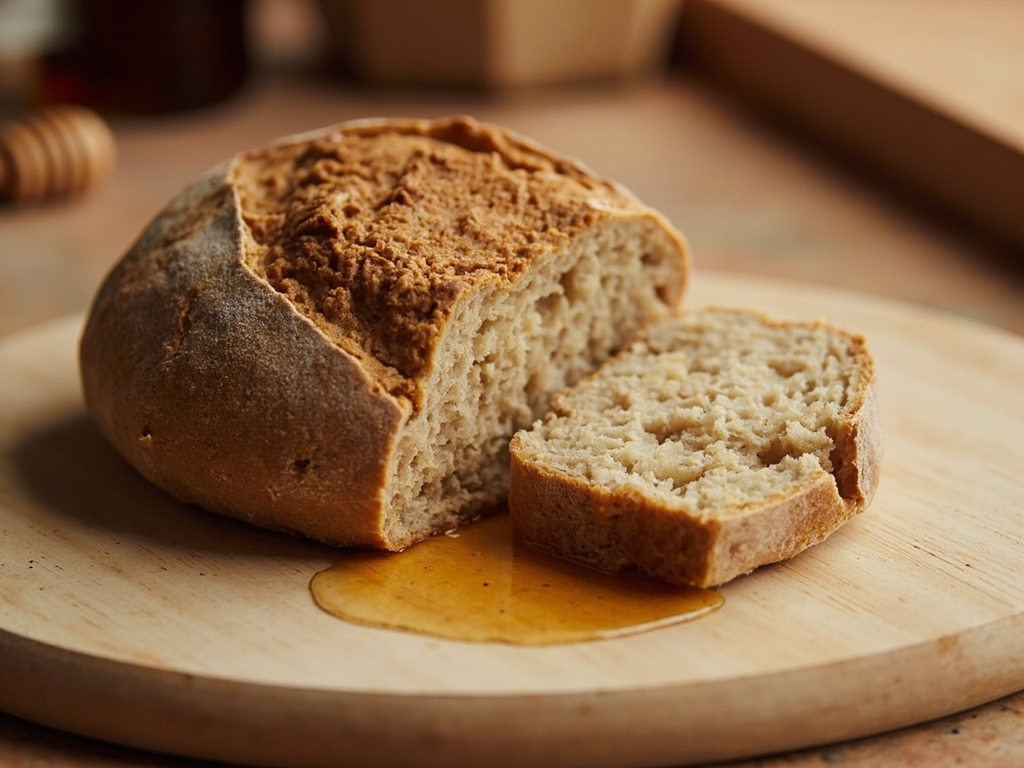
The contemporary twist : Serve warm with a drizzle of honey and a pat of salted butter, or scatter fresh corn kernels into the batter for crunch.
Sources : Edna Lewis, The Taste of Country Cooking (1976) · Jessica B. Harris, High on the Hog: A Culinary Journey from Africa to America (2011) · Toni Tipton-Martin, Jubilee: Recipes from Two Centuries of African American Cooking (2019)
Anita Hill · Charactorium