 flip
flipLavāshak (tart fruit leather)
Lavāshak (tart fruit leather)
Why this dish? Lavashak is the quintessential Iranian treat slipped into a suitcase — light, non-perishable, intensely flavored. It is exactly the profile of a 'nutritionist-approved' food that Anousheh Ansari could take into space: a piece of Iran that fits in a pocket, without risk or bulk.
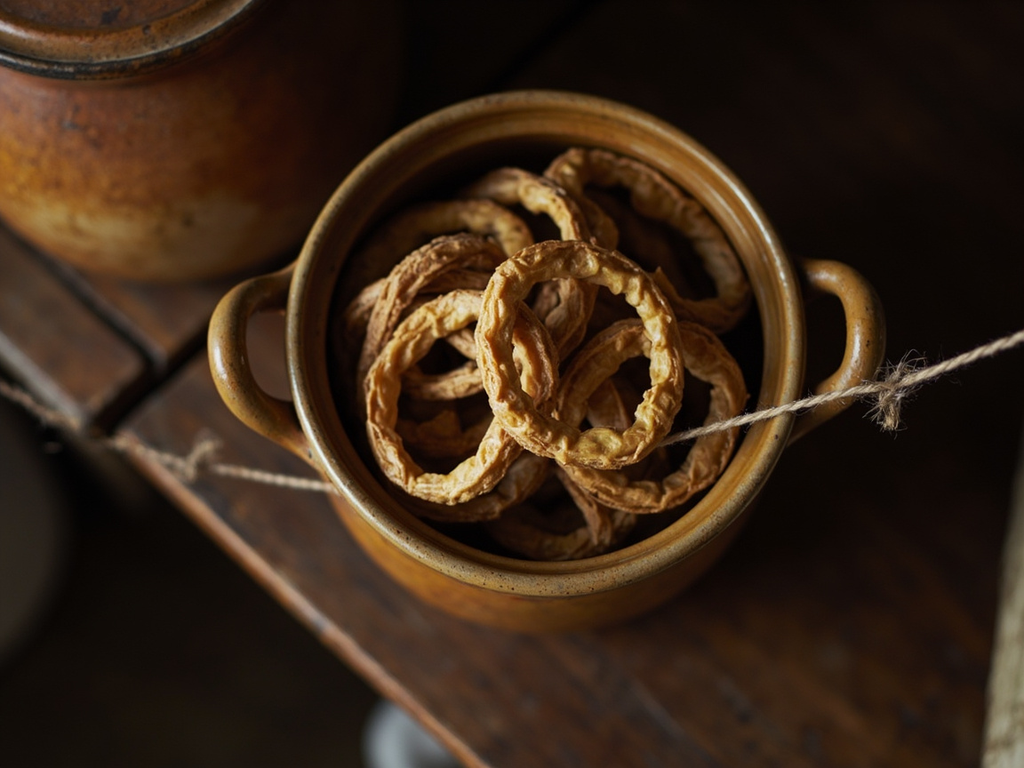
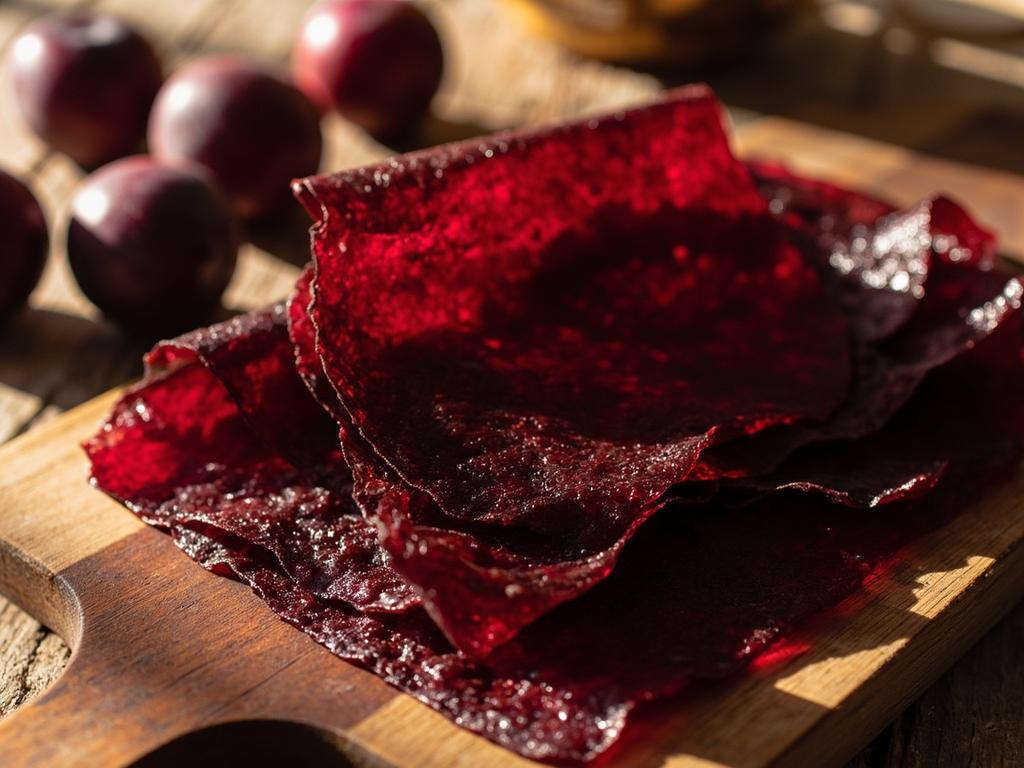
A thin dried sheet of fruit purée (plum, apricot, apple, or pomegranate), tart and pliable, torn and nibbled. The natural candy of Iranian childhood.
When I was little in Mashhad, lavashak was the treasure in our pockets: a thin fruit skin dried in the sun on the terraces, so sour it made you shiver, exchanged at school like currency. As an engineer, I never stopped seeing it as a little masterpiece: zero waste, no preservatives, weighs nothing and keeps for months. When you prepare for a long journey — to the other side of the world or into Earth orbit — you quickly learn that the best provisions are the simplest. I would have stuck a piece on my porthole, just for fun.
- •Tart plums or very ripe apricots — a large amount (base)
- •Pomegranate or lemon juice — a splash (acidity and preservation)
- •Salt — a pinch (flavor enhancer)
- •Sugar — a little, if fruit is too tart (balance (optional))
Lavāshak (tart fruit leather)
A thin dried sheet of fruit purée (plum, apricot, apple, or pomegranate), tart and pliable, torn and nibbled. The natural candy of Iranian childhood.
Why this dish? Lavashak is the quintessential Iranian treat slipped into a suitcase — light, non-perishable, intensely flavored. It is exactly the profile of a 'nutritionist-approved' food that Anousheh Ansari could take into space: a piece of Iran that fits in a pocket, without risk or bulk.
When I was little in Mashhad, lavashak was the treasure in our pockets: a thin fruit skin dried in the sun on the terraces, so sour it made you shiver, exchanged at school like currency. As an engineer, I never stopped seeing it as a little masterpiece: zero waste, no preservatives, weighs nothing and keeps for months. When you prepare for a long journey — to the other side of the world or into Earth orbit — you quickly learn that the best provisions are the simplest. I would have stuck a piece on my porthole, just for fun.
Ingredients (period version)
- Tart plums or very ripe apricots — a large amount (base)
- Pomegranate or lemon juice — a splash (acidity and preservation)
- Salt — a pinch (flavor enhancer)
- Sugar — a little, if fruit is too tart (balance (optional))
Ingredients
- Very ripe plums (or apricots) — 1 kg (base)
- Lemon juice — 2 tbsp (acidity and preservation)
- Sugar — 2 to 4 tbsp depending on tartness (balance)
- Salt — 1 pinch (flavor enhancer)
Method
- Wash, pit, and stew the fruits over low heat until they break down.
- Blend into a very smooth purée, add lemon juice, sugar, and salt, then strain through a sieve to remove skins.
- Reduce the purée over low heat until it reaches a thick coulis consistency.
- Spread in a thin layer (2-3 mm) on a baking sheet lined with parchment paper.
- Dry in an oven with the door ajar at 60-70 °C for 6 to 10 hours (or in the dry sun for a full day), until the sheet is pliable and no longer sticky.
- Peel off, roll in parchment paper, and store in an airtight container.
How it was made : Drying fruits into sheets is a very ancient preservation technique in Persia, where hot, dry summers allowed sun-drying on rooftops. Lavashak made it possible to enjoy summer fruits throughout the winter, long before modern canning.
The contemporary twist : Cut the fruit leather into calibrated strips and vacuum-seal them like hand-labeled 'mission rations.'
Anousheh Ansari · Charactorium