 flip
flipPain d'épices de la mission géodésique
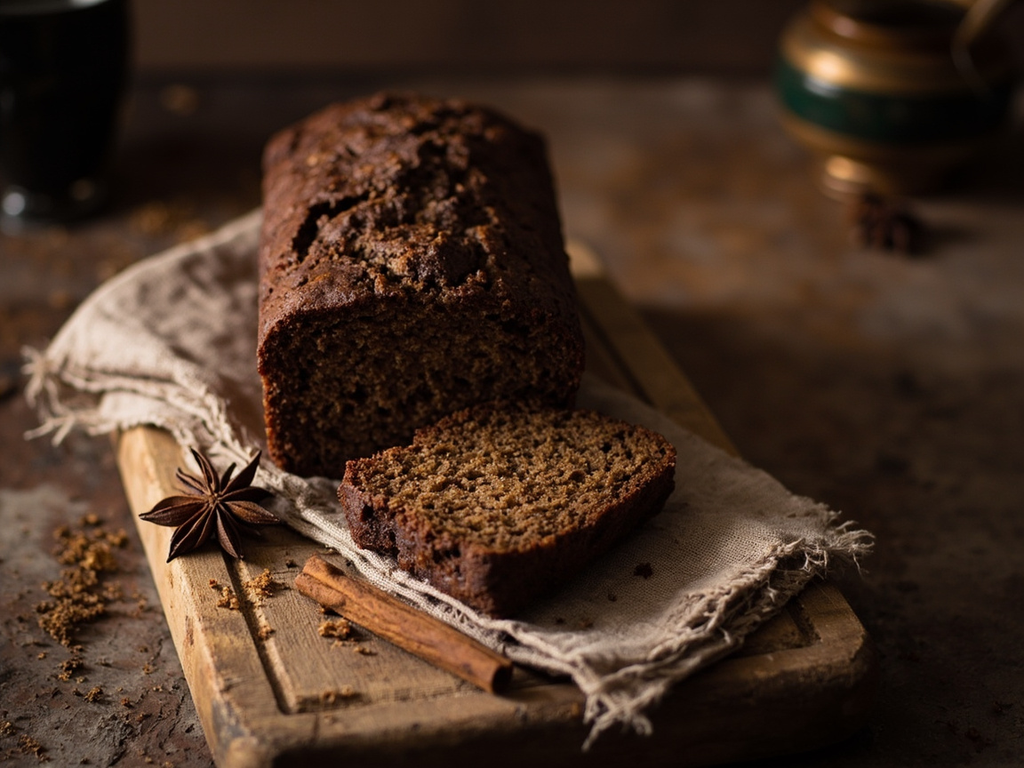
Pain d'épices de la mission géodésique
Why this dish? Legendre participated in geodesy work linking observatories and stations, up to Dunkirk in the north—long, cold field missions. Gingerbread, dense, sweetened with honey and packed with spices, kept for weeks and stuck to the ribs: the ideal provision for the traveller and surveyor in the field.
A dense cake perfumed with honey, rye and spices, which improves with age and travels without spoiling. The companion of long roads and measurement stations battered by northern winds.
When I had to travel the roads to Dunkirk for our measurements, I never left without a good gingerbread in my baggage. It fears neither cold nor the passing days—it even improves by waiting, which is rare in this world. A slice in the morning, under a leaden sky, and the surveyor stands until evening. Honey and spices work wonders: they nourish the body and cheer the humour when the task is hard.
- •Honey — a good pound (sweetness and preservation)
- •Rye flour — same measure (dense body)
- •Spices (cinnamon, anise, clove, ginger) — to discretion (signature flavour)
- •Salt of soda / potash leaven — a pinch (light leavening)
Pain d'épices de la mission géodésique
A dense cake perfumed with honey, rye and spices, which improves with age and travels without spoiling. The companion of long roads and measurement stations battered by northern winds.
Why this dish? Legendre participated in geodesy work linking observatories and stations, up to Dunkirk in the north—long, cold field missions. Gingerbread, dense, sweetened with honey and packed with spices, kept for weeks and stuck to the ribs: the ideal provision for the traveller and surveyor in the field.
When I had to travel the roads to Dunkirk for our measurements, I never left without a good gingerbread in my baggage. It fears neither cold nor the passing days—it even improves by waiting, which is rare in this world. A slice in the morning, under a leaden sky, and the surveyor stands until evening. Honey and spices work wonders: they nourish the body and cheer the humour when the task is hard.
Ingredients (period version)
- Honey — a good pound (sweetness and preservation)
- Rye flour — same measure (dense body)
- Spices (cinnamon, anise, clove, ginger) — to discretion (signature flavour)
- Salt of soda / potash leaven — a pinch (light leavening)
Ingredients
- Honey — 300 g (sweetness and preservation)
- Rye flour — 250 g (dense body)
- Wheat flour — 100 g (structure)
- Spice mix (cinnamon, ground green anise, clove, ginger) — 2 tsp (signature flavour)
- Baking soda — 1 tsp (light leavening)
- Milk — 10 cl (binder)
- Orange zest — 1 (optional) (freshness)
Method
- Warm the honey with the milk to make it liquid.
- Mix the flours, spices and baking soda in a bowl.
- Incorporate the warm honey and zest, work into a thick, homogeneous dough.
- Pour into a lined loaf tin.
- Bake at medium heat (160°C) for 50 minutes to 1 hour, until a blade comes out dry.
- Unmould, let cool, then wrap in a cloth: it keeps and improves over several days.
How it was made : Gingerbread, inherited from the Middle Ages (Reims, Dijon), was made with honey and rye, without butter or eggs in its older versions, which ensured long preservation. It was flavoured according to available spices. It was a food for soldiers, pilgrims and travellers as much as a treat.
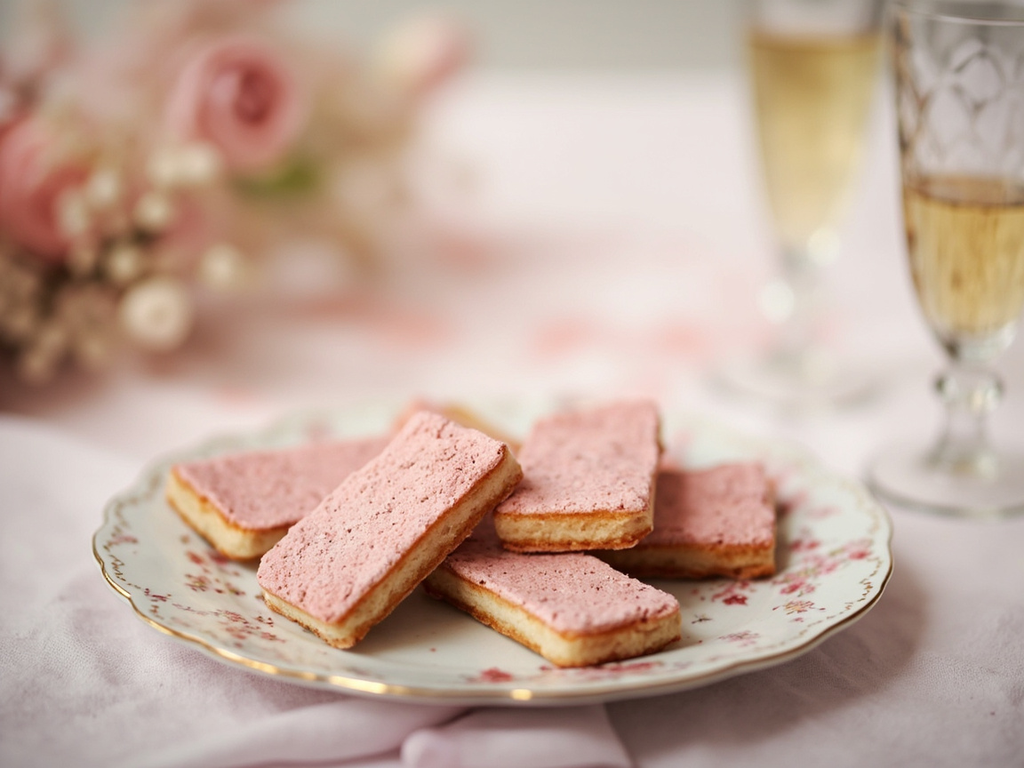
The contemporary twist : Cut it into regular sticks of equal length, like the segments of a triangulation: "Surveyor's Stakes," to nibble on the road.
Sources : Émile Littré, références historiques sur le pain d'épices · Menon, La Cuisinière bourgeoise, 1746
Adrien-Marie Legendre · Charactorium