 flip
flipGalilean Welcoming Meal of the Annunciation
Galilean Welcoming Meal of the Annunciation
Why this dish? In Nazareth, Galilee, Gabriel greets Mary and announces the birth of Jesus. One imagines the modest table of a young Galilean woman of the 1st century, and the welcoming meal offered to any honored guest — all the more so to a messenger from heaven.
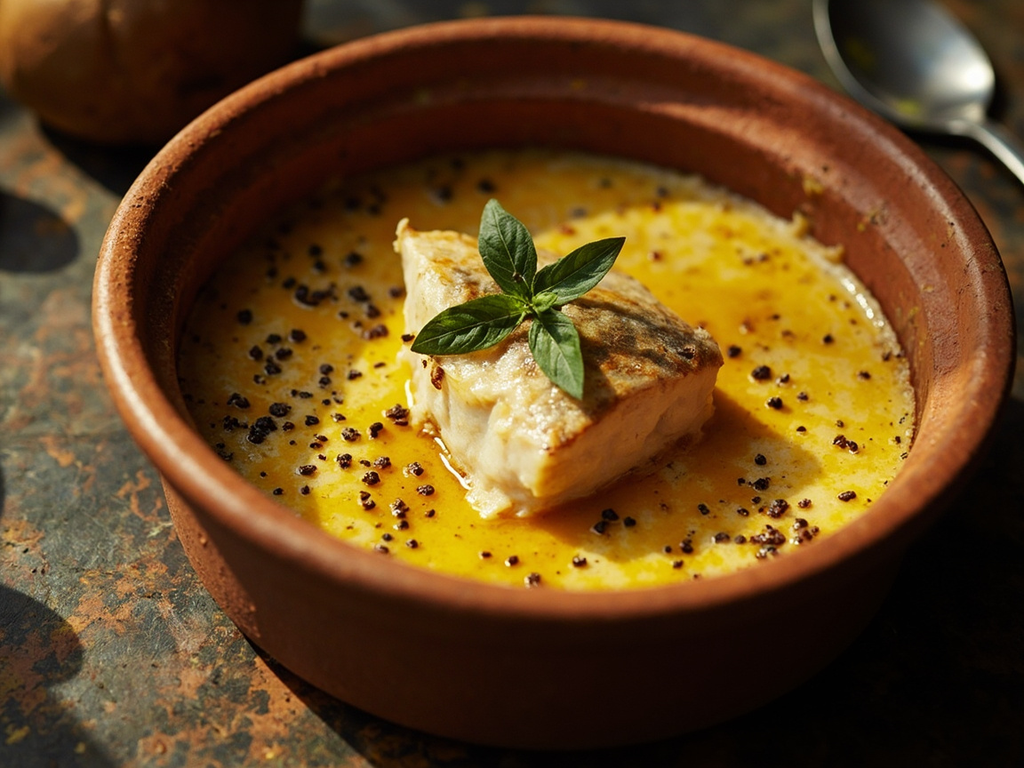
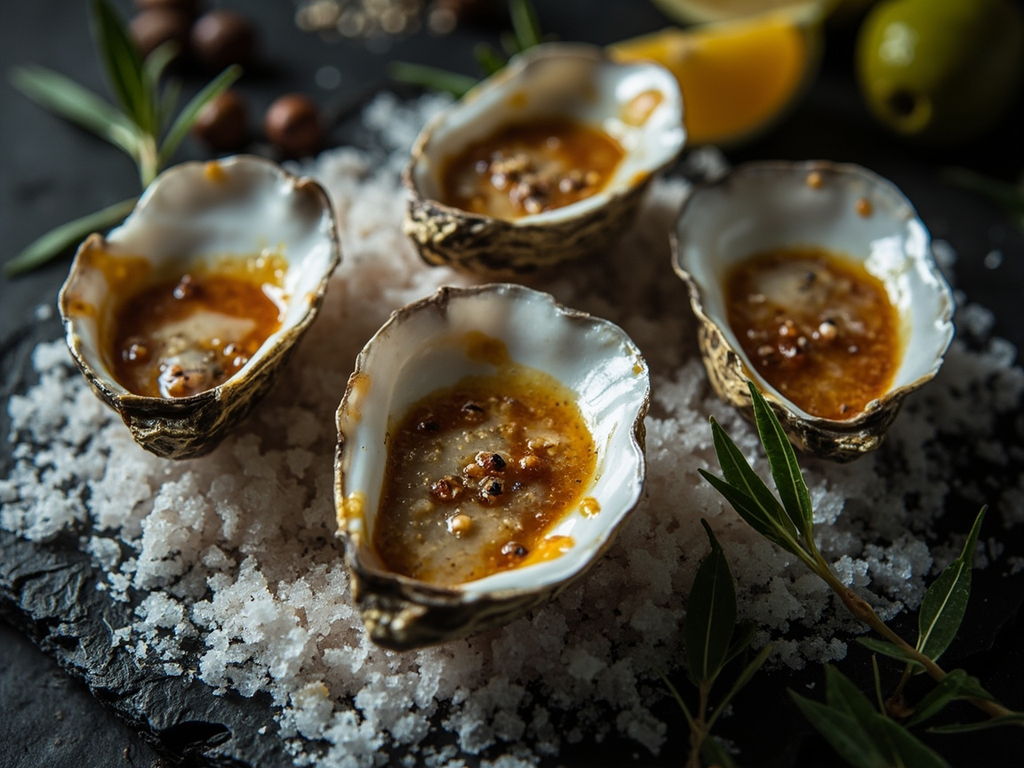
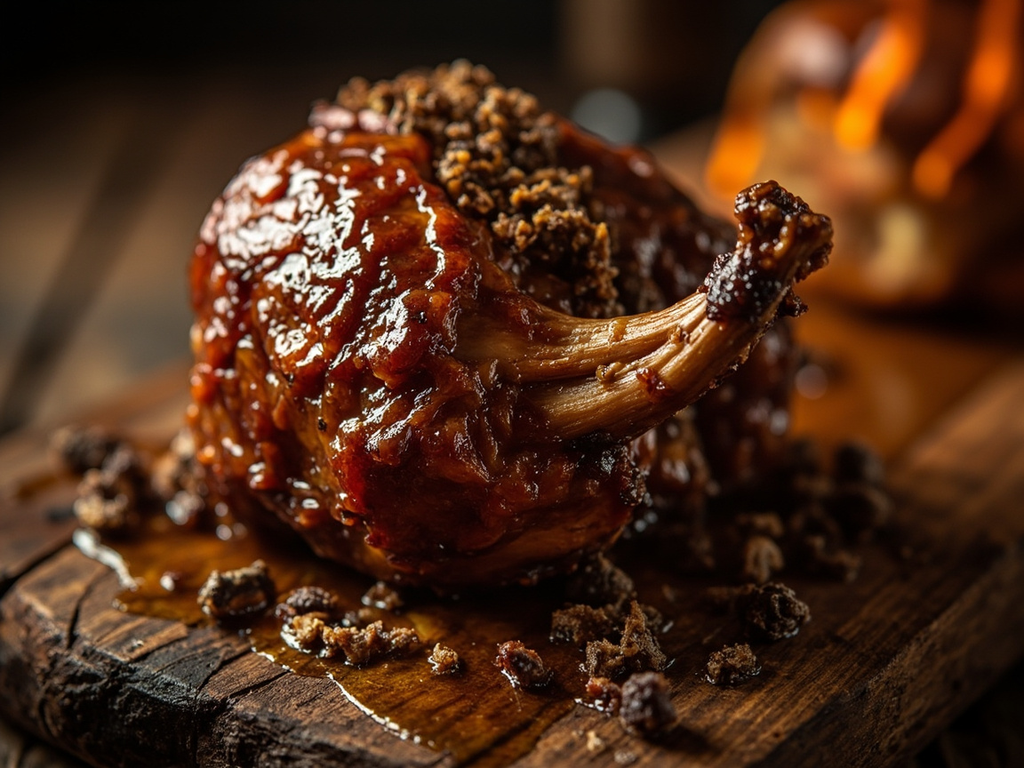
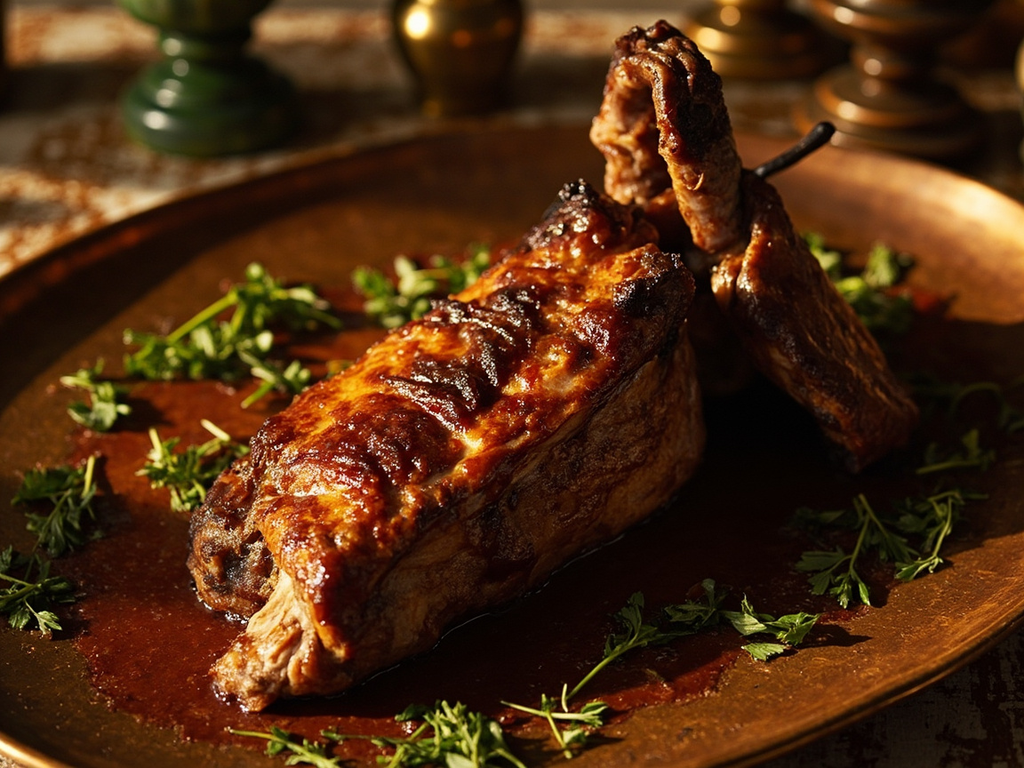
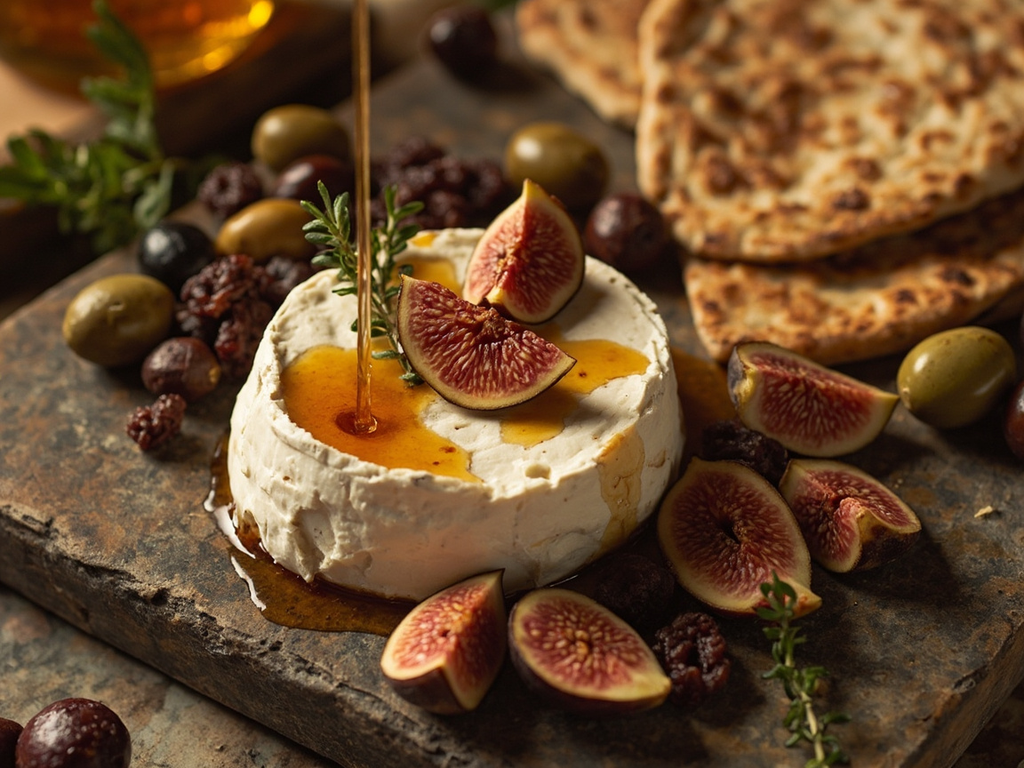
An assortment from Galilee: warm barley flatbreads, fresh goat cheese, melting figs and raisins, olives, all drizzled with oil and coated with a veil of honey. Sweet and savory respond to each other, like the greeting and the news.
I greet you, you who open your table. When I entered the house of the young girl of Nazareth, I said to her: rejoice, full of grace. In this land of Galilee, one does not welcome a guest empty-handed: one breaks the still-warm barley flatbread, sets out fresh goat cheese, figs ripened in the sun and olives from the orchard, and pours honey as one pours a blessing. Taste this blend of salt and sweet: it speaks of the simplicity of the humble whom the Most High exalts.
- •Barley or wheat flatbreads — several (bread of the table)
- •Fresh goat cheese — a lump (fresh dairy)
- •Fresh or dried figs — a handful (sweet fruit)
- •Raisins — a handful (sweetness)
- •Olives — a bowl (savory from the orchard)
- •Olive oil — as desired (binder and flavor)
- •Honey — a drizzle (sweet topping)
Galilean Welcoming Meal of the Annunciation
An assortment from Galilee: warm barley flatbreads, fresh goat cheese, melting figs and raisins, olives, all drizzled with oil and coated with a veil of honey. Sweet and savory respond to each other, like the greeting and the news.
Why this dish? In Nazareth, Galilee, Gabriel greets Mary and announces the birth of Jesus. One imagines the modest table of a young Galilean woman of the 1st century, and the welcoming meal offered to any honored guest — all the more so to a messenger from heaven.
I greet you, you who open your table. When I entered the house of the young girl of Nazareth, I said to her: rejoice, full of grace. In this land of Galilee, one does not welcome a guest empty-handed: one breaks the still-warm barley flatbread, sets out fresh goat cheese, figs ripened in the sun and olives from the orchard, and pours honey as one pours a blessing. Taste this blend of salt and sweet: it speaks of the simplicity of the humble whom the Most High exalts.
Ingredients (period version)
- Barley or wheat flatbreads — several (bread of the table)
- Fresh goat cheese — a lump (fresh dairy)
- Fresh or dried figs — a handful (sweet fruit)
- Raisins — a handful (sweetness)
- Olives — a bowl (savory from the orchard)
- Olive oil — as desired (binder and flavor)
- Honey — a drizzle (sweet topping)
Ingredients
- Flatbreads (whole wheat pita or barley flatbreads) — 4 (bread)
- Fresh goat cheese — 200 g (dairy)
- Fresh figs — 6 (or 12 dried) (sweet fruit)
- Raisins — 50 g (sweetness)
- Green or black olives — 150 g (savory)
- Extra virgin olive oil — 4 tbsp (binder)
- Honey — 2 tbsp (topping)
- Thyme or za'atar — 1 tsp (fragrant herb (optional))
Method
- Warm the flatbreads for a few minutes in the oven or dry pan so they are soft and warm.
- Place the fresh cheese in a bowl, drizzle with olive oil and sprinkle with thyme or za'atar.
- Cut the figs into quarters, arrange raisins and olives around.
- Drizzle a veil of honey over the figs and cheese to marry sweet and savory.
- Serve everything together in the center of the table, to share by hand, breaking the bread — in the manner of Galilean hospitality.
How it was made : Galilee in the 1st century lived on bread (especially barley among the poor), goat and sheep dairy, olives and oil, figs, fresh or dried grapes, and legumes. Meat was rare, reserved for feasts. Receiving a guest required offering the best of the house: this simple but generous welcoming meal is what one imagines on the table of a family in Nazareth.
The contemporary twist : Present as a grazing board: cheese in the center drizzled with honey and thyme, figs roasted for 10 minutes in the oven, flatbreads cut into wedges all around. Convivial and photogenic.
Sources : Gospel of Luke 1:26-38 (the Annunciation in Nazareth) · Archaeobotanical studies of Roman Galilee (diet: barley, figs, olives, dairy)
Archangel Gabriel · Charactorium